Länder:

 +11Kontinente:EUAS
+11Kontinente:EUAS


Neues Layout der Navigation (Beta Test)

LebendfotosDiagnoseGenitalienBiologieWeitere InformationenAndere KombinationenSynonymeFaunistikLiteratur
1. Lebendfotos
1.1. Falter
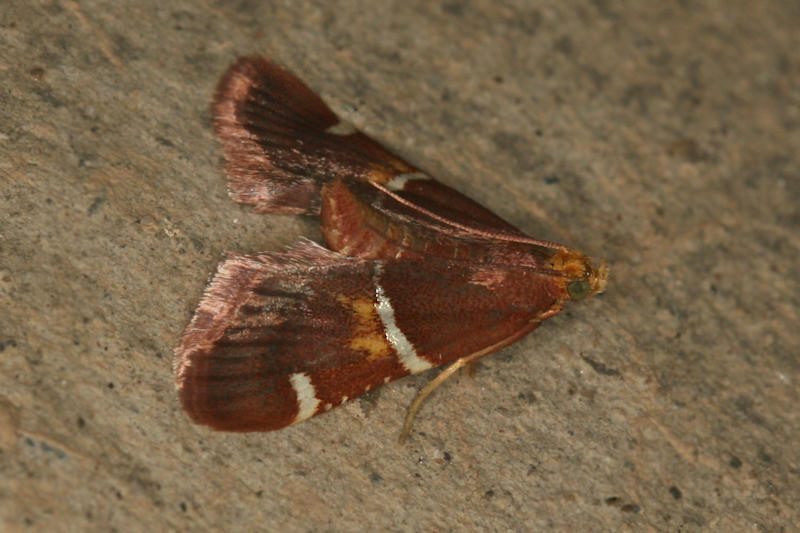
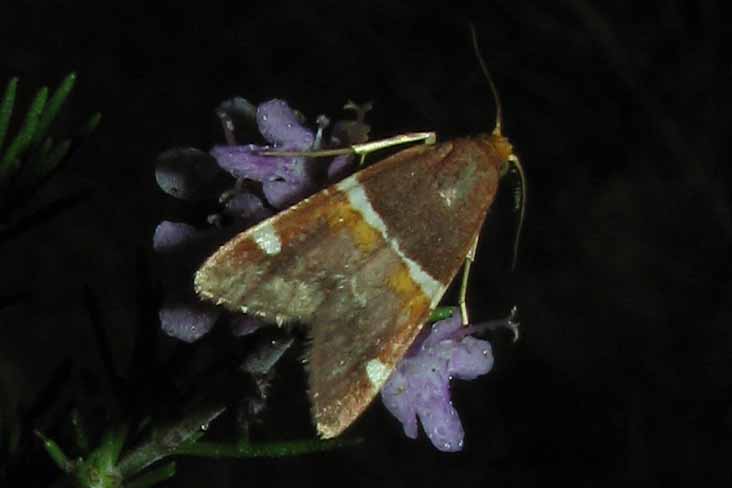
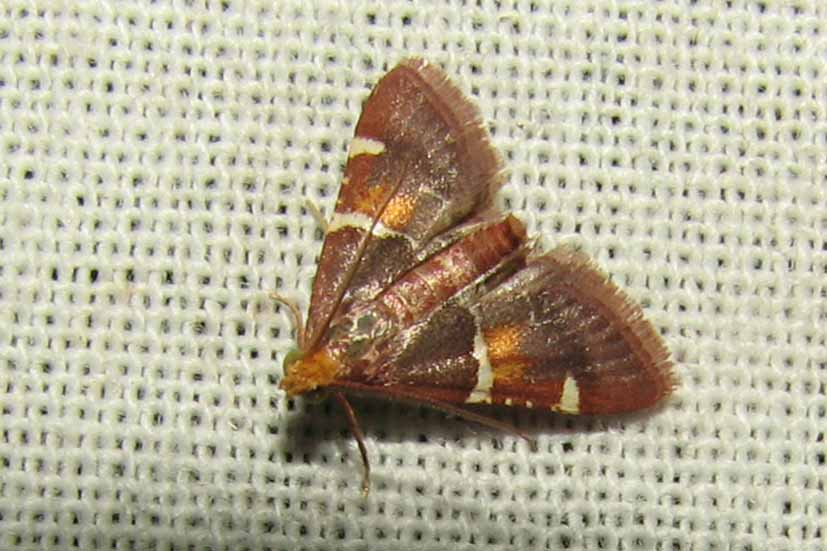
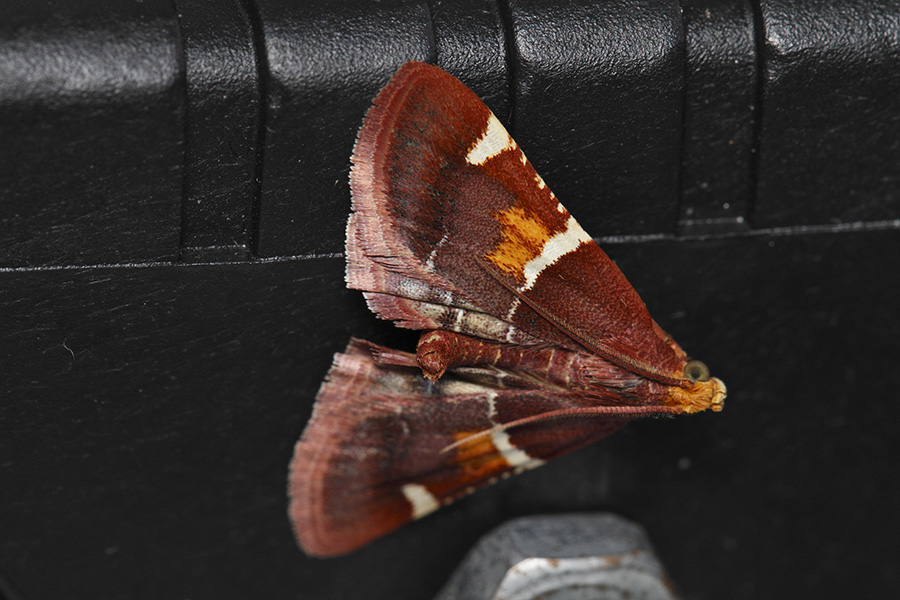
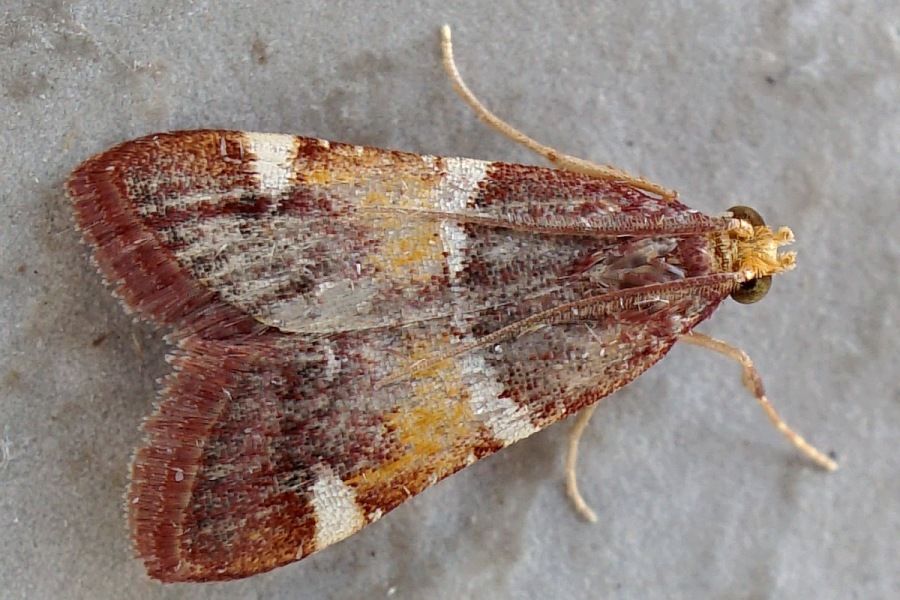
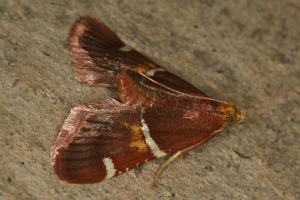
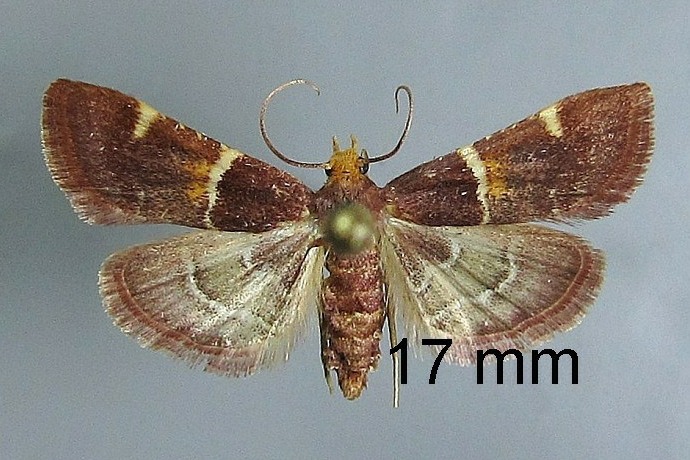
1: Armenien, Syunik, Meghri, historisches Ortszentrum, 695 m, 30. Mai 2010 (Foto: Heiner Ziegler), det. Alexandr ZhakovForum
2: Ukraine, Oblast Chersonskaja, Bezirk Zjurupinsk, Proletarka, 12 m, 6. Juni 2013, am Licht (det. & fot.: Alexandr Zhakov)Forum
3: Ukraine, Oblast Saporischschja, Bezirk Melitopol, Myrne, 27 m, 20. August 2014, am Licht (det. & fot.: Alexandr Zhakov)Forum
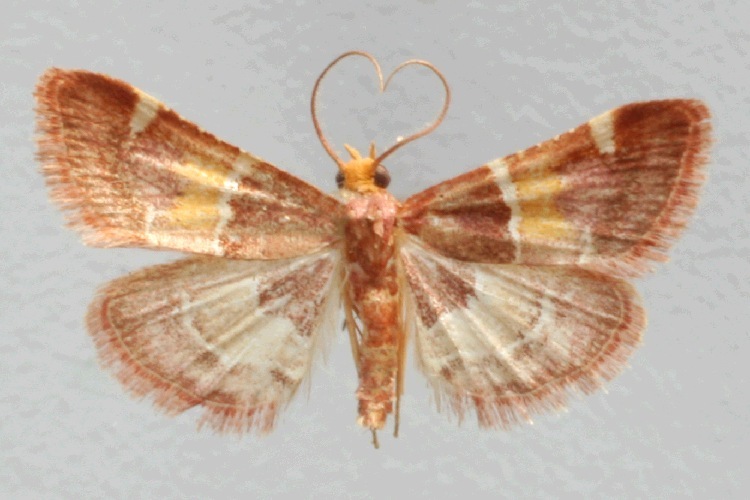
4: ♂, Griechenland, Lesvos, Anaxos, 10 m, 7. Juni 2014, am Licht (leg., det. & fot.: Juha Tyllinen)Forum
5: ♂, Griechenland (Festland und festlandsnahe Inseln), Thessalien - Mittelgriechenland, Regionalbezirk Magnisia, Volos, Glafyra, verbuschendes Offenland, 328 m, 39.429755, 22.892701, 13. Juni 2023, am Licht (Foto: Friedmar Graf)Forum
2. Diagnose
2.1. Weibchen
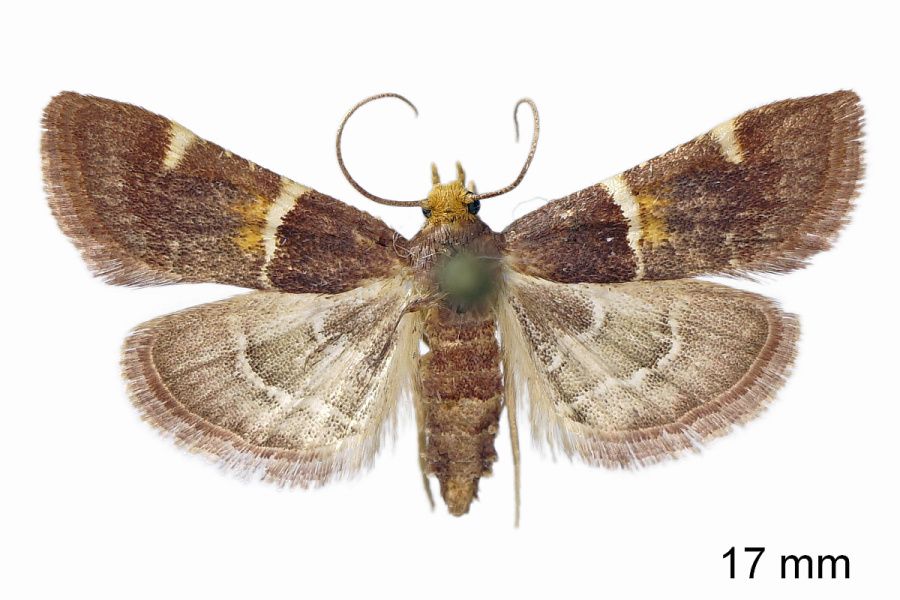
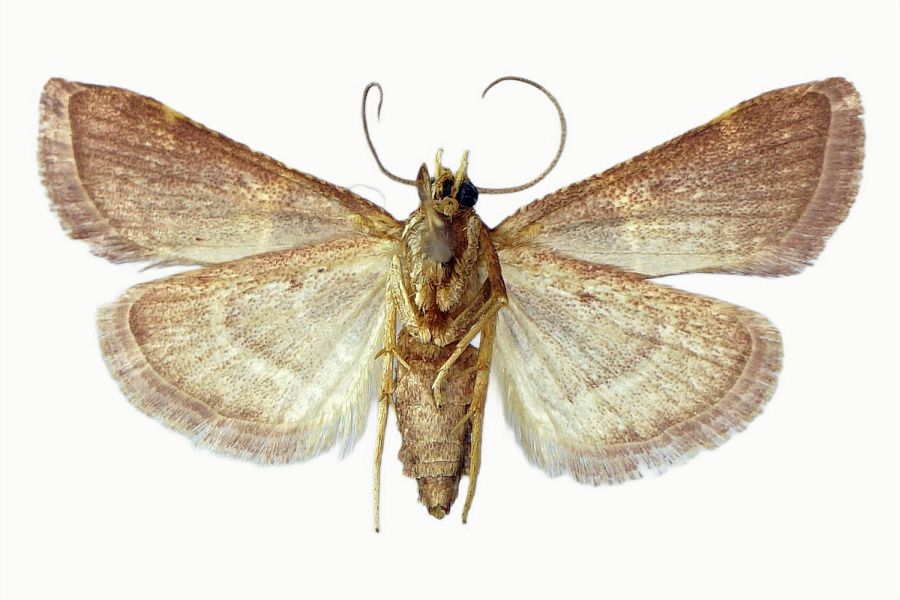
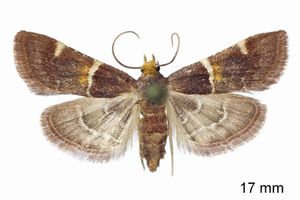
1-2: ♀, Krim, Pushkine, 50 m, 7. August 2007, am Licht (Foto: Friedmar Graf)Forum
2.2. Geschlecht nicht bestimmt
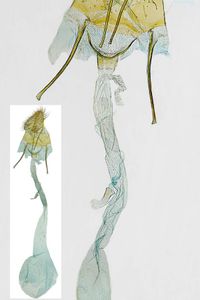
2.3. Genitalien
2.3.1. Männchen
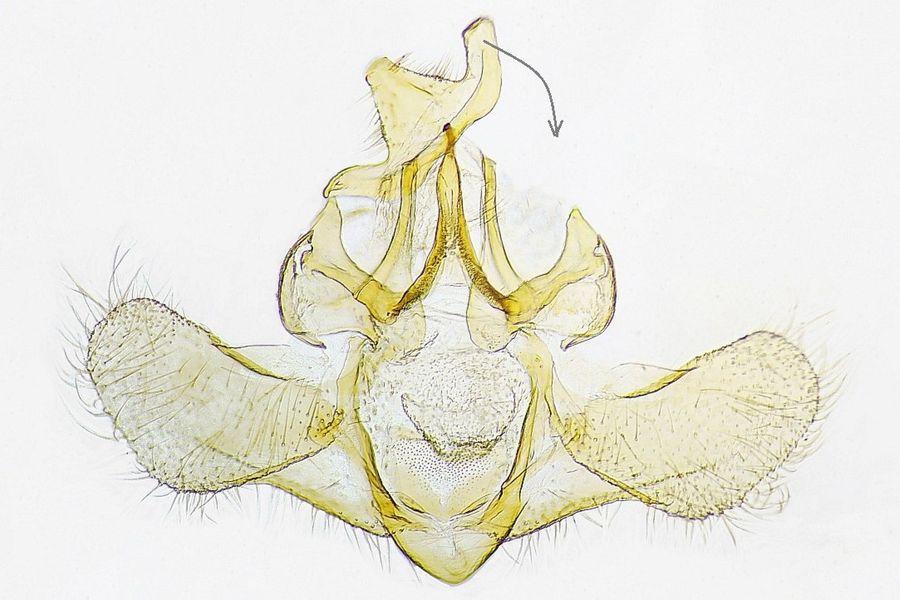
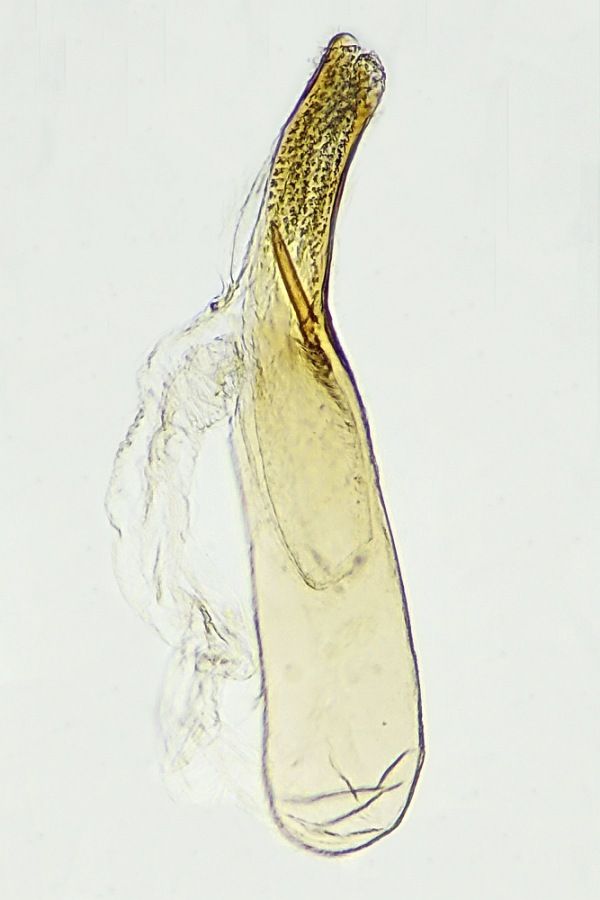
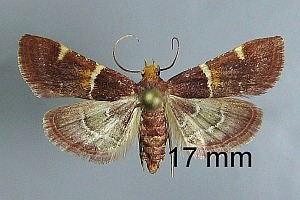
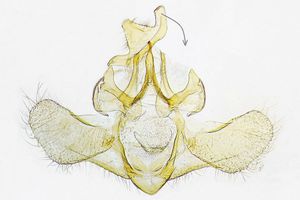
1-2: ♂, Griechenland (Festland und festlandsnahe Inseln), Thessalien - Mittelgriechenland, Regionalbezirk Magnisia, Volos, Glafyra, verbuschendes Offenland, 328 m, 39.429755, 22.892701, 13. Juni 2023, am Licht (Foto: Friedmar Graf)Forum
2.3.2. Weibchen
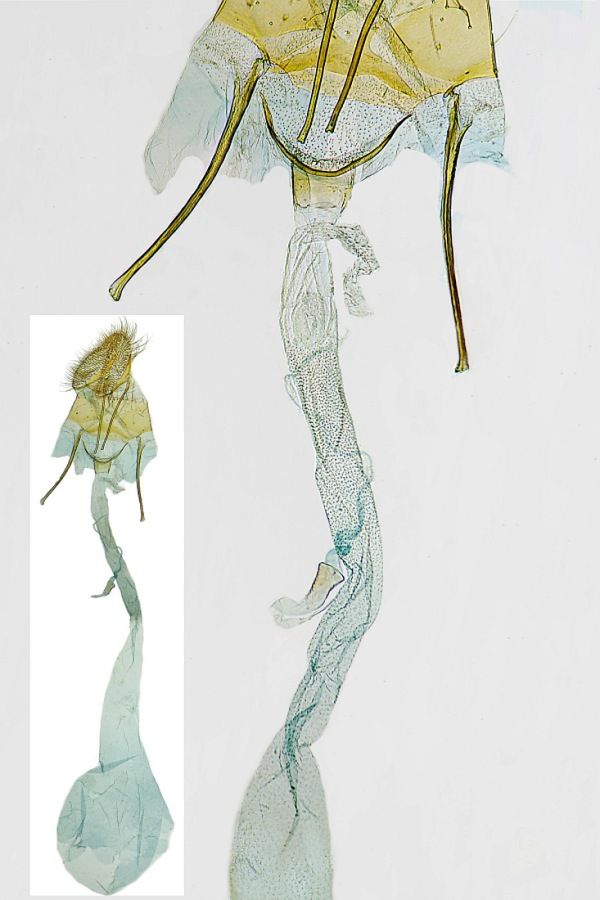
1: ♀, Krim, Pushkine, 50 m, 7. August 2007, am Licht (Foto: Friedmar Graf)Forum
2.4. Erstbeschreibung

1: Christoph (1893: 96) [nach Copyright-freiem Scan auf www.biodiversitylibrary.org]
3. Biologie
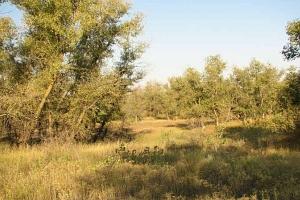
3.1. Habitat


1: Ukraine, Oblast Saporischschja, Bezirk Melitopol, Myrne, 27 m, 21. August 2014 (fot.: Alexandr Zhakov)Forum
2: Griechenland (Festland und festlandsnahe Inseln), Thessalien, Regionalbezirk Magnisia, Volos, Glafyra, verbuschendes Offenland, 328 m, 39.429755, 22.892701, 13. Juni 2023, am Licht (Foto: Friedmar Graf)Forum
4. Weitere Informationen
4.1. Andere Kombinationen
- Asopia kacheticalis Christoph, 1893 [Originalkombination]
4.2. Synonyme
- Pyralis imperialis Caradja, 1916 [Synonym gemäß Huemer et al. (2026)]
4.3. Faunistik
Vorkommen auf Zypern, in Europa im engeren Sinne erst in jüngerer Zeit in der Ukraine nachgewiesen. Angaben von Kreta - so bei Huemer et al. (2025) gehören zur erst durch Huemer et al. (2026) beschriebenen Pyralis papaleonei. In jener Arbeit (S. 73) werden aber auch neue Nachweise für 2 Länder von P. kacheticalis genannt: "New country records of P. kacheticalis: ARMENIA • 4 ♂; Prov. Wajoz Dsor, Areni, Noravan road; 1240 m; 39.667951°N, 45.221408°E; 1–4 July 2024; leg. Rachinger; TLMF; • 1 ♂; same data, but 29 September 2024; TLMF. IRAQ • 1 ♂; Sulaimaniyya, Dukan, Zarzi village; 660 m; 35.811°N, 45.317°E; 28 June 2024; leg. Khudur; TLMF."
(Autor: Erwin Rennwald)
4.4. Literatur
- Erstbeschreibung: Christoph, H. (1893): Lepidoptera Nova Faunae Palaearcticae. — Deutsche Entomologische Zeitschrift Iris 6 (1): 86-96.
- Huemer, P., Kaila, L. & A.H. Segerer (2026): Pyralis papaleonei sp. nov. from Crete (Greece) (Lepidoptera, Pyralidae). — Nota Lepidopterologica, 49: 63–74. [zum open access-Artikel auf nl.pensoft.net]
- Slamka, F. (2006): Pyraloidea (Lepidoptera) of Europe, volume 1. Identification, distribution, habitat, biology. Pyralinae, Galleriinae, Epipaschiinae, Cathariinae & Odontiinae.
- Yepishin, V., Khalaim, Y. & S. Novytskyi (2024): The Pyraloidea of the Odesa region of Ukraine (Insecta: Lepidoptera). — SHILAP Revista de lepidopterología 52 (205): 115-141. [PDF auf shilap.org]