+29Kontinente:EUASNA


1. Lebendfotos
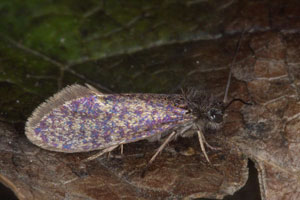
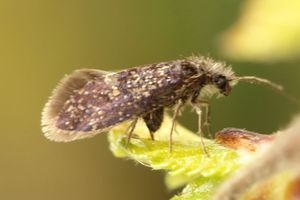
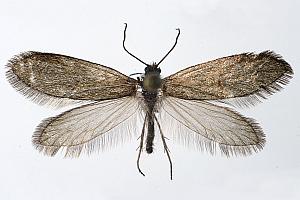
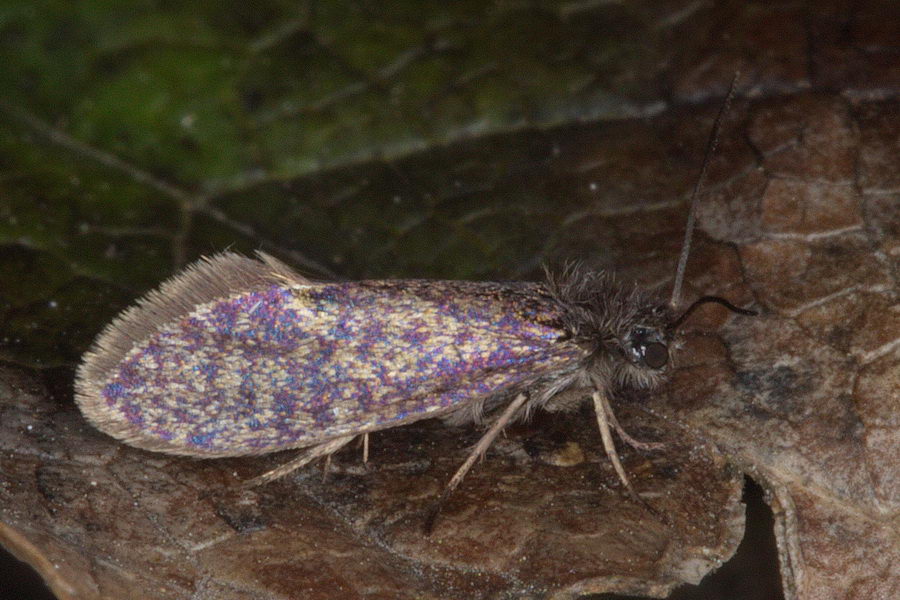
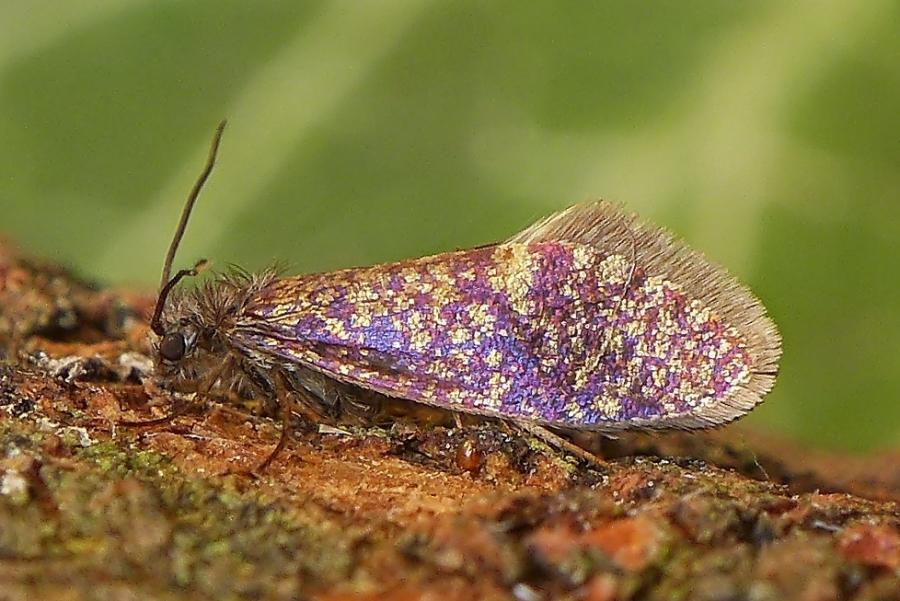
1.1. Falter


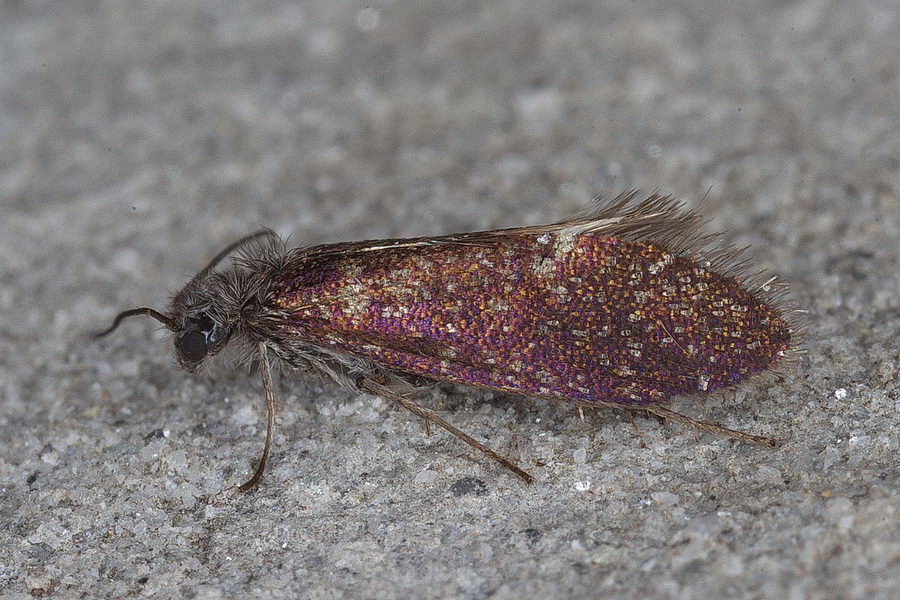

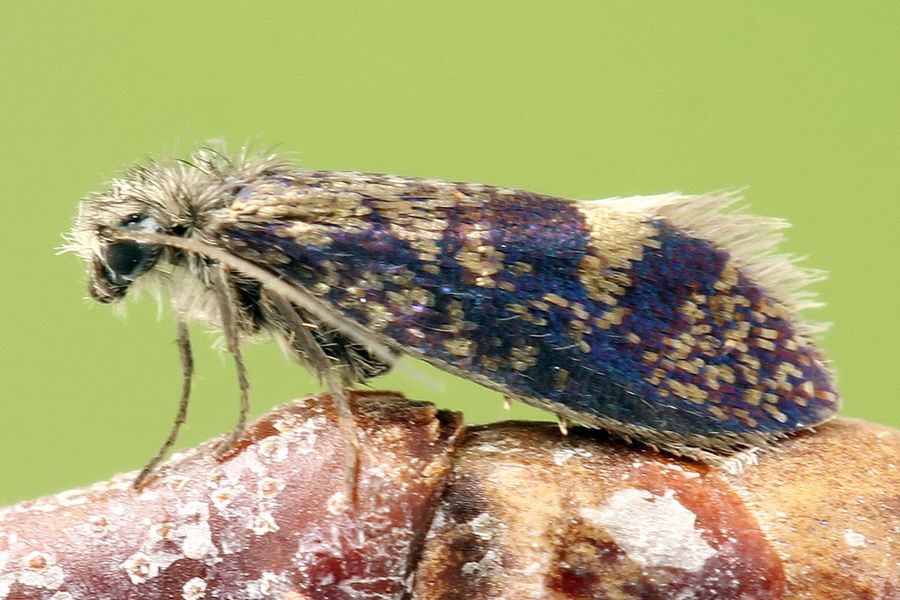
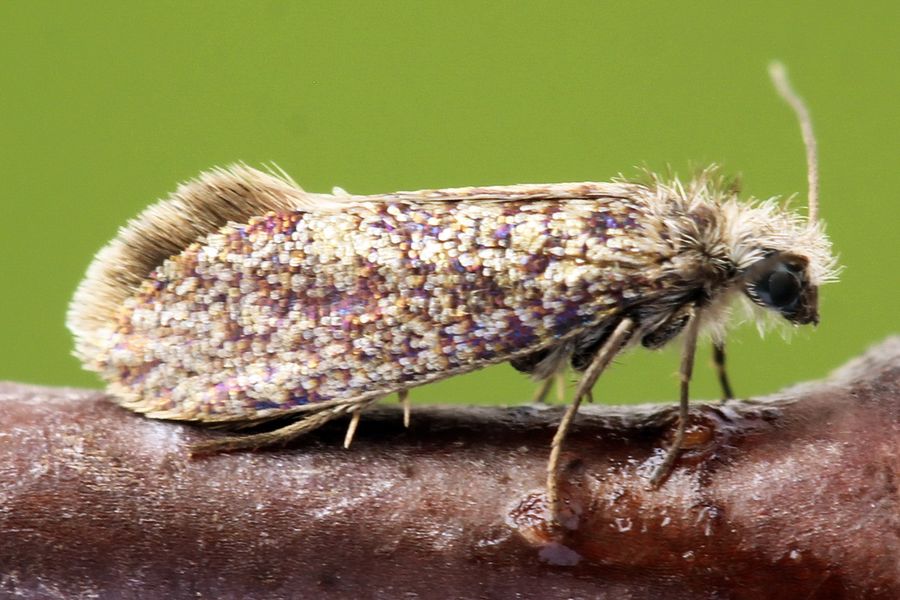
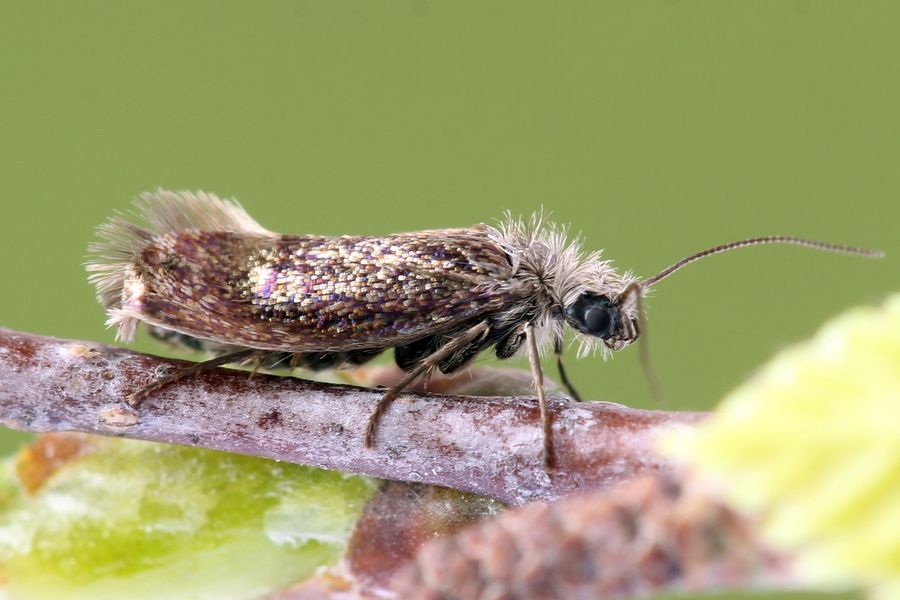
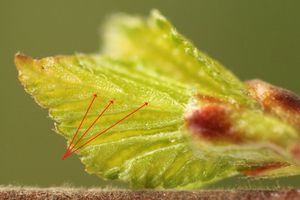
1.2. Eiablage
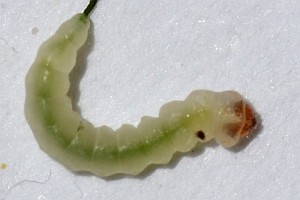
1.3. Ausgewachsene Raupe


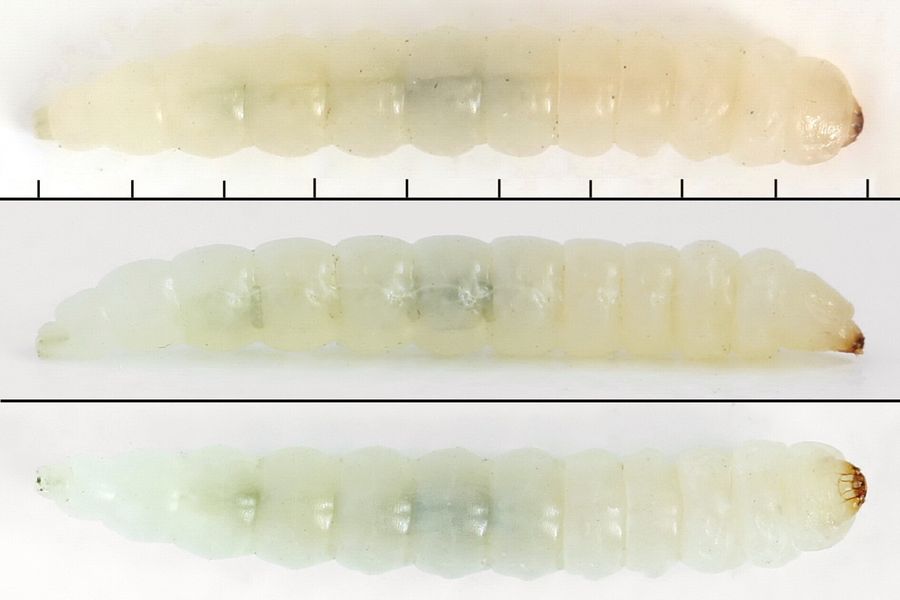
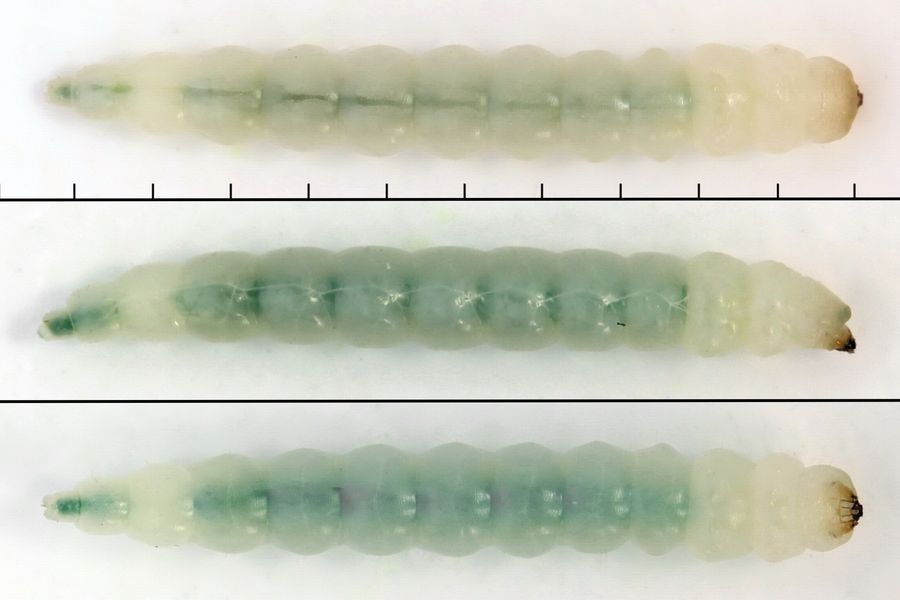
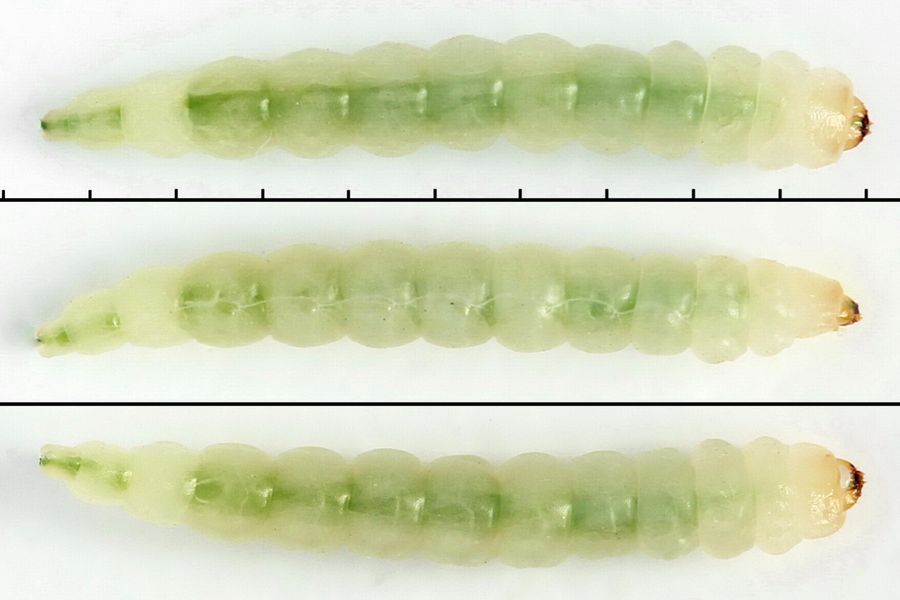
Hinweis: Die Bestimmung der Raupen- und Minenfotos aus Hagen, Nordrhein-Westfalen wird angezweifelt: [Forum].
Hinweis: Die bis zum 7. Mai 2018 hier gezeigten [Raupen- und Minenfotos] aus Barsinghausen zeigen höchstwahrscheinlich die Art Heringocrania unimaculella. Bis zur Klärung werden sie entfernt.
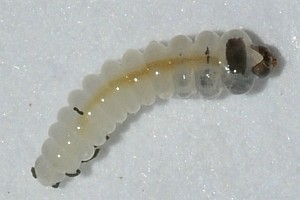
1.4. Jüngere Raupenstadien


Hinweis: Die Bestimmung der Raupen- und Minenfotos aus Hagen, Nordrhein-Westfalen wird angezweifelt: [Forum].
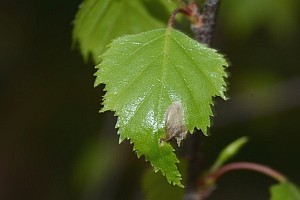
1.5. Fraßspuren und Befallsbild


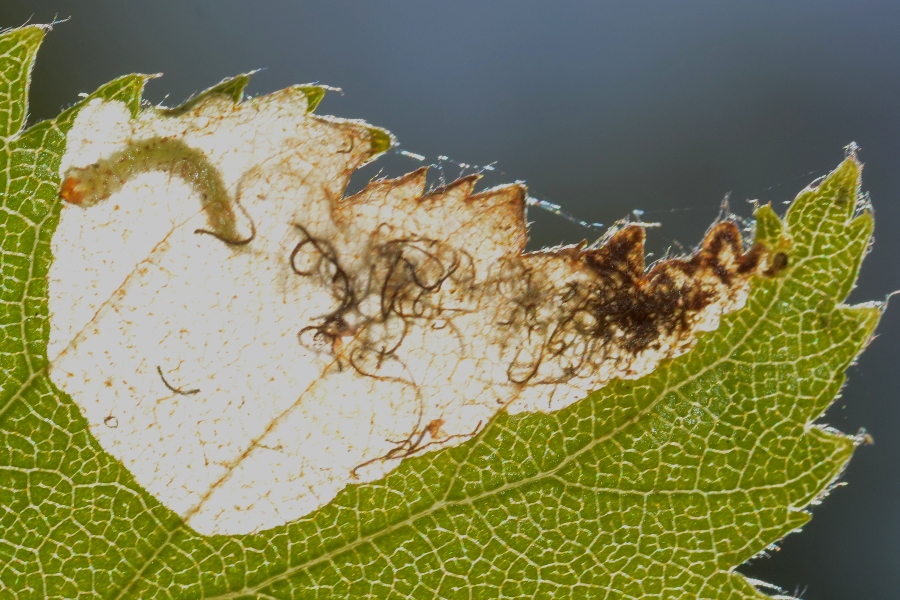
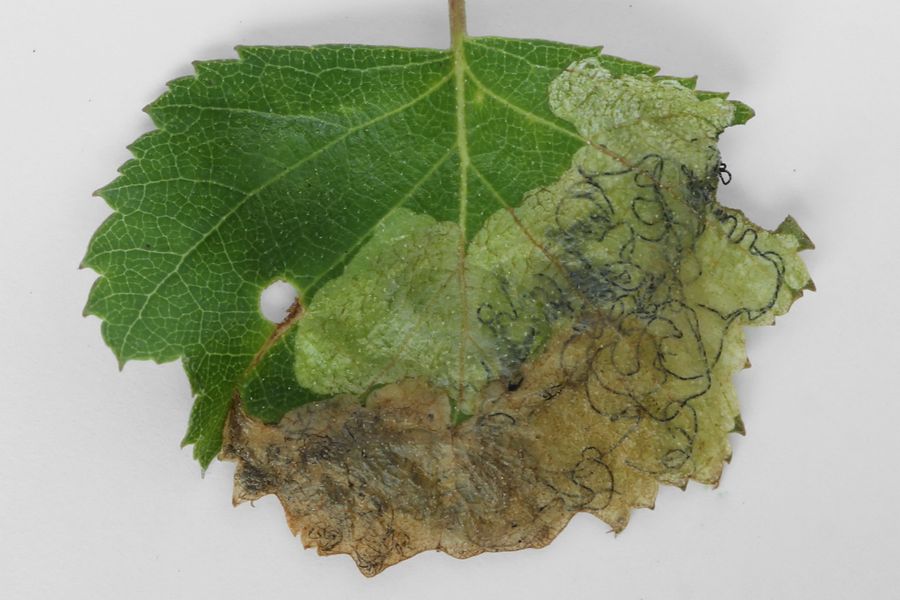
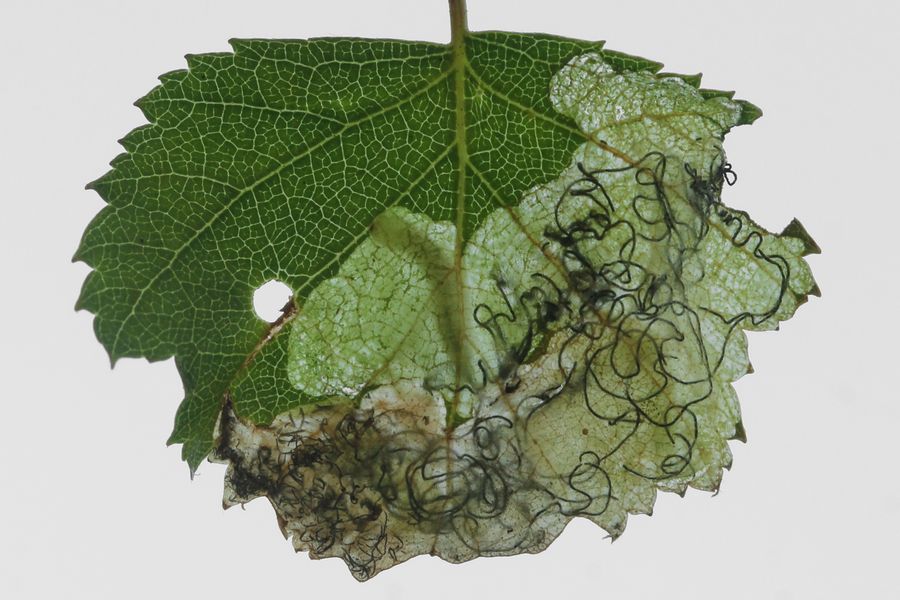
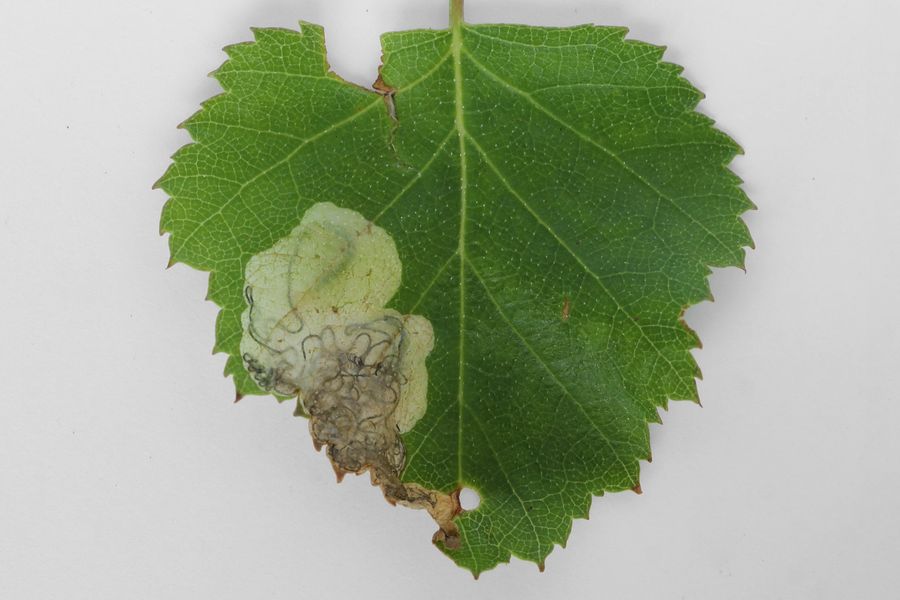
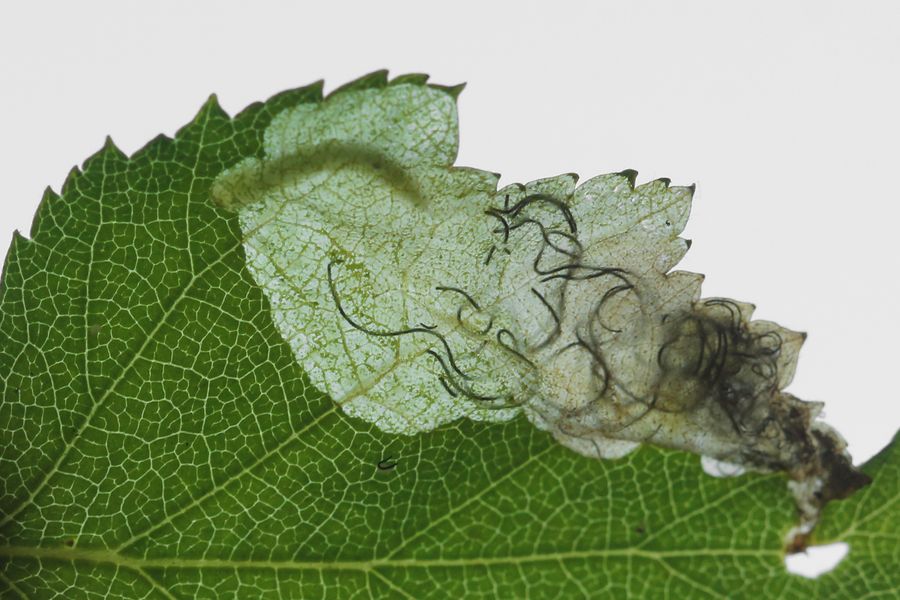
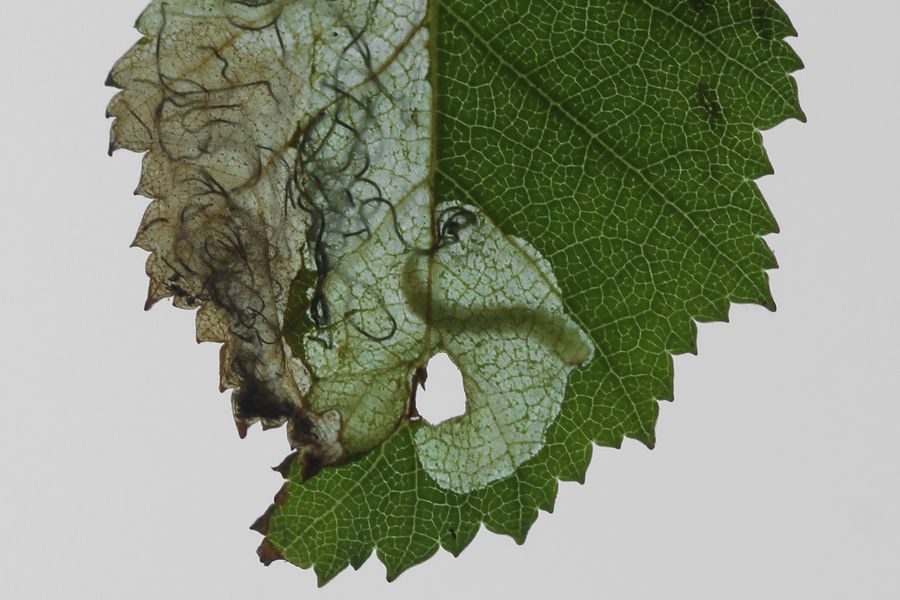
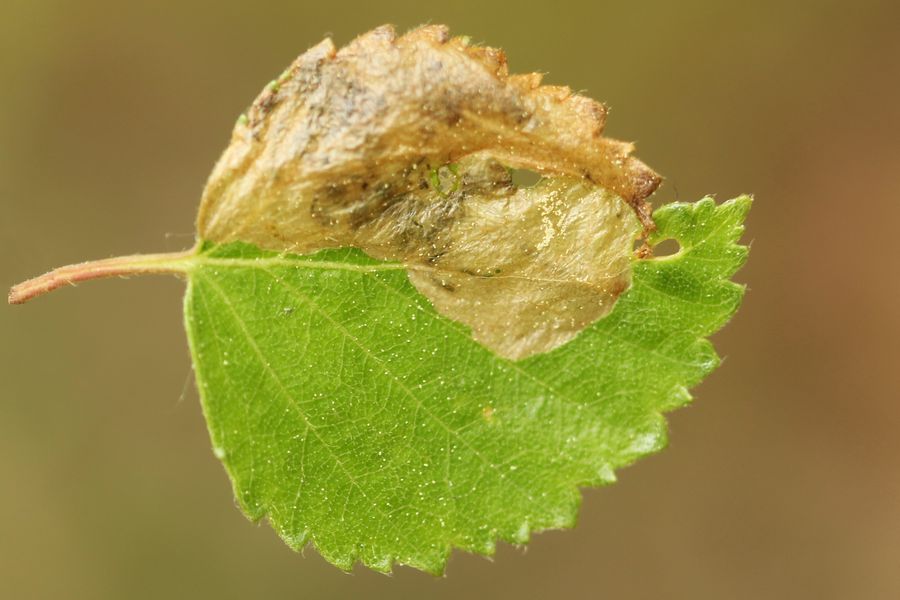
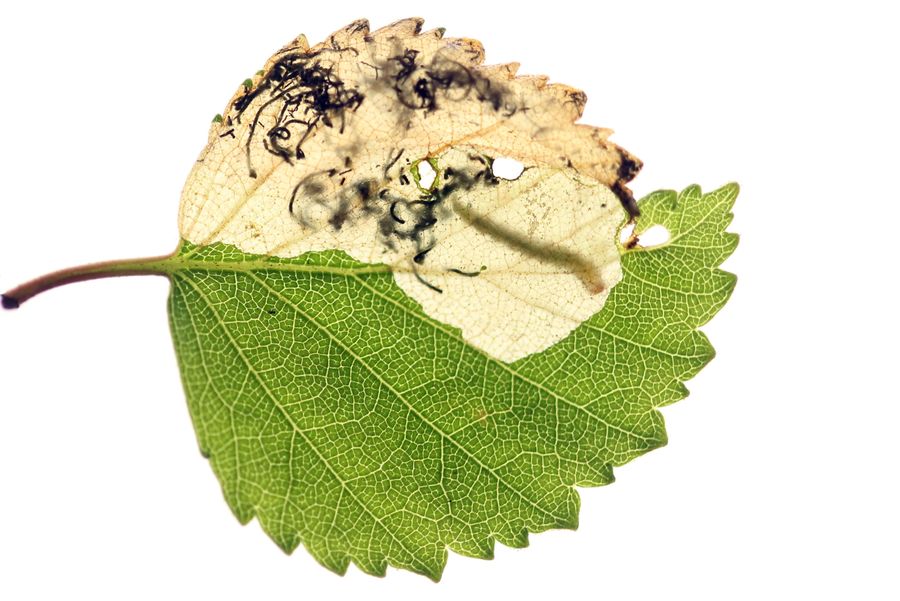
Hinweis: Die Bestimmung der Raupen- und Minenfotos aus Hagen, Nordrhein-Westfalen wird angezweifelt: [Forum].
Hinweis: Die bis zum 7. Mai 2018 hier gezeigten [Raupen- und Minenfotos] aus Barsinghausen zeigen höchstwahrscheinlich die Art Heringocrania unimaculella. Bis zur Klärung werden sie entfernt.
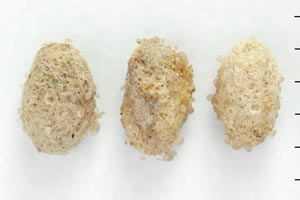
1.6. Puppe
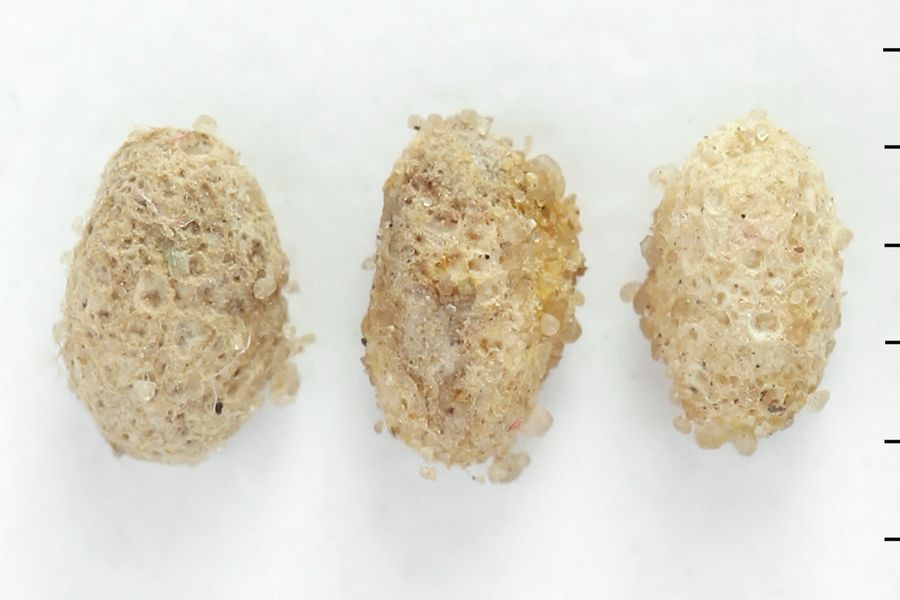
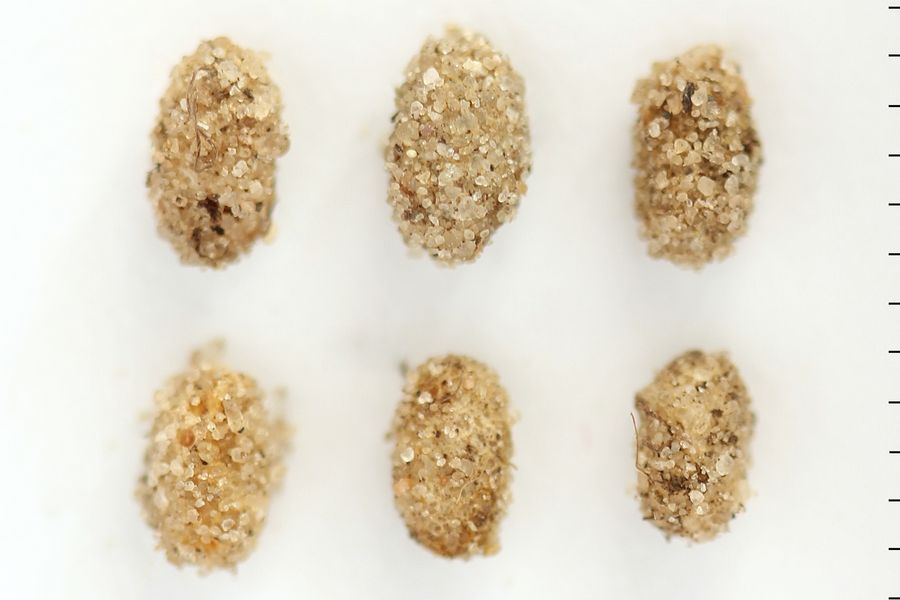
1.7. Ei
2. Diagnose
2.1. Geschlecht nicht bestimmt
2.2. Ähnliche Arten
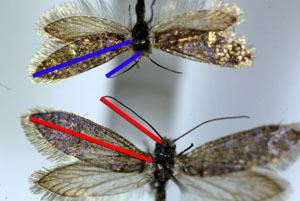
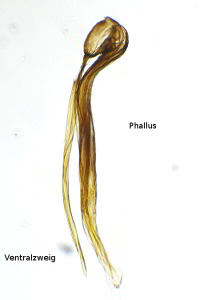
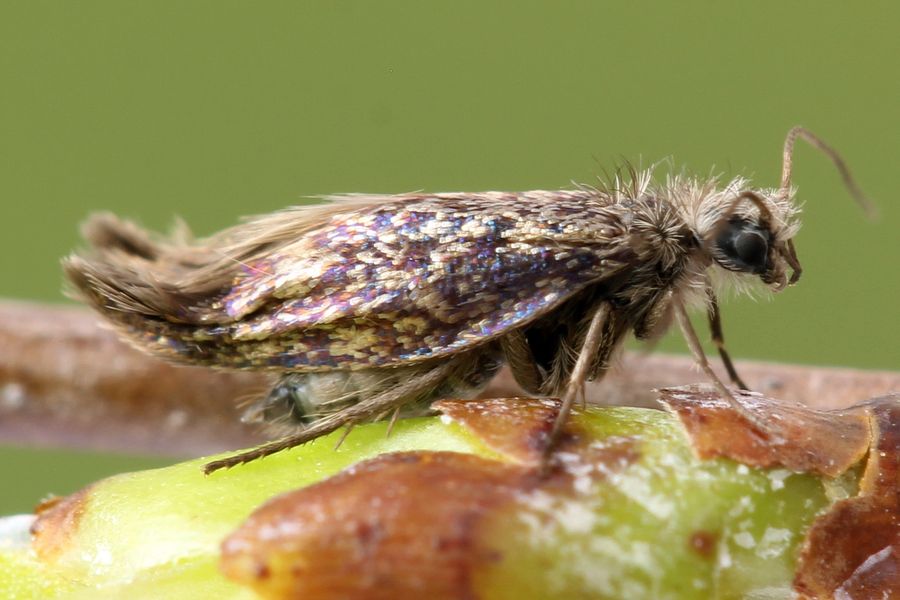
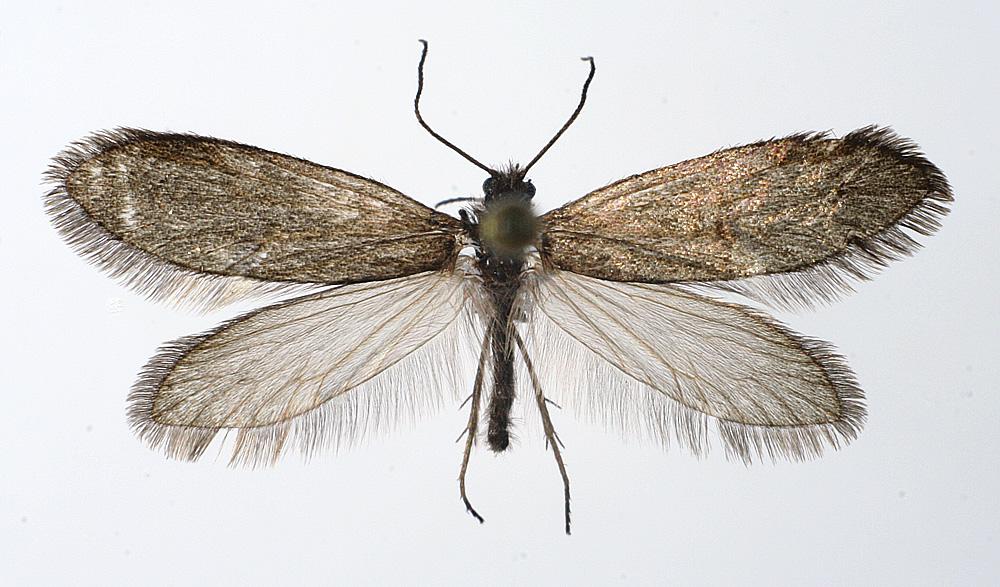
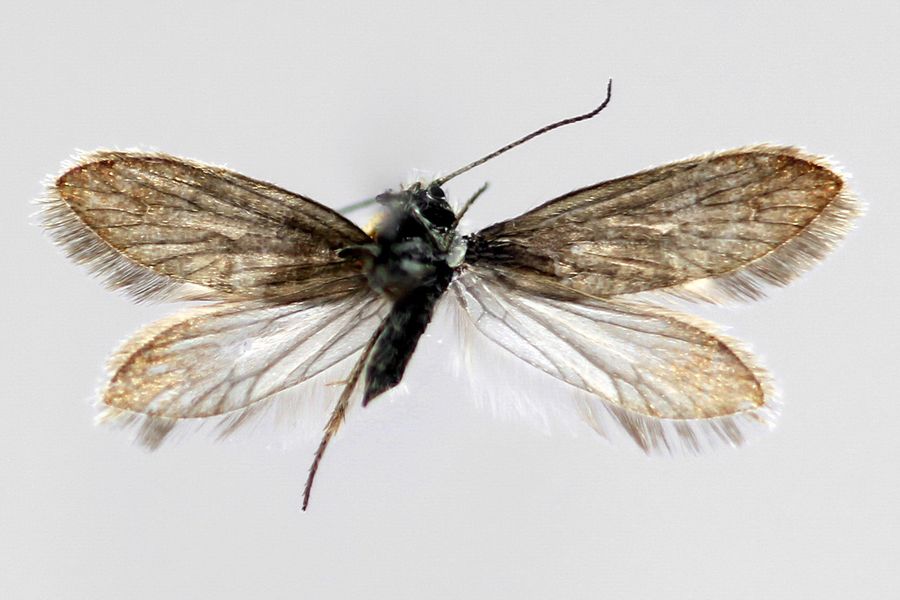
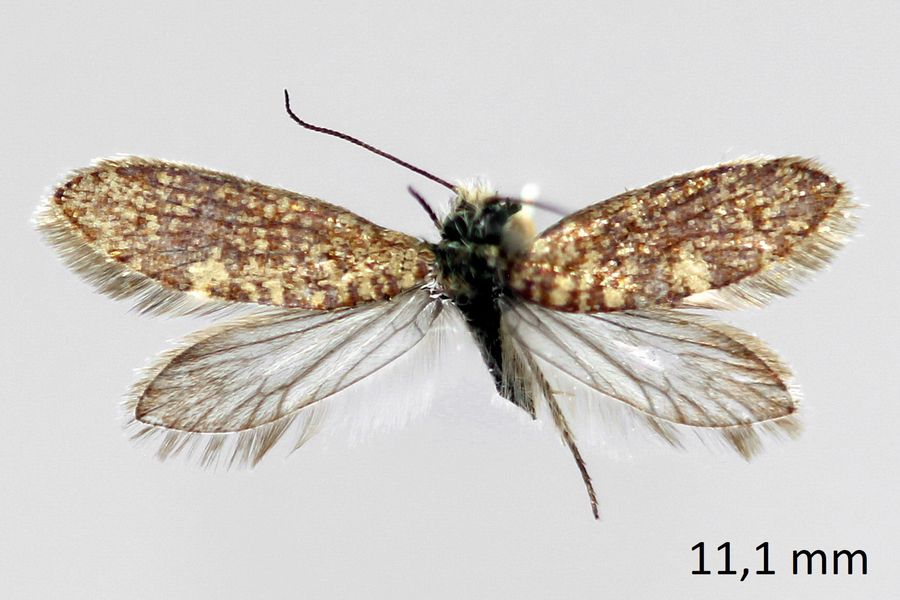
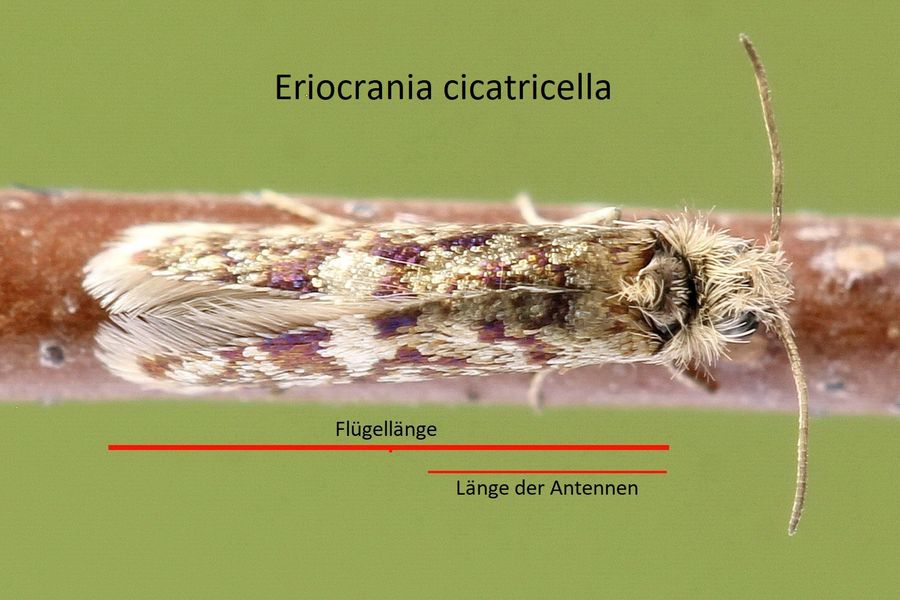
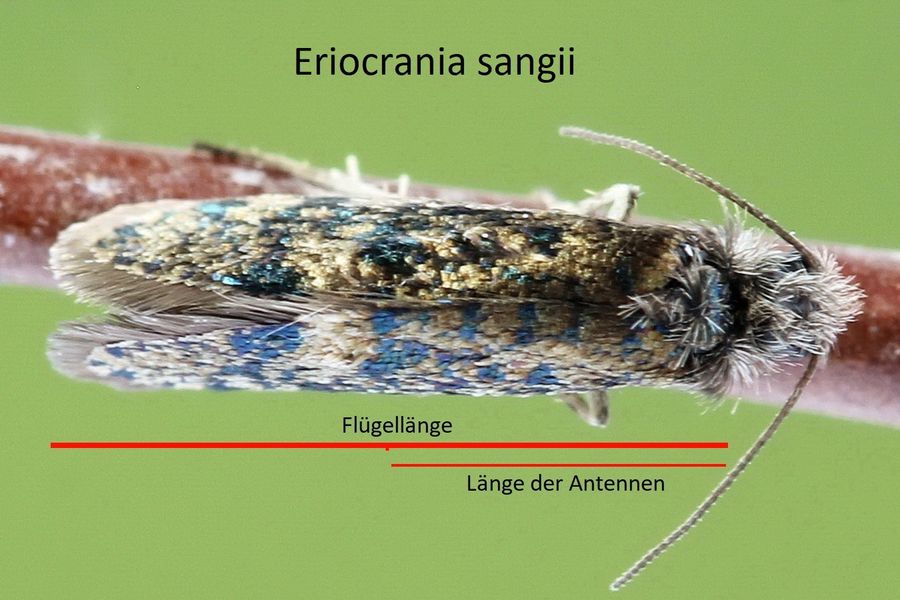
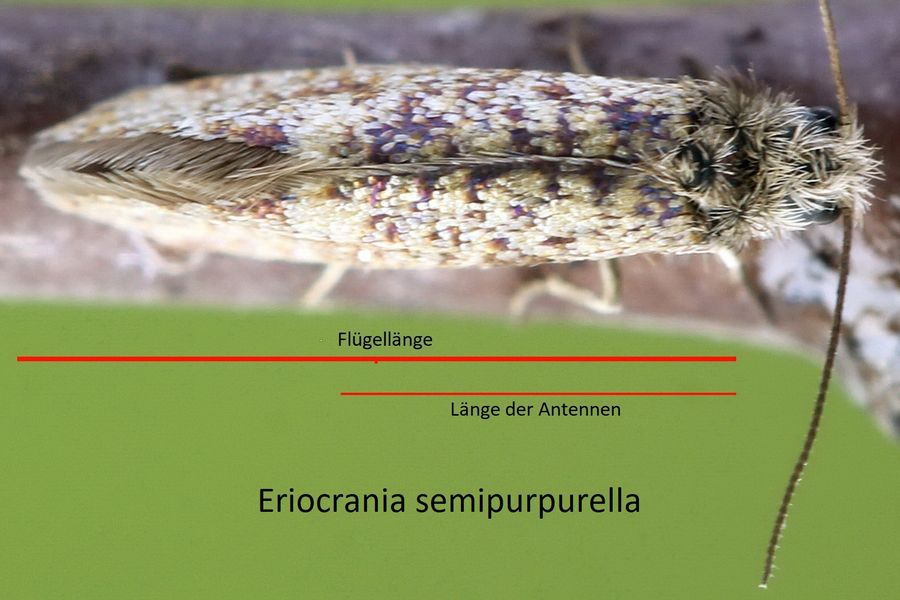
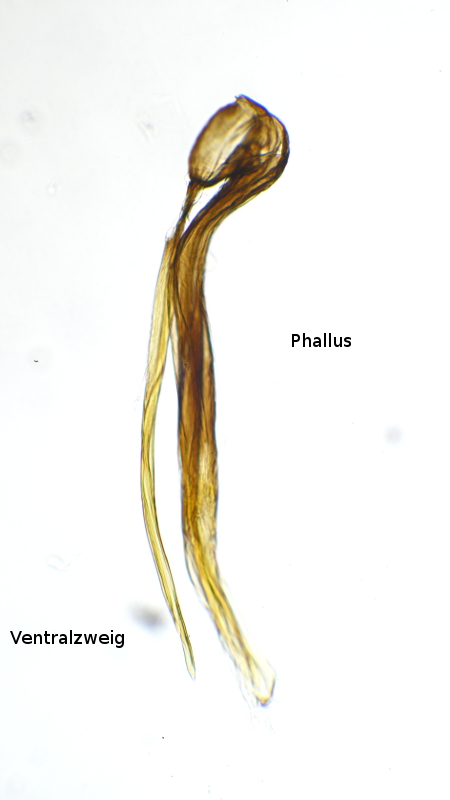
Bei den beiden sehr ähnlichen Arten Eriocrania semipurpurella und E. sangii ist eine sichere Bestimmung nur über GU möglich. [Christof Zeller im Forum].

2.3. Genitalien
2.3.1. Männchen
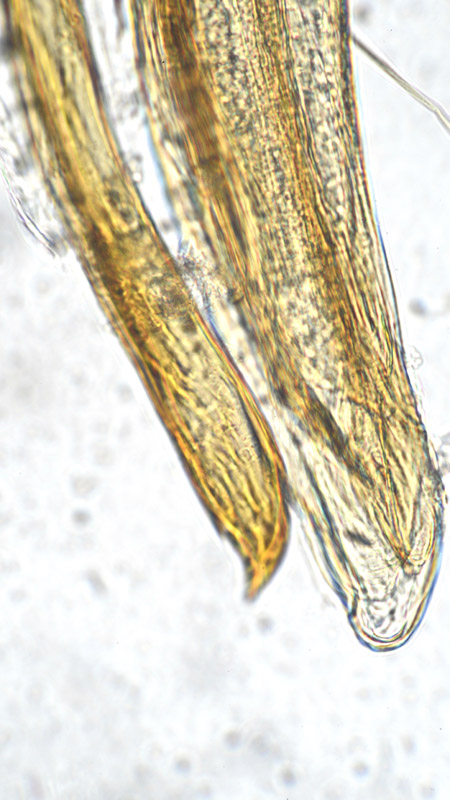


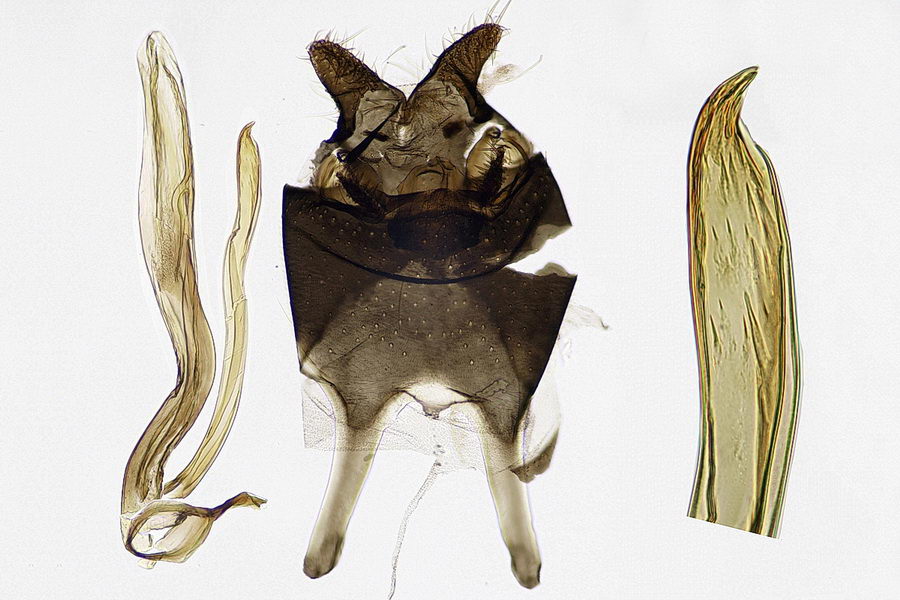

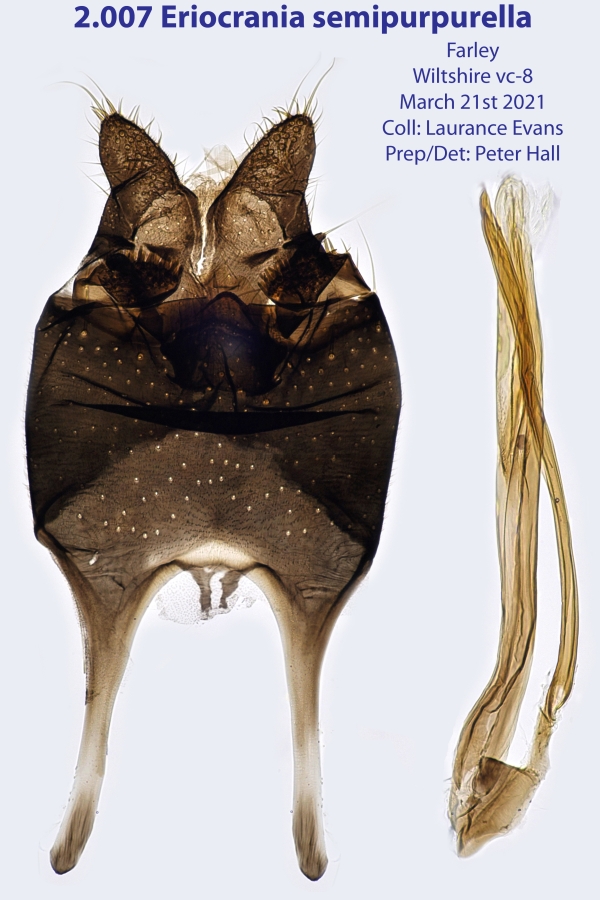
2.3.2. Weibchen
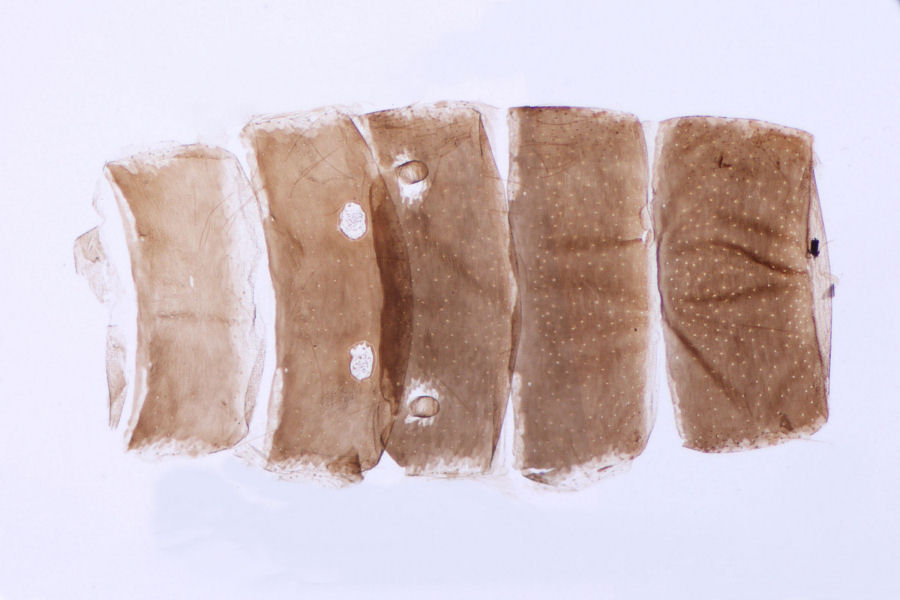
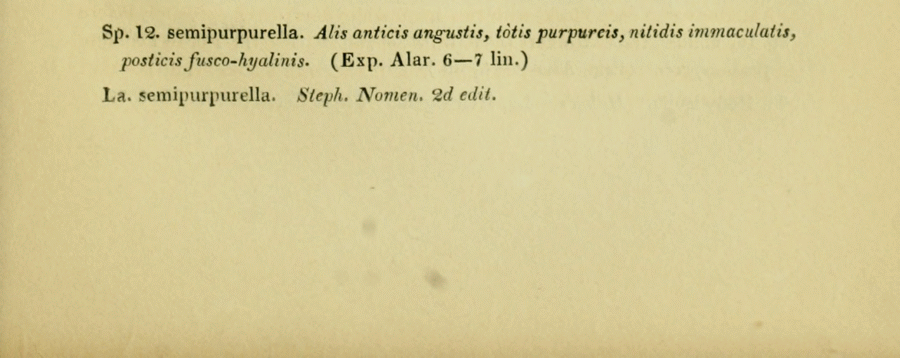
2.4. Erstbeschreibung

3. Biologie
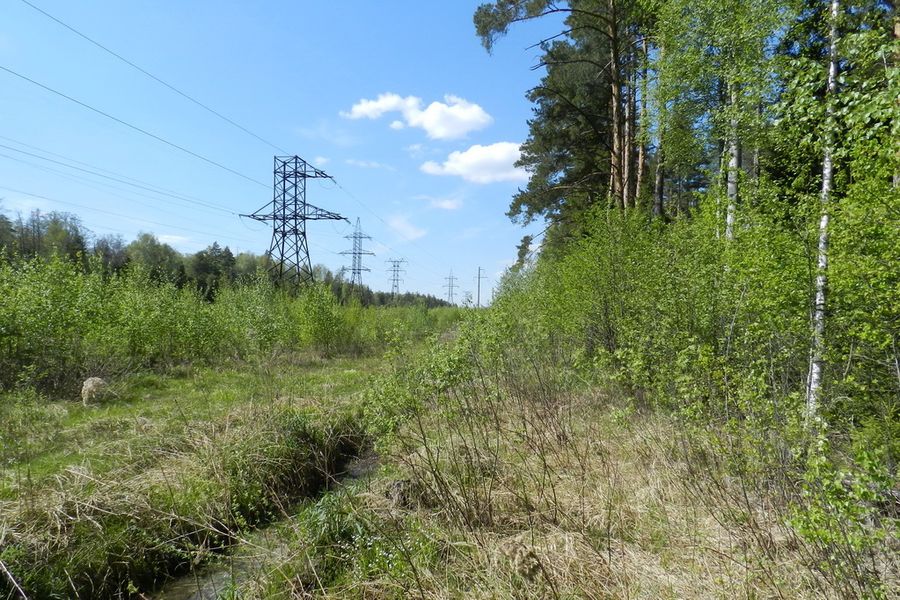
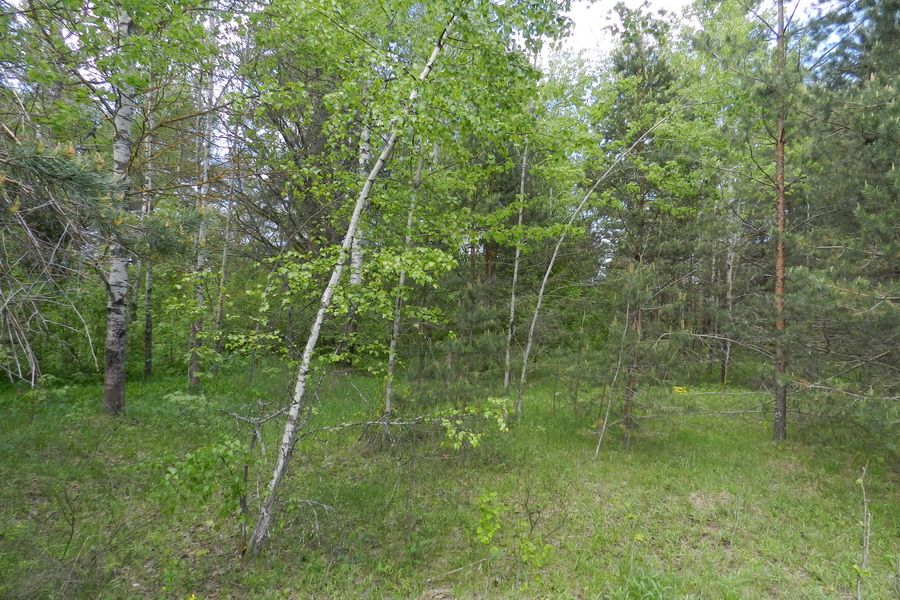
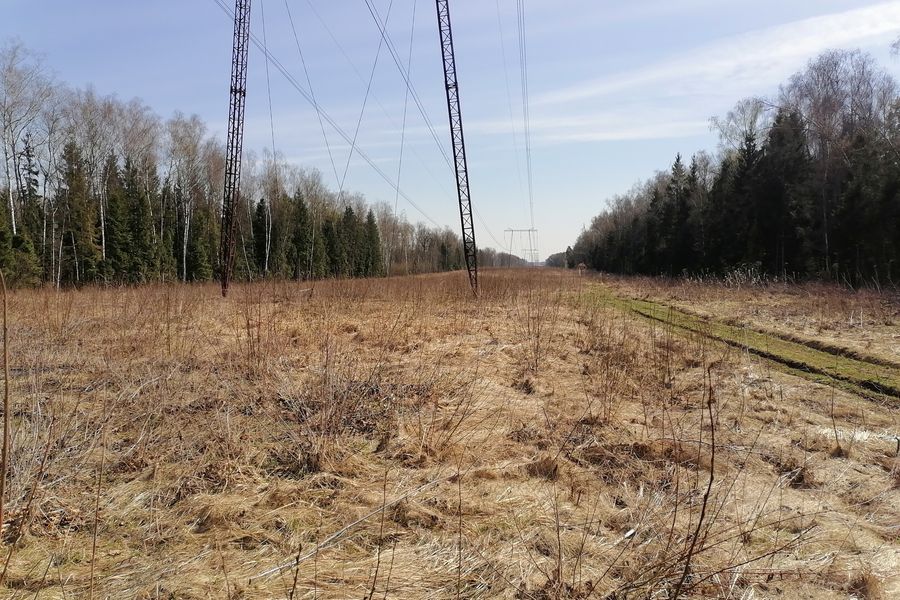
3.1. Habitat
3.2. Nahrung der Raupe
- [Betulaceae:] Betula pendula (Hänge-Birke)
- [Betulaceae:] Betula pubescens (Moor-Birke)
- [Betulaceae:] Betula platyphylla (Asiatische Weiß-Birke, Japanische Weiß-Birke)
- [Betulaceae:] Betula albosinensis (Rot-Birke, Rote China-Birke, Kupfer-Birke)
- [Betulaceae:] Betula utilis (Himalaya-Birke, Rauhaar-Birke)
- [Rosaceae:] Holodiscus discolor ? [= Spiraea discolor ?] (Wald-Schaumspiere ?)
Die Raupen minieren in Blättern von Birken, in Europa Betula pendula und Betula pubescens. Davis (1978: 62) nannte auch: ""Betula platyphylla var. japonica (Miq.) Hara," Kumata (in Litt.).". Das dürfte sich auf die später beschriebene Eriocrania sigakogenensis Inoue, Sugi, Kuroko, Moriuti & Kawabe, 1982 beziehen, deren Eigenständigkeit oder Zugehörigkeit zu E. semipurpurella nicht so ganz geklärt zu sein scheint.
Völlig aus dem Rahmen fällt die Angabe zu E. semipurpurella ssp. pacifica, zu der Davis (1978: 66) schrieb: "Six, probably immature, larvae collected from Vancouver Island, British Columbia, have been tentatively identified as this subspecies. No adults have been reared or otherwise definitely associated with these larvae; consequently, the present determination will have to remain questionable until rearings can be conducted. The specimens are of interest because they reportedly were mining the leaves of Holodiscus discolor Maxim (= Spiraea discolor). If the host identification is accurate, then these larvae represent not only the first record of an eriocraniid feeding on a member of the Rosaceae, but also a host association that is rather remote from the more typical Betulaceae-Fagaceae associations typical of the other members of Eriocraniidae. Holodiscus discolor is a woody shrub attaining a maximum height of approximately 5 to 6 meters. It occurs naturally in western North America from British Columbia south to California. The shrub is also utilized somewhat as an ornamental and, thus, may occur more widely under cultivation." Die Angabe wurde noch öfter wiederholt; ob es hier aber mittlerweile zu einer tatsächlichen Klärung kam, ist mir unbekannt.
Li et al. (2016) berichteten aus der chinesischen Region Haidong in der Provinz Qinghai über schadhaftes Auftreten der Raupen von Eriocrania semipurpurella alpina an Birken. Der Befall der Blätter der Weiß-Birke (Betula platyphylla) betrug dabei nahezu 100 %, der Blätter der Rot-Birke (Betula albosinensis) 78 % und der Rauhaar-Birke (Betula utilis immer noch 35 %.
(Autor: Erwin Rennwald)
3.3. Parasitoid


4. Weitere Informationen
4.1. Andere Kombinationen
- Lampronia semipurpurella Stephens, 1834 [Originalkombination]
4.2. Synonyme
- Eriocrania amentella (Zeller, 1850) [Synonym nach Karsholt & Razowski (1996: 300)]
- Eriocrania inconspicuella (Wood, 1890)
- Eriocrania sigakogenensis Inoue, Sugi, Kuroko, Moriuti & Kawabe, 1982 [Synonym nach funet.fi]
4.3. Unterarten
- Eriocrania semipurpurella pacifica Davis, 1978
- Eriocrania semipurpurella alpina Xu, 1990
4.4. Taxonomie und Faunistik
Das Taxon Eriocrania argyrolepidella Fuchs, 1904, ist aus Bornich in Rheinland-Pfalz beschrieben. Gaedike & Heinicke (1999) listen die "Art" mit Fragezeichen für Rheinland-Pfalz auf, verweisen aber auf den unklaren taxonomischen Status. Die Fauna Europaea nimmt das Taxon nicht auf und begründet: "As an unclarified taxon it falls outside the scope of Fauna Europaea."
Hinweis: Nach Huemer (2013: 204) handelt es sich bei E. semipurpurella um einen bisher ungeklärten Artenkomplex, der mehrere krypische Arten umfasst. Und Aarvik et al. (2017) konstatieren: "Eriocrania sangii (Wood, 1891) and E. semipurpurella (Stephens, 1835) belong to a complex containing four closely related species. Formal descriptions of the two undescribed species are still lacking."
Eriocrania semipurpurella s.l. ist holarktisch verbreitet. Davis (1978) schreibt zur nominotypischen, aus England beschriebenen ssp. semipurpurella im östlichen Nordamerika: "In North America this species is known to occur from eastern Ontario east to Nova Scotia and south to southern New York." Ob die aus Japan beschriebene Eriocrania sigakogenensis Inoue, Sugi, Kuroko, Moriuti & Kawabe, 1982 Synonym zu E. semipurpurella oder doch eigenständige Art ist, scheint noch nicht komplett geklärt zu sein.
Wegen ihrer wahrscheinlich völlig abweichenden Nahrungspflanze völlig aus dem Rahmen fällt die von Davis (1978: 63-67) beschriebene Eriocrania semipurpurella ssp. pacifica von der Ostküste der USA: "HOLOTYPE. — ♂, Seward, Alaska, 23 May 1951, W.J. Brown; in the Canadian National collection. PARATYPES. — UNITED STATES. ALASKA: Third Judicial Division: Seward: 1 ♂, 23 May 1951, W.J. Brown, slides USXM 18232, 18233 (USXM). WASHINGTON: Whatcom Co: 1 ♂, 3 ♀, 3-8 Apr 1923, J.F. Clarke, slides USNM 18070, 18256, 18257, 18258 (USNM). Described from a total of 3 males and 3 females. Other Material Examined: CANADA: British Colombia: Vancouver Island: 6 larvae, coll. B. H. Tothill, USNM slides 18237, 18260-18262, 18273 (USNM)."
(Autor: Erwin Rennwald)
4.5. Literatur
- Aarvik, L., Bengtsson, B.Å., Elven, H., Ivinskis, P., Jürivete, U., Karsholt, O., Mutanen, M. & N. Savenkov (2017): Nordic-Baltic Checklist of Lepidoptera. — Norwegian Journal of Entomology - Supplement No. 3: 1-236. [PDF auf entomologi.no]
- Davis, D.R. (1978): A Revision of the North American Moths of the Superfamily Eriocranioidea with the Proposal of a New Family, Acanthopteroctetidae (Lepidoptera). — Smithsonian Contributions to Zoology 251: i-iv, 1-131. [PDF auf repository.si.edu]
- Huemer, P. (2013): Die Schmetterlinge Österreichs (Lepidoptera). Systematische und faunistische Checkliste. — Studiohefte 12: 1-304.
- Li, T., Zeng, H., Sheng, M., Cairangdanzhou, Zhou, W. & S. Sun [李涛, 曾汉青, 盛茂领, 才让旦周, 周卫芬, 孙淑萍] (2016): Biological characteristics of Eriocrania semipurpurella alpina (Lepidoptera: eriocraniidae) and its natural enemy parasitoids [危害桦树的重要害虫——高山毛顶蛾(鳞翅目:毛顶蛾科)生物学特性及寄生性天敌昆虫]. — Scientia Silvae Sinicae [林业科学], 52 (10): 102–108. https://doi.org/10.11707/j.1001-7488.20161013. [zum PDF-Download auf linyekexue.net]
- SCHÜTZE (1931): 66
- Erstbeschreibung: Stephens, J. F. (1834): Illustrations of British Entomology; or, a Synopsis of Indigenous Insects: Containing their Generic and Specific Distinctions; with an Account of their Metamorphoses, Times of Appearance, Localities, Food, and Economy, as Far as Practicable. Haustellata 4: 1-434 + pl. 33-41.
- Xu, Z.-G., Xiao, H.-L. & X.-H. Liu (1990): A new subspecies of the genus Eriocrania and its bionomics (Lep.: Eriocraniidae). — Acta Entomologica Sinica, 33: 351–354. [Sekundärzitat]
- Beschreibung als Micropteryx amentella: Zeller, P. C. (1850): Verzeichniss der von Herrn Jos. Mann beobachteten Toscanischen Microlepidoptera. — Entomologische Zeitung 11: (2) 59-64, (4) 134-136, (5) 139-162, (6) 195-212. Stettin. [Digitalisat auf biodiversitylibrary.org]
- Zhang, X., Feng, W. & Q. Hou (2026): The complete mitogenome of Eriocrania semipurpurella alpina Xu, 1990 (Lepidoptera: Eriocraniidae). — Mitochondrial DNA Part B: Resources, 11 (1): 201–204. https://doi.org/10.1080/23802359.2025.2609369. [PDF auf tandfonline.com] bzw. [zum PDF-Download auf researchgte.net]