+64Kontinente:EUASAFNAMAKI


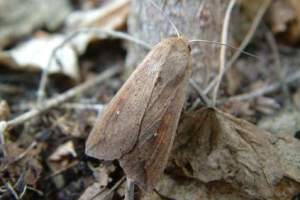
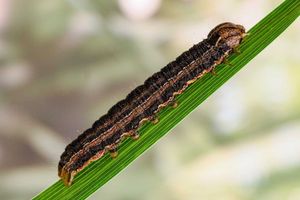
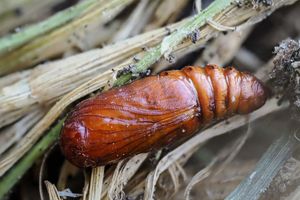



1. Lebendfotos
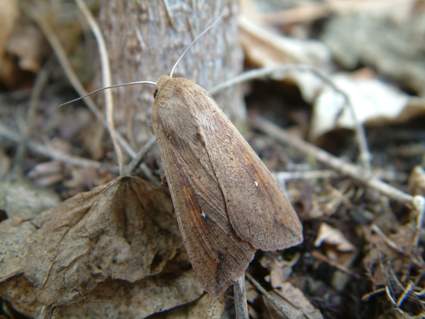
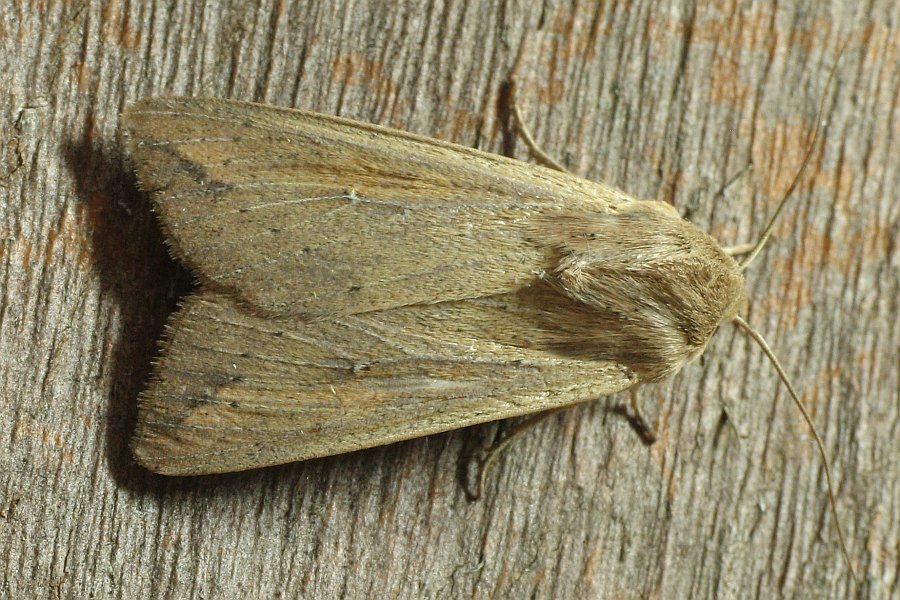
1.1. Falter




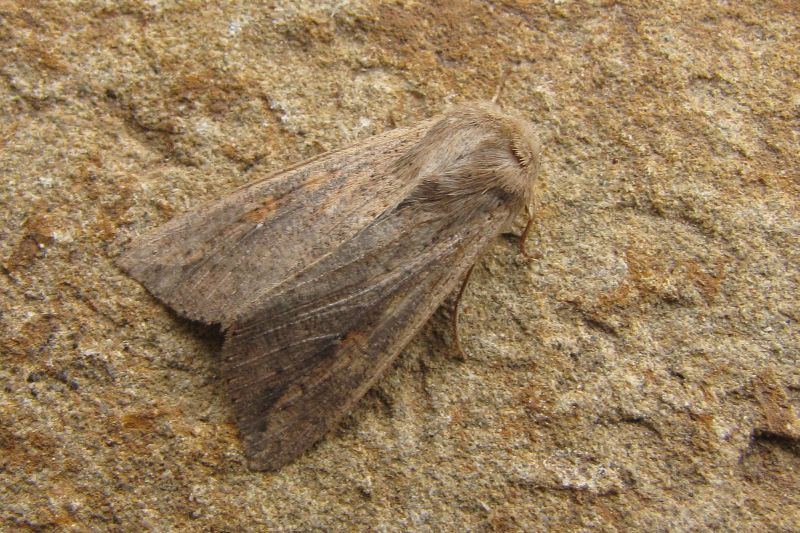

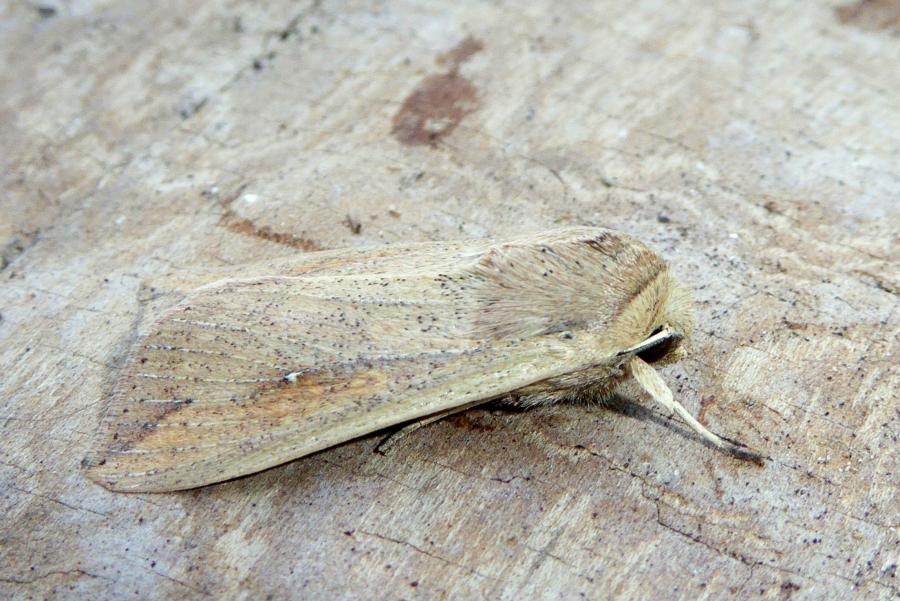


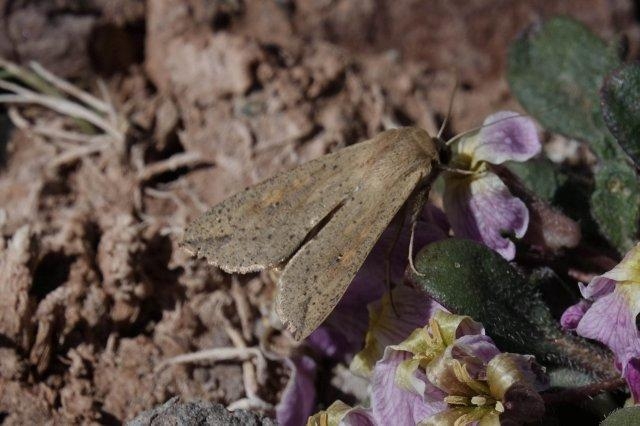

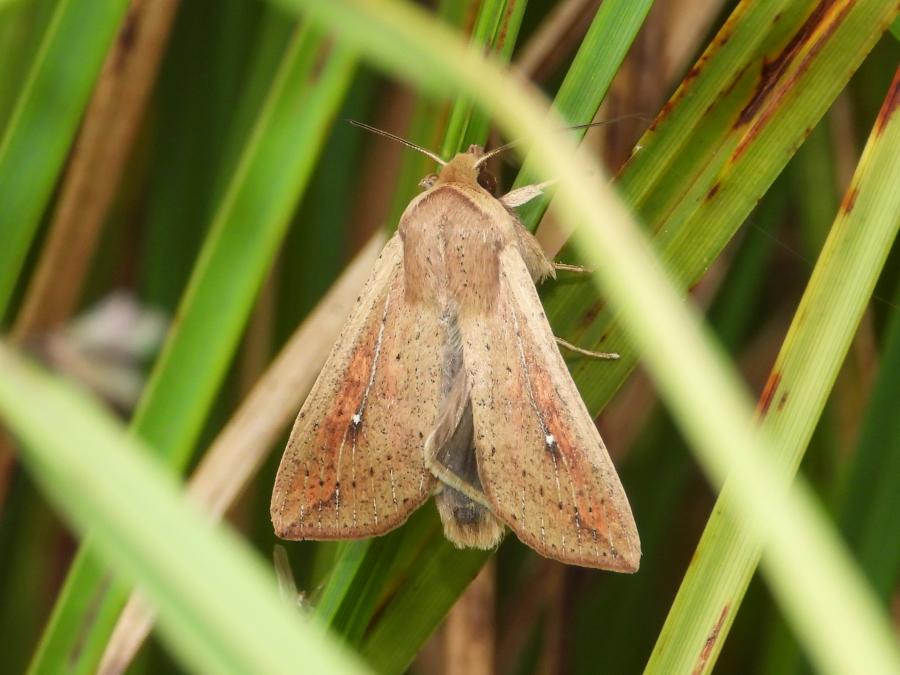

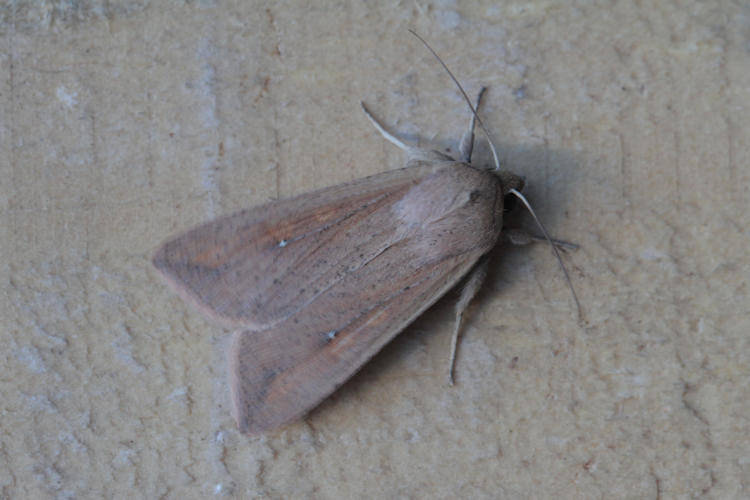
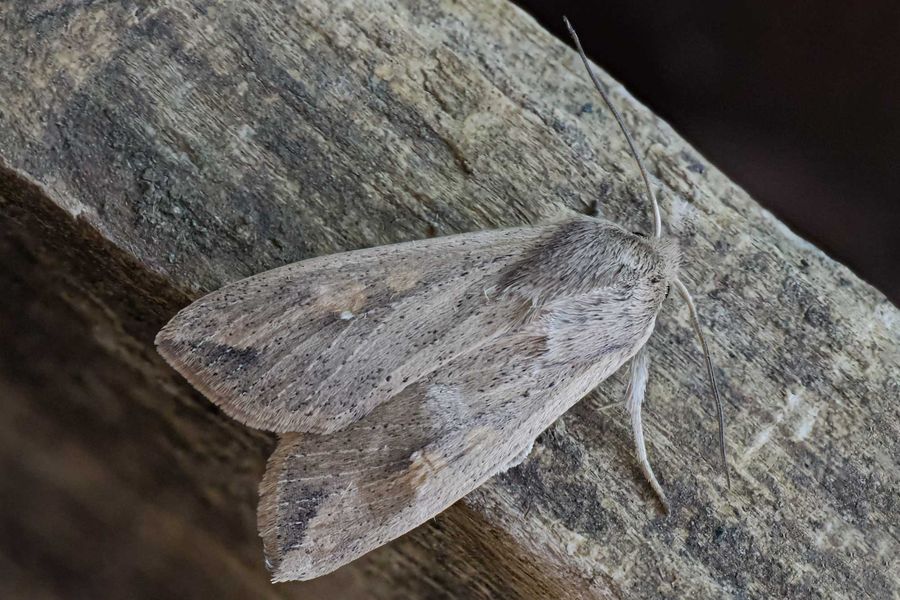
1.2. Ausgewachsene Raupe
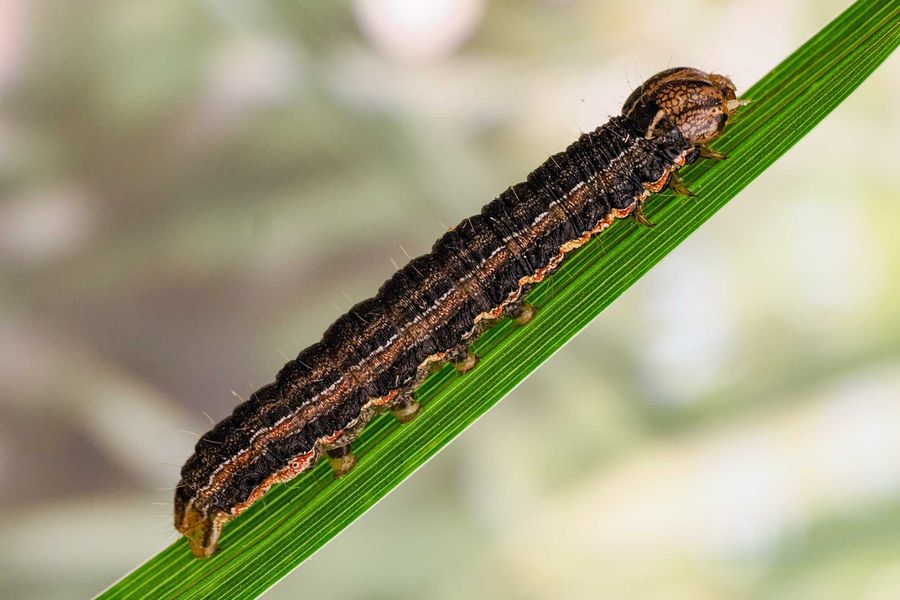
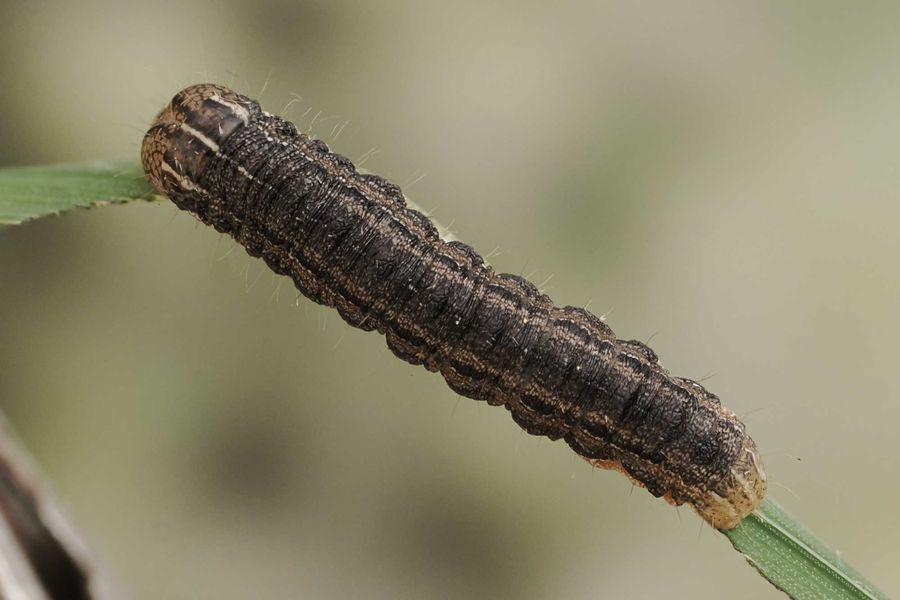
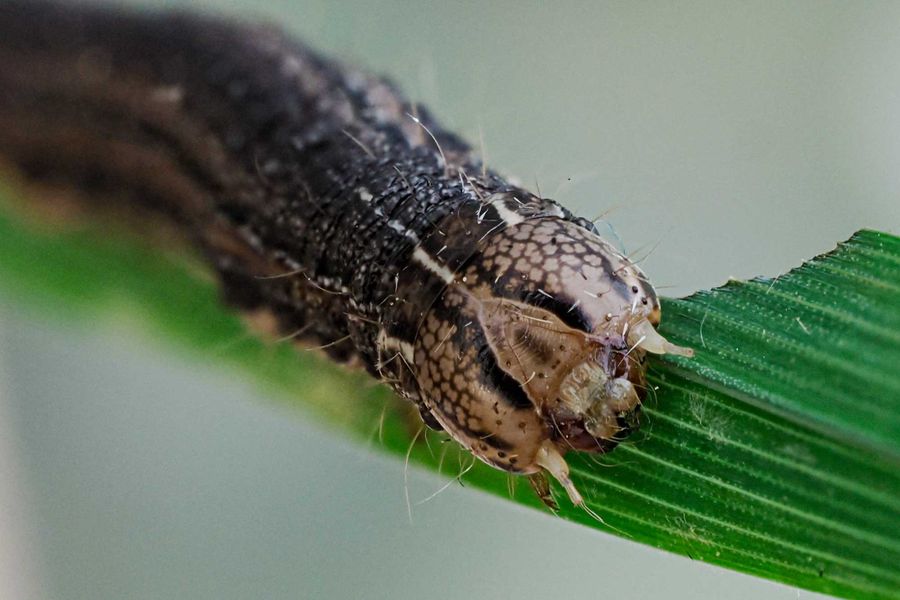

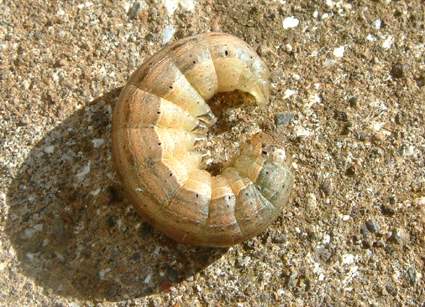
1.3. Puppe
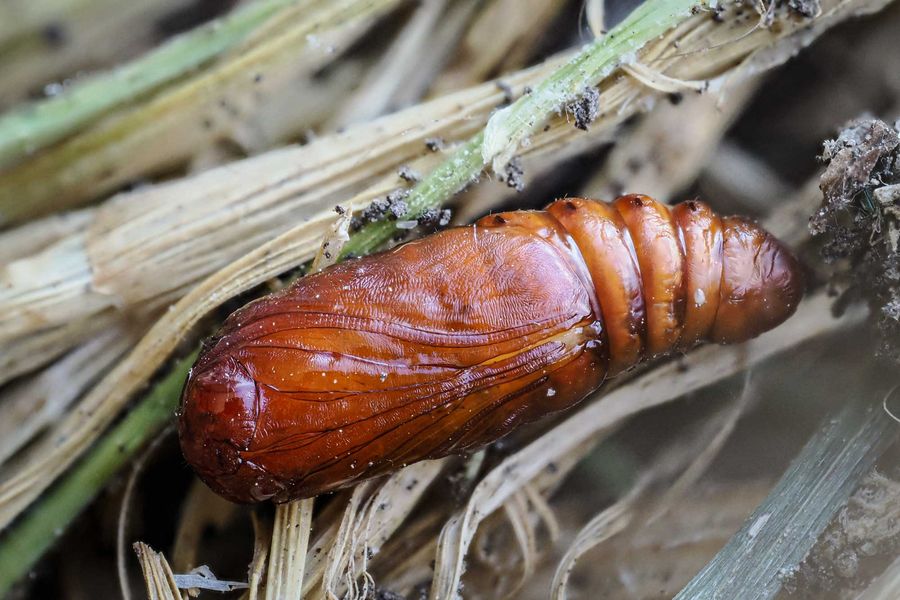
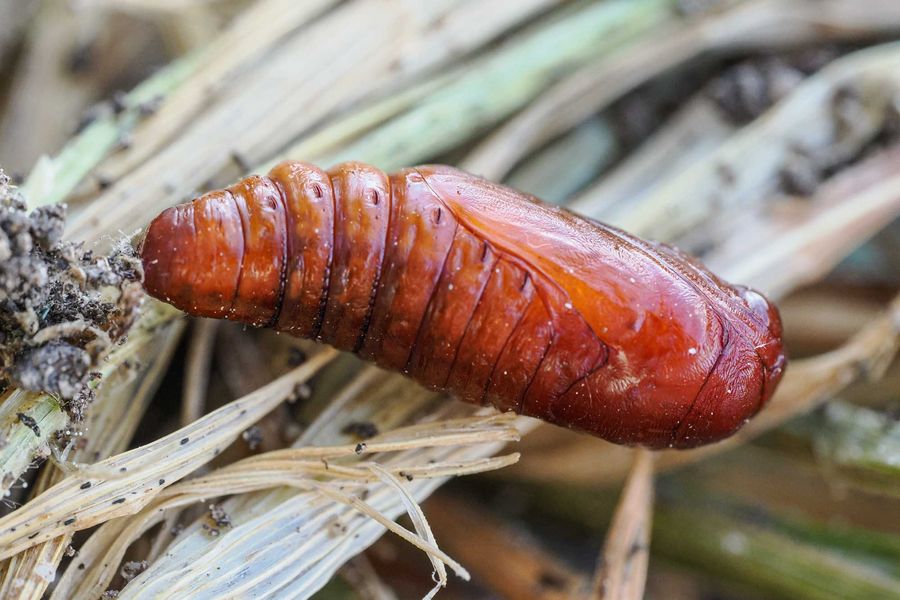
2. Diagnose
2.1. Männchen


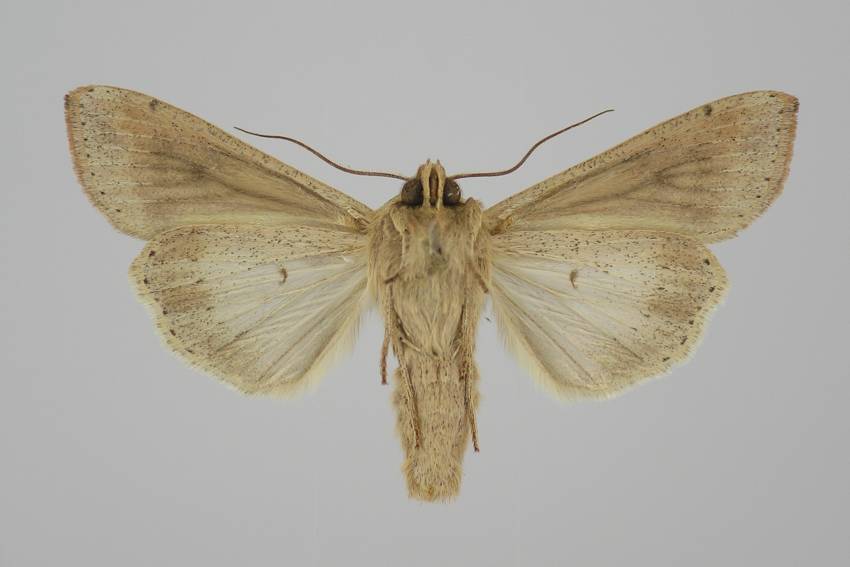


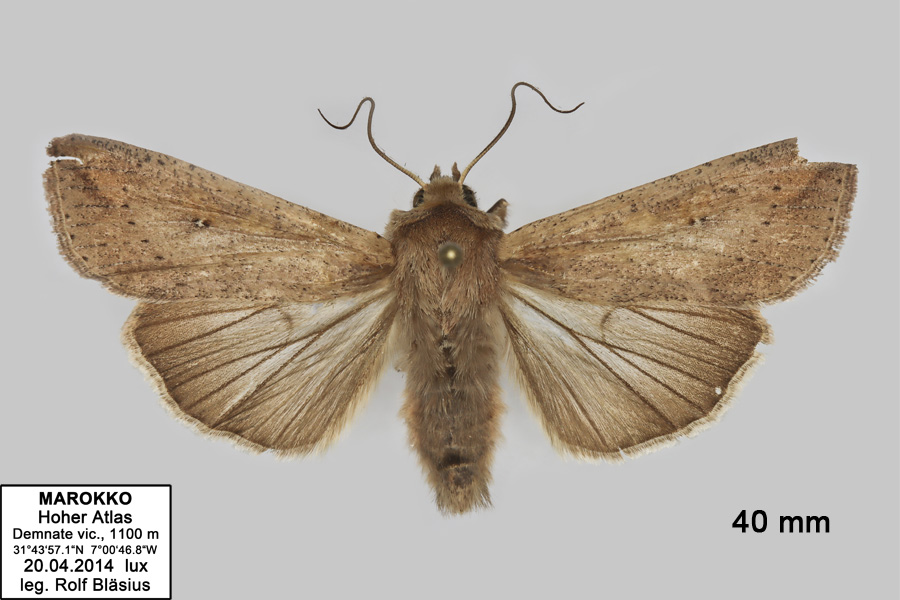
2.2. Weibchen

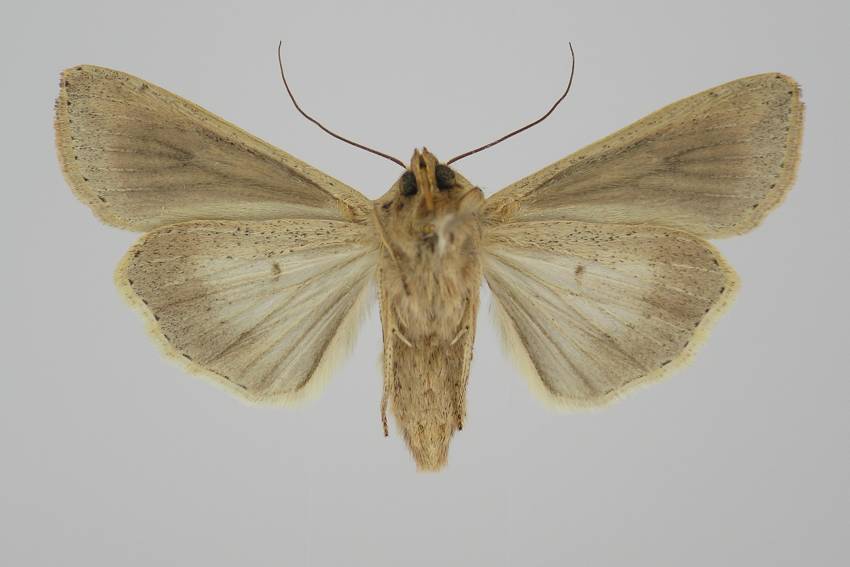

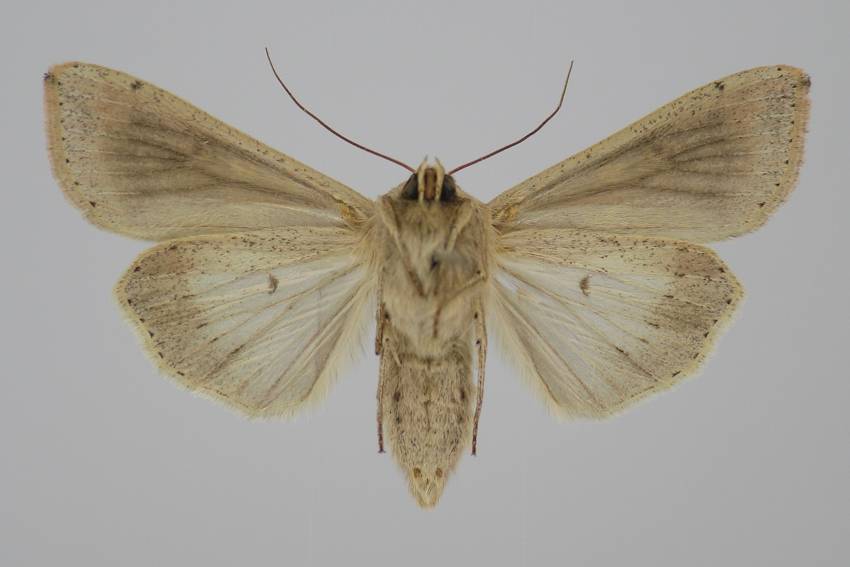
2.3. Ähnliche Arten
Merkmale zur Unterscheidung von den ähnlichen Arten Mythimna ferrago und M. albipuncta finden sich im diesem [Beitrag].
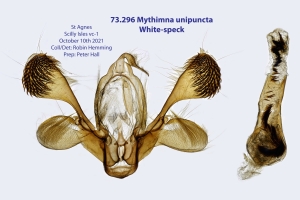
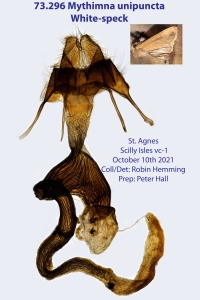
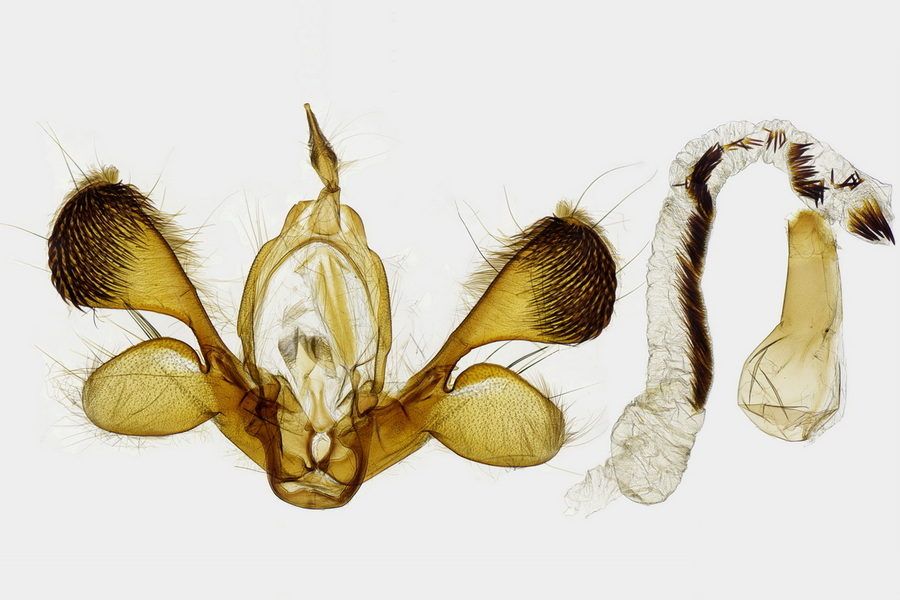
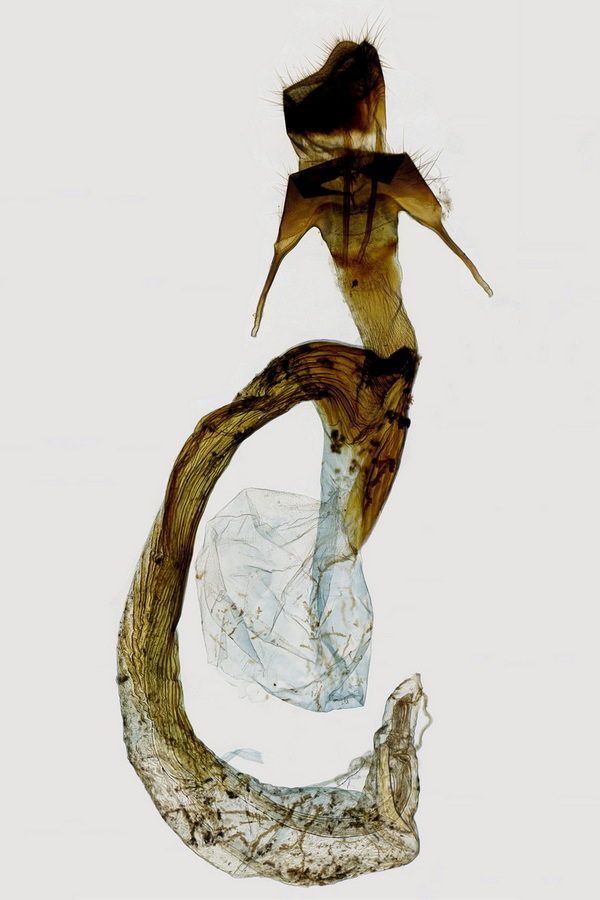
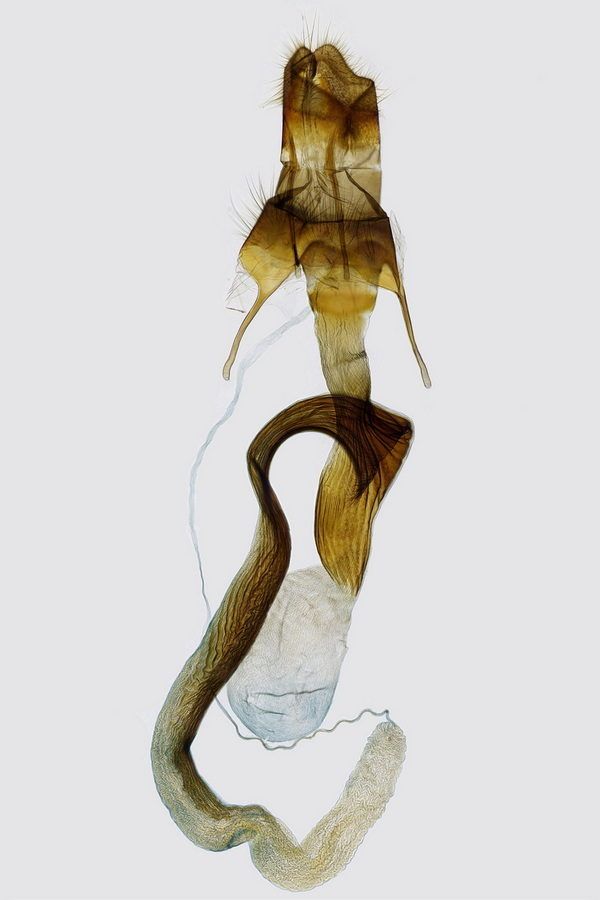
2.4. Genitalien
2.4.1. Männchen

2.4.2. Weibchen

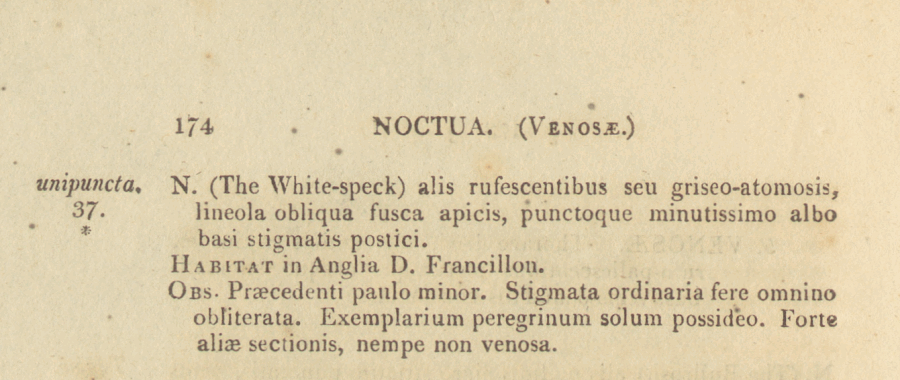
2.4.3. Erstbeschreibung
3. Biologie
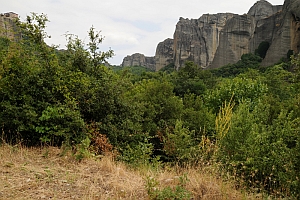
3.1. Habitat




4. Weitere Informationen
4.1. Etymologie (Namenserklärung)
(die mit einem Punkt).
4.2. Andere Kombinationen
- Noctua unipuncta Haworth, 1809 [Originalkombination]
- Leucania unipuncta (Haworth, 1809)
- Mythimna unipuncta (Haworth, 1809) [bis Nedumpally et al. (2025) übliche Kombination]
4.3. Synonyme
- Leucania extranea Guenée, 1852
- Leucania antica Walker, 1856
4.4. Unterarten
- Pseudaletia unipuncta quechua Franclemont, 1951
- Pseudaletia unipuncta tseki (Koutsaftikis, 1974)
4.5. Taxonomie
Nedumpally et al. (2025: 17-18) kamen in ihrer umfangreichen genetischen Studie - unter Einbeziehung diverser Gene der Kern-DNA - zum Schluss, dass die bisherige Untergattung Pseudaletia als Gattung näher an Leucania als an Mythimna steht und jetzt wieder - wie von Franclemont (1951: 64) beschrieben, als eigenständige Gattung aufzufassen ist: "Pseudaletia Franclemont, 1951 (type species: Noctua unipuncta Haworth, 1809) as sister to the rest of the Mythimna–Leucania-complex with maximum statistical support (Figure 5). This genus was represented in our analysis by Leucania separata Walker, 1865, (Figure 6g) which is an eastern Palaearctic–Oriental twin species of the widespread pest P. unipuncta (Haworth, 1809). A similar position for Pseudaletia (represented by L. separata) was recently shown also by Martinez et al. (2024). Hacker et al. (2002) treated the group in question as genus Mythimna, subgenus Pseudaletia, but the phylogenomic results of our study and Martinez et al. (2024) are clearly conflicting with this treatment. We thus upgrade Pseudaletia to full genus (stat. rev.) again, as it has been treated as such earlier and widely morphologically corroborated (e.g., Franclemont, 1951; Zilli & Di Giulio, 1996), and extensively used in the applied literature on these pest species. Regarding the taxa studied in the current article, moving L. separata to Pseudaletia results in a combination Pseudaletia separata (Walker, 1865) (comb. rev.)."
(Autor: Erwin Rennwald)
4.6. Publikationsjahr der Erstbeschreibung
Wir übernehmen hier die von Heppner (1982) angegebenen Publikationsjahre.
4.7. Literatur
- Bettag, E. (1964): Mythimna unipuncta, neu für die Pfalz (Lep., Noctuidae). — Entomologische Zeitschrift 74 (13): 152. Ex libris Jürgen Rodeland.
- Falcon-Brindis, A. & R.T. Villanueva (2025): A battle of armies: massive attack of natural enemies to the true armyworm Mythimna unipuncta (Haworth, 1809) (Lepidoptera: Noctuidae) in forage crops. — Insecta Mundi, 1130: 1-13. [zum PDF-Download auf drive.google.com]
- Franclemont, J.G. (1951): The species of the Leucania unipuncta group, with a discussion of the generic names for the various segregates of Leucania in North America (lepidoptera, Phalaenidae, Hadeninae). — Proceedings of the Entomological Society of Washington, 53: 57–85. [Digitalisat auf biodiversitylibrary.org]
- Erstbeschreibung: Haworth, A. H. (1803-1828): Lepidoptera britannica; sistens digestionem novam insectorum lepidopterorum quæ in Magna Britannia reperiuntur, larvarum pabulo, temporeque pascendi; expansione alarum; mensibusque volandi; synonymis atque locis observationibusque variis: I-XXXVI, 1-609. Londini (R. Taylor). — Digitalisat von Google Books auf www.archive.org: [174].
- Heppner, J. B. (1982): Dates of selected Lepidoptera literature for the western hemisphere fauna. — Journal of the Lepidopterologists' Society 36 (2): 87-111.
- Kintzl, W. (1982): Einige Anmerkungen zum Wanderverhalten von Mythimna unipuncta (Lep.: Noctuidae). — Entomologische Zeitschrift 92 (6): 78-80. Ex libris Jürgen Rodeland.
- Nedumpally, V., Zilli, A., Yapar, E., Tammaru, T., Lemmon, A.R. & E. Õunap (2025): Elaborating the phylogeny of Noctuidae by focusing on relationships between northern European taxa. — Systematic Entomology. 2025;e70010: 1-25. https://doi.org/10.1111/syen.70010.