In Europa nicht etabliert (Verschleppungen nach GB, DK, CZ)!
Länder:

 +9Kontinente:EUAS
+9Kontinente:EUAS


Neues Layout der Navigation (Beta Test)
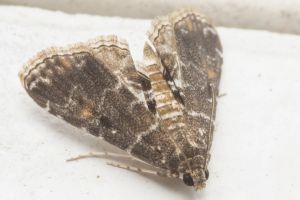
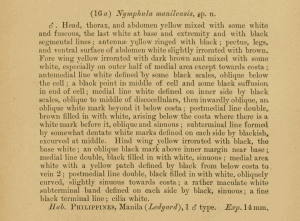
1. Lebendfotos
1.1. Falter
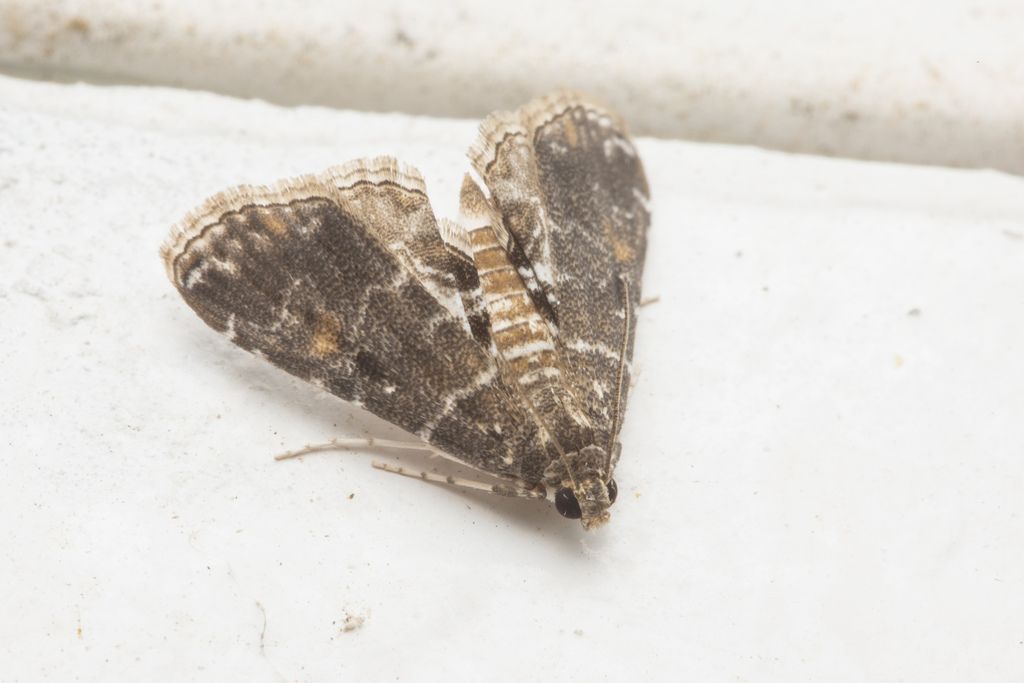
1: Singapur, 9. Juni 2020 (Foto: in [iNaturalist] publizierter Fund von budak; Format redaktionell angepasst [CC BY-NC])
2. Diagnose
2.1. Erstbeschreibung
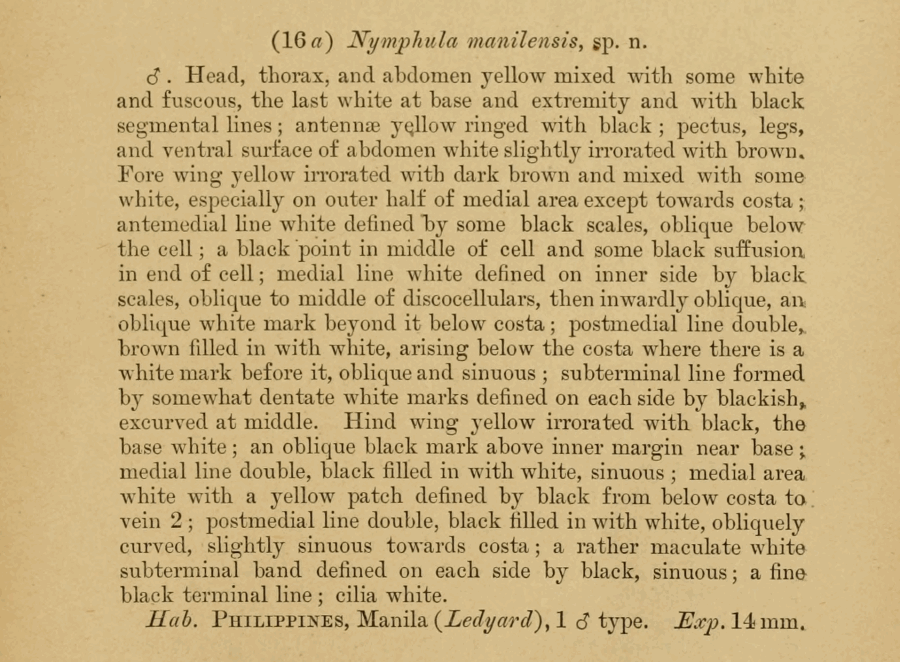
1: Hampson (1917: 369) [nach Copyright-freiem Scan auf www.biodiversitylibrary.org]
3. Weitere Informationen
3.1. Andere Kombinationen
- Nymphula manilensis Hampson, 1917 [Originalkombination]
3.2. Verbreitung
Goater (1986) berichtet: "Discovered in 1978 in greenhouses at Enfield. A native of the Far East, recorded from India, Burma, Thailand, the Philippines, and throughout Malaysia and Borneo, though, not, apparently, from Sri Lanka." Goater et al. (2005) informieren: "Found in Great Britain and in Denmark (Agassiz, 1978: [1]22). Native to the Oriental Region."
Mit einer Etablierung im europäischen Freiland ist angesichts des natürlichen Verbreitungsgebiets der Art nicht zu rechnen.
(Autor: Erwin Rennwald)
3.3. Literatur
- Agassiz, D. (1978): Five introduced species, including one new to science, of China Mark Moths (Lepidoptera: Pyralidae) new to Britain. — Entomologist's Gazette 29: 117-127, pl. 7.
- Goater, B. (1986): British Pyralid Moths. A guide to their identification. — 1-175 + 8 colour plates (Colchester: Harley Books).
- Goater, B., Nuss, M. & Speidel, W. (2005): Pyraloidea I (Crambidae: Acentropinae, Evergestinae, Heliothelinae, Schoenobiinae, Scopariinae). - In: Huemer, P. & Karsholt, O. (Hrsg.): Microlepidoptera of Europe 4: 1-304.
- Erstbeschreibung: Walker, F. (1859): List of the specimens of lepidopterous insects in the collection of the British Museum. Part XVII. Pyralides. 251-508. London.