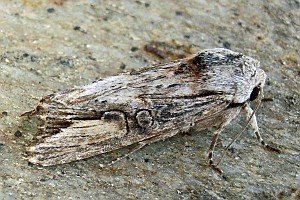
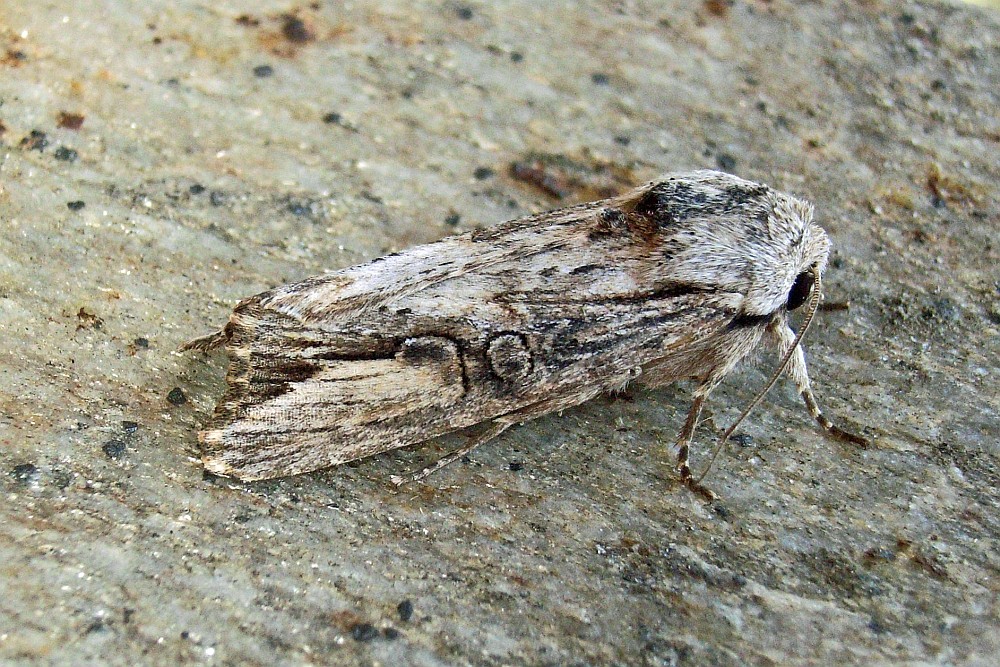
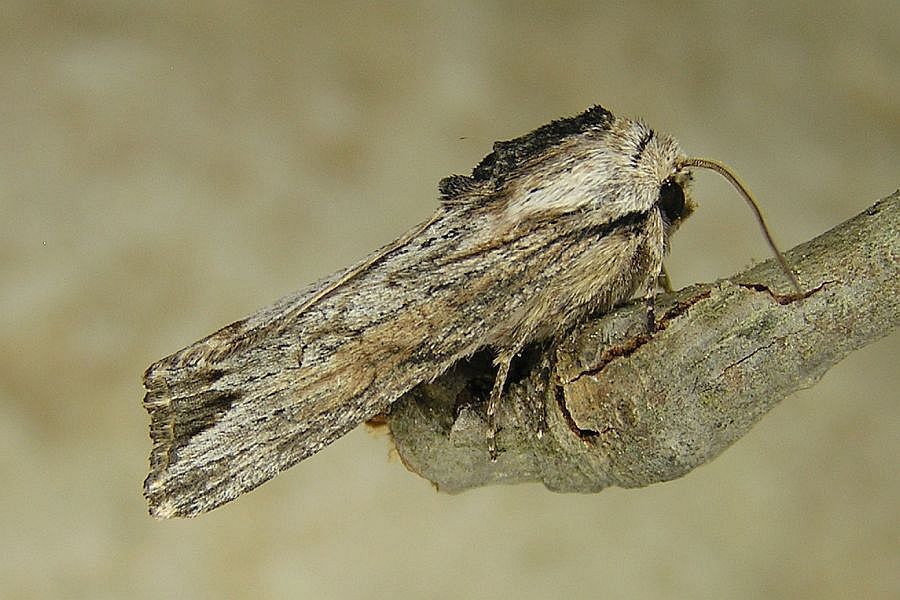
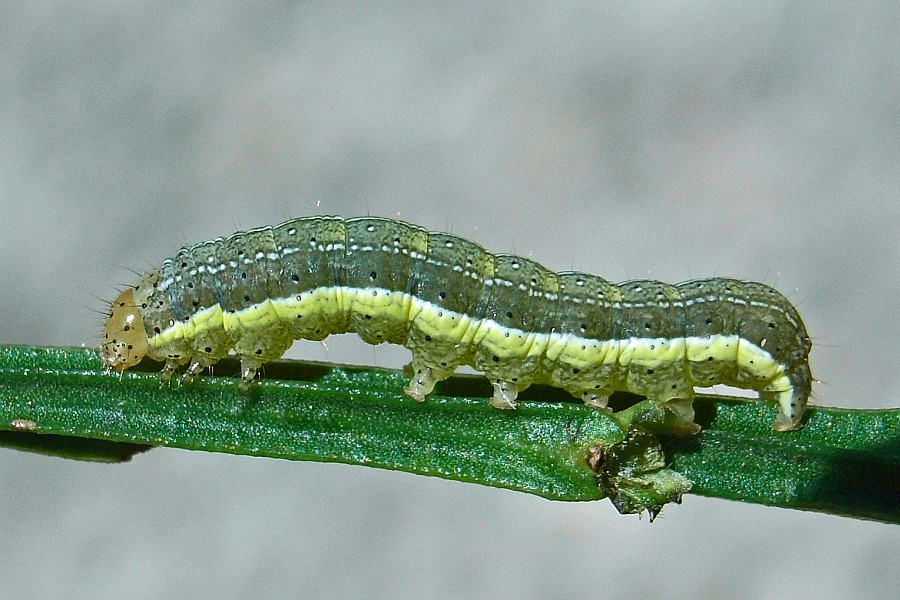
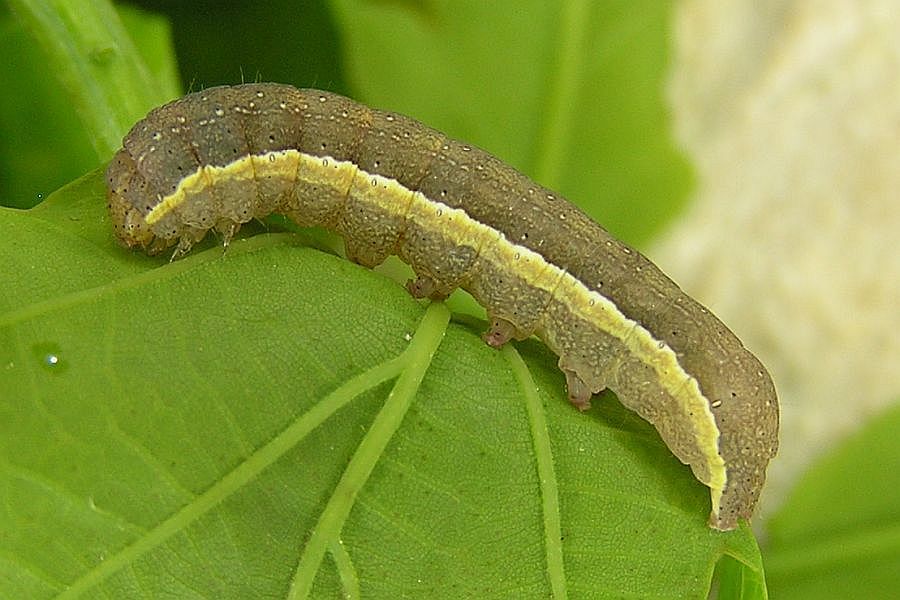
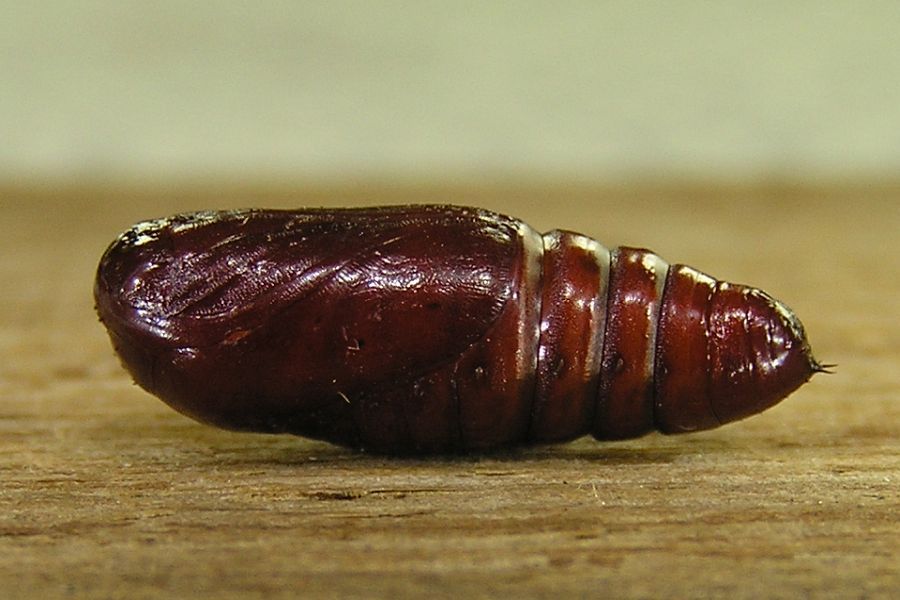
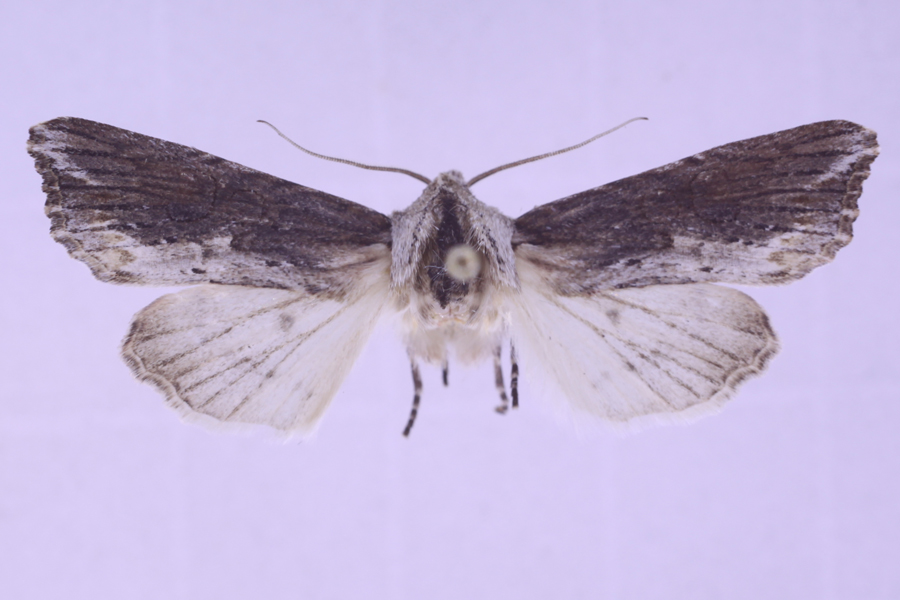
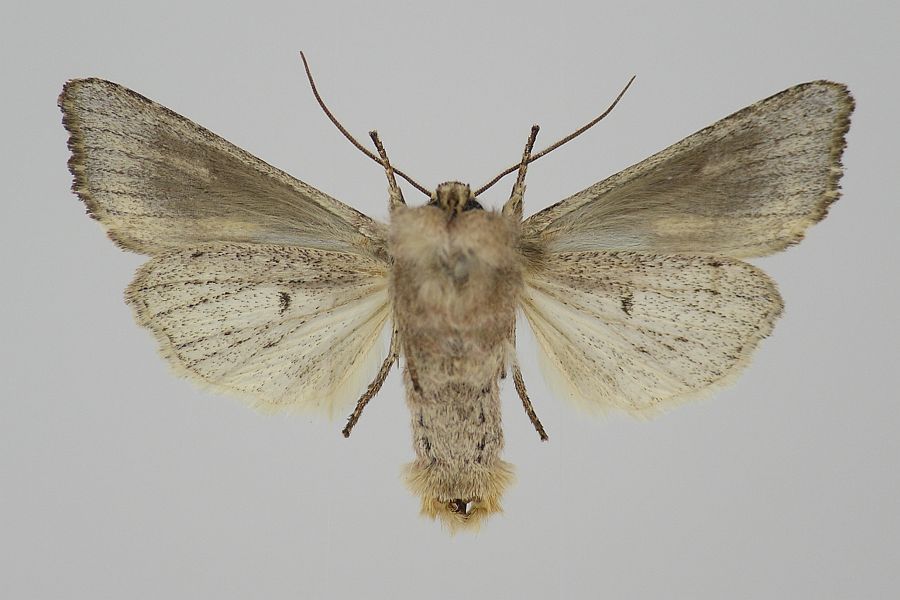
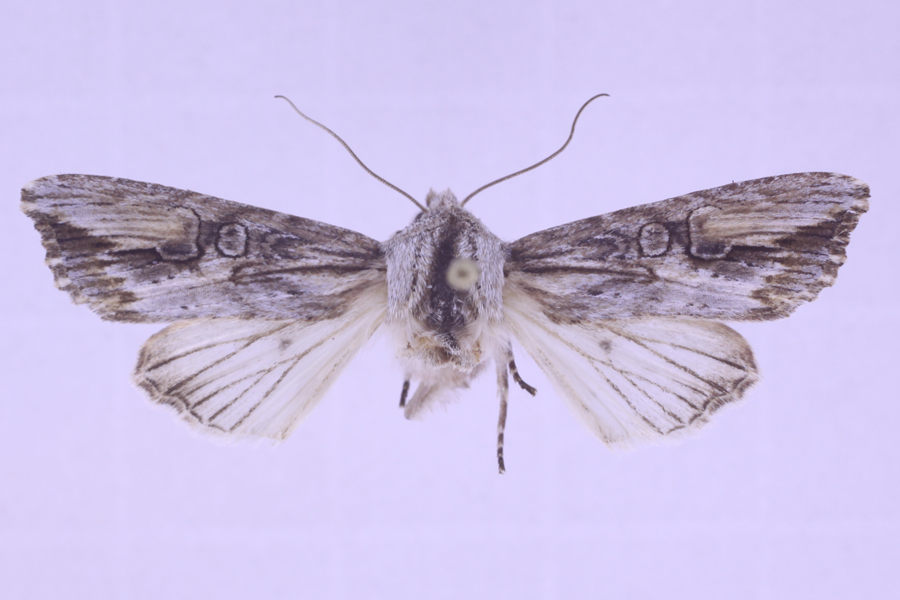
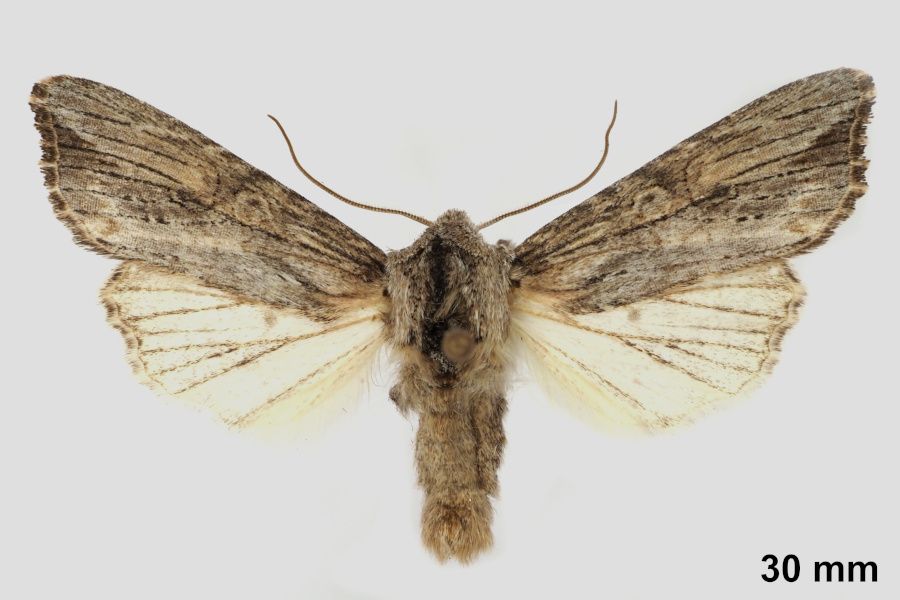
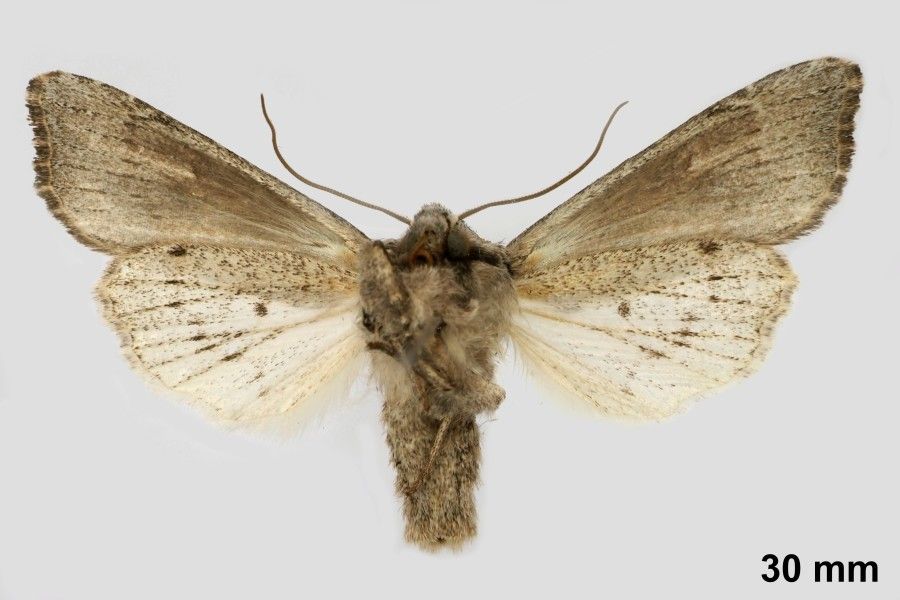
1: Griechenland, Samos, Agios Konstantinos, 10 m, 30. März 2013 (leg. & Foto: Dieter Fritsch)
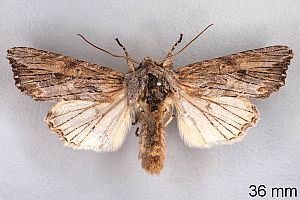
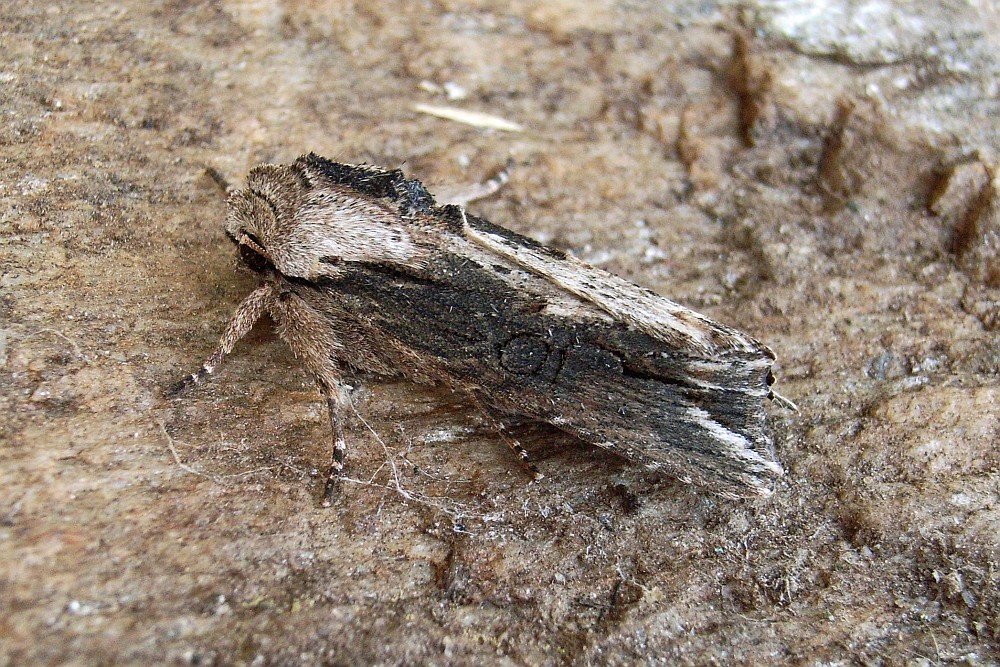
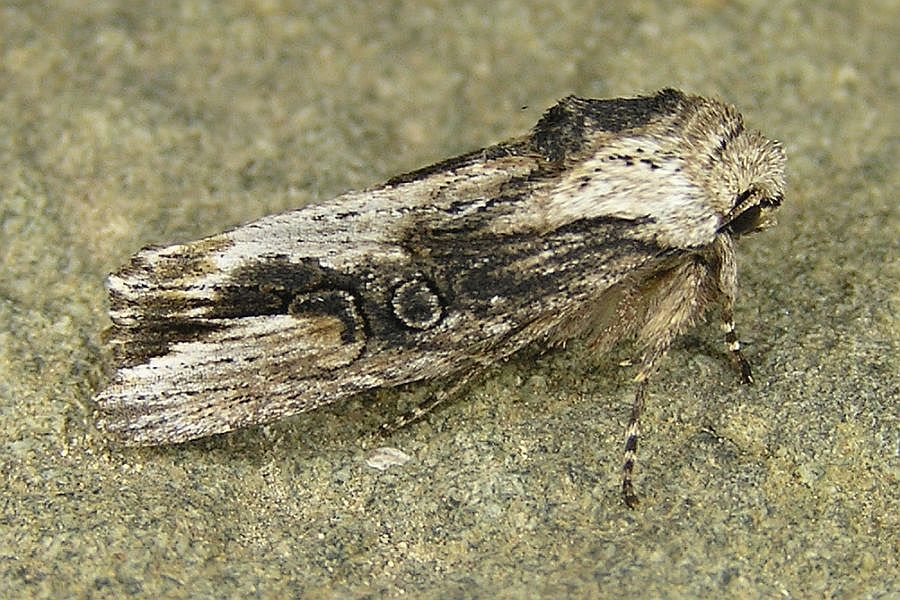
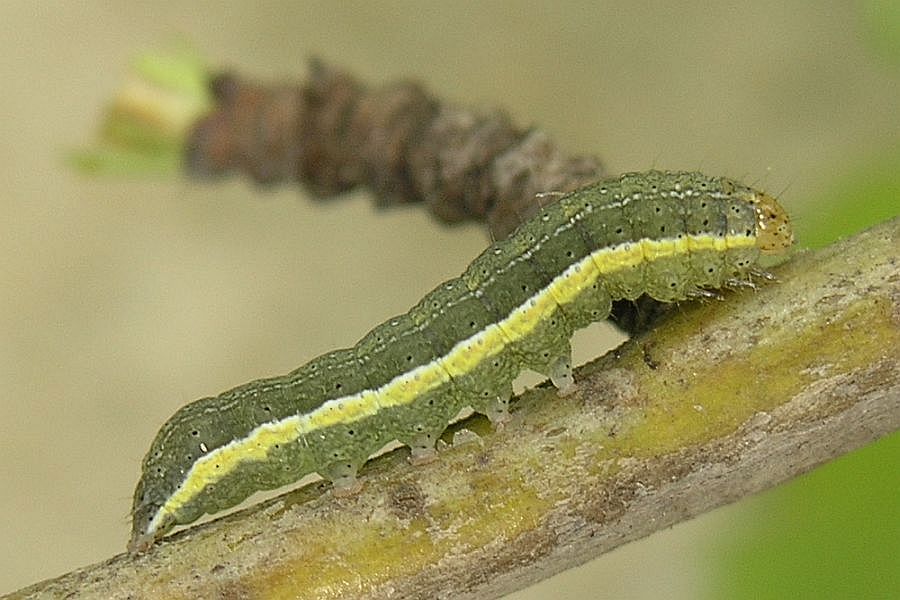
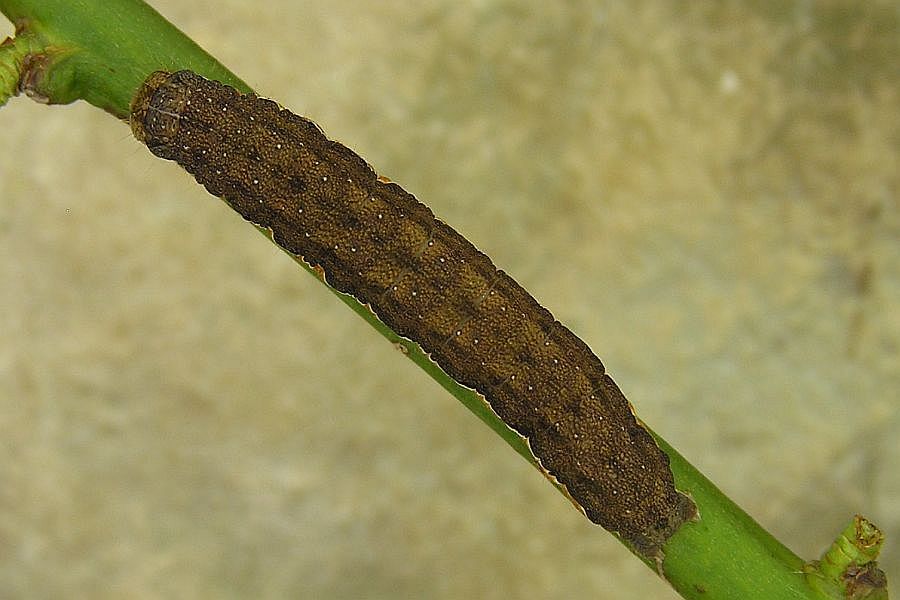
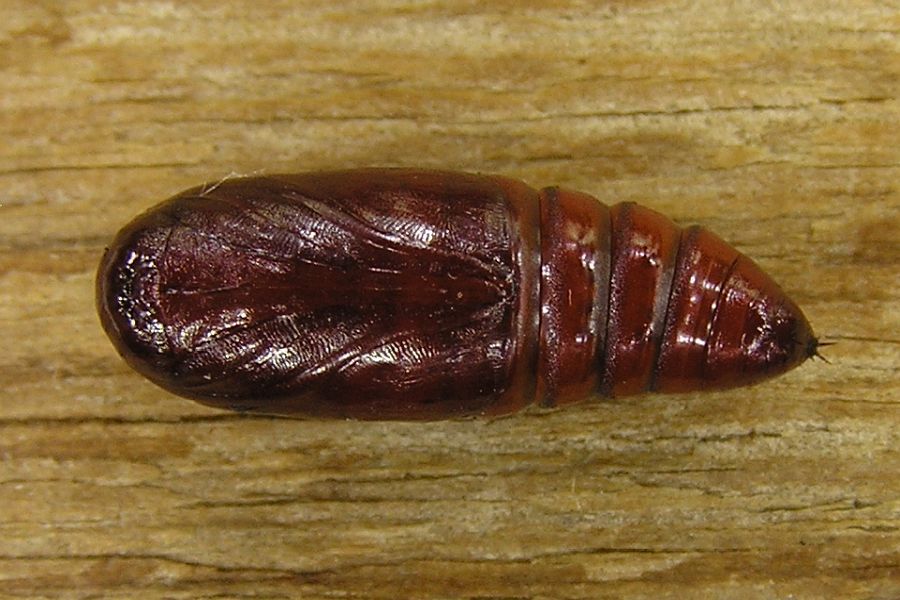
2: Griechenland, Samos, Agios Konstantinos, 10 m, 29. März 2013 (leg. & Foto: Dieter Fritsch)
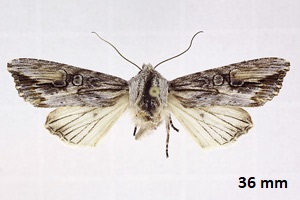
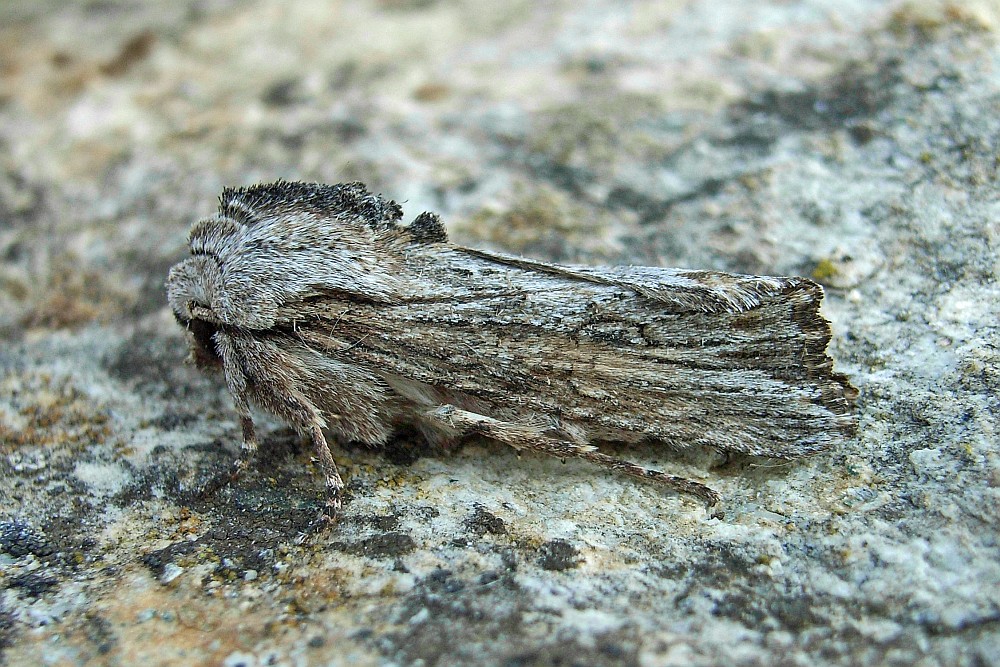
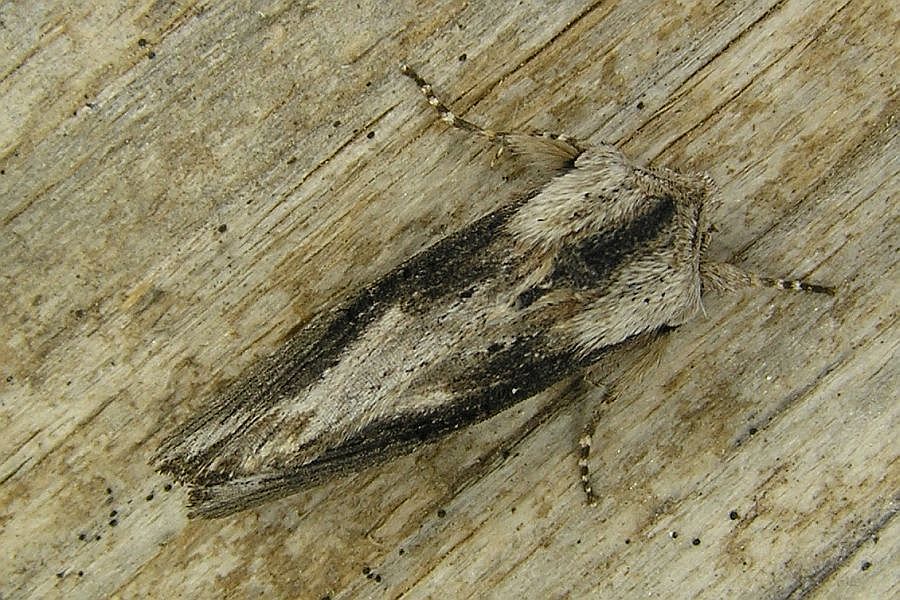
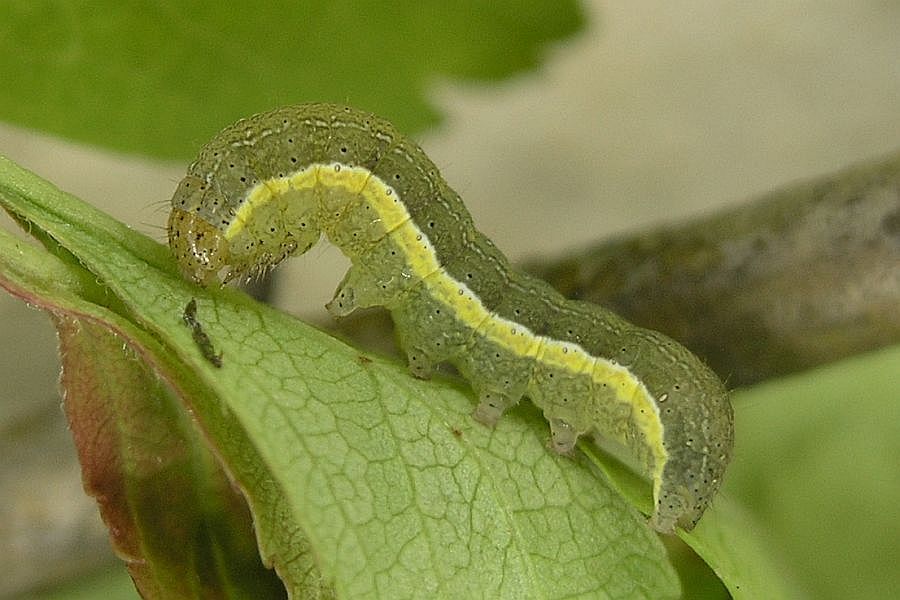
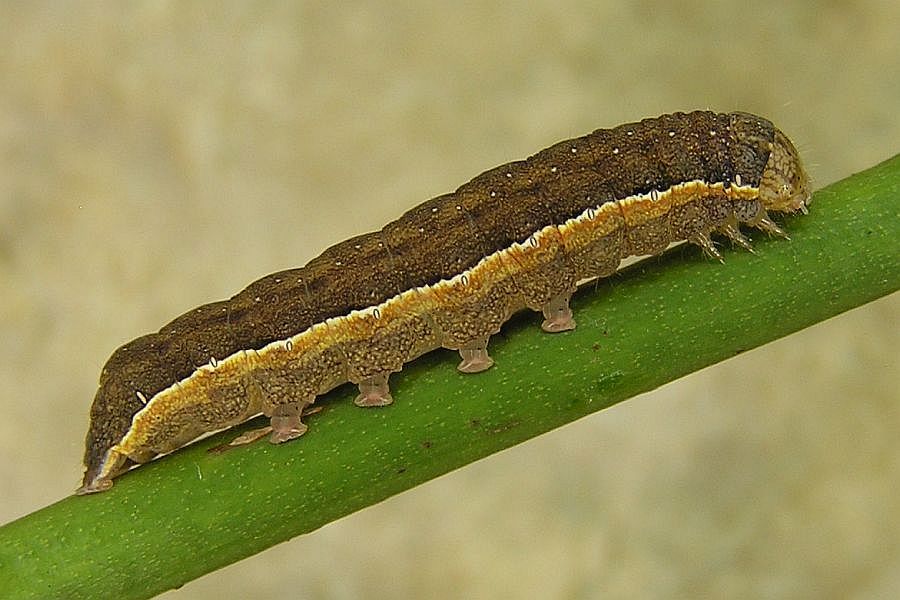
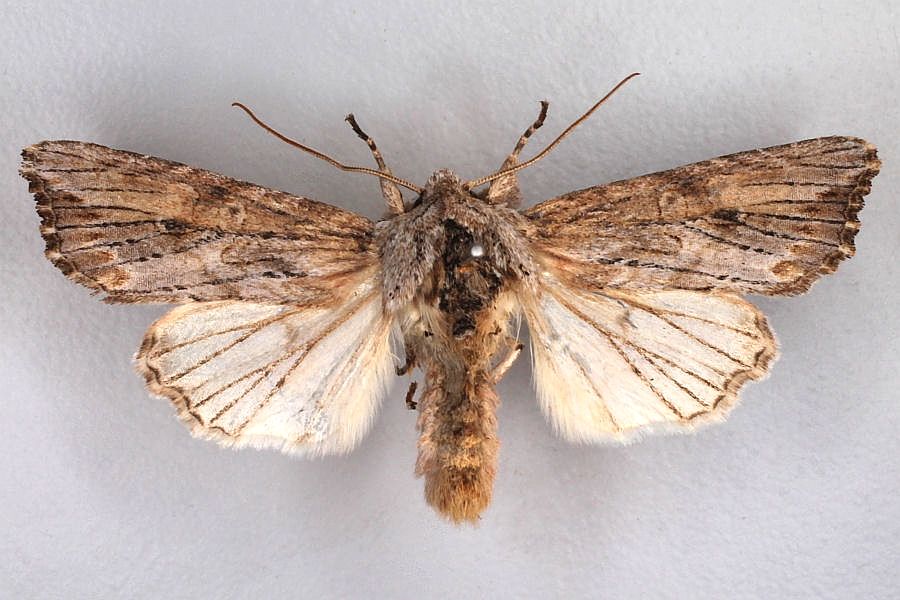
3: Griechenland, Samos, Agios Konstantinos, 10 m, 6. März 2010 (leg. & Foto: Dieter Fritsch)
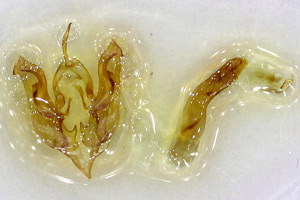
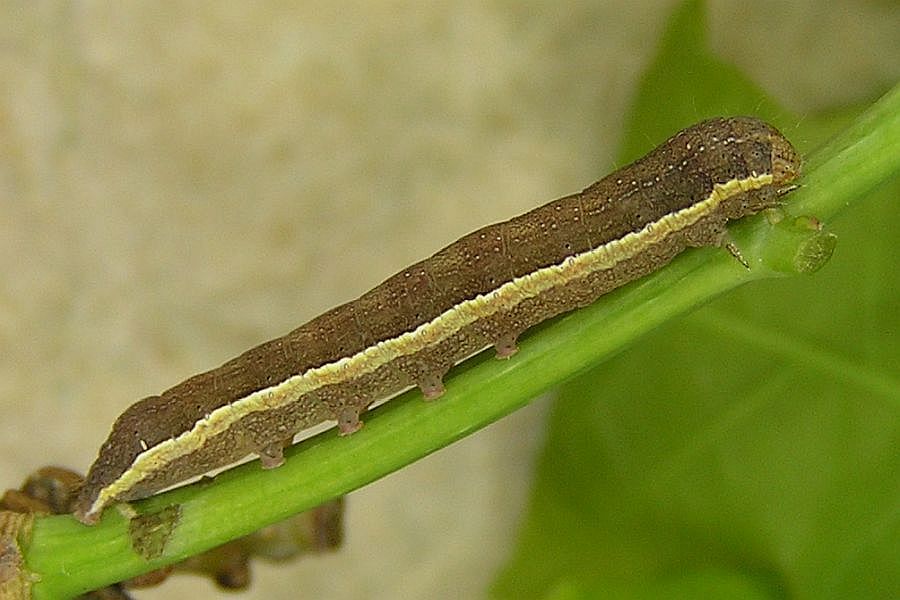
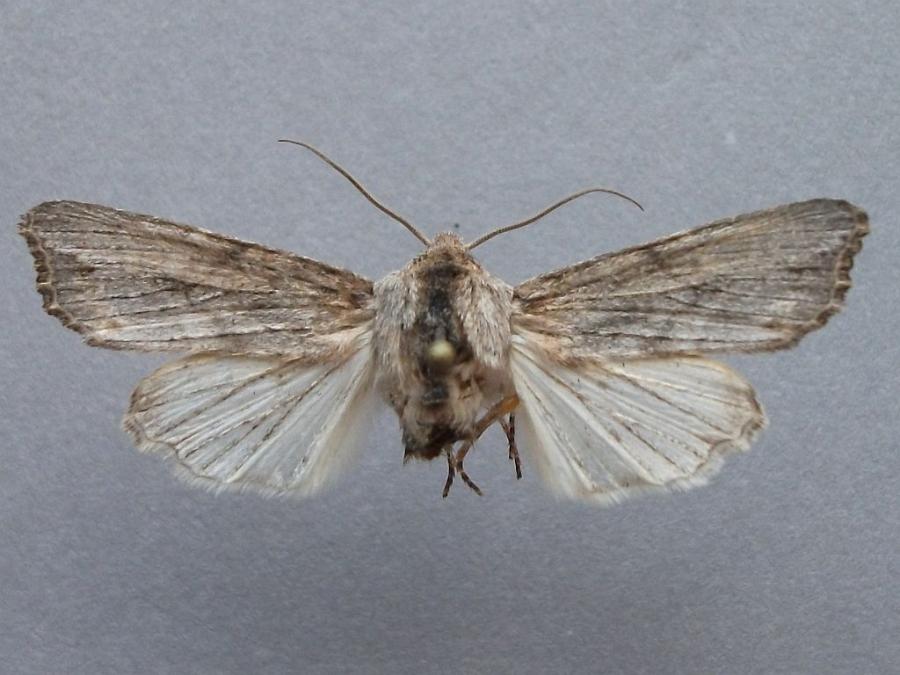
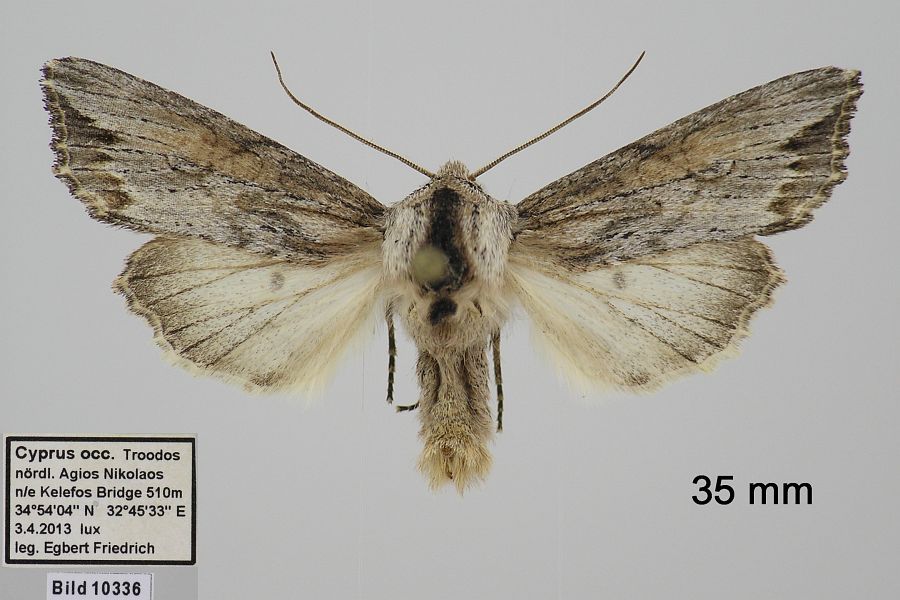
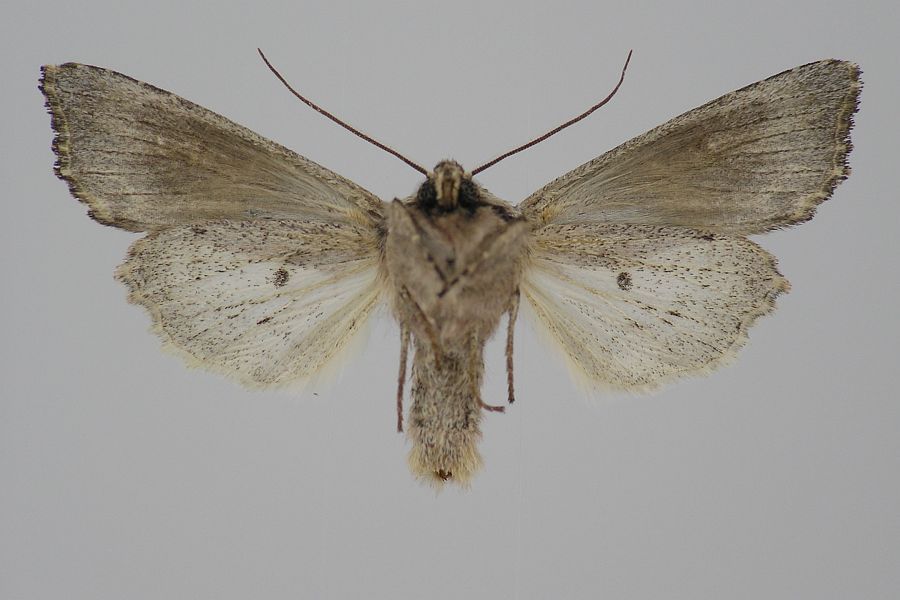
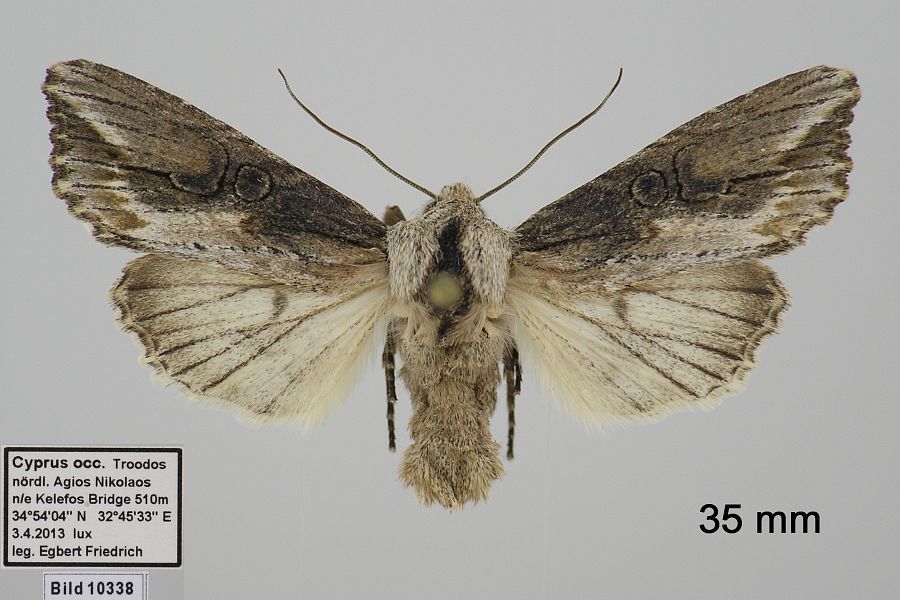
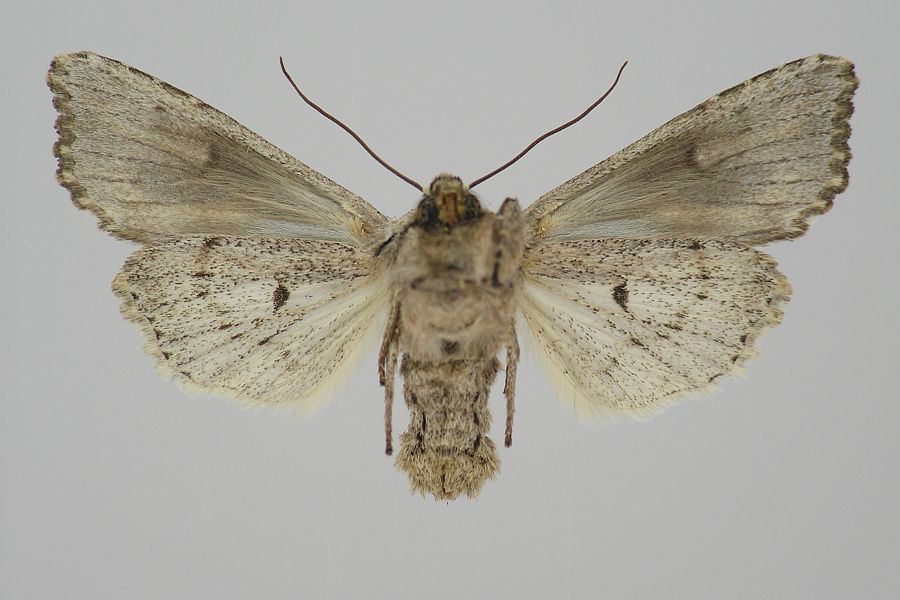
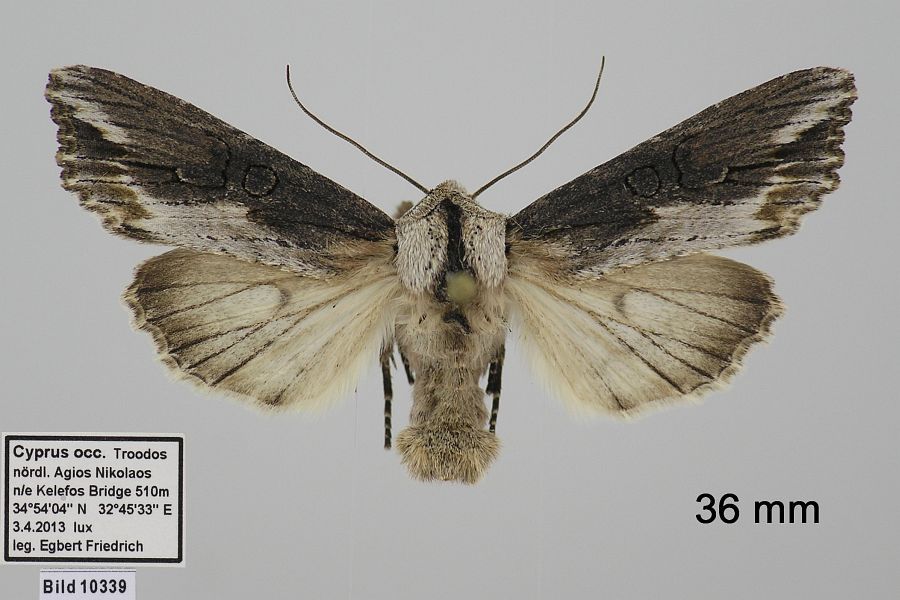
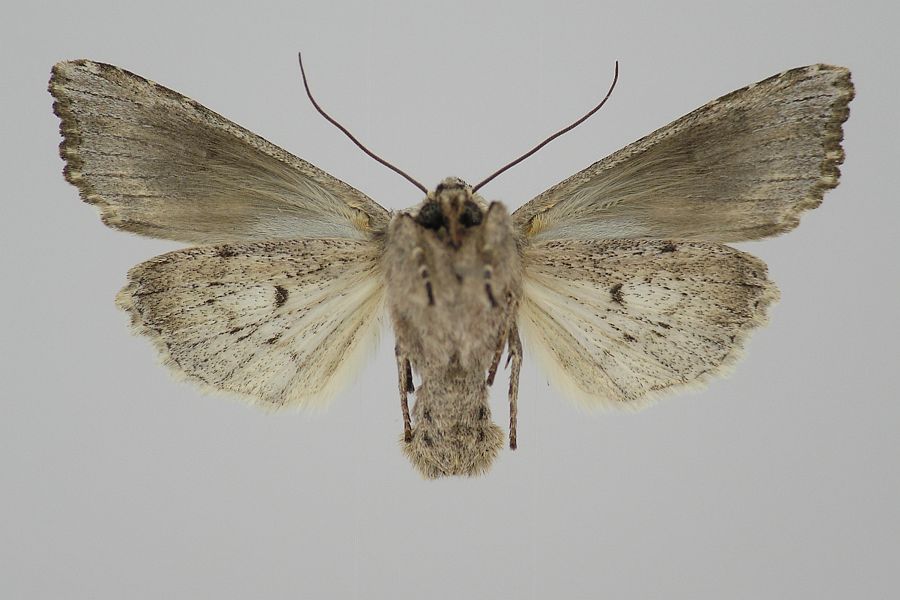
4: ♂, Zypern, Troodos-Gebirge, nördl. Agios Nikolaos, nordöstlich Kelefos-Brücke, 510 m, 3. April 2013, Lichtfang (leg., fot. & det.: Egbert Friedrich), conf. durch GU: Hartmuth StrutzbergForum 5: ♀, Zypern, Troodos-Gebirge, nördl. Agios Nikolaos, nordöstlich Kelefos-Brücke, 510 m, 3. April 2013, Lichtfang (leg., fot. & det.: Egbert Friedrich), conf. durch GU: Hartmuth StrutzbergForum 6: ♀, Zypern, Umgebung Paphos, Kelokedara, 710 m, 1. April 2013, Lichtfang (leg., phot. & det.: Egbert Friedrich), conf. durch GU: Hartmuth StrutzbergForum Anmerkung zur Determination Bild 1-3: Auf Samos kommt auch noch Egira anatolica vor. Bei den vorliegenden Egira-Fangserien hat sich gezeigt, dass 99,5 % E. tibori sind und nur 0,5 % E. anatolica. Gespannte Tiere sind recht gut unterscheidbar. Die Falter von 2010 wurden von Michael Fibiger bestimmt und von Laszlo Ronkay bestätigt. Bei Bild 1 und 2 besteht theoretisch eine sehr geringe Restunsicherheit. (Dieter Fritsch, Mitteilung an die Redaktion)
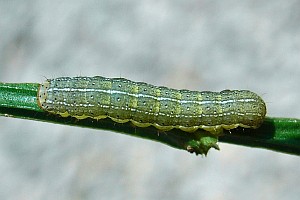
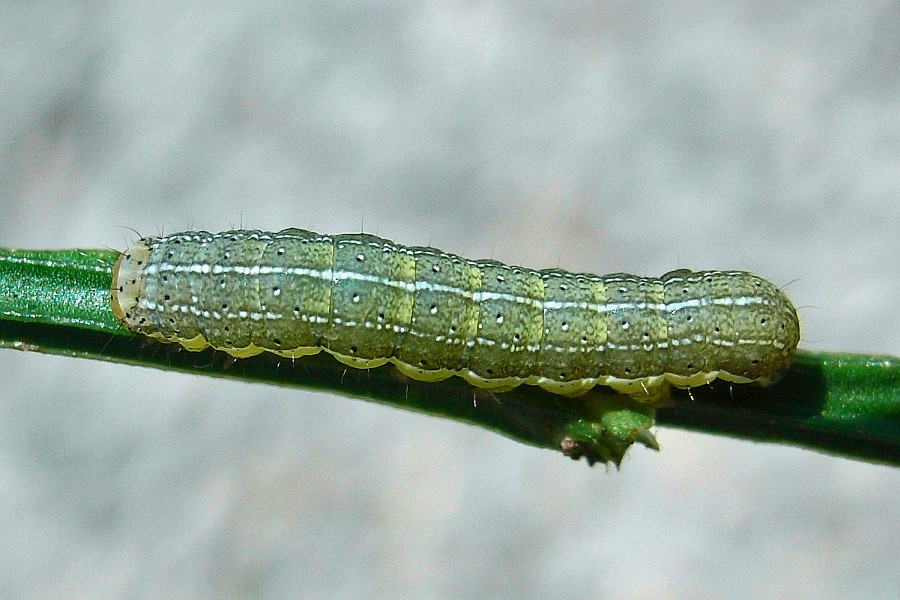
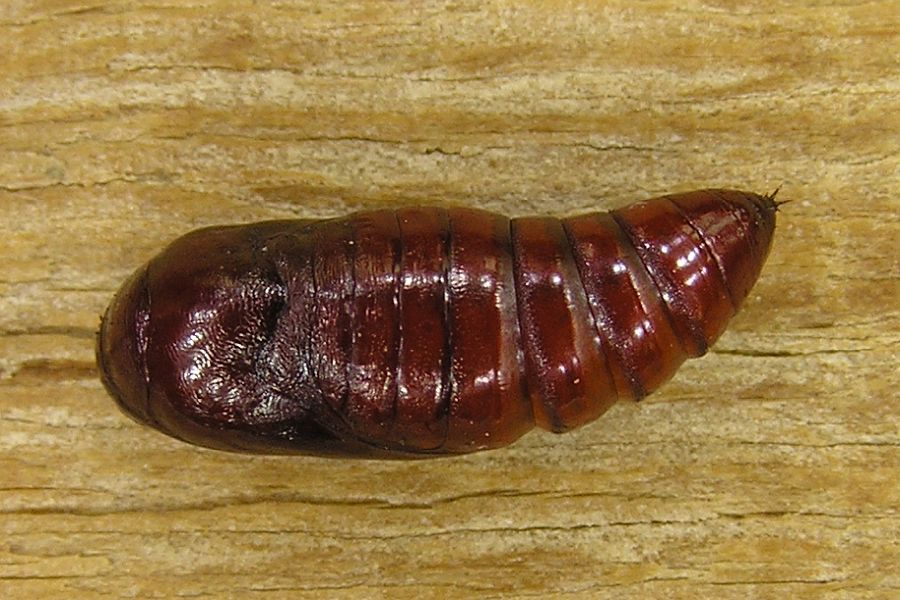
1-2: Griechenland, Samos, Kokkari, Stella Bay, Zucht ex ovo, ♀ 20. April 2009 (leg., cult., det. & Fotos am 30. April 2009: Dieter Fritsch)
3: Griechenland, Samos, Agios Konstantinos, 0,8 km SW Agios Konstantinos, 120 m, auf Ophrys samiotissa, 16. April 2013 (leg., det. & Foto: Dieter Fritsch)
4-9: Zypern, Umgebung Paphos, Kelokedara, 710 m, ♀ 1. April 2013 (leg., cult., det. & Foto: Egbert Friedrich)Forum 1-3: Zypern, Umgebung Paphos, Kelokedara, 710 m, ♀ 1. April 2013 (cult. & Foto: Egbert Friedrich)Forum 1-2: ♂, Daten siehe Etiketten (fot.: Michel Kettner), coll. ZSM, Gottfried Behounek
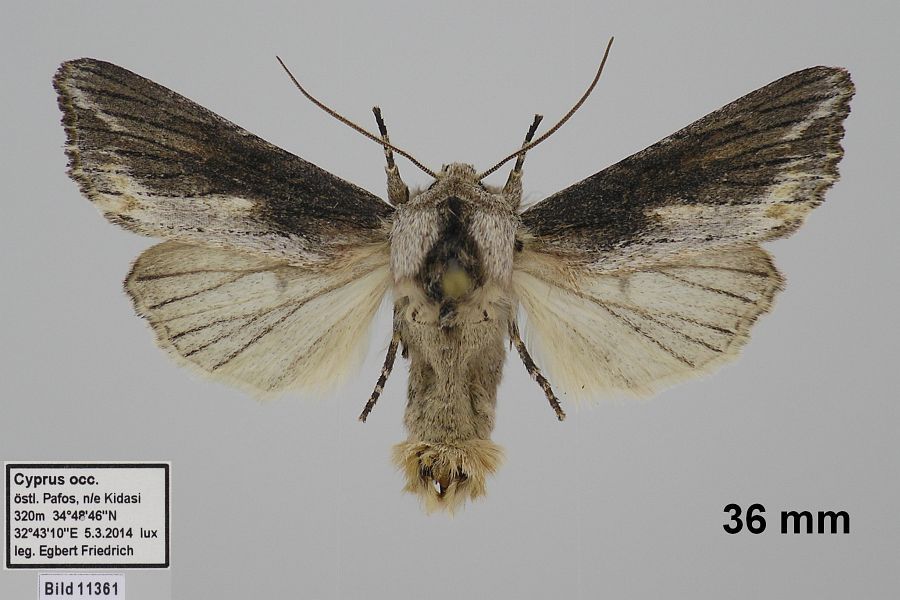
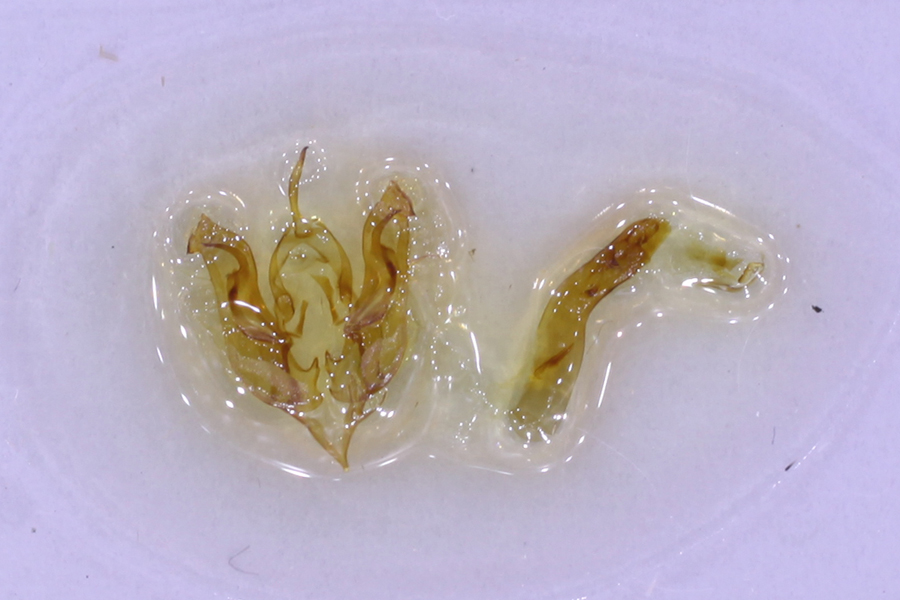
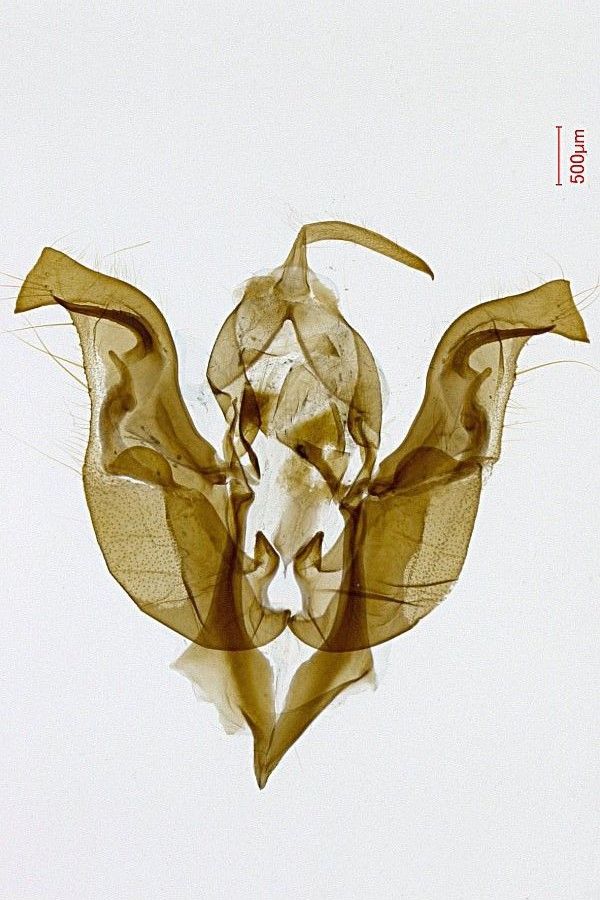
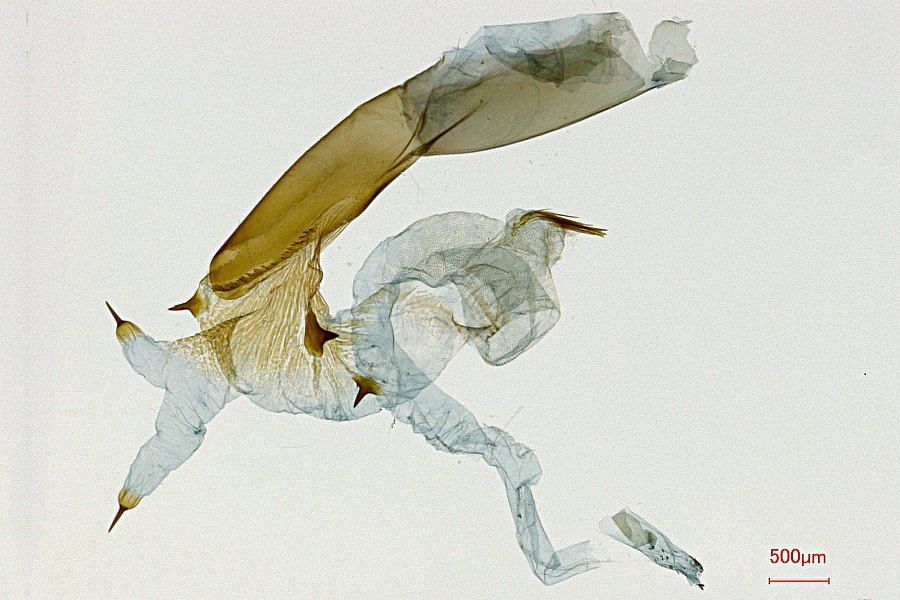
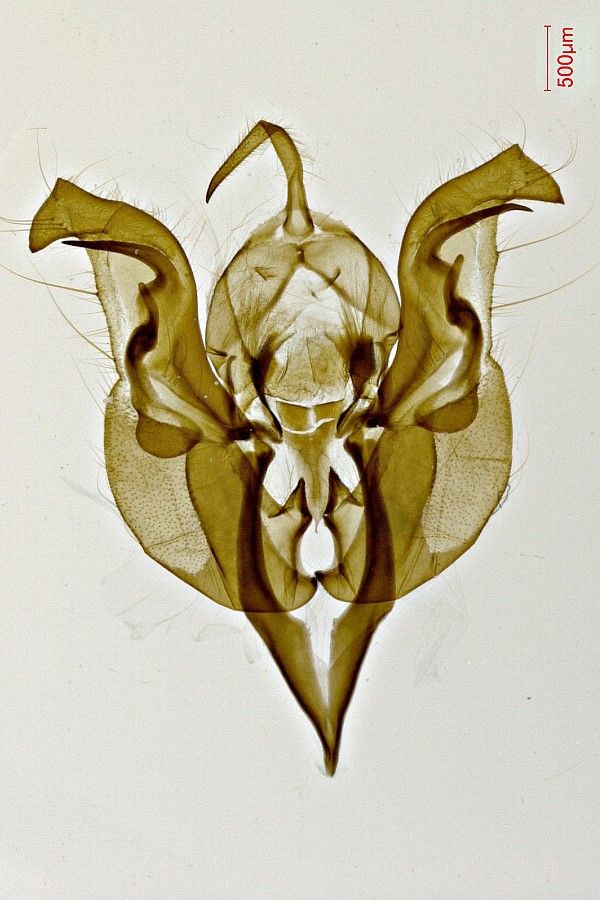
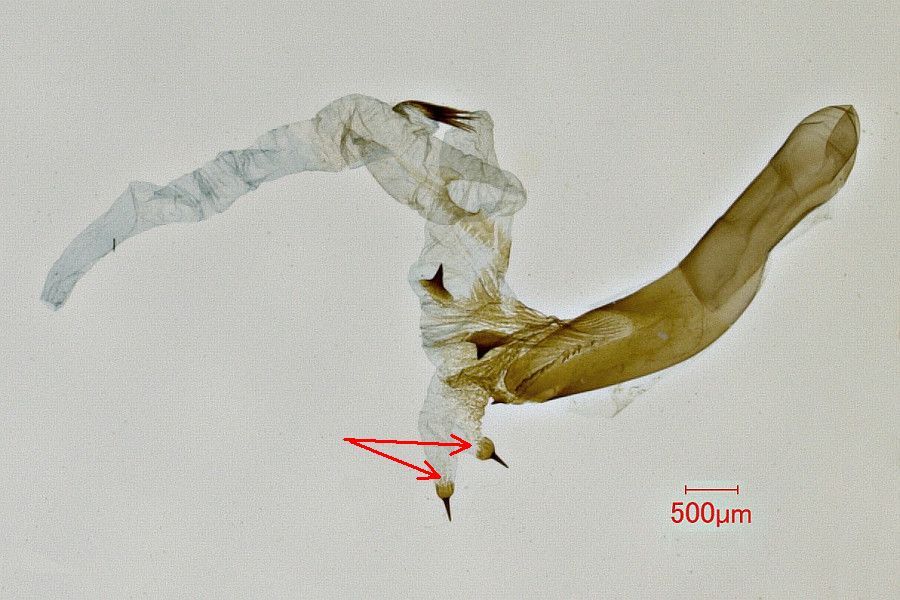
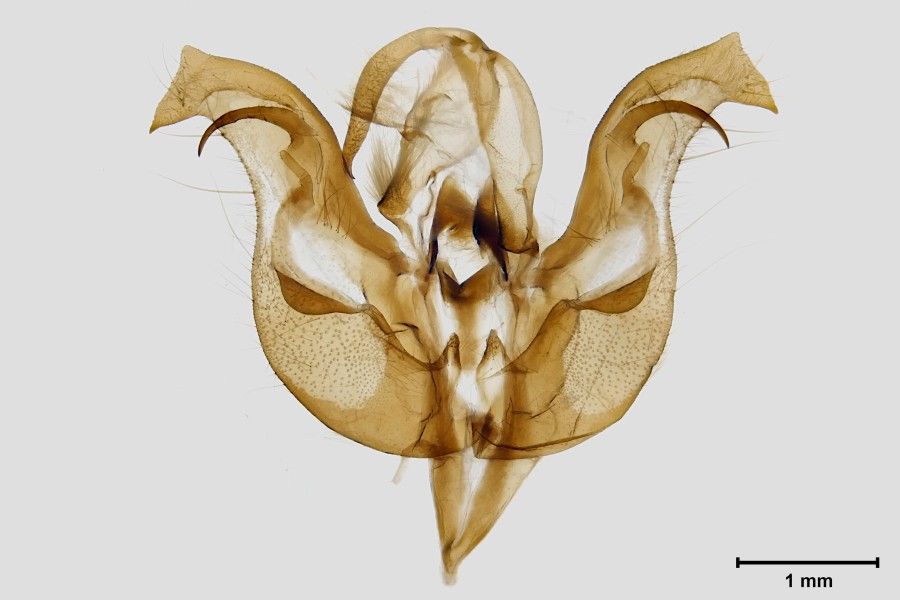
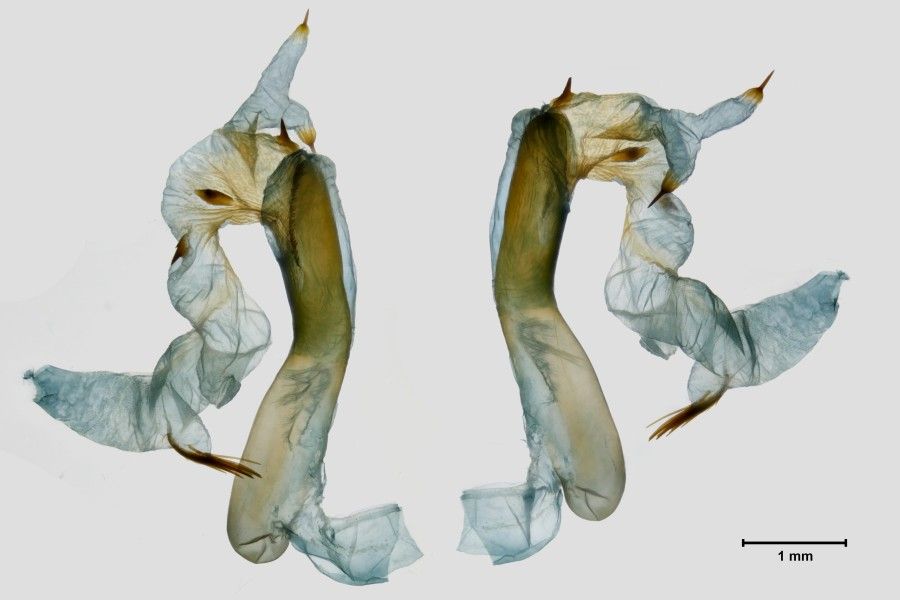
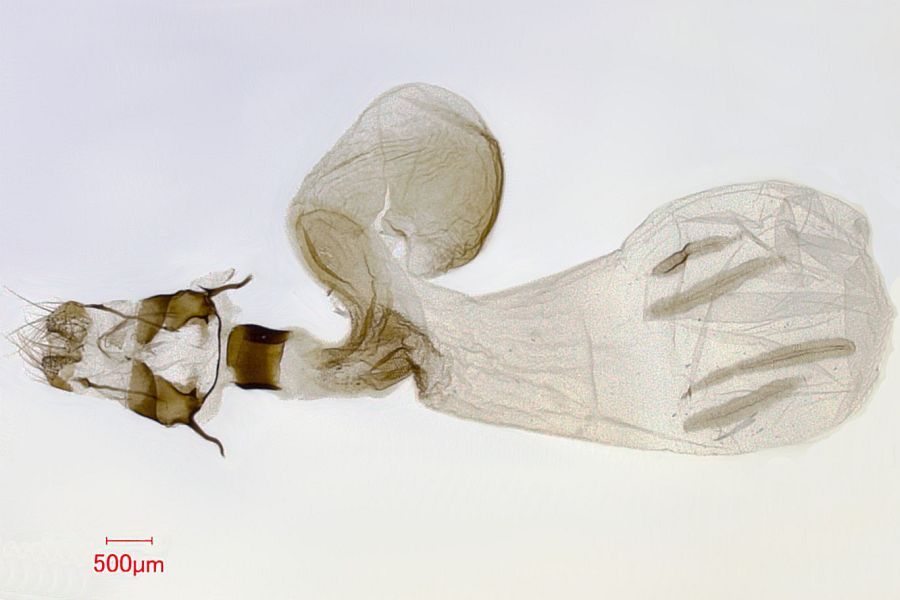
3-4: zwei ♂ ♂, Türkei, Provinz Muğla, Marmaris, Turunç, 100 m, 20. & 23. März 2014, am Licht (det. & fot.: Thomas Baron)Forum 5: ♂, Griechenland, Kirki, Anfang April 2013 (leg. Seylhofer, det. T. Mayr, fot. Thomas Kolling, Farbstich redaktionell vermindert)Forum 6-7: ♂, Zypern, Troodos-Gebirge, nördl. Agios Nikolaos, nordöstlich Kelefos-Brücke, 510 m, 3. April 2013, Lichtfang (leg., fot. & det.: Egbert Friedrich), conf. durch Genitaluntersuchung: Hartmuth StrutzbergForum 8-9: ♂, Zypern, östlich Paphos, nordöstlich Kidasi, 320 m, 5. März 2014, Lichtfang (leg., fot. & det.: Egbert Friedrich), conf. durch Genitaluntersuchung: Hartmuth StrutzbergForum 1: ♀, Griechenland, Kirki, Anfang April 2013 (leg. Seylhofer, det. T. Mayr, fot. Thomas Kolling, Farbstich redaktionell vermindert)Forum 2-5: 2 ♀♀, Zypern, Troodos-Gebirge, nördl. Agios Nikolaos, nordöstlich Kelefos-Brücke, 510 m, 3. April 2013, Lichtfang (leg., fot. & det.: Egbert Friedrich), conf. durch Genitaluntersuchung: Hartmuth StrutzbergForum 6-7: ♂, Türkei (asiatischer Teil), Antalya, Termessos, 25. März 2002, am Licht, leg. R. Fiebig (gen.det. & Foto: Hartmuth Strutzberg)Forum 1: ♂, Griechenland, Kirki, Anfang April 2013 (leg. Seylhofer, det. T. Mayr, fot. Thomas Kolling, Farbstich redaktionell vermindert)Forum 2-3: ♂, Zypern, Troodos-Gebirge, nördl. Agios Nikolaos, nordöstlich Kelefos-Brücke, 510 m, 3. April 2013, Lichtfang, leg. Egbert Friedrich (prep., gen.det. & Foto: Hartmuth Strutzberg)Forum 4-5: ♂, Zypern, östlich Paphos, nordöstlich Kidasi, 320 m, 5. März 2014, Lichtfang, leg. Egbert Friedrich (prep., gen.det. & Foto: Hartmuth Strutzberg)Forum 6-7: ♂, Türkei (asiatischer Teil), Antalya, Termessos, 25. März 2002, am Licht, leg. R. Fiebig (prep., gen.det. & Foto: Hartmuth Strutzberg)Forum 1: Genitalpräparat des unter Diagnosebild 4 abgebildeten ♀, Zypern, Troodos-Gebirge, nördl. Agios Nikolaos, nordöstlich Kelefos-Brücke, 510 m, 3. April 2013, Lichtfang, leg. Egbert Friedrich (prep., gen.det. & Foto: Hartmuth Strutzberg)Forum Hreblay (1994: 249): “Derivatio nominis: The new species is dedicated to Mr Tibor Csővári, the collector of the species.”
Die Schwesterart zu E. conspicillaris ist aus Europa von Griechenland und Bulgarien bekannt (Ronkay et al. 2001). Nach Fibiger et al. (2010) trat sie im Frühjahr 2010 auf Samos im Gebirge zahlreich auf.
Alle 56 Exemplare der Typenreihe sind ♂♂. Hreblay (1994: 249) erläutert, warum keine ♀♀ in die Typenserie aufgenommen wurden: “The identification of the females of this species-group is often doubtful even by the study of the genitalia: the possible differences in the cervix bursae cannot be clearly observed on the genital slides. Further investigations on the brown female genitalia preparations preserved on concentrated alcohol are needed fot the final decision; till then the separation of the females of E. conspicillaris and E. tibori remains unvertain.”
Hreblay (1994: 247): “Holotype: male, “Turkey, P. Maras, 1 km N of Kahramanmaras 36°52'E, 37°39'N, 900 m, 5. IV. 1994, leg. Csővári & Hreblay”; Slide No. Hreblay: 6011; (coll. M. Hreblay).
Paratypes: Turkey: 15 ♂, with the same data as the holotype; Prov. Icel: 14 ♂, 8 km W of Sipaheli, 33°25'E, 36°10'N, 400 m, 4. IV. 1994; Prov. Burdur: 1 ♂, 10 km SE of Bucak, 30°38'E, 37°23'N 800 m, 3. IV. 1994; Prov. Bilecik: 24 ♂, 3 km E of Vezirhan, 30°04'E, 40°15'N, 150 m, 2. IV. 1994, leg. Csővári & Hreblay, Prov. Adana: 1 ♂, 5 km W of Damlama, 37°09'N, 34°47'E, 15. IV. 1990, leg. M. Hreblay & V. Markó;
Slide Nos Hreblay: 5963, 5965, 6007, 6063, 6384, 6385, 6387, 6389, 6390 males; (coll. T. Csővári, M. Hreblay).”


 +8Kontinente:EUAS