+19Kontinente:EUAS


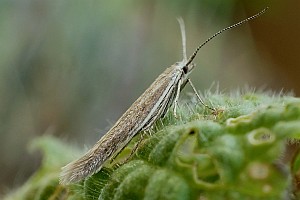
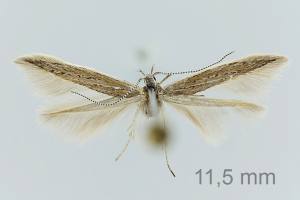
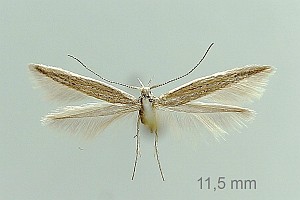
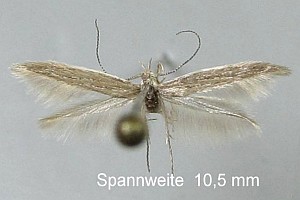
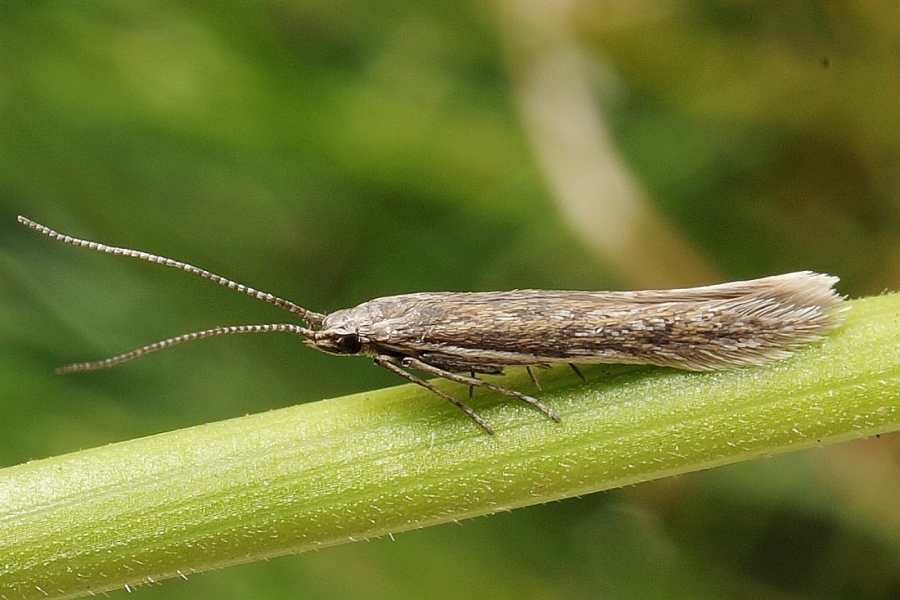
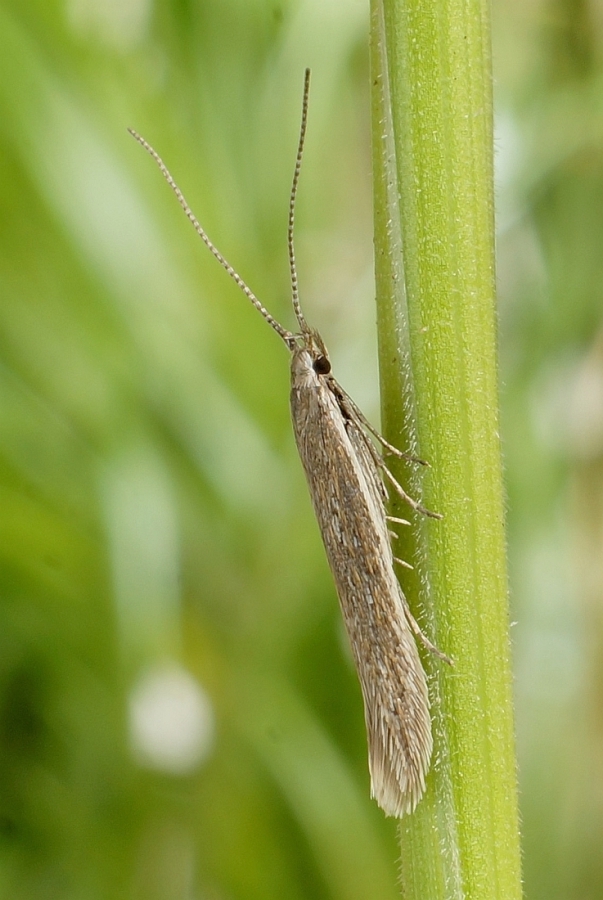
1. Lebendfotos
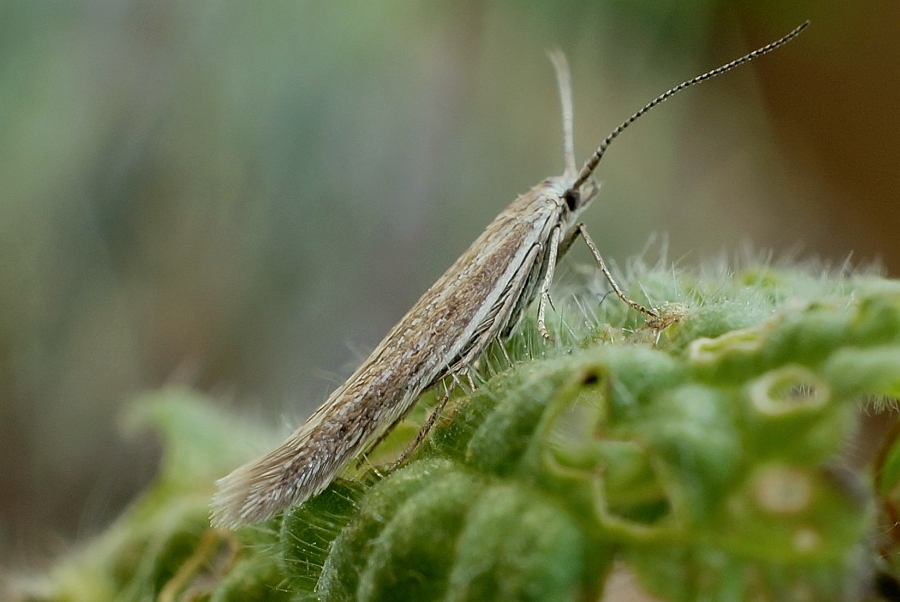
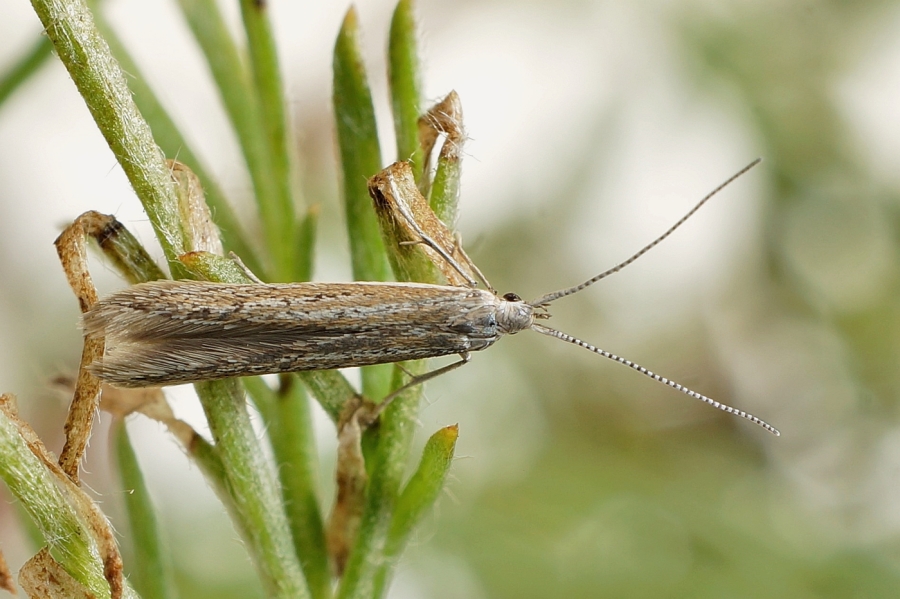
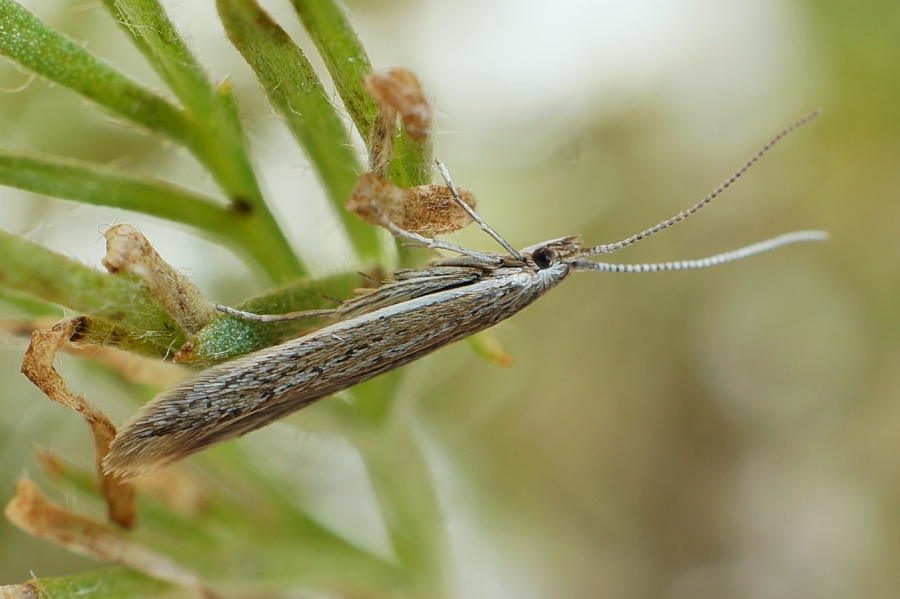
1.1. Falter



2. Diagnose
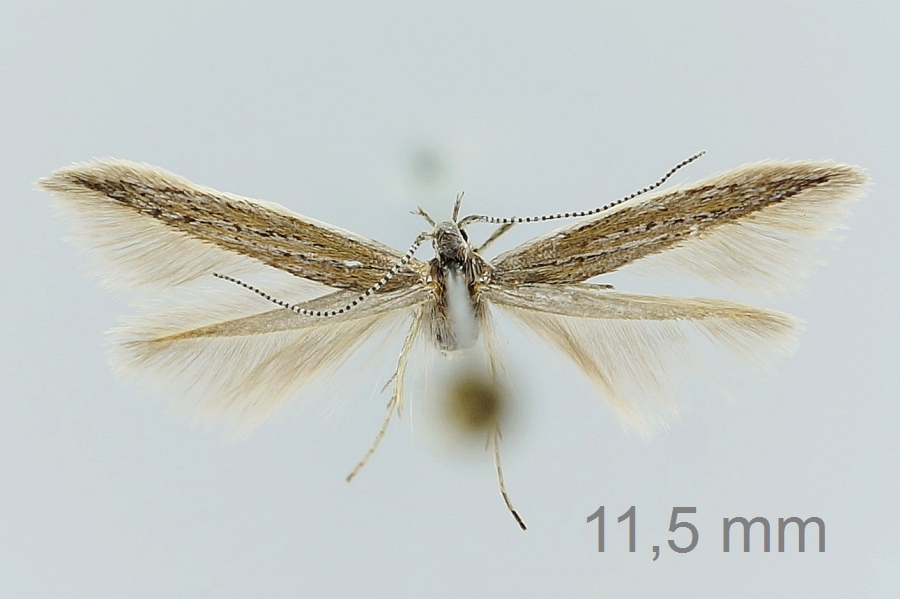
2.1. Männchen
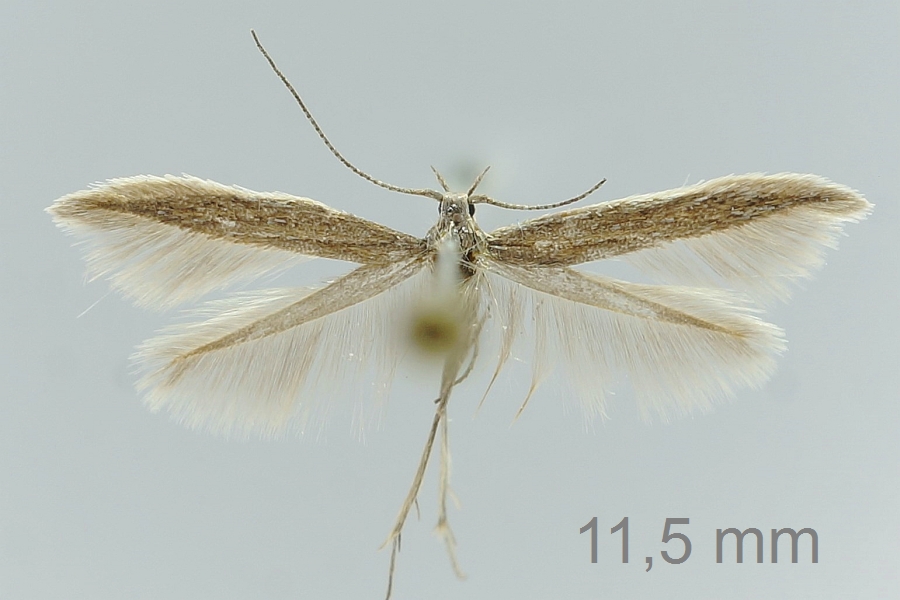
2.2. Weibchen
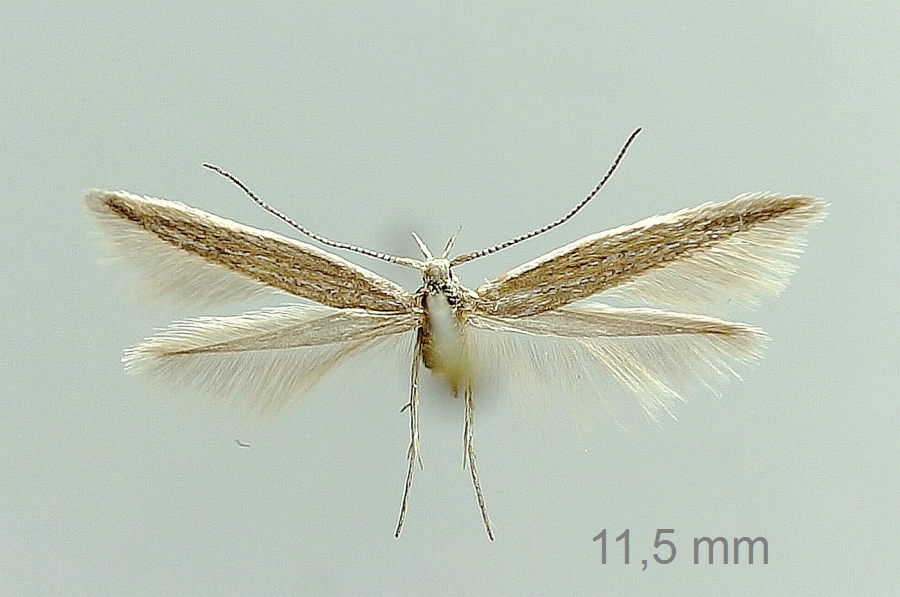
2.3. Geschlecht nicht bestimmt

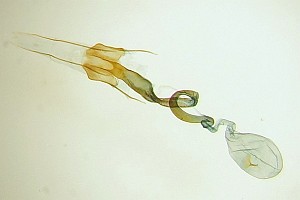
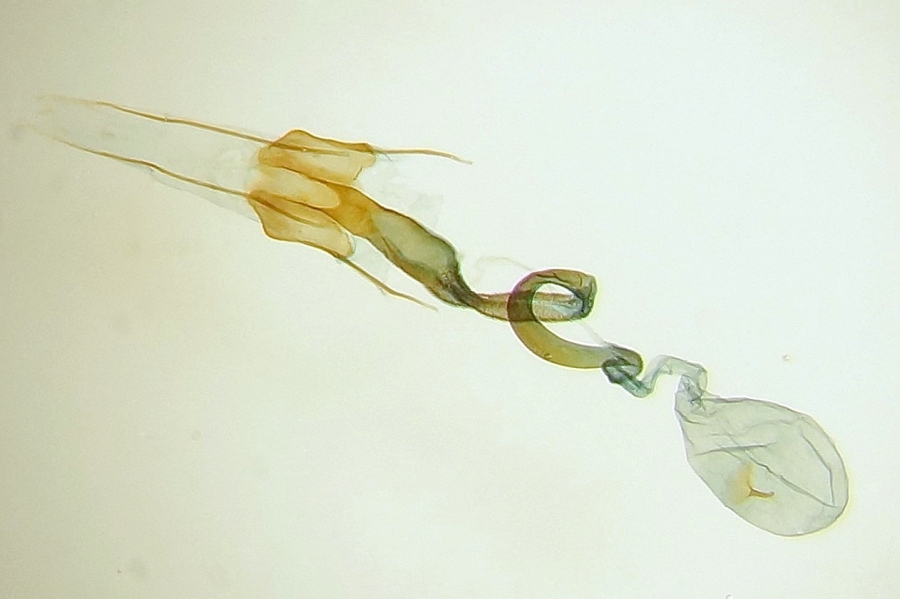
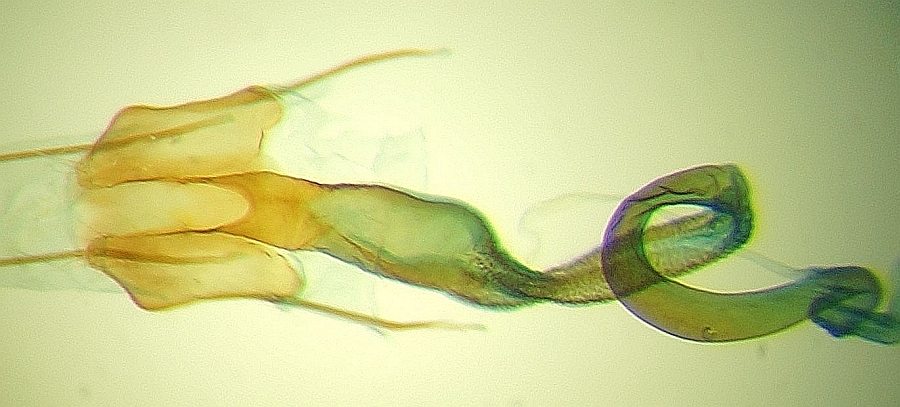
2.4. Genitalien
2.4.1. Weibchen
3. Biologie
3.1. Nahrung der Raupe
- [Caryophyllaceae:] Herniaria glabra (Kahles Bruchkraut)
- [Caryophyllaceae:] Herniaria hirsuta (Behaartes Bruchkraut)
Einzige bekannte Nahrungspflanze der Art in Mitteleuropa ist Herniaria glabra, eine trittbeständige Pflanze, die sich überall in Pflasterritzen etc. findet. Die Seltenheit des Falters ist damit nicht erklärt. Baldizzone (2019: 460) ergänzt die ganz ähnliche Lebensräume besiedelnde Herniaria hirsuta
4. Weitere Informationen
4.1. Andere Kombinationen
- Casignetella scabrida (Toll, 1959) [so bei Anikin et al. (2017) und Sinev (2019)]
4.2. Faunistik
Nach Gaedike & Heinicke (1999) in Deutschland nur aus Sachsen-Anhalt bekannt, dort aber aktuell (nach 1980). Wie die obigen Funde zeigen, tritt die Art auch in Sachsen und Brandenburg auf.
Krampl et al. (2014) melden den Erstnachweis für Tschechien, Baldizzone (2019: 273) den Erstnachweis für Bulgarien: “5 km N Sandanski, 150-200 m, 23-27-V-2010, 1 ♀, leg. Karsholt, coll. ZMUC.”
Baldizzone & Huemer (2026: 83) überraschen mit einem Erstnachweis für Kirgisistan, zu dem es aber keine Barcode-Daten zu gebe scheint: "1 ♀, Kyrgyzstan (K134), Chatkal Kirka Tooshu (Ostausläufer), Halbwüste umgeb. Ala Buka, 1250m, 3.8.2024, leg. T. Mayr, gen. slide Bldz 18464 ♀ (coll. Mayr)."
(Autor: Erwin Rennwald)
4.3. Literatur
- Anikin, V.V., Sachkov, S.A. & V.V. Zolotuhin (2017): "Fauna lepidopterologica Volgo-Uralensis": from P. Pallas to present days. — Proceedings of the Museum Witt Munich, Volume 7: 1-696; Munich and Vilnius.
- Baldizzone, G. (1979): Contribuzioni alla conoscenza dei Coleophoridae XV. Il ♂ di Coleophora brunneosignata Toll. La ♀, l'astuccio larvale e la pianta alimentare di Coleophora scabrida Toll. — Entomologica 15: 115-119. [Zum PDF auf ojs.cimedoc.uniba.it]
- Baldizzone, G. (2019): Description of Coleophora oreiosella Baldizzone, sp. n. and new records on the distribution of some European Coleophoridae (Lepidoptera: Coleophoridae). — SHILAP Revista de Lepidopterología 47 (186): 269-277. [PDF auf redalyc.org]
- Baldizzone, G. & P. Huemer (2026): Taxonomy and faunistics of Coleophoridae in Kyrgyzstan, with descriptions of 23 new species (Lepidoptera). — Zootaxa, 5847 (1): 1-104.
- Будашкин, Ю. И. & А. В. Жаков (2013): Чехликовые моли (Lepidoptera, Coleophoridae): к фауне степной зоны Украины. Сообщение 3 [Budashkin, Yu. I. & A. V. Zhakov (2013): Case-Bearer Moths (Lepidoptera, Coleophoridae): Contribution to the Ukrainian Steppe Zone Fauna. Third Report]. — Українська ентомофауністика 4 (1): 33–42.
- Gaedike, R. & W. Heinicke (1999): Verzeichnis der Schmetterlinge Deutschlands (Entomofauna Germanica 3). — Entomologische Nachrichten und Berichte, Beiheft 5: 1-216.
- Krampl, F., Marek, J. & M. Samec (2014): Faunistic records from the Czech Republic – 360. Klapalekiana 50: 109–110. 50: 109-110. (Sekundätzitat)
- Richter, I. & G. Pastorális (2015): New findings of case-bearing moth species of Goniodoma and Coleophora genera from the Balkans (Lepidoptera: Coleophoridae). — Microlepidoptera.hu 8: 29-42. [PDF auf epa.oszk.hu]
- Синёв, С. Ю. [ed.] (2019): Каталог чешуекрылых (Lepidoptera) России. Издание второе [Sinev, S. Yu. (ed.) (2019): Catalogue of the Lepidoptera of Russia. Second edition]: 1-448.
- Erstbeschreibung: Toll, S. (1959): Studien über die Genitalien einiger Coleophoridae XV (Lepidoptera). — Acta Zoologica Cracoviensia 4 (3): 121-130, pl. VI-XII [PDF auf db.isez.pan.krakow.pl].