+36Kontinente:EUAS



1. Lebendfotos
1.1. Falter






2. Diagnose
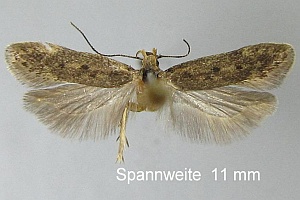
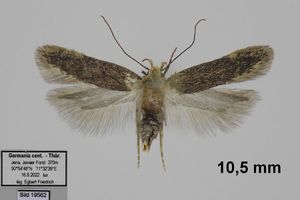
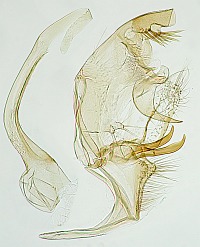
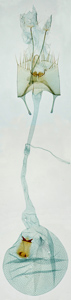
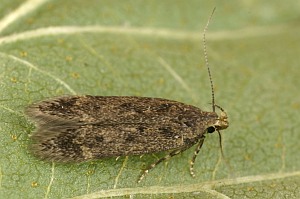
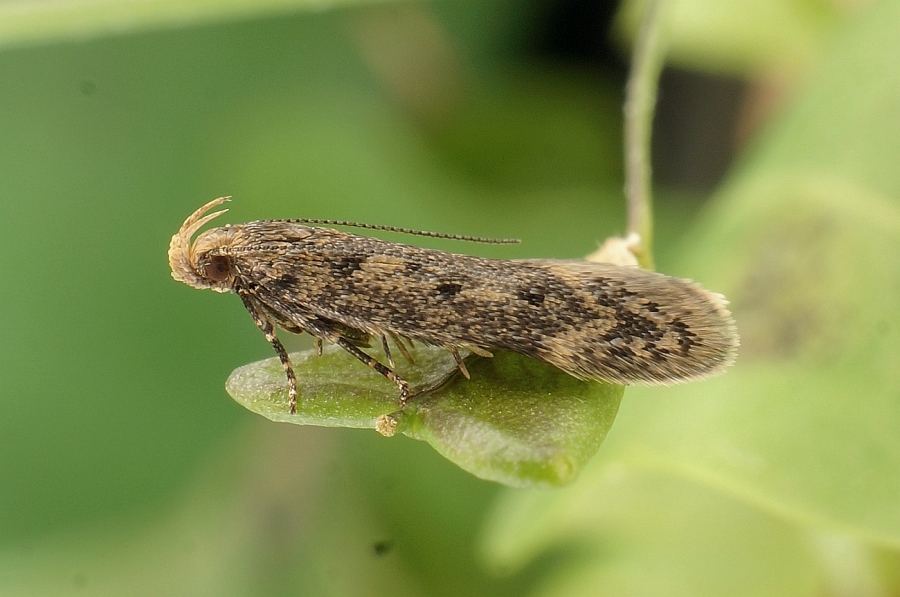
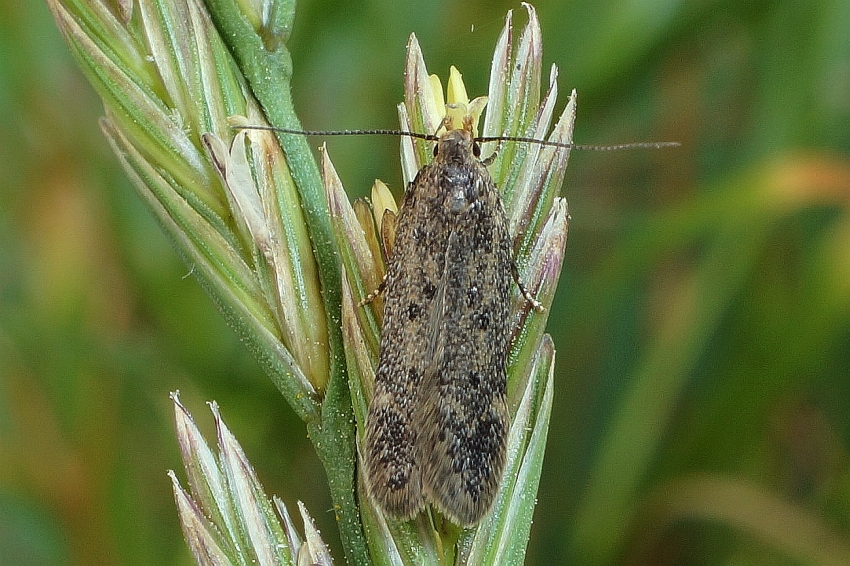
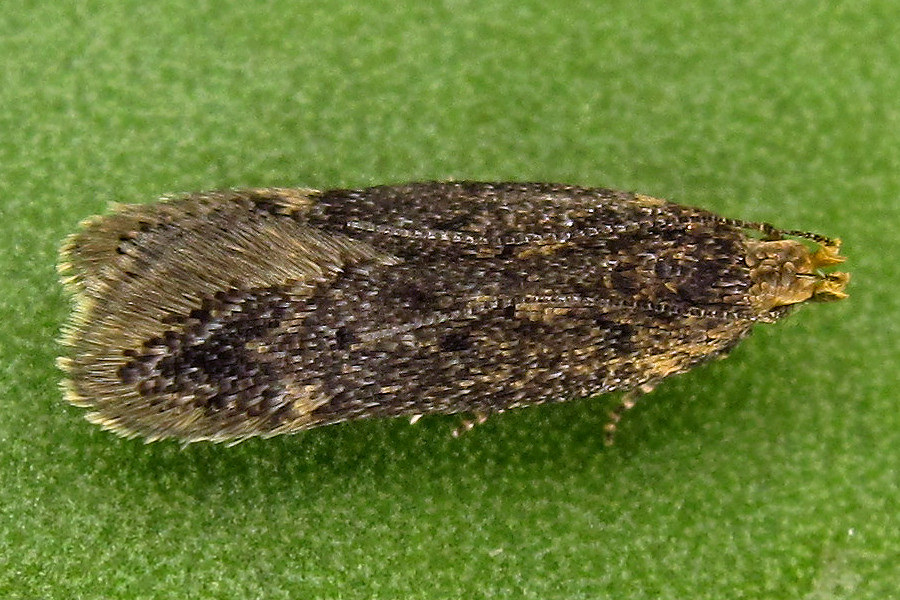
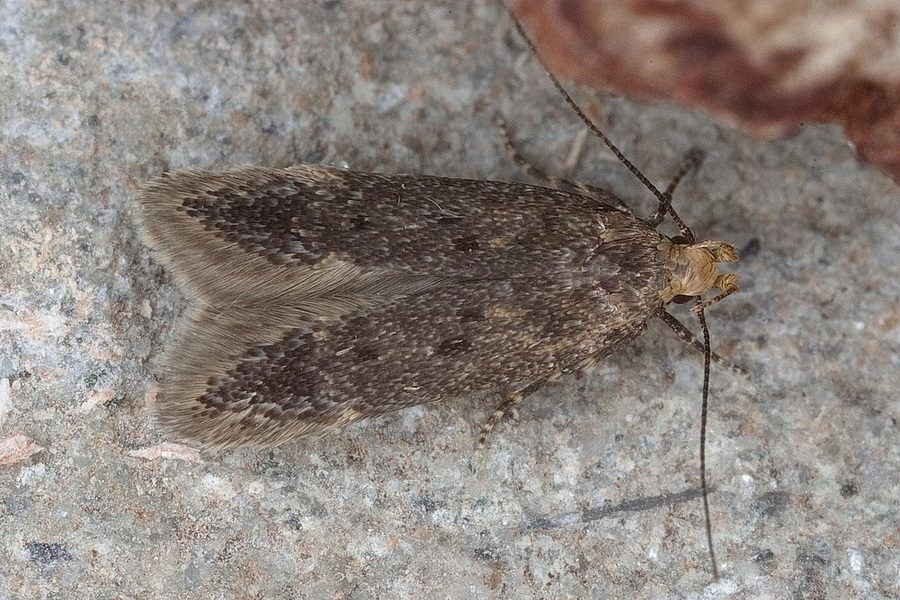
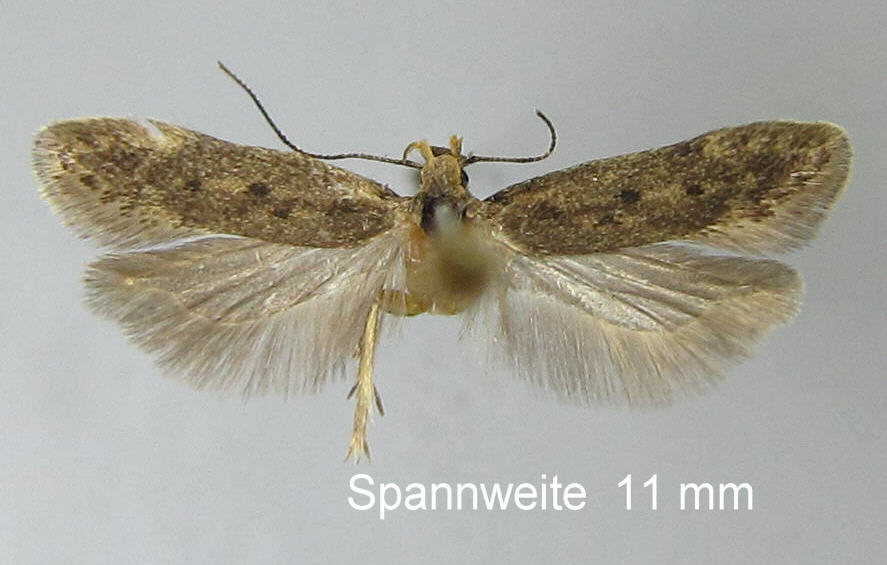
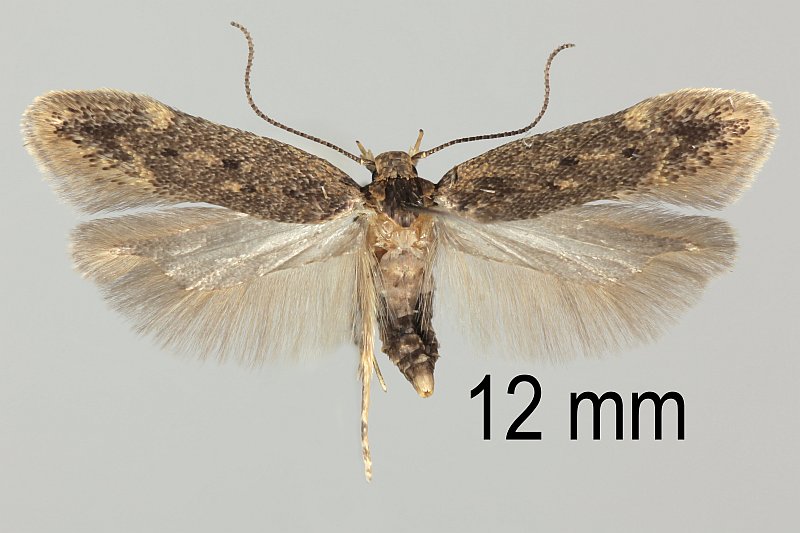
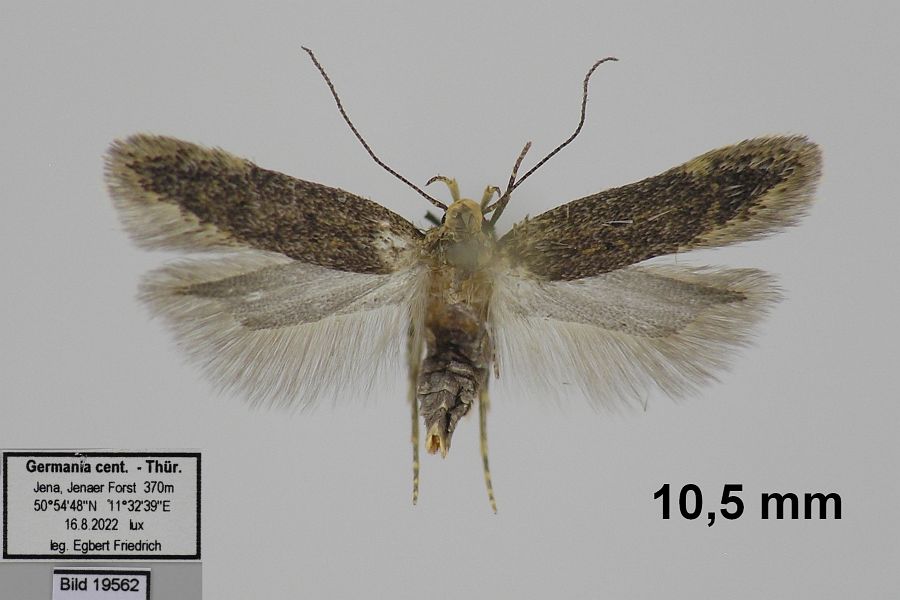
Einen Hinweis, einmal keine Bryotropha terrella vor sich zu haben, liefert die Größe: Vorderflügellänge bei Bryotropha terrella meist 7 - 8 mm, bei Bryotropha senectella 5 - 6 mm. Sicherheit bringt aber erst eine GU. (Peter Buchner)
2.1. Männchen


2.2. Weibchen
2.3. Genitalien
2.3.1. Männchen

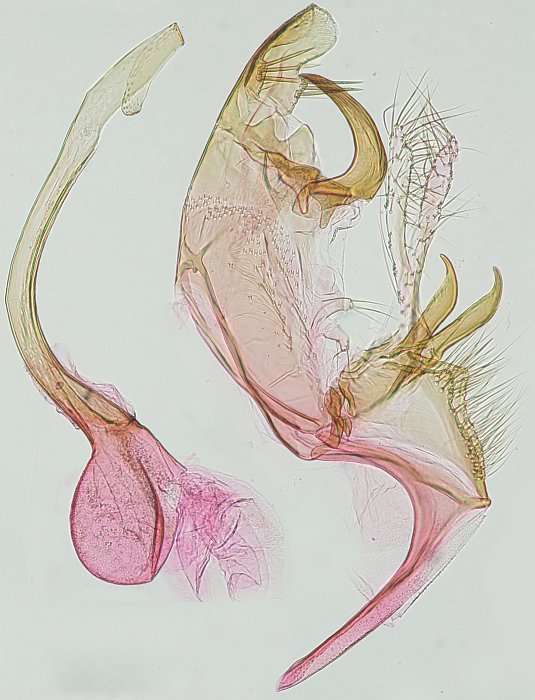
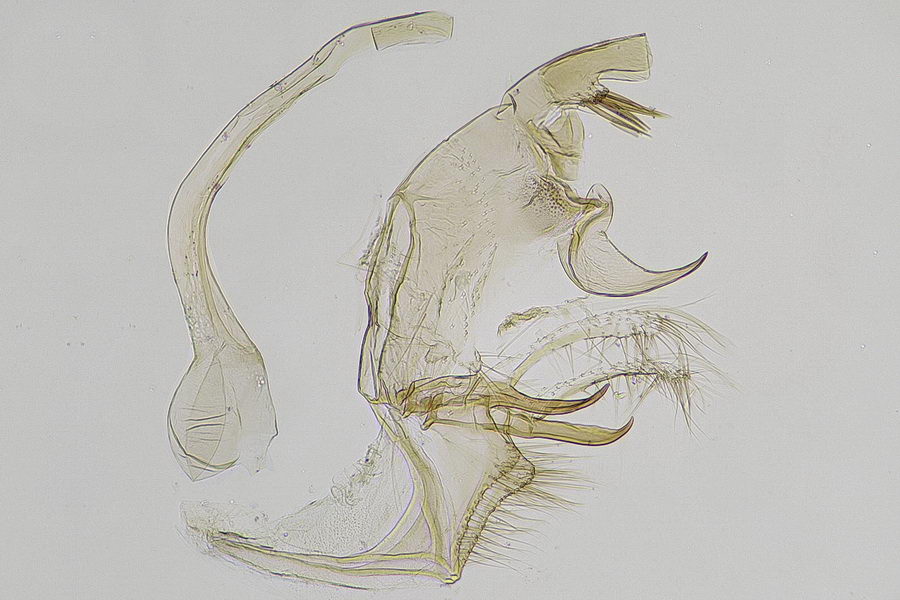
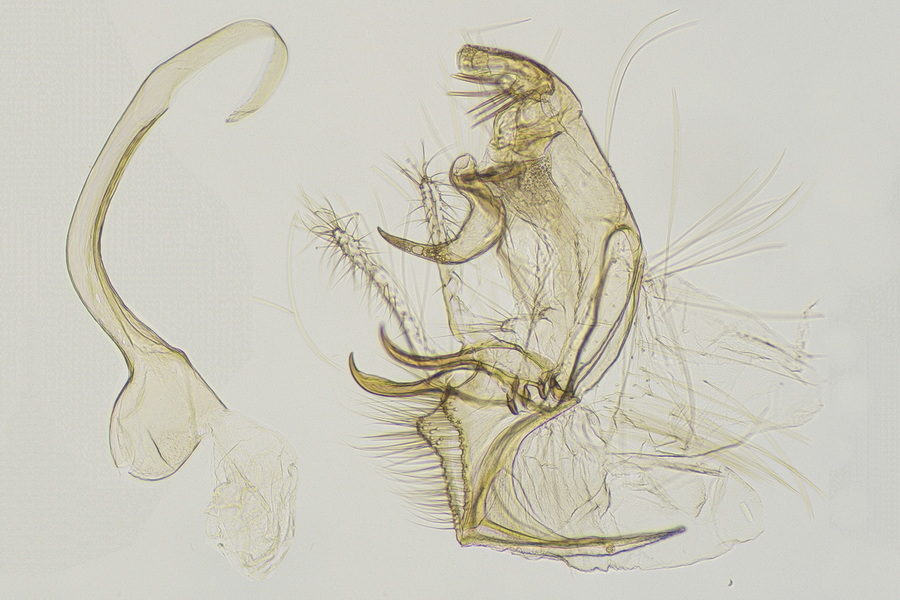
2.3.2. Weibchen


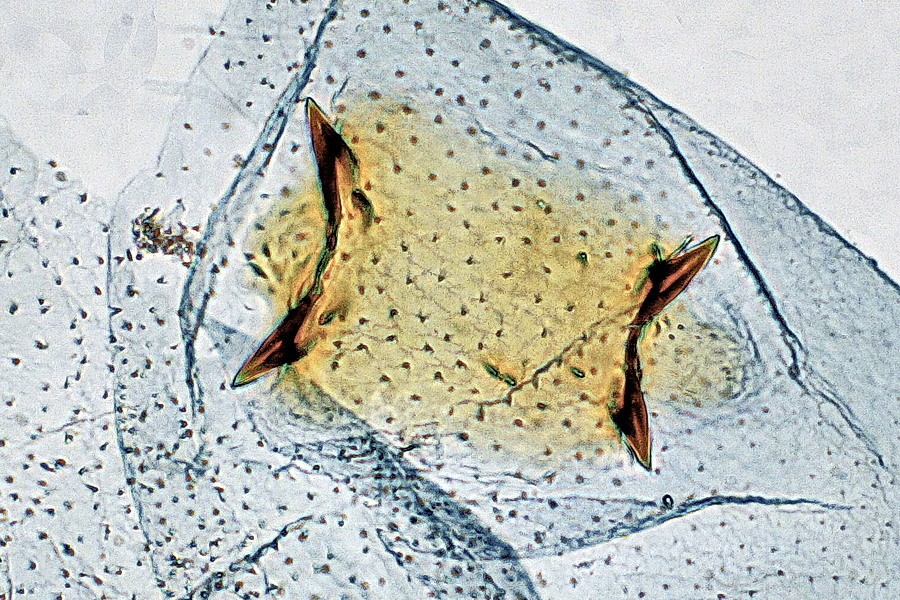

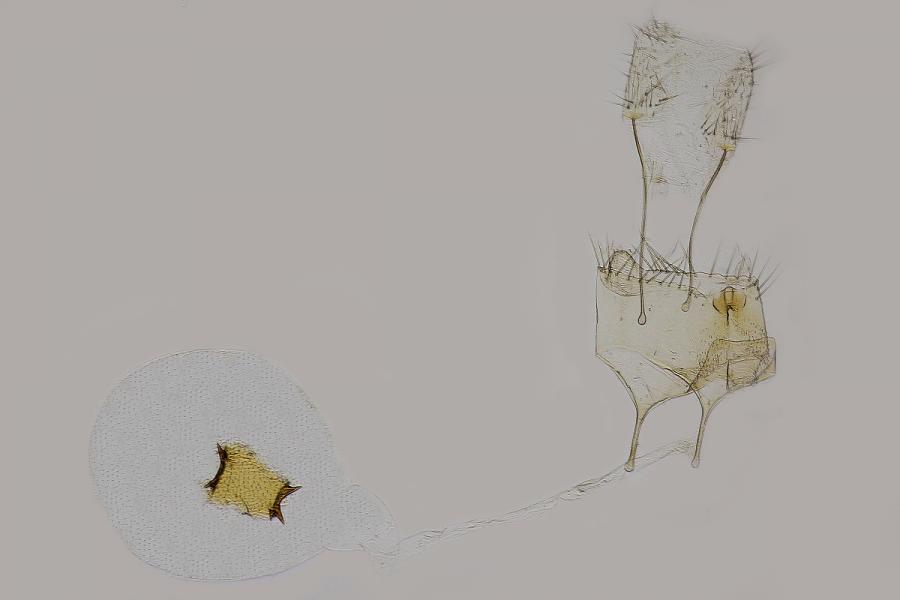

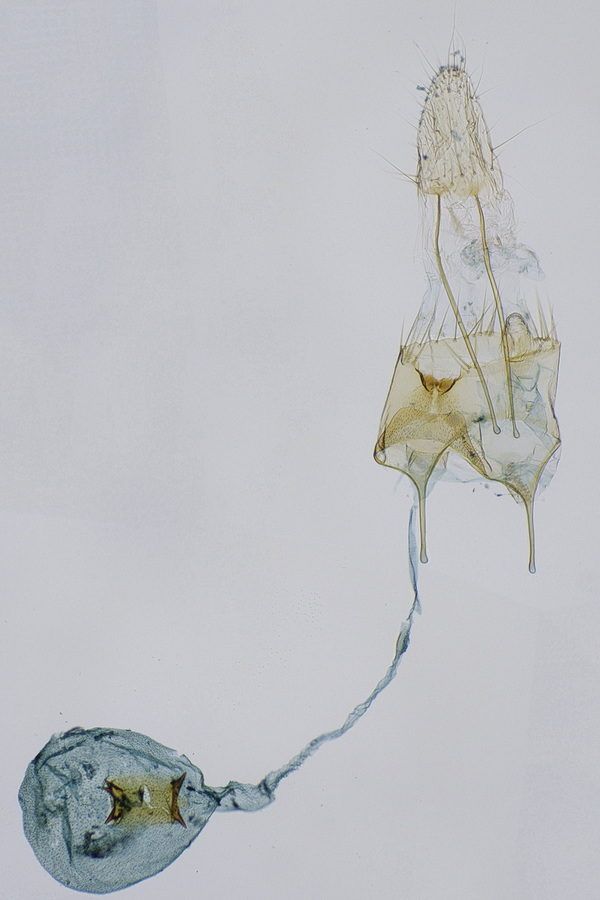
2.4. Erstbeschreibung

3. Biologie
3.1. Nahrung der Raupe
- [Brachytheciaceae:] Homalothecium lutescens (Gelbliches Seidenmoos)
- [Bryaceae:] Bryum sp. (Birnmoos)
Schütze (1931: 13-14) meldete kurz und knapp: "Die Raupe, deren ich im Mai einige unter Steinmoos fand, ist braungrau mit schwarzem Kopf und Nackenschild. [...] Stange erhielt die var. obscurella Heinemann aus Moos."
Es wird vermutet, dass alle Arten der Gattung Bryotopha primär an verschiedenen Moosen leben. Karsholt & Rutten (2005: 144) stellten zu B. senectella zusammen: "The biology has been described by Heckford & Sterling (2002). The larva with head and prothoracic plate blackish brown, body dull purplish or reddish brown, without subdorsal lateral or spiracular lines and anal plate large, brown. It lives in silken tubes amongst Homalothecium lutescens (Hedw.) H. Rob. growing on the ground or on low rocks, or amongst Bryum sp. growing on walls. Adults have been collected from June to early September. Altitudinal range from sea level to 2000 m in central Turkey."
Gregersen & Karsholt (2022: 231-232) wiederholten die Raupenbeschreibung von Heckford & Sterling (2002: 89-91) und schrieben zur Raupennahrung: "Host-plant. Moss, Homalothecium lutescens, growing on the ground or on low rocks, or Bryum growing on walls (Heckford & Sterling 2002: 89-91). The larva lives in a semi-transparent whitish silken tube, which has no moss or grass attached."
(Autor: Erwin Rennwald)
4. Weitere Informationen
4.1. Andere Kombinationen
- Gelechia senectella Zeller, 1839 [Originalkombination]
4.2. Synonyme
- Gelechia ciliatella Herrich-Schäffer, 1854
- Bryotropha obscurella Heinemann, 1870
- Bryotropha minorella Heinemann, 1870
- Bryotropha phoebusella Millière, 1876
- Bryotropha larseni Strand, 1927
4.3. Faunistik
Karsholt & Huemer (2017: 170) listen eine ganze Reihe von Funden vom Omalos Plateau auf Kreta auf.
4.4. Literatur
- Gregersen, K. & O. Karsholt (2022): The Gelechiidae of North-West Europe. — 939 pp., Oslo, Norway (Norwegian Entomological Society).
- Heckford, R.J. & P.H. Sterling (2002): The discovery of the larva of Bryotropha dryadella (Zeller, 1850) and larval descriptions of this species, B. basaltinella (Zeller, 1839), B. umbrosella (Zeller, 1839) and B. senectella (Zeller, 1839) (Lepidoptera: Gelechiidae). — Entomologist’s Gazette 53: 83-91. [Sekundärzitat]
- Karsholt, O. & P. Huemer (2017): Review of Gelechiidae (Lepidoptera) from Crete. — Linzer biologische Beiträge, 49/1: 159-190. [PDF auf zobodat.at]
- SCHÜTZE (1931): 13
- Erstbeschreibung: Zeller, P. C. (1839): Versuch einer naturgemäßen Eintheilung der Schaben. — Isis von Oken 1839 (3): 167–220. Leipzig (Brockhaus).