+7Kontinente:MASA


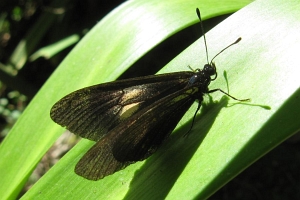
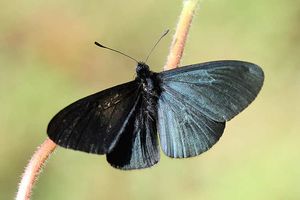
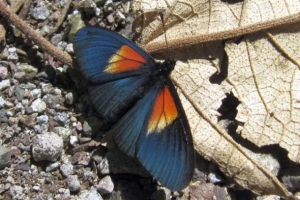
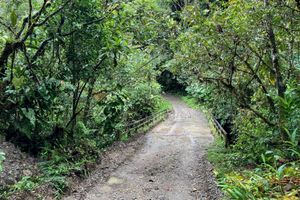
1. Lebendfotos
1.1. Falter


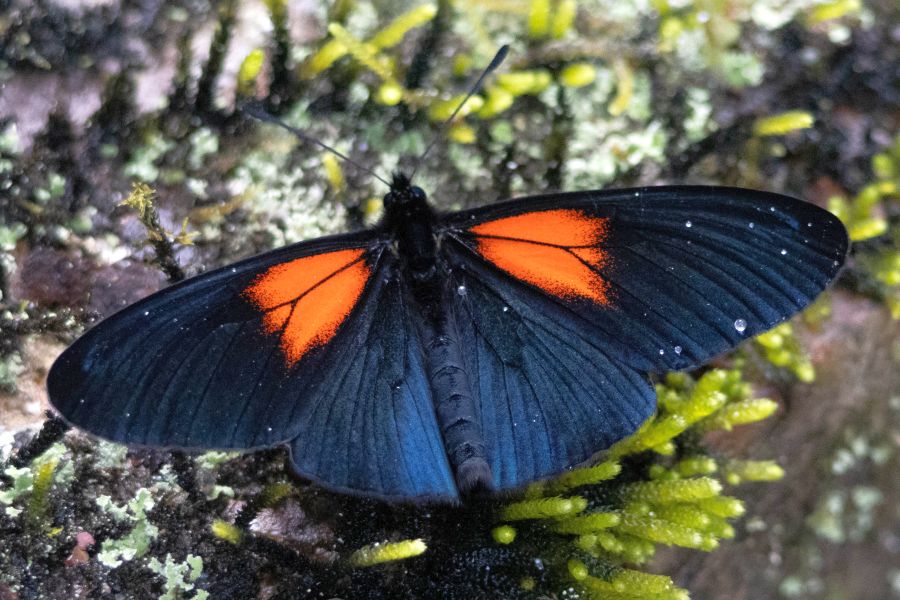
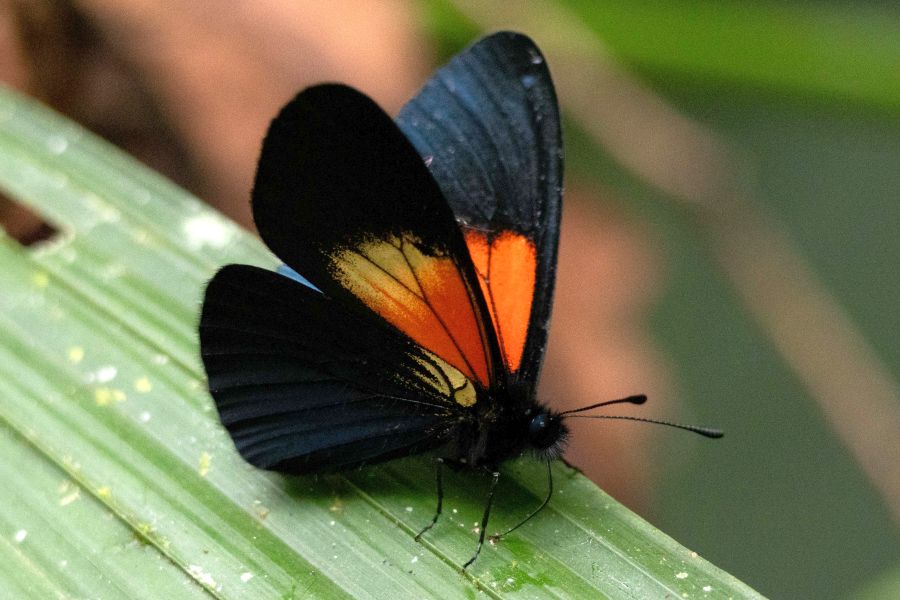
1.2. Ssp. nox
1.2.1. Falter
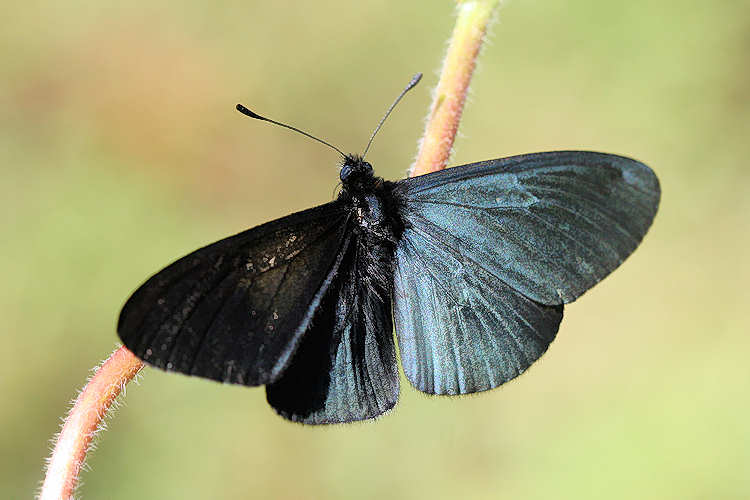
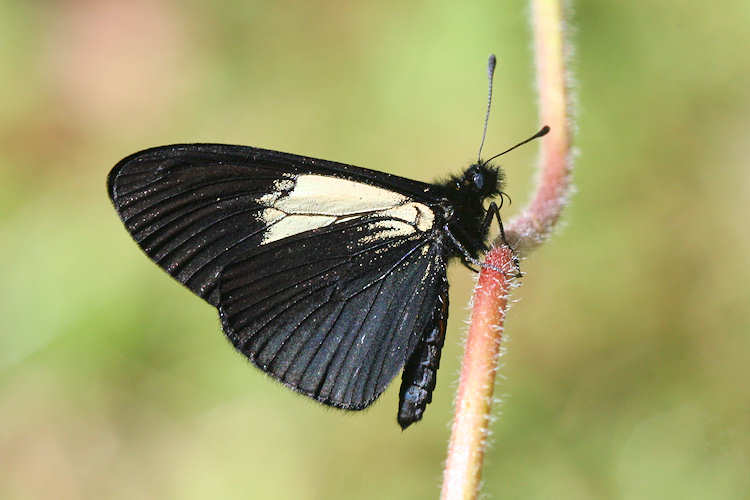
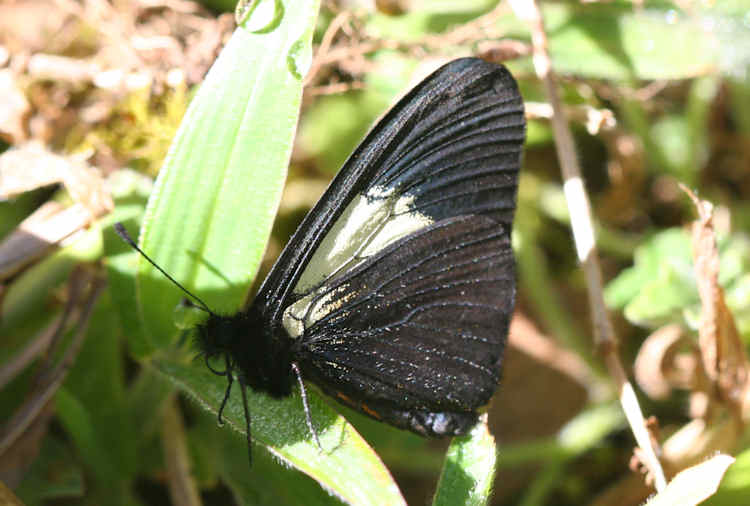
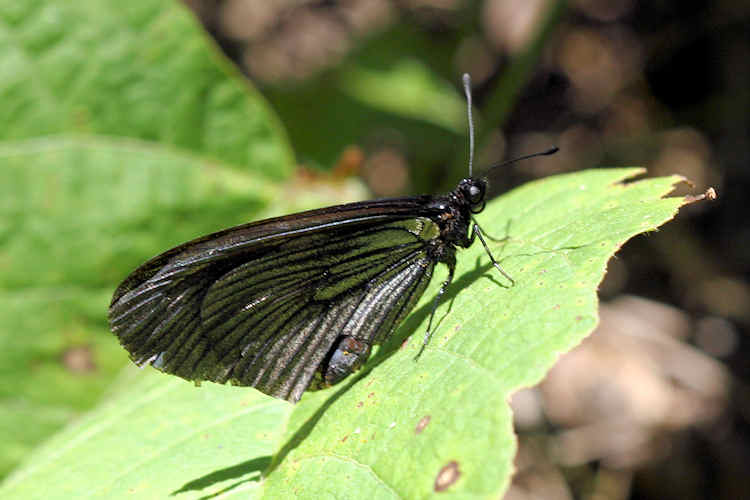
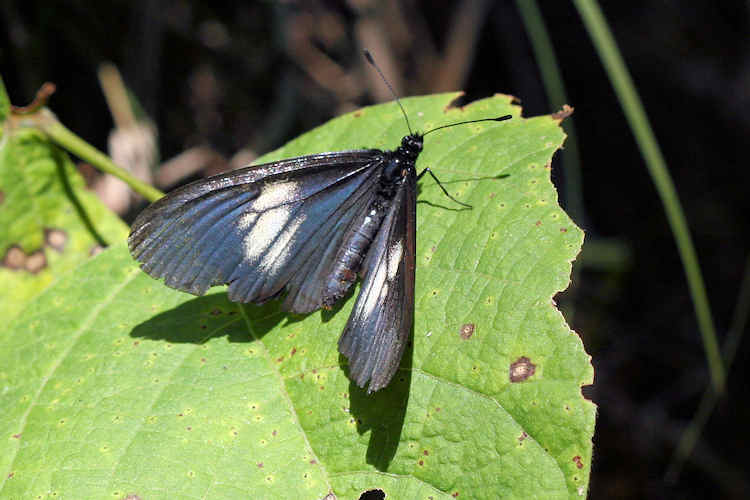
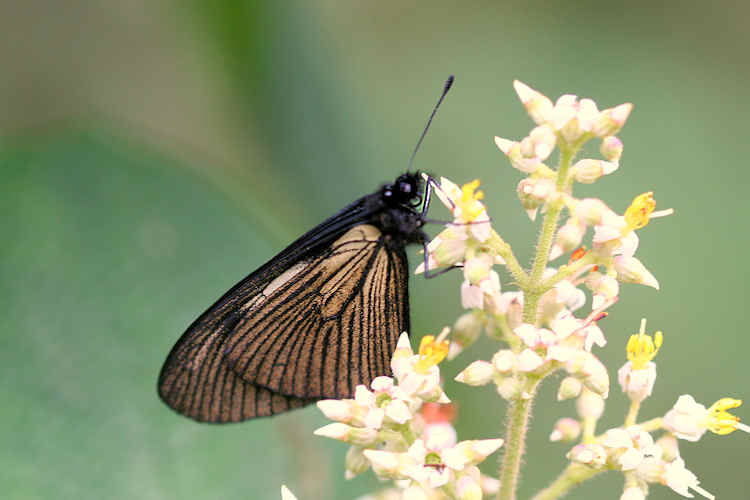
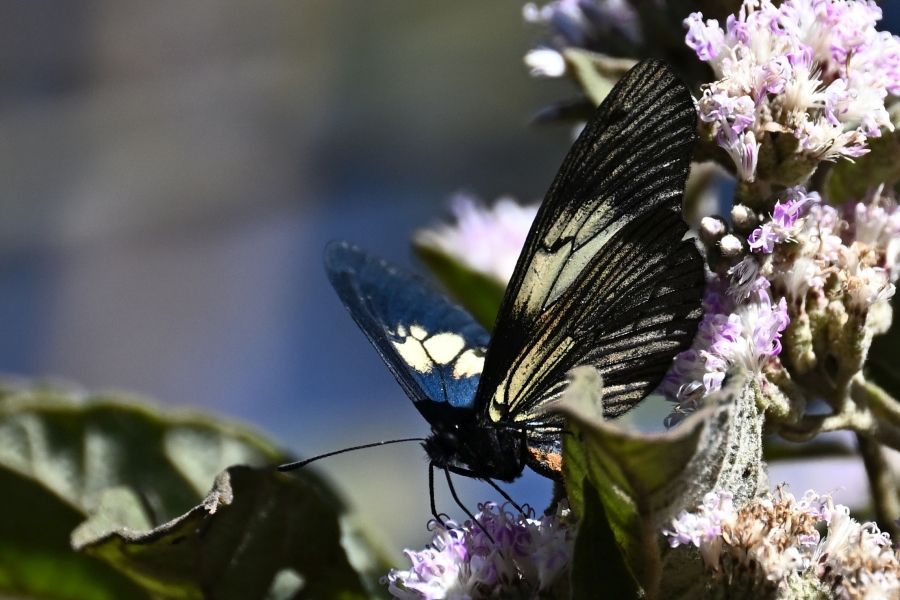
1.3. Ssp. gabrielae
1.3.1. Falter

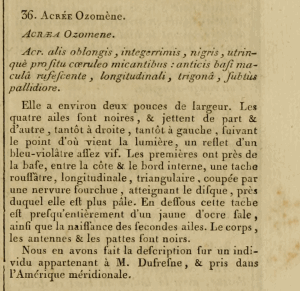
2. Diagnose
2.1. Erstbeschreibung

3. Biologie
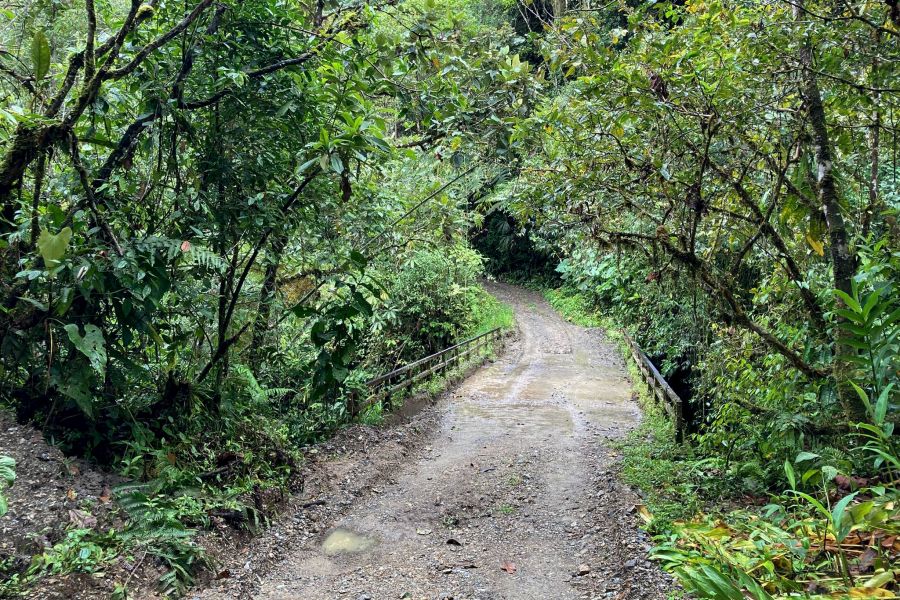
3.1. Habitat
3.2. Nahrung der Raupe
- [Asteraceae:] Erato vulcanica
- [Asteraceae:] Munnozia senecionidis
- [Asteraceae:] Clibadium sp.
Die Raupennahrung von Actinote ozomene - wie überhaupt der ehemaligen Altinote-Arten, war lange Zeit fast unbekannt. Duque Velez et al. (2011) konnten dann bei Medellín in Kolumbien klären, dass hier zwei regional häufige Korbblütler genutzt werden: "Eggs of Al. ozomene were collected from leaves of the Asteraceae plants Erato vulcanica (Klatt) H. Rob (Fig. 1) and Munnozia senecionidis Benth (Fig. 2; Velez et al. 2008). The former is a shrub, 4 m in height, with a 5-cm diameter stem; the latter has a prostrate habit of growth. Both species are abundant in the study area, especially in open areas, scrub and forest edges and along stream margins, paths and tracks (Toro 2000). Eggs were laid in clusters on the undersides of leaves. Females typically alighted on the underside of the leaf around noon and remained there for over 2.5 hours, laying eggs (Fig. 3). Eggs and/or larvae were often found concentrated on plants within close proximity. Eggs were sometimes laid on plants where eggs or larvae were already present (up to two egg clutches were found on the same plant), generally on different leaves on large plants, and rarely on the same leaf." Die Autoren beschreiben und zeigen alle Larvalstadien im Detail. Sie können in ihrer Diskussion noch ergänzen: "Valencia et al. (2005) recorded Clibadium sp. (Asteraceae) as a host plant for Al. ozomene in the Western Cordillera of the Colombian Andes."
(Autor: Erwin Rennwald)
4. Weitere Informationen
4.1. Andere Kombinationen
- Acraea ozomene Godart, 1819 [Originalkombination]
- Altinote ozomene (Godart, 1819) [bis Zhang et al. (2021) übliche Kombination]
4.2. Unterarten
- Actinote ozomene cleasa (Hewitson, 1868) [Unterart nach funet.fi]
- Actinote ozomene carbonaria (Hopffer, 1874) [Unterart nach funet.fi]
- Actinote ozomene calimene (Rebel, 1902) [Unterart nach funet.fi]
- Actinote ozomene gabrielae (Rebel, 1902) [Unterart nach funet.fi]
- Actinote ozomene nox (Bates, 1864) [Unterart nach funet.fi]
4.3. Taxonomie
Die meisten Arten der späteren Gattungen Actinote und Altinote wurden zunächst in der Kombination mit Acraea beschrieben. Die meisten der späteren Altinote-Arten waren erst einmal mit Actinote kombiniert. Die Verwirrung in der Benennung war damit perfekt. Doch nach Zhang et al. (2021: 46-47) ist es anhand der Barcode-Abstände besser, Altinote allenfalls als Untergattung von Actinote zu akzeptieren. Sie begründen: "In agreement with previous studies (Silva-Brandao et al. 2008; Carvalho et al. 2020), we find that genera Actinote Hübner, [1819] (type species Papilio thalia Linnaeus, 1758), Abananote Potts, 1943 (type species Acraea abana Hewitson, 1868) and Altinote Potts, 1943 (type species Heliconius neleus Latreille, [1813]) are closely related and some of them are not monophyletic as currently circumscribed (Fig. 49). The type species of Abananote and Altinote are quite closely related: e.g. their COI barcodes differ by 6.4% (42 bp) [...], and therefore are congeneric. The Actinote clade is separated from them by a prominent gap (Carvalho et al. 2020), and the barcodes of A. thalia and A. neleus differ by 8.5% (56 bp), which would suggest their attribution to different subgenera. However, species phylogeny is at odds with intuitive phenotypic assessment (Lamas 2004): there is an additional third clade unexpected from phenotypes (Silva-Brandao et al. 2008; Carvalho et al. 2020). Therefore, until these inconsistencies between phenotypic and genetic classifications of this group are sorted out, we propose placing Abananote Potts, 1943 and Altinote Potts, 1943 as junior subjective synonyms of Actinote Hübner, [1819]. This treatment is consistent with the unified, and more genetically diverse, Old World genus Telchinia Hübner, [1819] (type species Papilio serena Fabricius, 1775) that is sister to Actinote sensu lato (Fig. 49)." Dies scheint mittlerweile überwiegend so akzeptiert zu werden. Es wurden zwar nur wenige der bisherigen Altinote-Arten untersucht, aber immerhin die Typusart. Mit weiteren Änderungen innerhalb der Acraeini ist zu rechnen.
Die Gattung Altinote war von Potts (1943: 31) eingeführt worden, der argumentierte: "All members of the subfamily Acraeinae have heretofore been placed in a single genus, Actinote. Within this genus there is a marked natural division into two well-defined groups. Dr. K. Jordan (in Seitz, Gross-Schmett. ) and others have noted this, but without according the groups a status above the section. It now appears that they merit generic standing. [...] Forewing underneath scaled between costal and subcostal veins in distal portion, not normally bearing bristles; hindwing beneath always with a central row of bristles on disco-cellular fold. Mountainous tropics. Type species: Heliconius neleus Latreille. In general Altinote may be distinguished from Actinote by color pattern and distribution. Actinote contains only species with patterns on both wings, being normally more or less transparent and thinly scaled, yellowish or whitish in tone with dull or rarely dark markings. Altinote normally show patterns on the forewing or underside only, these being bright red, orange, yellow or white against a consistently dark ground often showing irridescence, only a few species exhibiting any hindwing pattern and only one becoming dull; all being rather densely scaled. The Altinote are typically confined to the Andes and its outriders, while the Actinote center in the Amazon basin and are commonest near tidewater, although there is a considerable overlapping."
(Autor: Erwin Rennwald)
4.4. Faunistik
Nach [Global Biodiversity Information Facility] kommt die Art in Mexiko, Kolumbien, Costa Rica, Ecuador, Guatemala, Nicaragua, Panama, Honduras, El Salvador, Peru?, Chile? und Kamerun? vor.
Locus typicus gemäß Erstbeschreibung: Amérique méridionale.
(Autor: Michel Kettner)
4.5. Literatur
- Duque Velez, P., Vargas Montoya, H.H. & M. Wolff (2011): Immature stages and natural history of the Andean butterfly Altinote ozomene (Nymphalidae: Heliconiinae: Acraeini). — Zoologia, 28 (5): 593–602. doi: 10.1590/S1984-46702011000500007. [zum PDF-Download auf researchgate.net]
- Erstbeschreibung: Latreille & Godart (1819): Encyclopédie méthodique. Histoire naturelle. Entomologie, ou histoire naturelle des crustacés, des arachnides et des insectes 9 (1): 1-328. Paris (Agasse).
- Potts, R.W.L. (1943): Systematic notes concerning American Acraeinae (Lepidoptera: Nymphalidae). - The Pan-Pacific Entomologist, 19 (1): 31-32. [Digitalisat auf aurchive.org]
- Zhang, J., Cong, Q., Shen, J., Opler, P.A. &N.V. Grishin (2021): Genomics-guided refinement of butterfly taxonomy. — The Taxonomic Report of the International Lepidoptera Survey, 9 (3): 1-55. [PDF auf lepsurvey.carolinanature.com]