+2Kontinente:AS



1. Lebendfotos
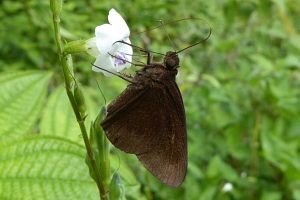
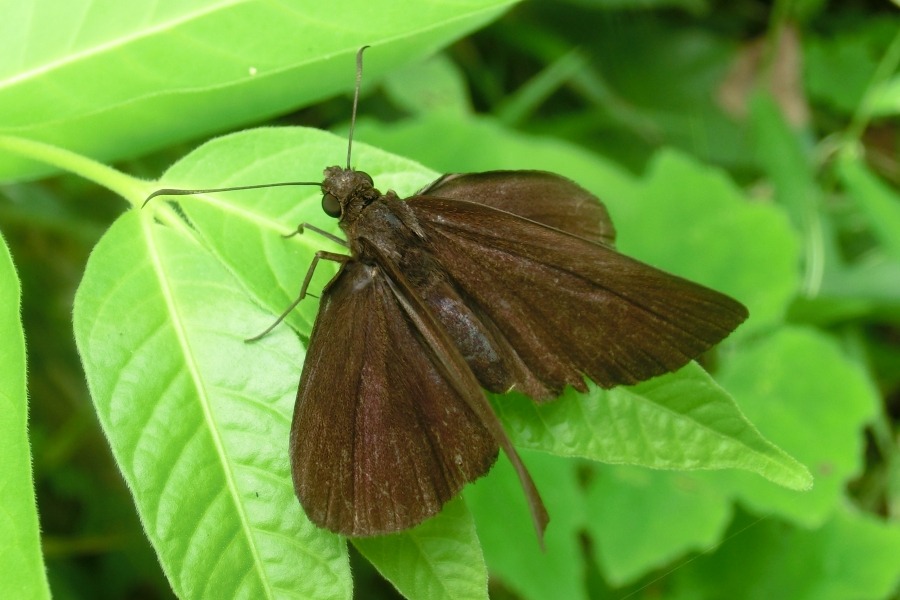
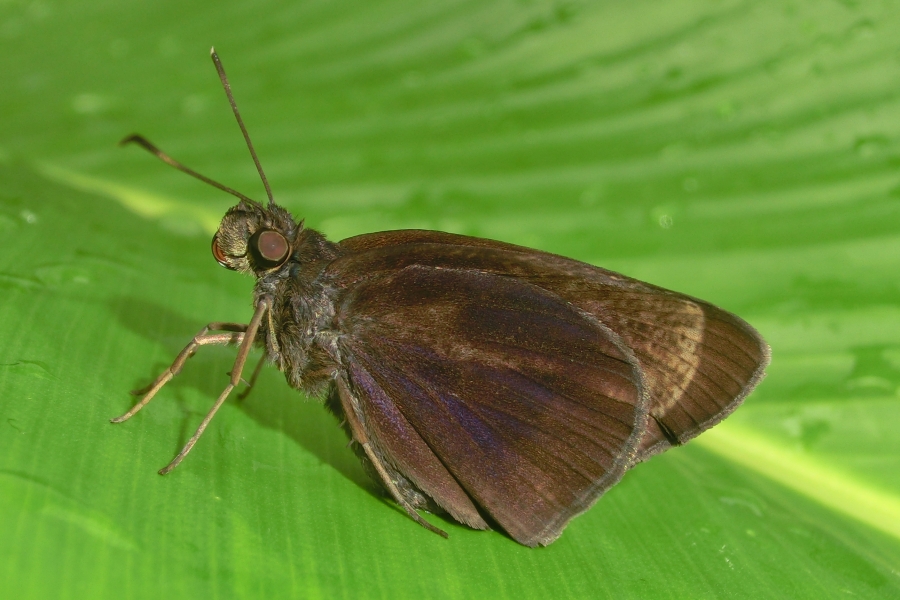
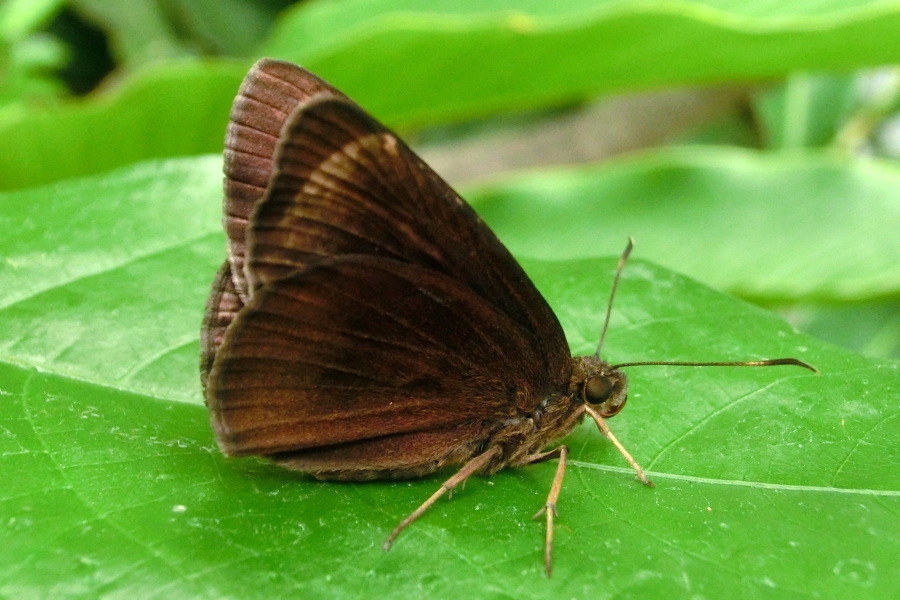
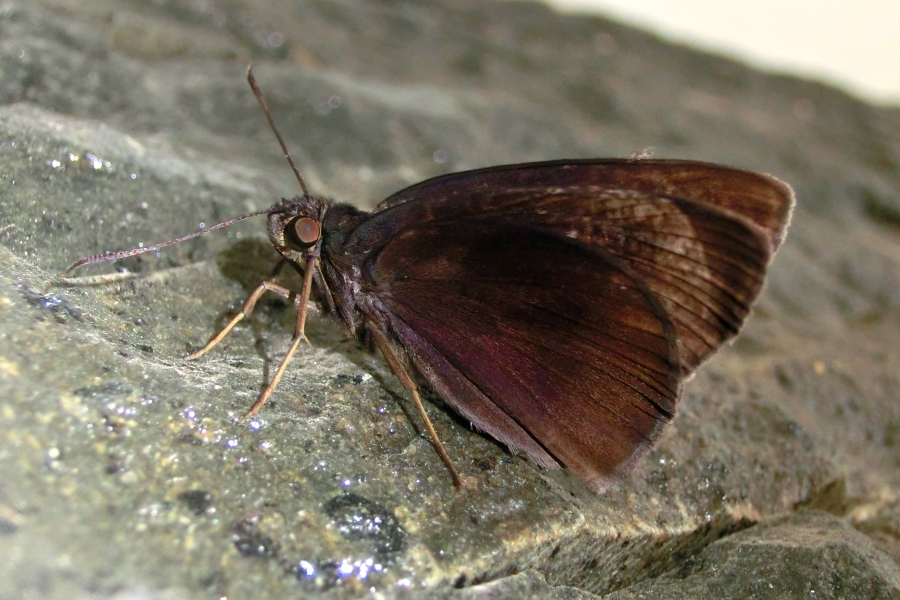
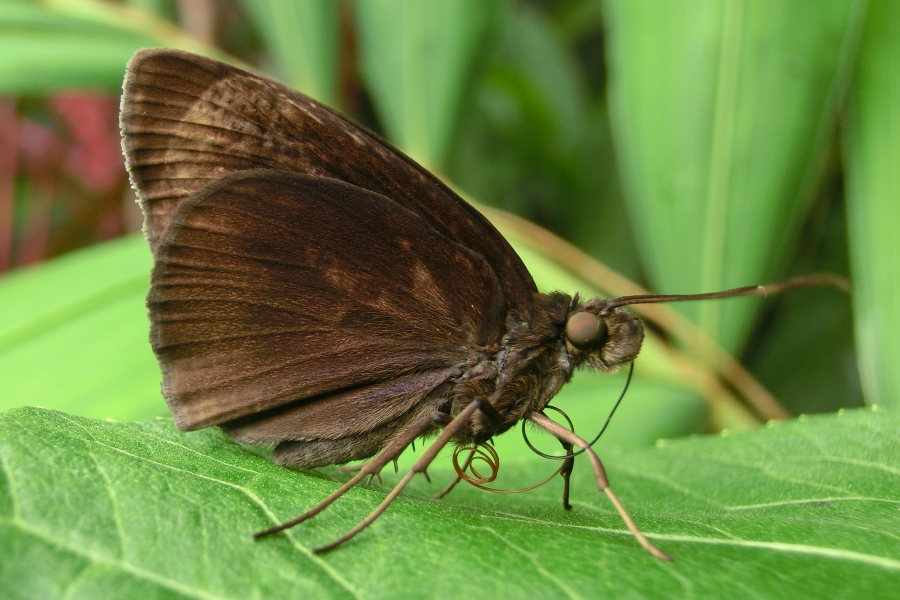
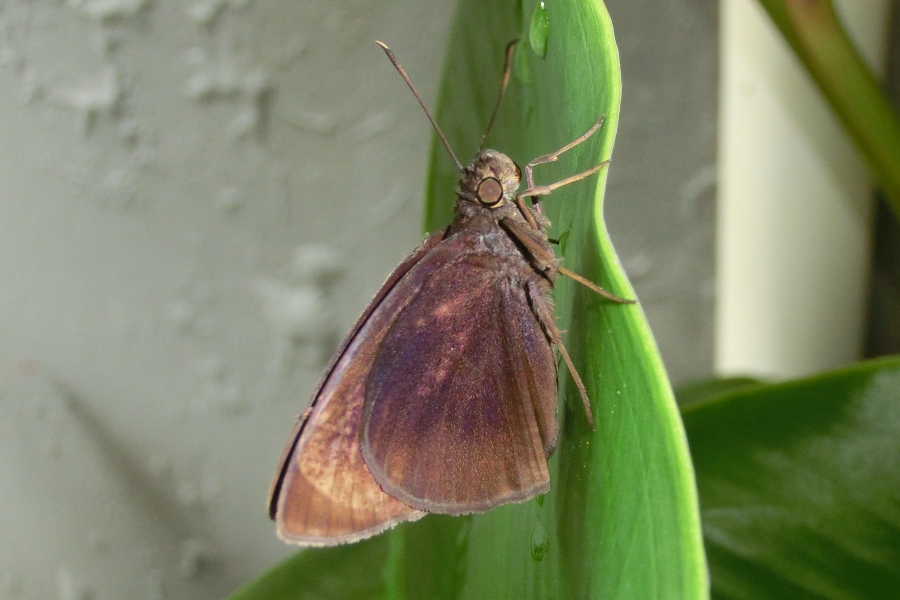
1.1. Falter

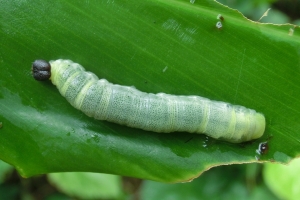
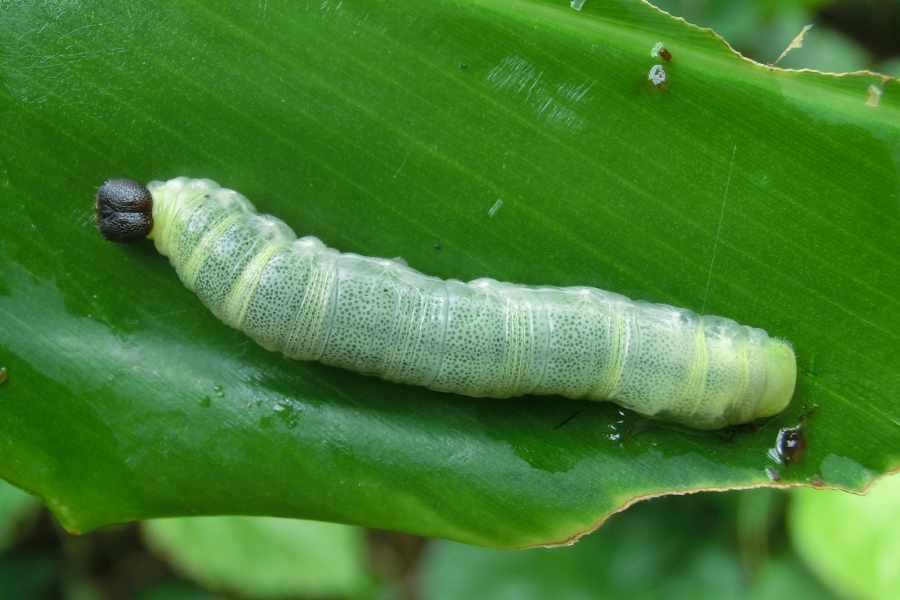
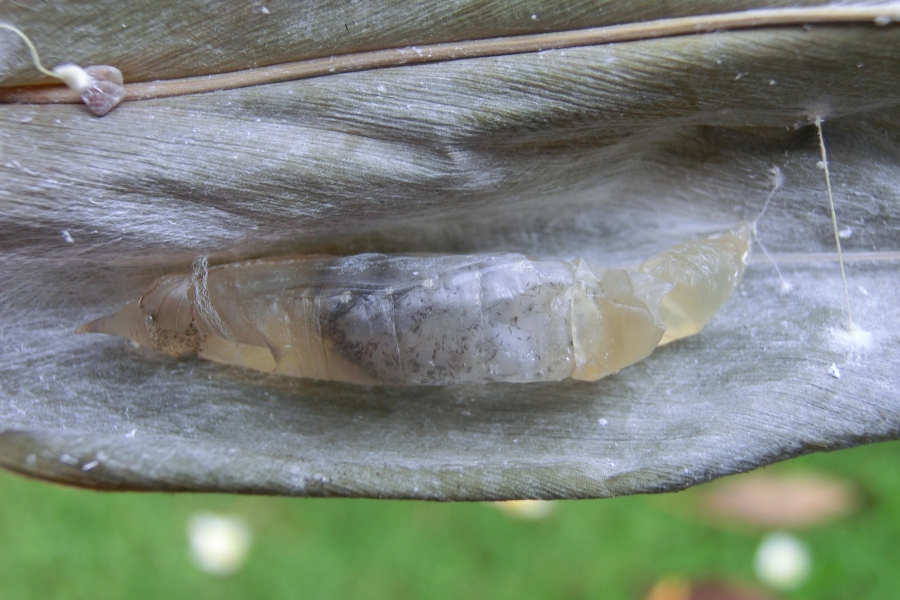
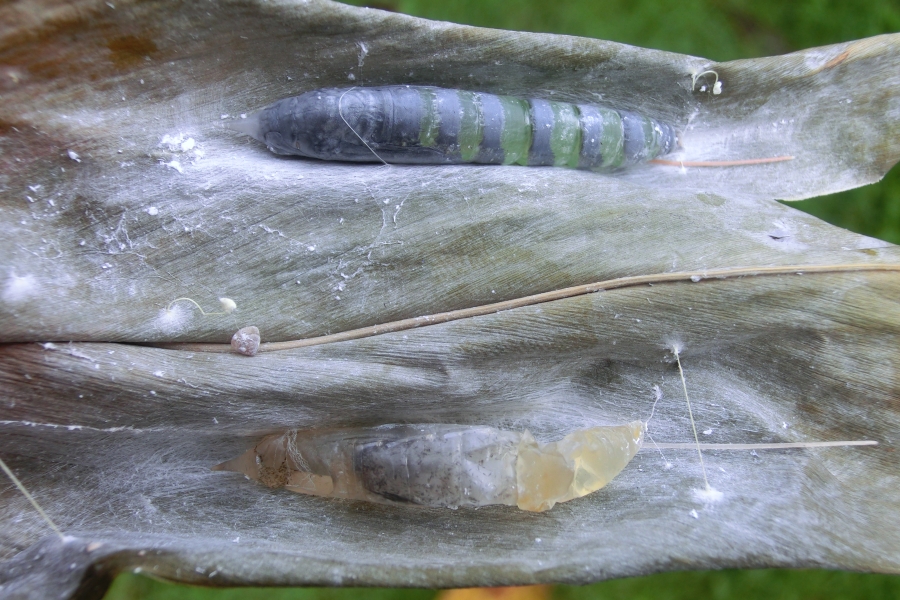
1.2. Raupe
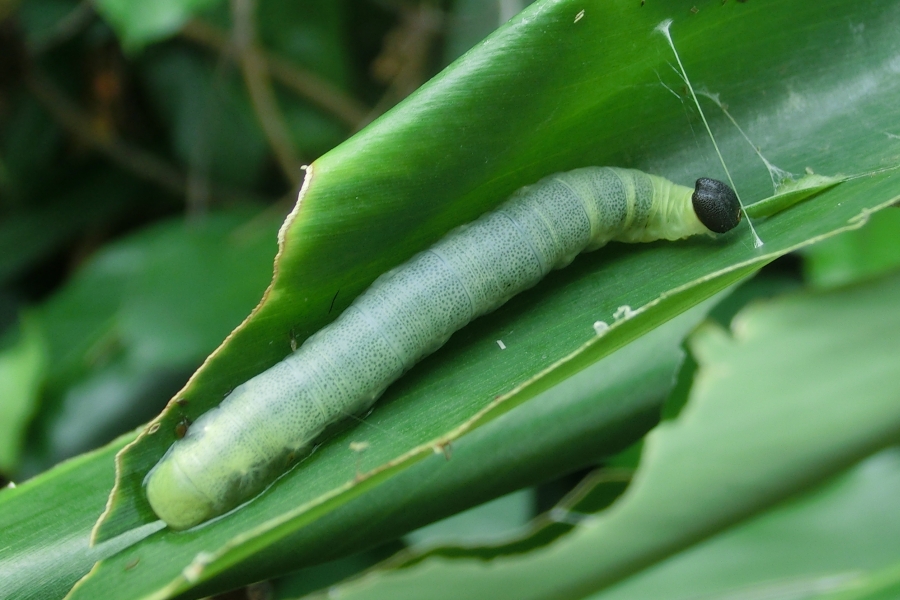
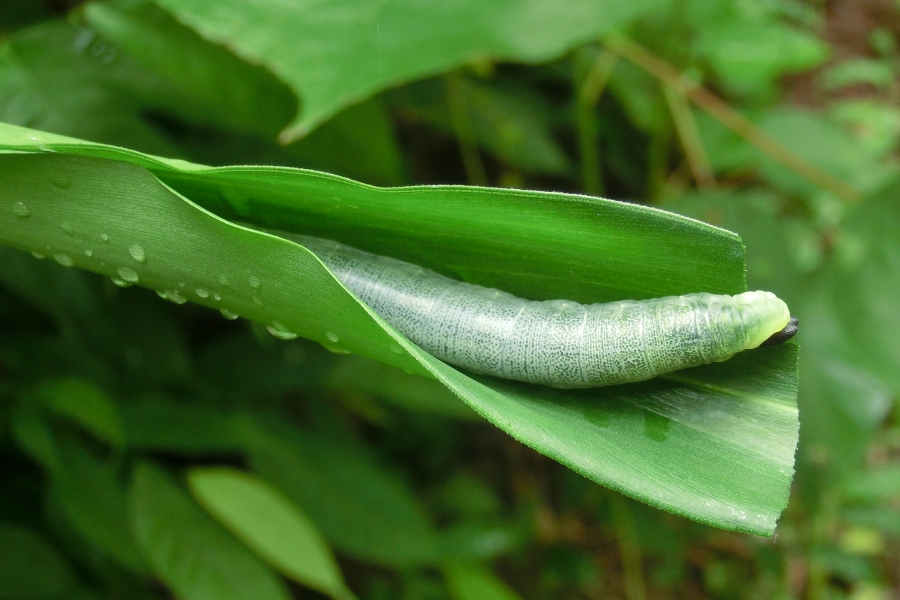
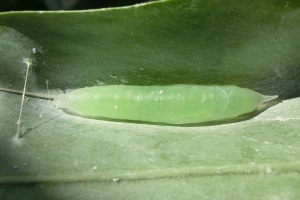
1.3. Puppe

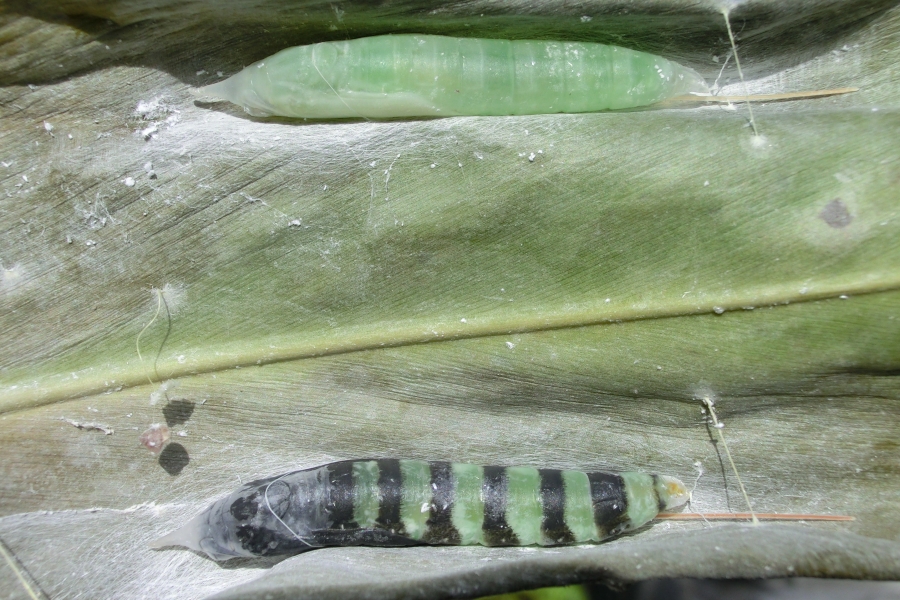
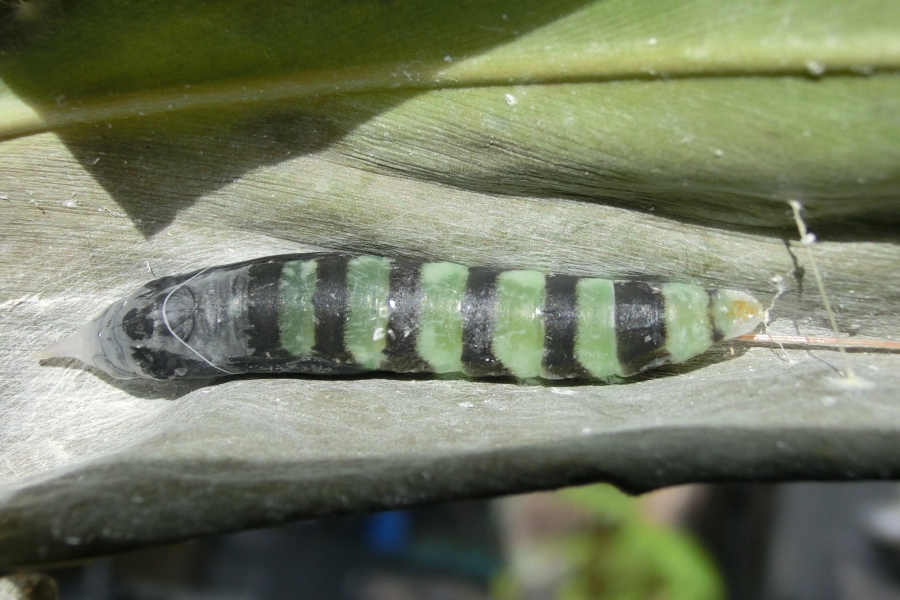
2. Diagnose
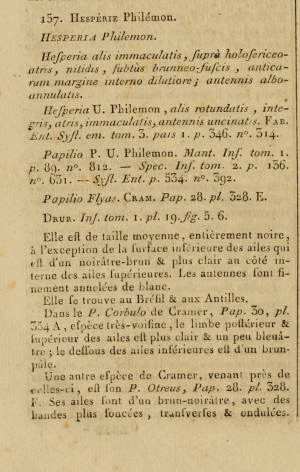
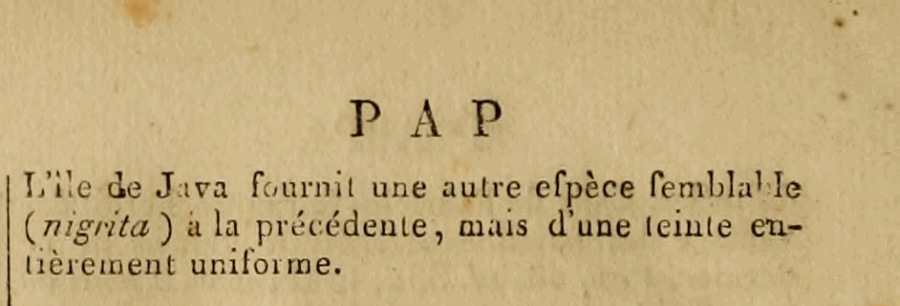
2.1. Erstbeschreibung

3. Biologie
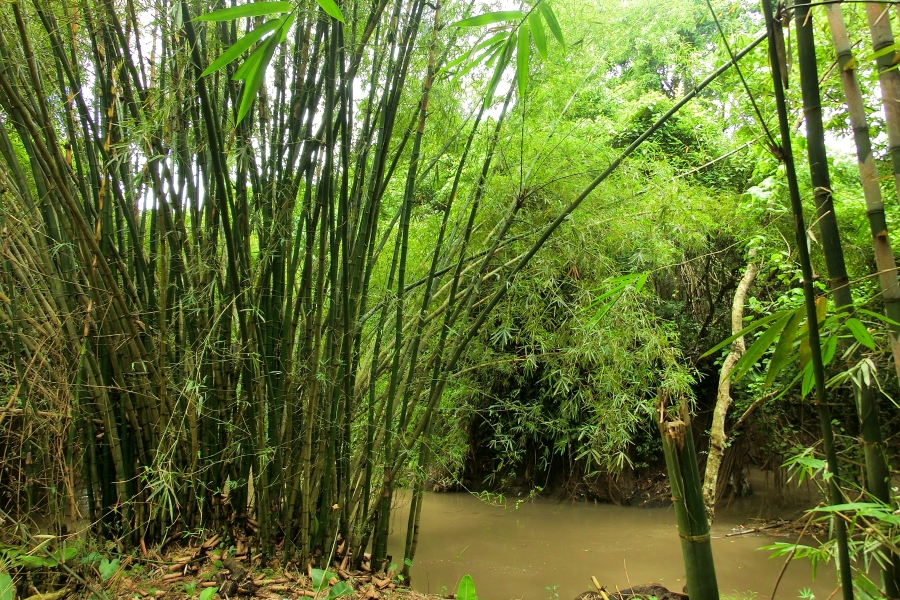
3.1. Habitat


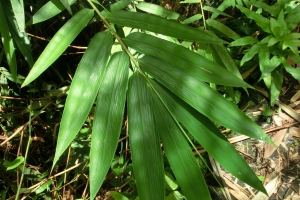
3.2. Raupennahrungspflanze
4. Weitere Informationen
4.1. Andere Kombinationen
- Hesperia nigrita Latreille, [1824] [Originalkombination]
- Ancistroides nigrita (Latreille, [1824])
4.2. Synonyme
- Nisoniades diocles Moore, [1866] [jetzt Unterart: Tamela nigrita diocles (Moore, [1866])
- Kerana diocles (Moore, [1866])
- Tamela diocles (Moore, [1866])
4.3. Unterarten
- Tamela nigrita diocles (Moore, [1866]) [Unterart nach funet.fi]
- Tamela nigrita othonias (Hewitson, 1878) [Unterart nach Xue et al. (2022)]
- Tamela nigrita maura (Snellen, [1880]) [Unterart nach funet.fi]
4.4. Taxonomie
Swinhoe (1913: 207) beschrieb die Unterfamilie "Notocryptinae" für Arten der Gattung Notocrypta aber auch für Kerana und seine neue Gattung Tamela mit "Nisoniades diocles Moore, 1865" als Typusart. Tamela und auch Kerana wurden später meist mit Ancistroides synonymisiert. Huang et al. (2024) kommen aber zu einem anderen Schluss und befreien beide Gattungen wieder aus der Synonymie: "Our phylogenetic results showed that Ancistroides group sensu Evans (1949) or Ancistroidini sensu Chou (1994) consisted of at least two distantly related lineages (Fig. 5): (1) the traditional Ancistroides, Udaspes, and Notocrypta formed a monophyletic clade with strong support, sharing the following characters: the vein M2 is more or less decurved at origin, where it is always nearer to M3 than to M1. As in Zhang et al. (2022a), our results also indicated that the genus Ancistroides is not monophyletic, comprising three separate clades. The type species Ancistroides longicornis clustered together with Udaspes and Notocrypta with strong support. Ancistroides nigrita was recovered as an isolated clade and the other two species (A. gemmifer and A. armatus) formed a clade. Morphological evidence shows that A. gemmifer and A. nigrita are considerably different from A. longicornis in the male genitalia with bifid uncus, of which the distal 1/3 is V-shaped. On the other hand, like those in Notocrypta and Udaspes, the uncus of A. longicornis is U-shaped at more than 2/3 of the length. In addition, A. armatus and A. gemmifer (previously belonged to the genus Kerana Distant) and A. nigrita (the type species of the genus Tamela Swinhoe) differ in the characteristics of valvae and gnathos. Both the morphological and phylogenetic analyses suggest that these three genera (Ancistroides sensu strict, Notocrypta, and Udaspes) should be congeneric. Thus, we agree with Zhang et al. (2022a) to reinstate two genera Kerana and Tamela as valid, both of which were synonymized with Ancistroides by Evans (1949), and to treat Notocrypta and Udaspes as synonyms of Ancistroides based on the rule of priority."
(Autor: Erwin Rennwald)
4.5. Literatur
- Evenhuis, N. L. (2003): Dating and publication of the Encyclopédie Méthodique (1782–1832), with special reference to the parts of the Histoire Naturelle and details on the Histoire Naturelle des Insectes. — Zootaxa 166: 1-48.
- Huang, Z., Chiba, H., Hu, Y., Deng, X., Fei, W., Sáfián, S., Wu, L., Wang, M. & X. Fan. (2024): Molecular phylogeny of Hesperiidae (Lepidoptera) with an emphasis on Asian and African genera. — Molecular Phylogenetics and Evolution, 198: 1-13. [zum PDF-Download auf researchgate.net]
- Erstbeschreibung: Latreille [1824]: Encyclopédie méthodique. Histoire naturelle. Entomologie, ou histoire naturelle des crustacés, des arachnides et des insectes 9 (2): 329-828. Paris (Agasse).
- Swinhoe, C. (1912-1913): Lepidoptera Indica. Vol. X. Rhopalocera. Family Hesperiidae (concluded). Sub-families Celaenorrhinae, Hesperiinae, Pamphilinae, Astictopterinae, Suastinae, Erionotinae, Matapinae, Notocryptinae, Plastingiinae, Erynninae. Followed by an addenda of new genera and species, a synopsis of families and sub-families, and an index of genera and species for the complete work. - 358 pp., 79pls); London (L. Reeve & Co). [S. 207, Digitalisat auf biodiversitylibrary.org]
- Xue, G., Qu, P., Li, M., Chiba, H. & W. Li (2022): Molecular and morphological evidences confirm the statuses of Ancistroides othonias (Hewitson, 1878) and the subspecies of A. nigrita (Latreille, [1824]), sensu Evans 1949 (Lepidoptera, Hesperiidae). — Zootaxa 5205 (5): 481-490. [Abstract und PDF hinter Bezahlschranke auf mapress.com]