+2Kontinente:AF

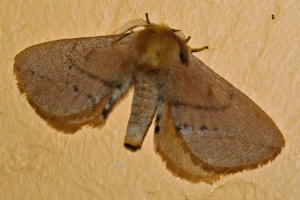
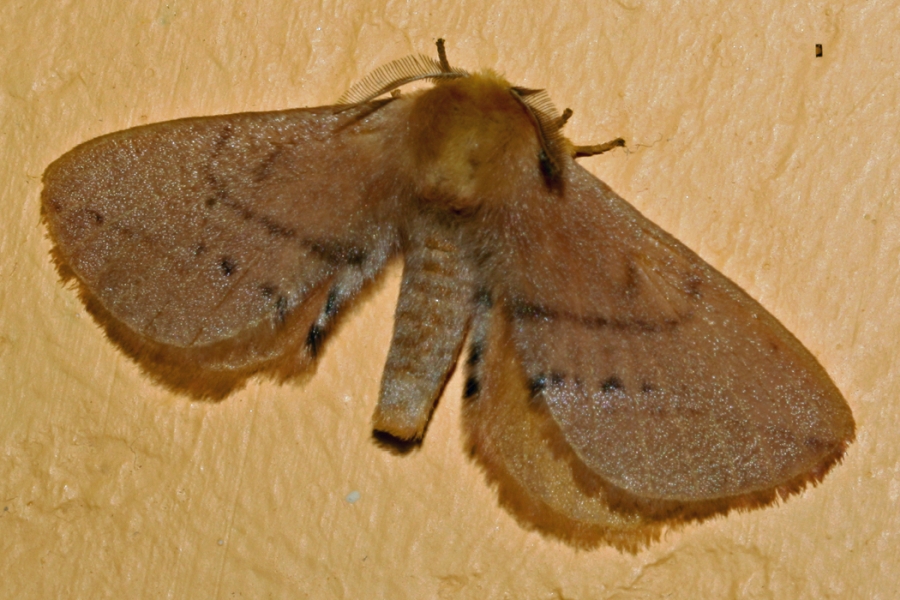
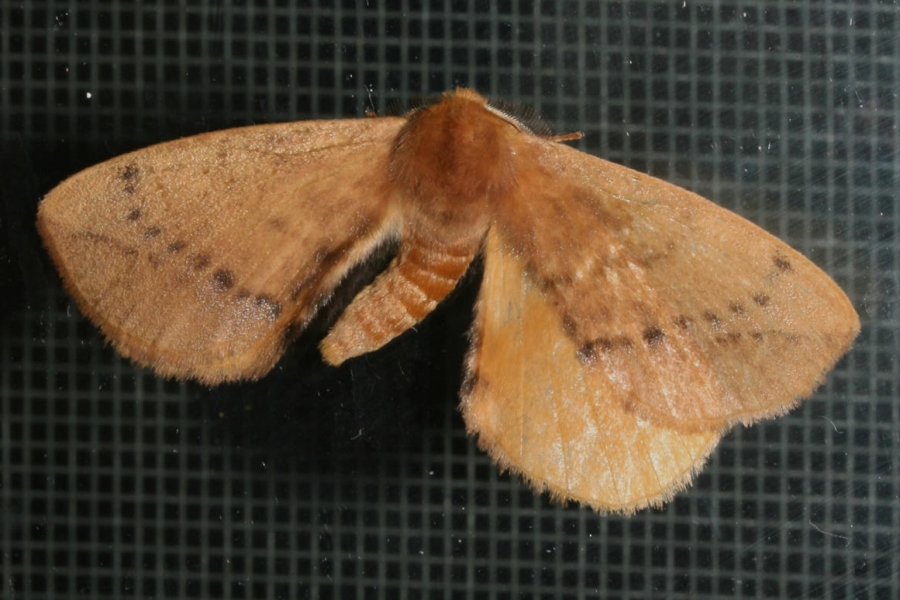
1. Lebendfotos
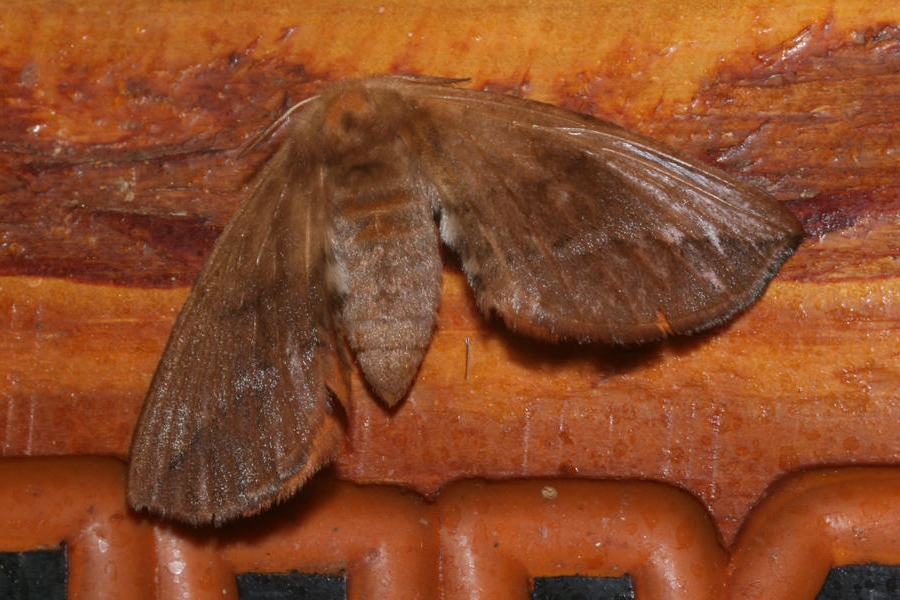
1.1. Falter
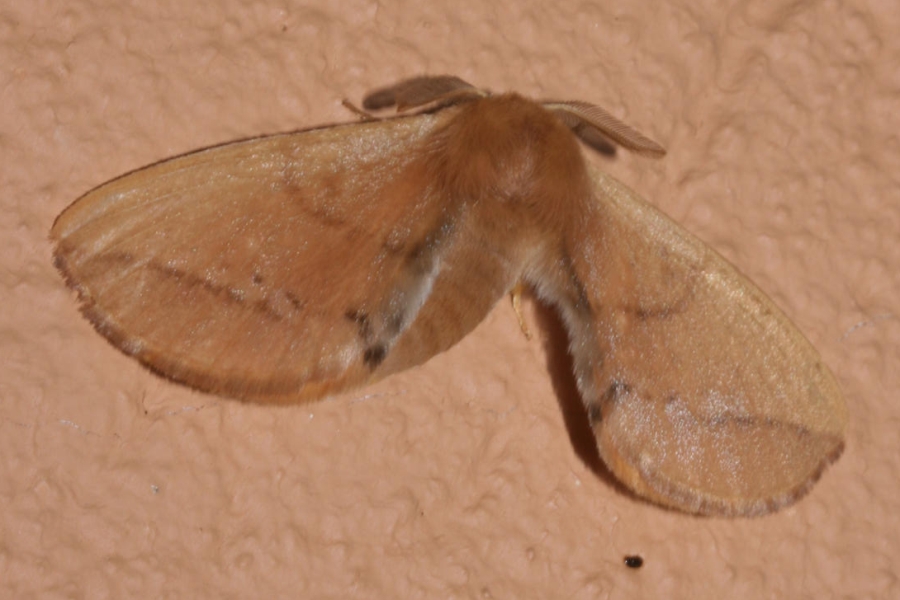
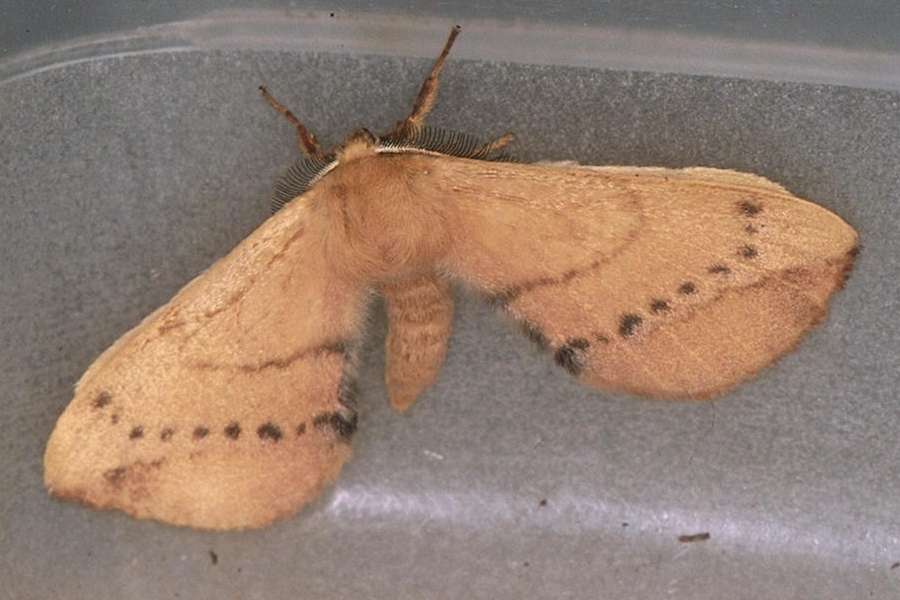
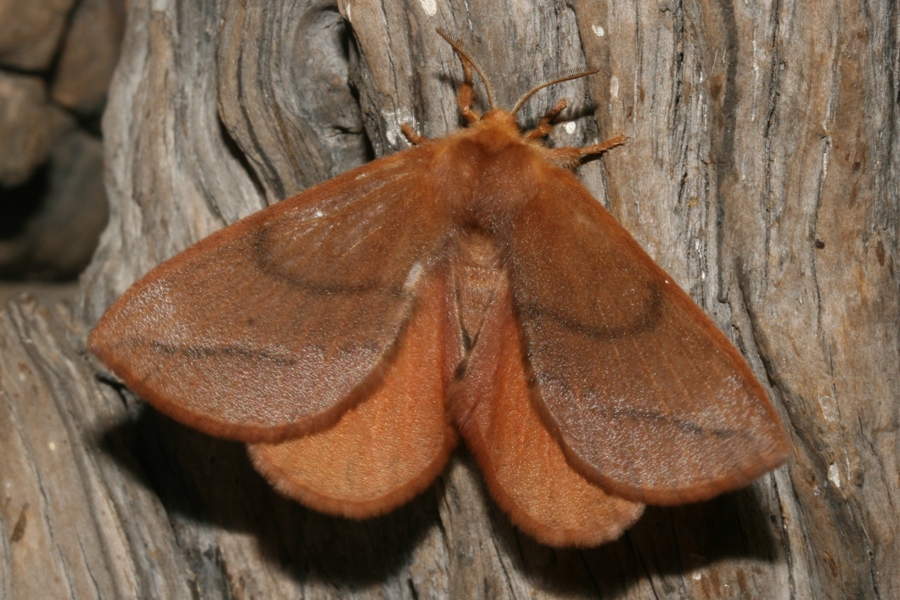
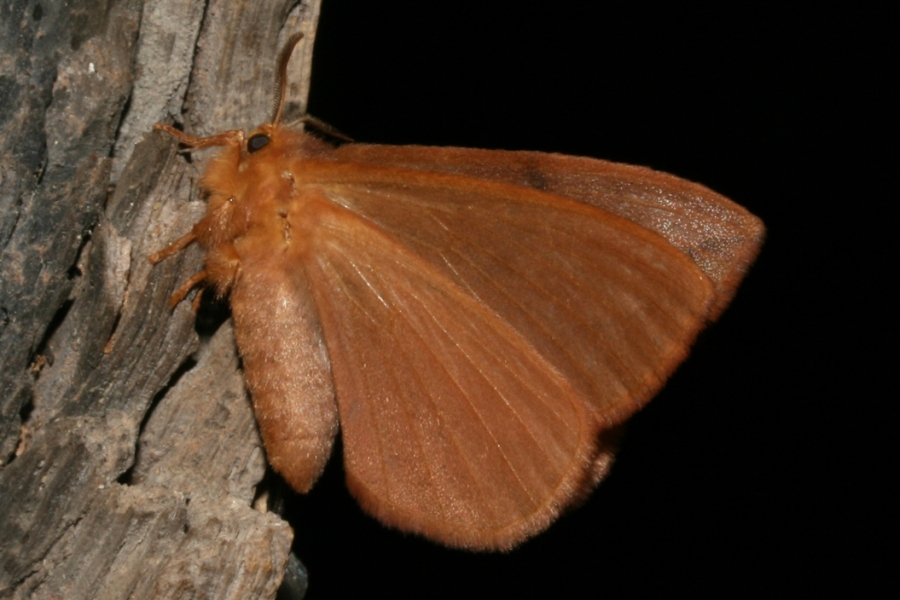
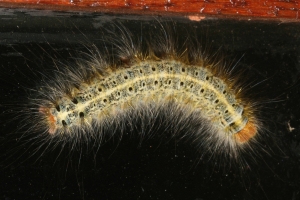
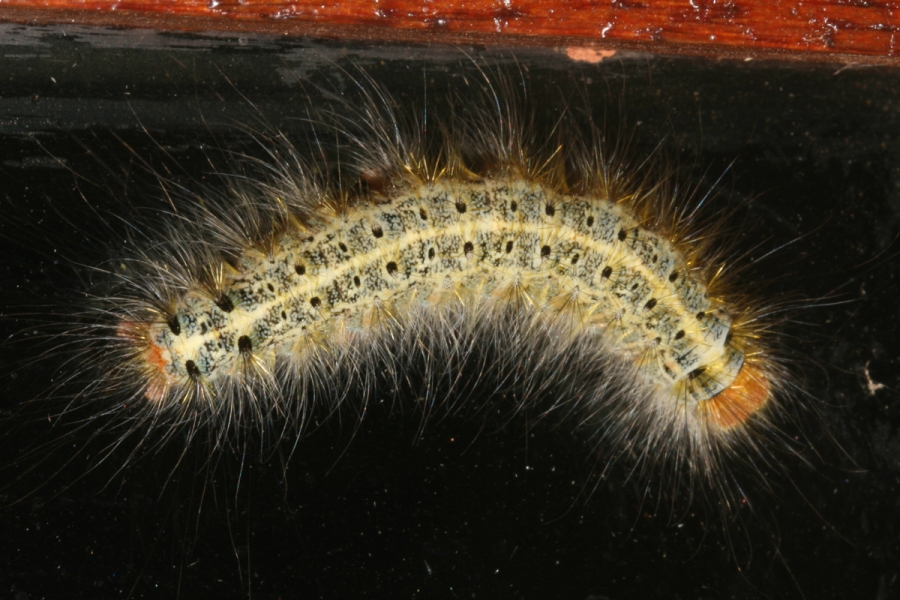
1.2. Raupe
2. Weitere Informationen
2.1. Andere Kombinationen
- Poloma obtusa Walker, 1865 [Originalkombination]
- Stenoglene obtusus (Walker, 1865)
- Phasicnecus obtusus (Walker, 1865)
2.2. Synonyme
- Stenoglene tristis Felder & Felder, 1874 [Synonym nach Takano (2026)]
- Phasicnecus evanescens Distant, 1903 [Synonym nach Takano (2026)]
- Phasicnecus subcroceus Distant, 1903 [Synonym nach Takano (2026)]
2.3. Taxonomie
Takano (2026) meldet sich mit "Revisional notes on the monkey-moth genus Stenoglene Felder & Felder, 1874 and its allies, with descriptions of several new genera and species". Stenoglene obtusa bleibt als Art erhalten und die bisherigen Synonyme Stenoglene tristis Felder, 1874, Phasicnecus evanescens Distant, 1903 und Phasicnecus subcroceus Distant, 1903 bleiben ihr weiterhin zugeordnet. Das bisherige Synonym Chrysopoloma labda Druce, 1887 ist jetzt wieder bona species, das Synonym Phasicnecus aequidistans Strand, 1915 ist jetzt Synonym zu Stenoglene pira Druce, 1896.
(Autor: Erwin Rennwald)
2.4. Faunistik
Walker (1865: 357) beschreibt seine Poloma obtusa nach einem Exemplar von "Natal" in Südafrika. Felder & Felder (1874: 410) melden ihre Stenoglene tristis angeblich von "Ceylon" (Sri Lanka, was aber sicher falsch ist [wohl ebenfalls Südafrika (?)]). Auch die beiden Taxa Phasicnecus evanescens und Phasicnecus subcroceus wurden von Distant (1903: 84) beide aus Südafrika beschrieben (“Transvaal, Lydenburg District” bzw. “Transvaal, Pretoria”).
Nach [Global Biodiversity Information Facility] kommt die Art außer in Südafrika auch in Mosambik und Simbabwe vor. Takano (2026: 9) greift hier korrigierend ein: "Notes. Based on barcode divergences of topotypical specimens and differing genital configurations, S. labda stat. rev. is revived from synonymy with S. obtusa. True S. obtusa is seemingly found only in South Africa and adjoining areas of coastal Mozambique, while S. labda is found broadly along the Zambezi Valley from Zambia, Zimbabwe and Mozambique into southern Malawi."
(Autoren: Erwin Rennwald & Michel Kettner)
2.5. Literatur
- Distant W.L. (1903): Insecta Transvaaliensia: a contribution to a knowledge of the Entomology of South Africa. Order Lepidoptera. Suborder Heterocera. - pp.49-96, pl. I-VIII. [Digitalisat auf biodiversitylibrary.org]
- Beschreibung als Stenoglene tristis: Felder C., Felder R. & A.F. Rogenhofer (1865–1875): Reise der österreichischen Fregatte Novara um die Erde in den Jahren 1857, 1858, 1859 unter den Befehlen des Commodore B. von Wüllerstorf-Urbair. Zoologischer Theil. Zweiter Band. Abtheilung 2, Heft 4, Lepidoptera. Atlas der Heterocera. [Digitalisat auf biodiversitylibrary.org]
- Takano, H. (2026): Revisional notes on the monkey-moth genus Stenoglene Felder & Felder, 1874 and its allies, with descriptions of several new genera and species (Lepidoptera: Bombycoidea: Eupterotidae: Janinae). — Ecologica Montenegrina, 94: 1-75. https://dx.doi.org/10.37828/em.2026.94.1. [zum PDF-Download auf biotaxa.org]
- Erstbeschreibung: Walker, F. (1865): List of the Specimens of Lepidopterous Insects in the Collection of the British Museum. Part XXXII. Supplement Part 2. [Digitalisat auf biodiversitylibrary.org]
2.6. Informationen auf anderen Websites (externe Links)
- [BOLD], dort unter Stenoglene obtusus zu finden
- [Global Biodiversity Information Facility], dort unter Phasicnecus obtusus zu finden
- [AfroMoths]
- [African Moths]