Länder:

 +12Kontinente:SA
+12Kontinente:SA


Neues Layout der Navigation (Beta Test)
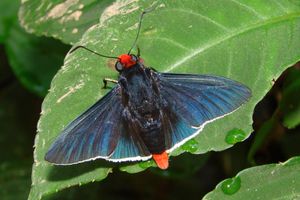
Ssp. miersi Falter
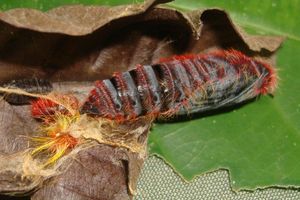
Ssp. miersi Puppe
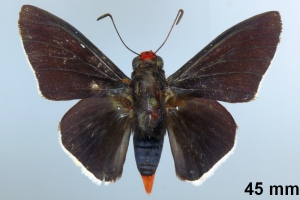
Ssp. attis ♂
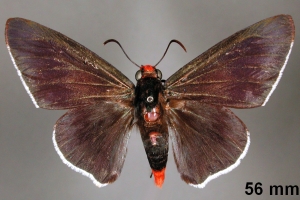
Ssp. attis ♀
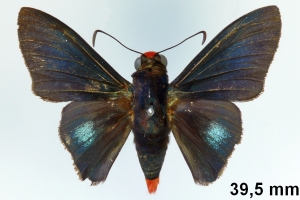
Ssp. cardus ♂
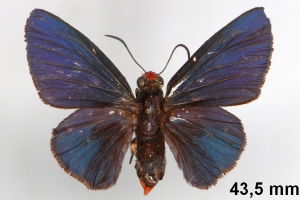
Ssp. cardus ♀
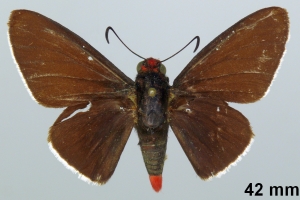
Ssp. subnubilus ♂
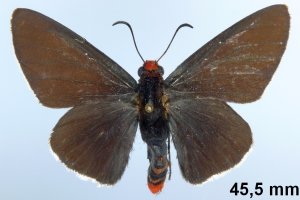
Ssp. subnubilus ♀
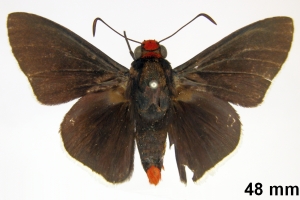
Ssp. arbor ♂
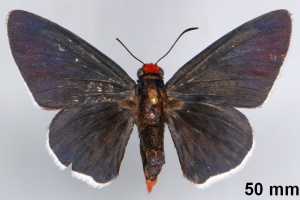
Ssp. arbor ♀
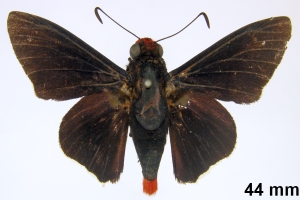
Ssp. lexos ♂
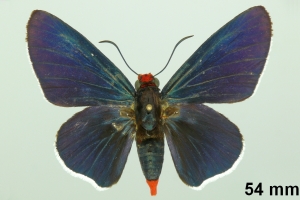
Ssp. lexos ♀
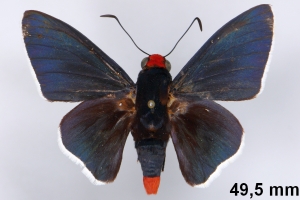
Ssp. miersi ♂
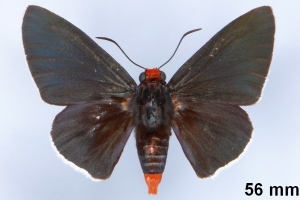
Ssp. miersi ♀
LebendfotosSsp. miersi Mielke, Brockmann & Mielke, 2022DiagnoseSsp. attis Bell, 1931Ssp. cardus Mabille, 1891Ssp. subnubilus Hayward, 1935Ssp. arbor Evans, 1951Ssp. lexos Evans, 1951Ssp. miersi Mielke, Brockmann & Mielke, 2022Weitere InformationenSynonymeUnterartenFaunistikLiteraturInformationen auf anderen Websites (externe Links)
1. Lebendfotos
1.1. Ssp. miersi
1.1.1. Falter
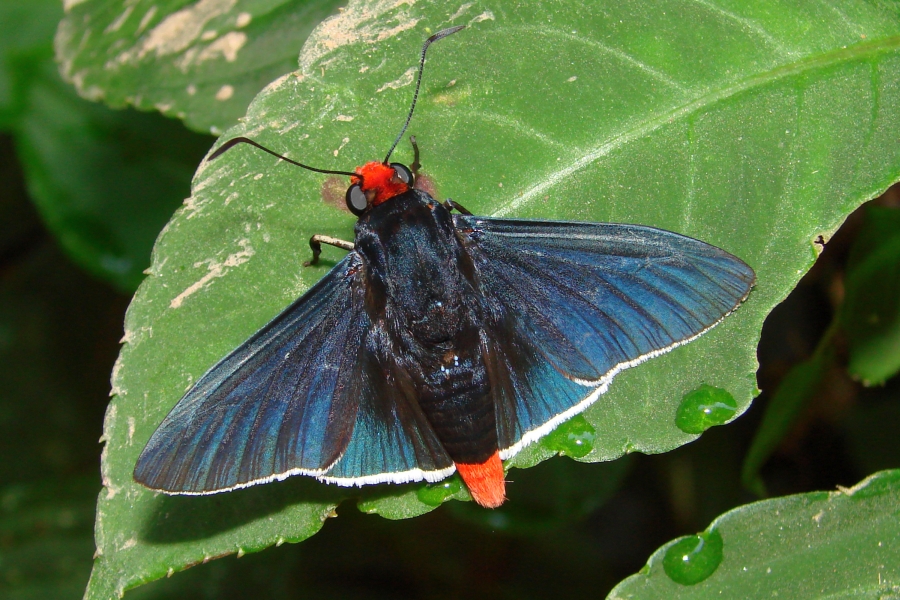
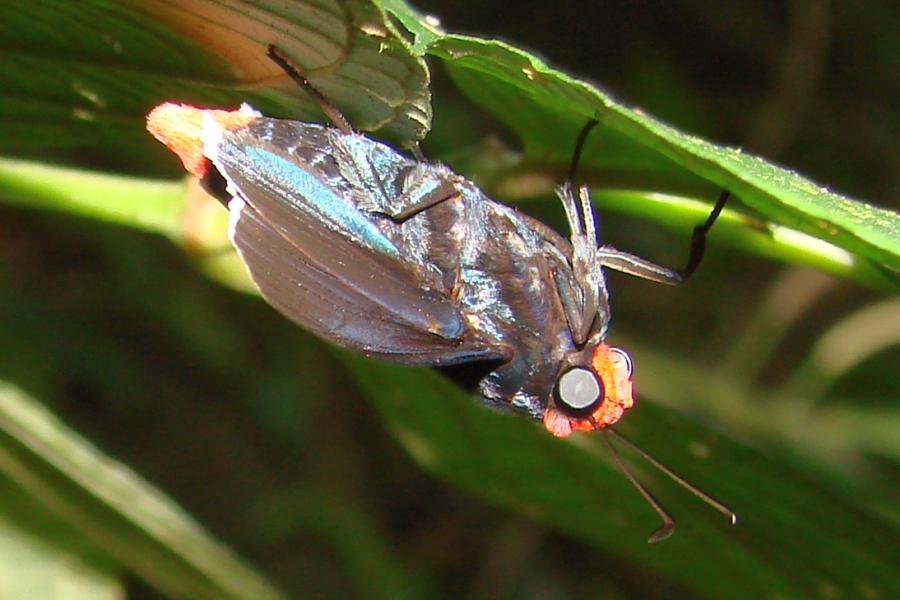
1-2: ♂, Brasilien, São Paulo, near Ubatuba, Folha Seca, 1. Februar 2010 (fot.: Priscilla Brodkin), Bilder über Kim Garwood erhalten, det. (cf.) Bernard Hermier (Diese ssp. ist ohne Genital nicht zur Art bestimmbar)
1.1.2. Puppe
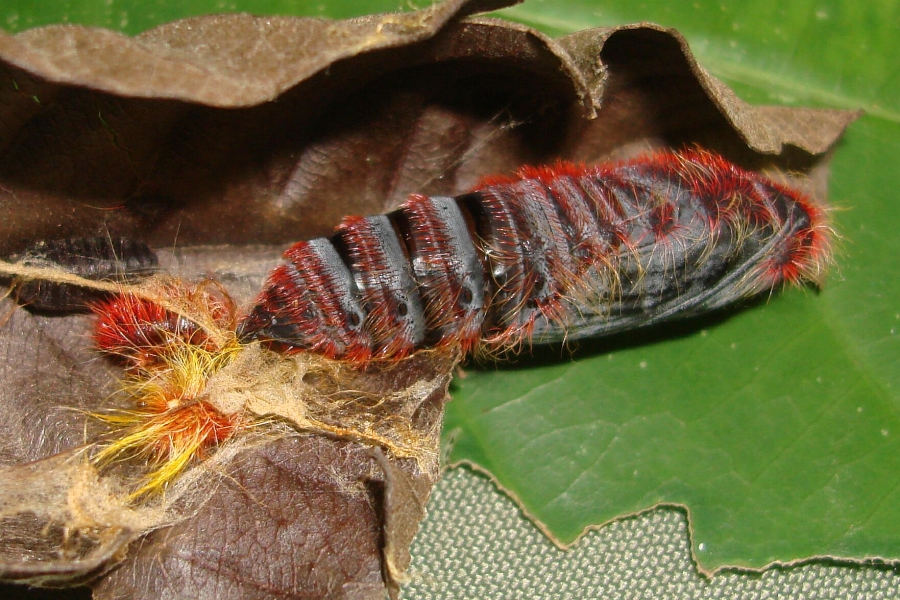
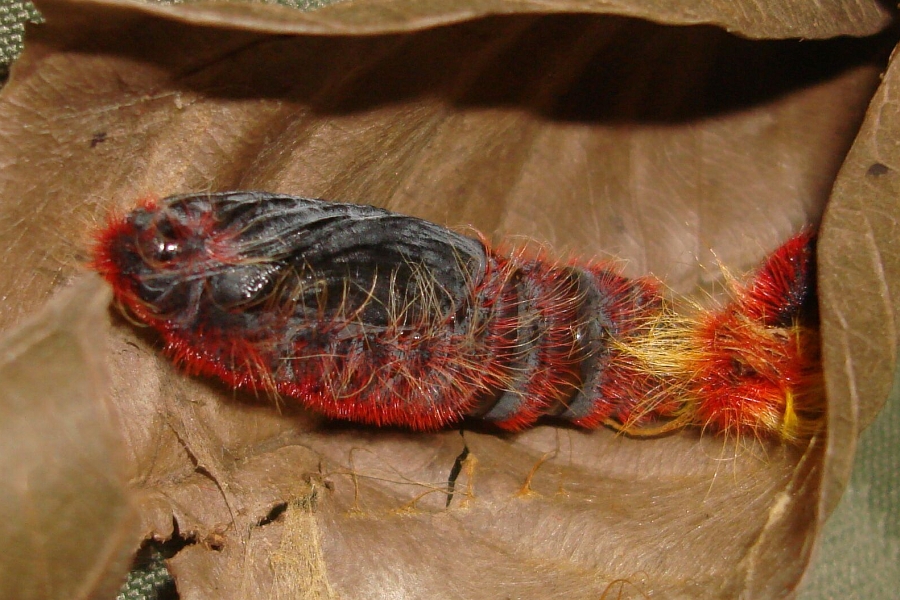
1-2: São Paulo, near Ubatuba, Folha Seca, 1. Februar 2010 (fot.: Kim Garwood), det. (cf.) Bernard Hermier (Diese ssp. ist ohne Genital nicht zur Art bestimmbar)
2. Diagnose
2.1. Ssp. attis
2.1.1. Männchen
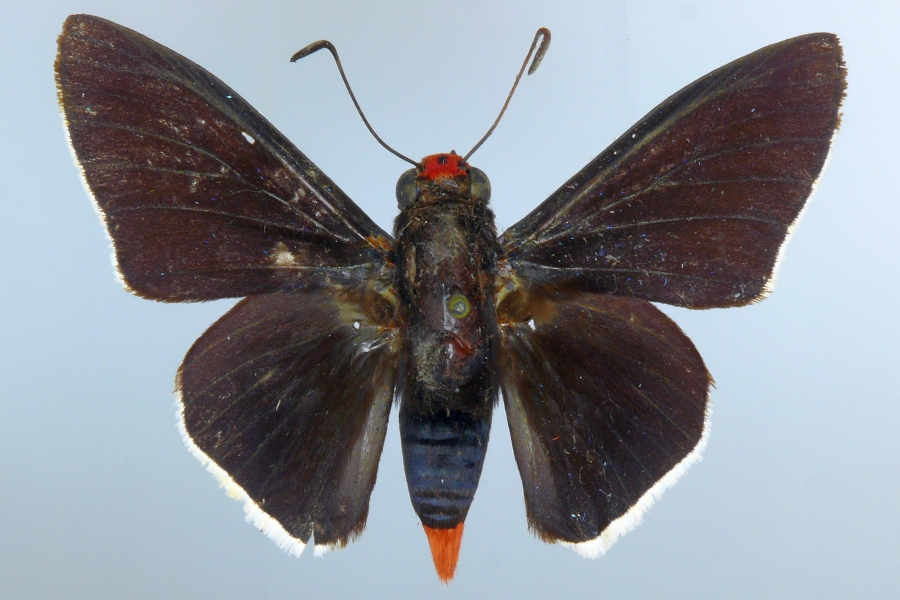
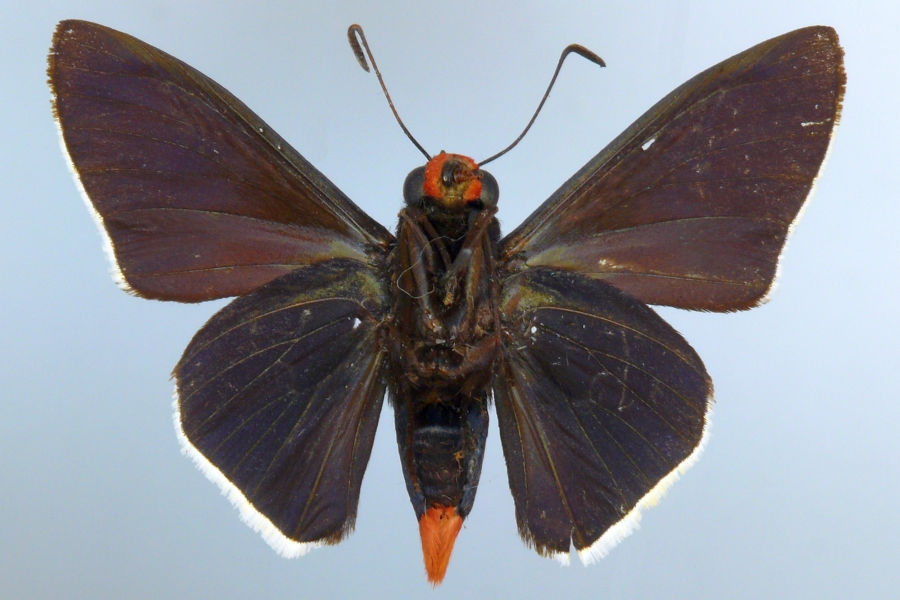
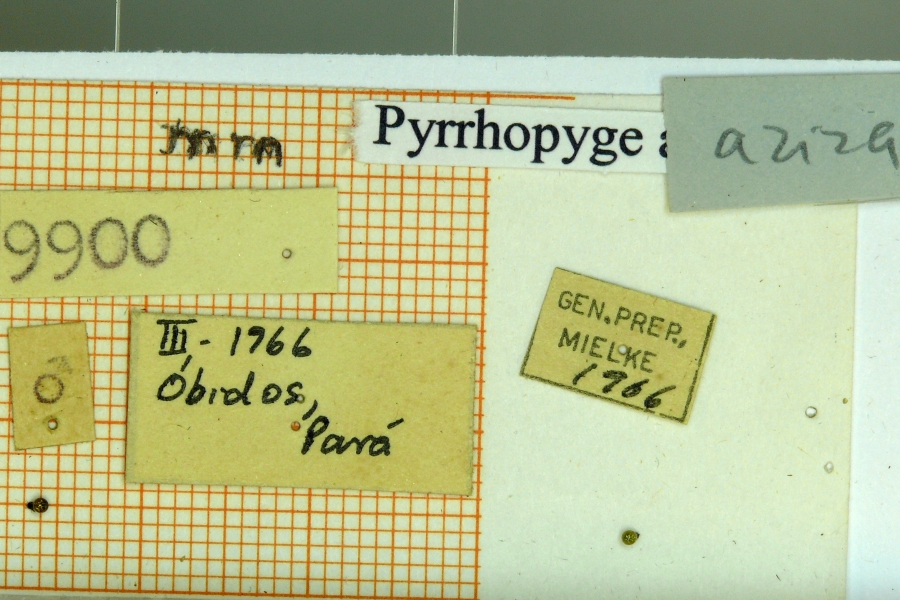
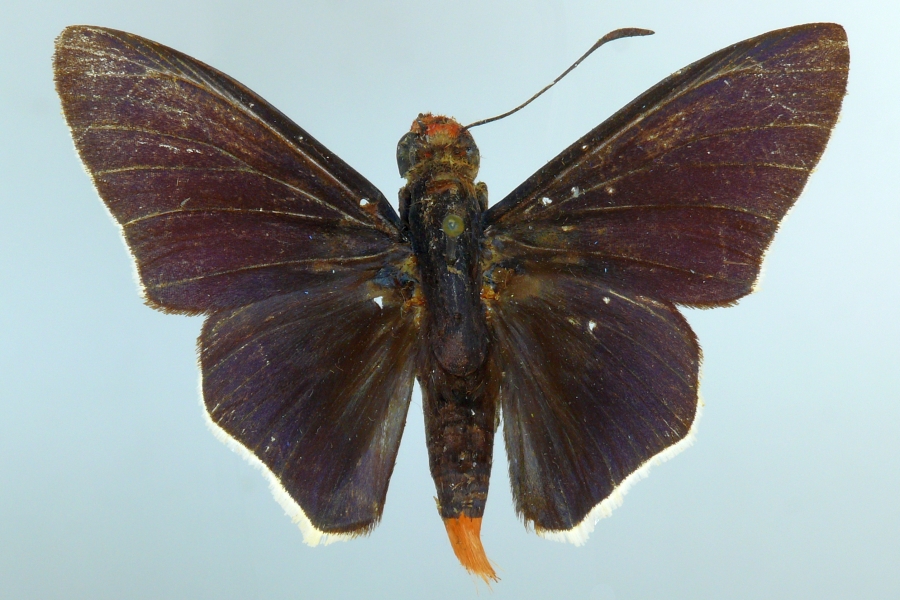

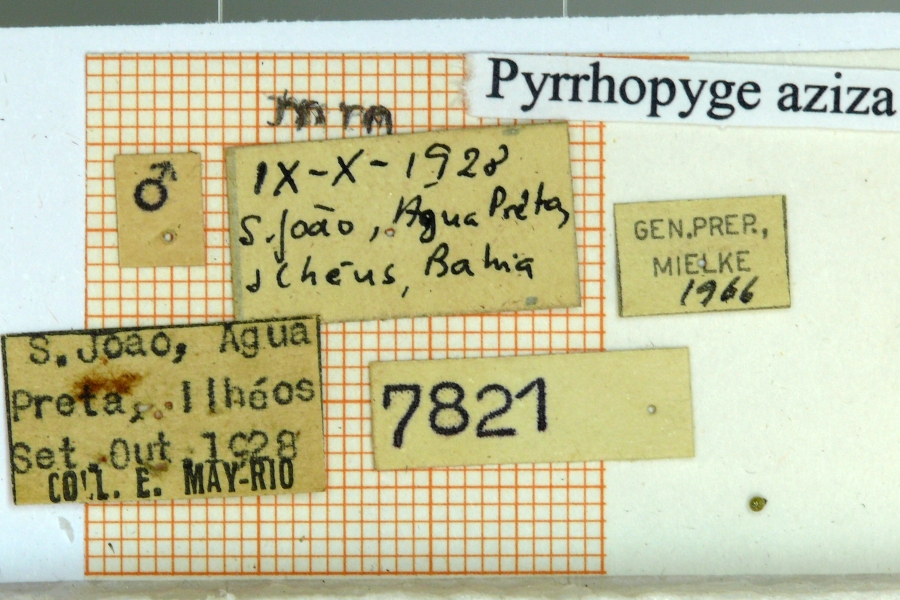
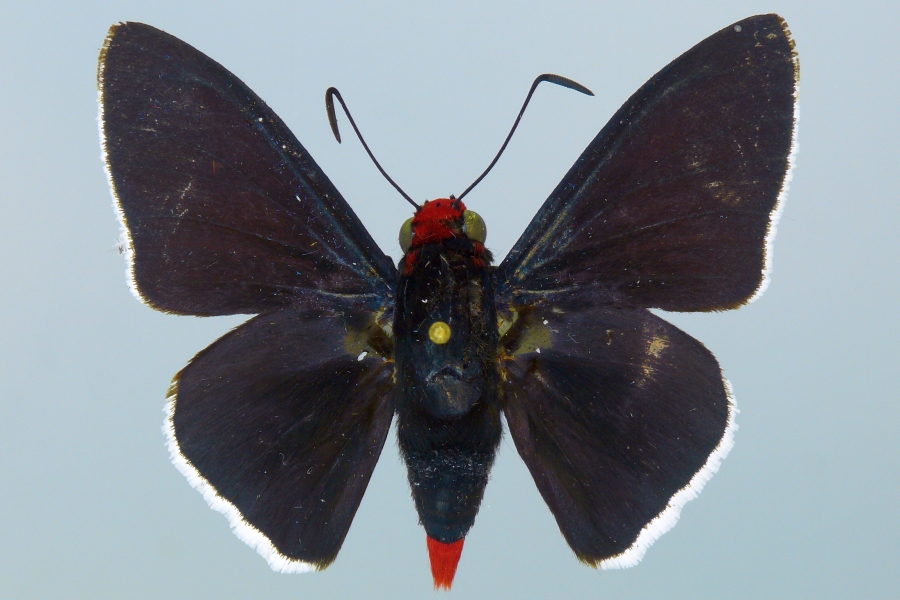
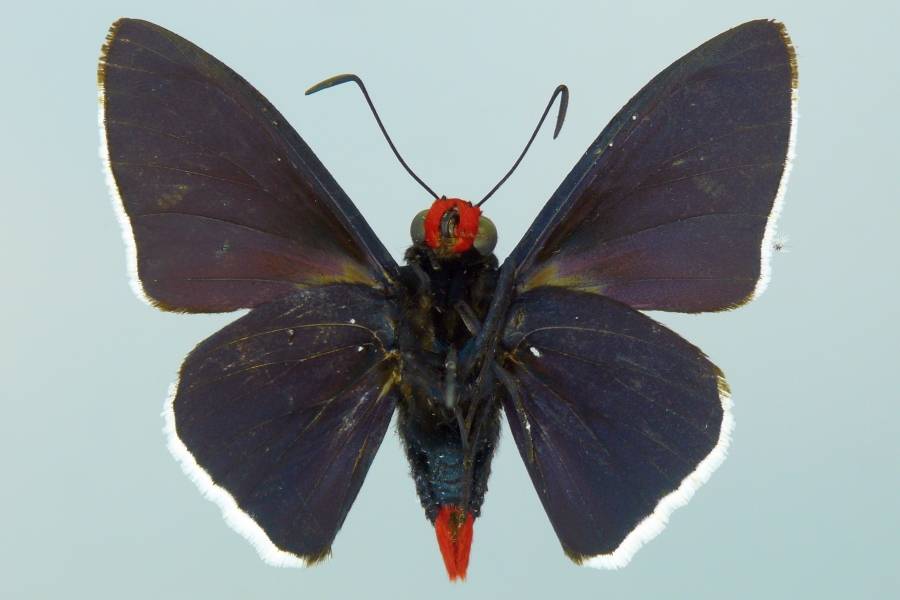
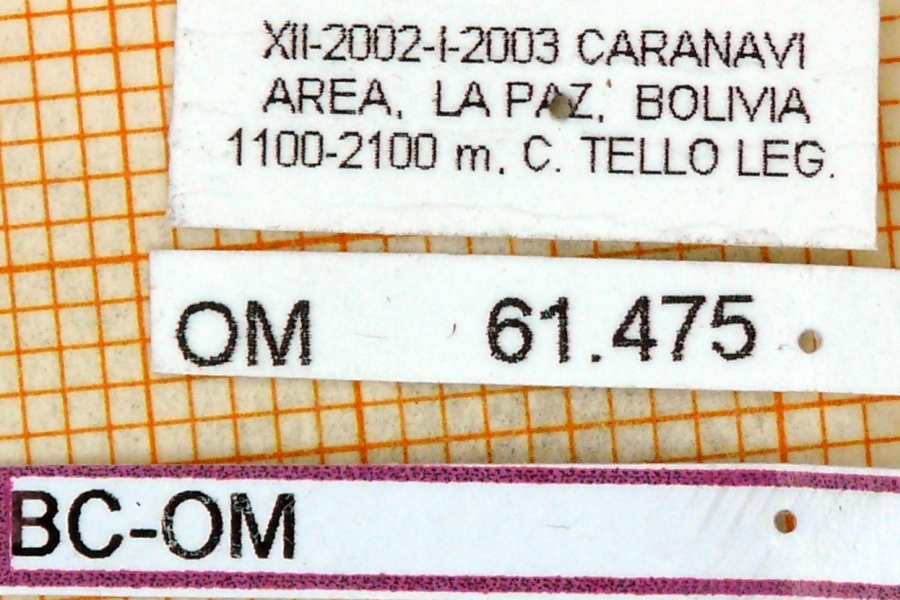
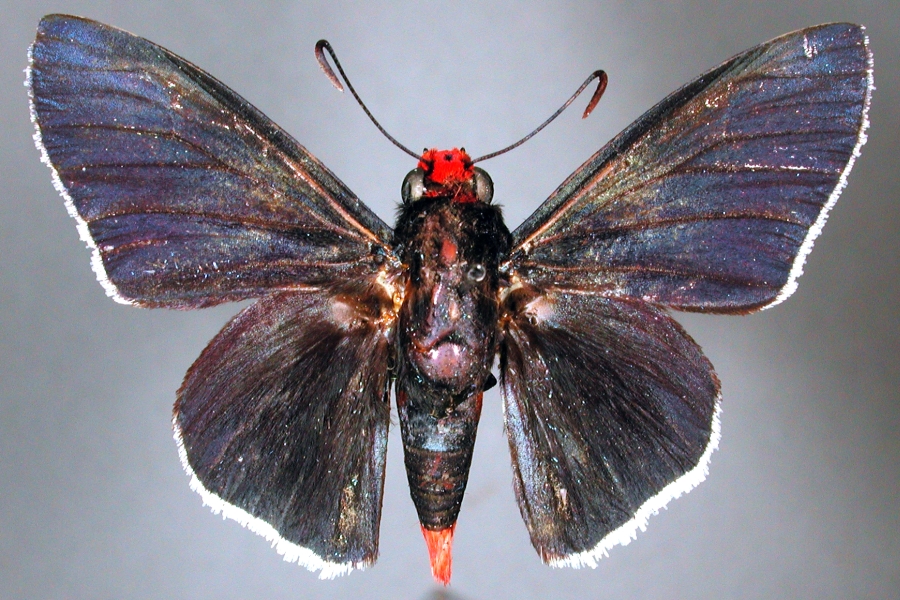
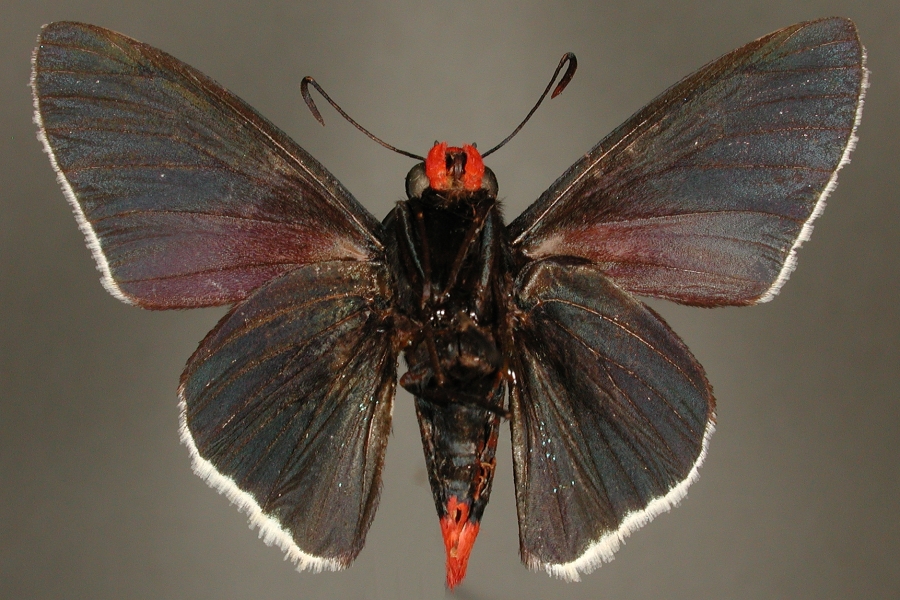
1-3: ♂, Daten siehe Etiketten (fot.: Ernst Brockmann, Fotos bearbeitet: Michel Kettner), coll. Departamento de Zoologia, Universidade Federal do Paraná, Curitiba, Paraná, Brazil.
4-6: ♂, Daten siehe Etiketten (fot.: Ernst Brockmann, Fotos bearbeitet: Michel Kettner), coll. Departamento de Zoologia, Universidade Federal do Paraná, Curitiba, Paraná, Brazil.
7-9: ♂, Daten siehe Etiketten (fot.: Ernst Brockmann, Fotos bearbeitet: Michel Kettner), coll. Departamento de Zoologia, Universidade Federal do Paraná, Curitiba, Paraná, Brazil.
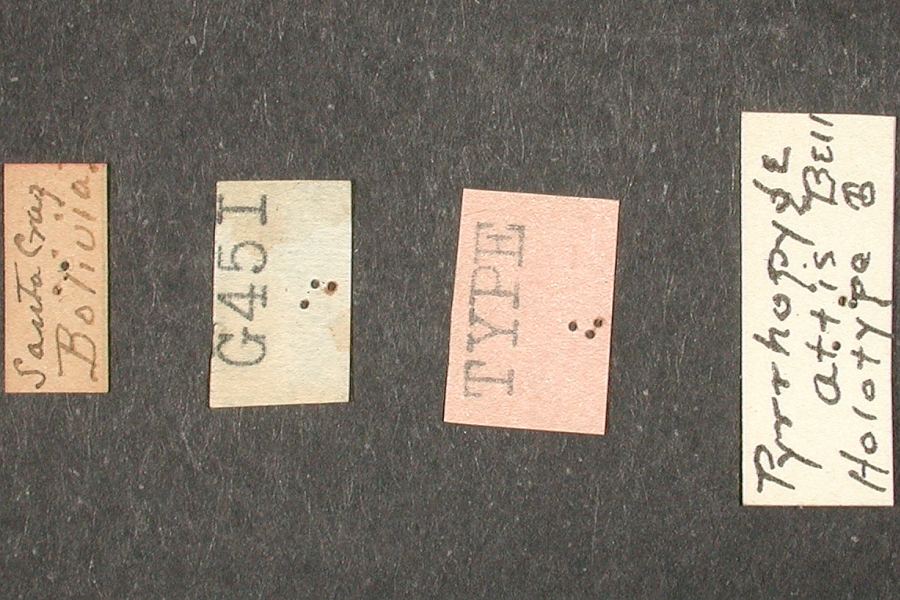
10-12: Holotypus ♂, Daten siehe Etiketten (fot.: Bernard Hermier, Fotos bearbeitet: Michel Kettner), coll. American Museum of Natural History. New York City.
2.1.2. Weibchen
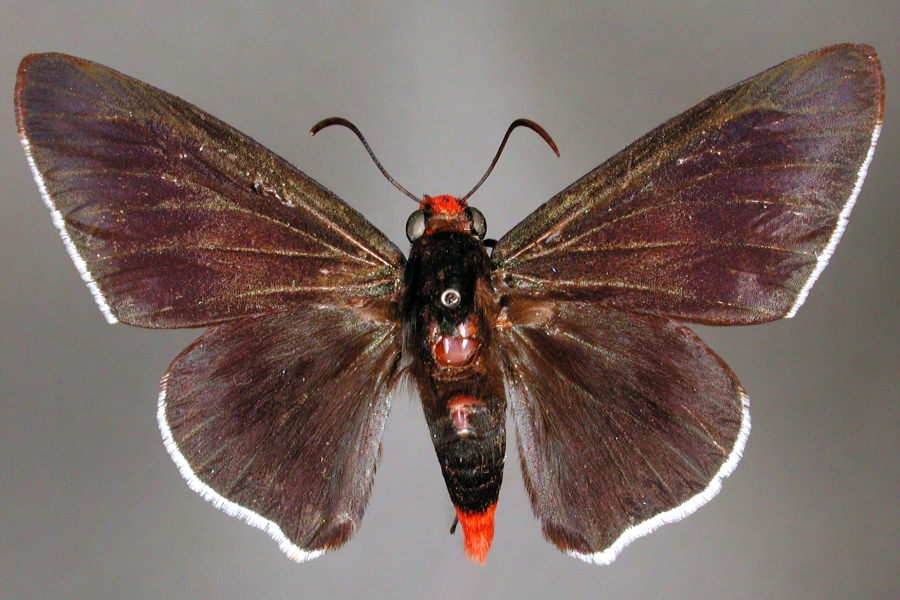

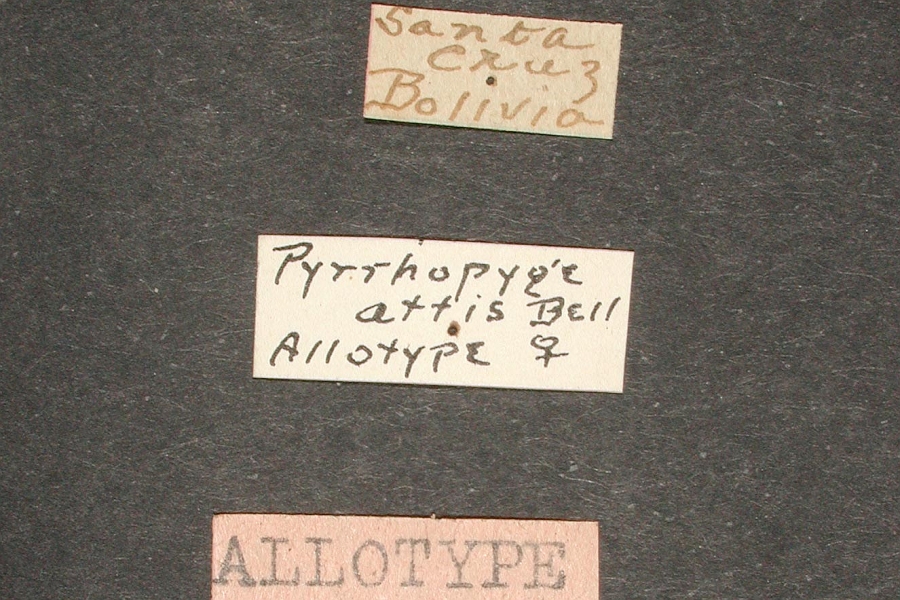
1-3: Paratypus ♀, Daten siehe Etiketten (fot.: Bernard Hermier, Fotos bearbeitet: Michel Kettner), coll. American Museum of Natural History. New York City.
2.2. Ssp. cardus
2.2.1. Männchen
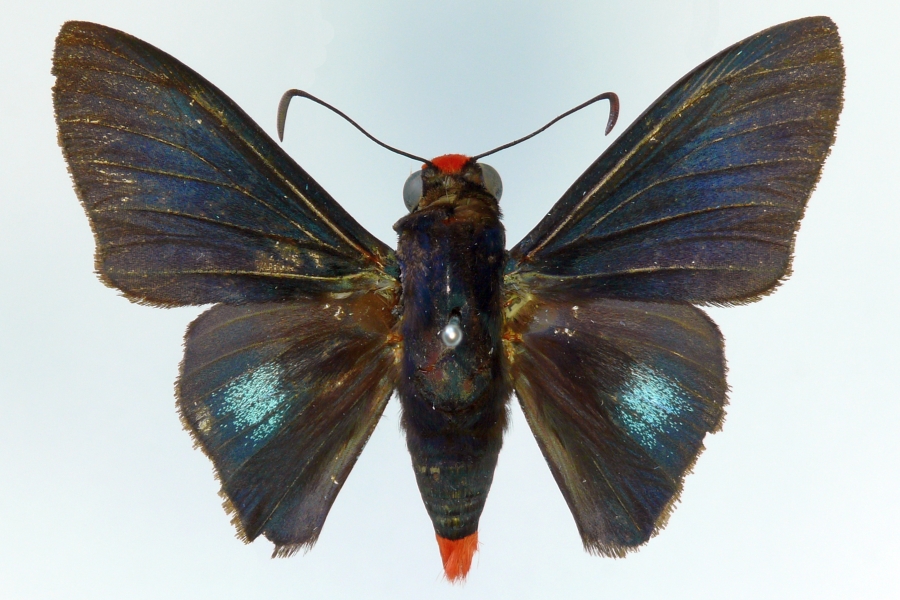

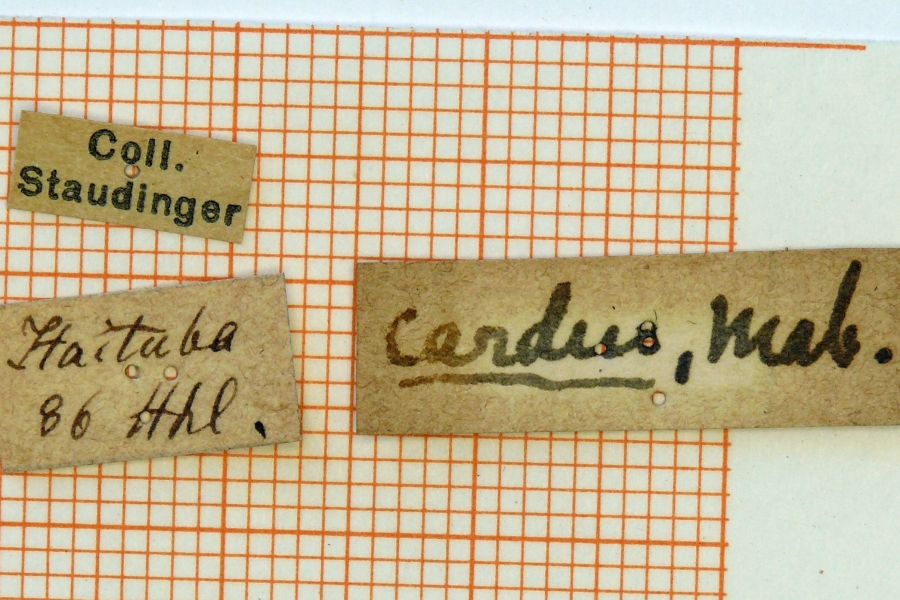
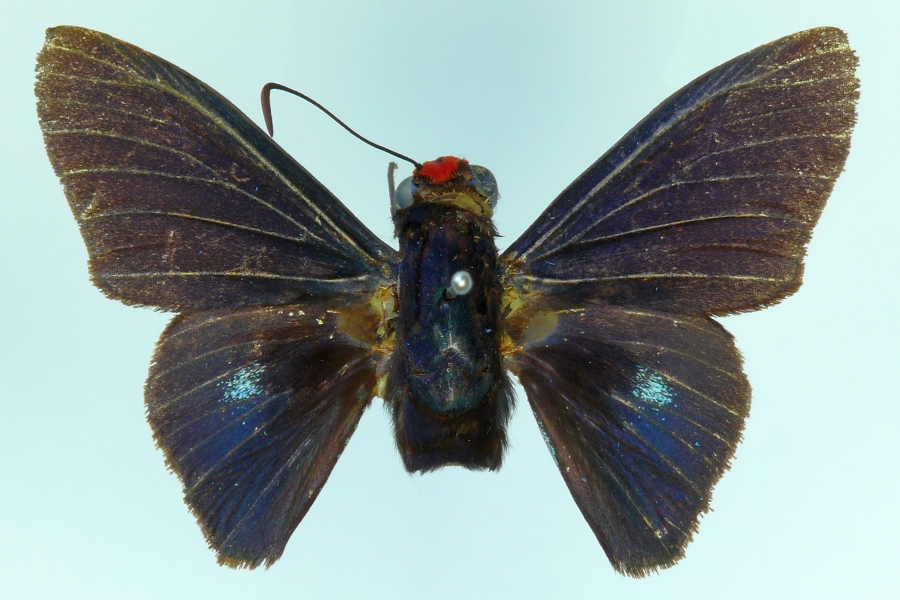
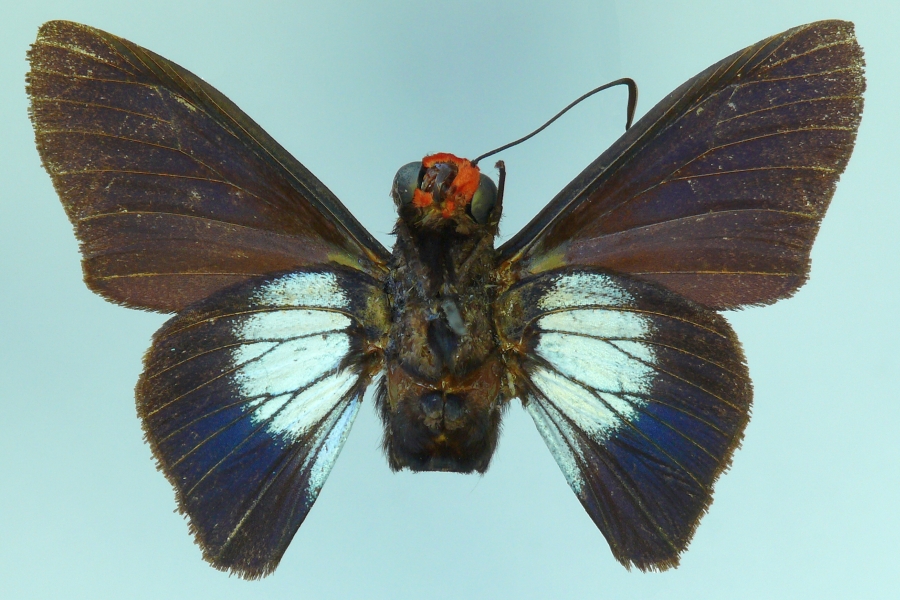
1-3: ♂, Daten siehe Etiketten (fot.: Ernst Brockmann, Fotos bearbeitet: Michel Kettner), coll. Zoologisches Museum der Humboldt-Universität zu Berlin.
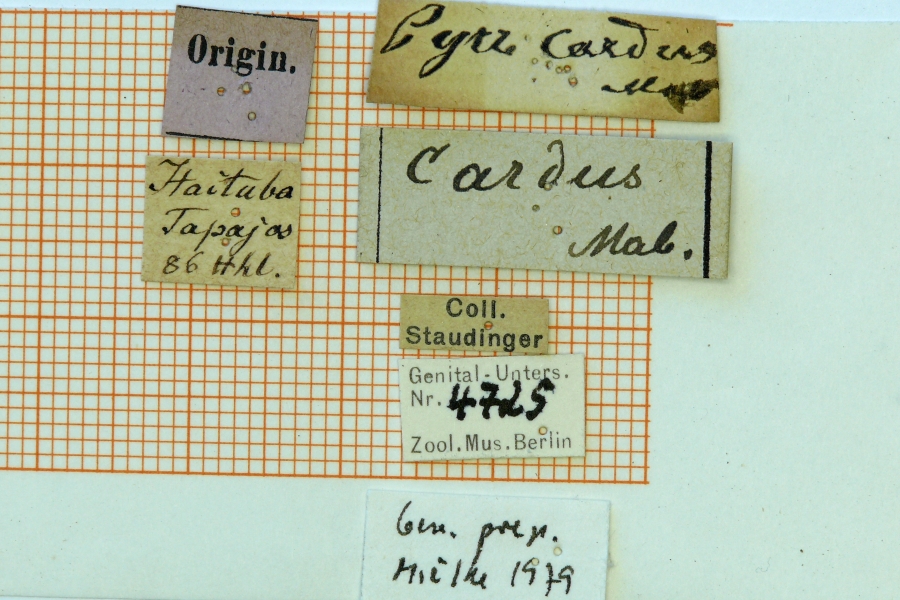
4-6: Lectotypus ♂, Daten siehe Etiketten (fot.: Ernst Brockmann, Fotos bearbeitet: Michel Kettner), coll. Zoologisches Museum der Humboldt-Universität zu Berlin.
2.2.2. Weibchen
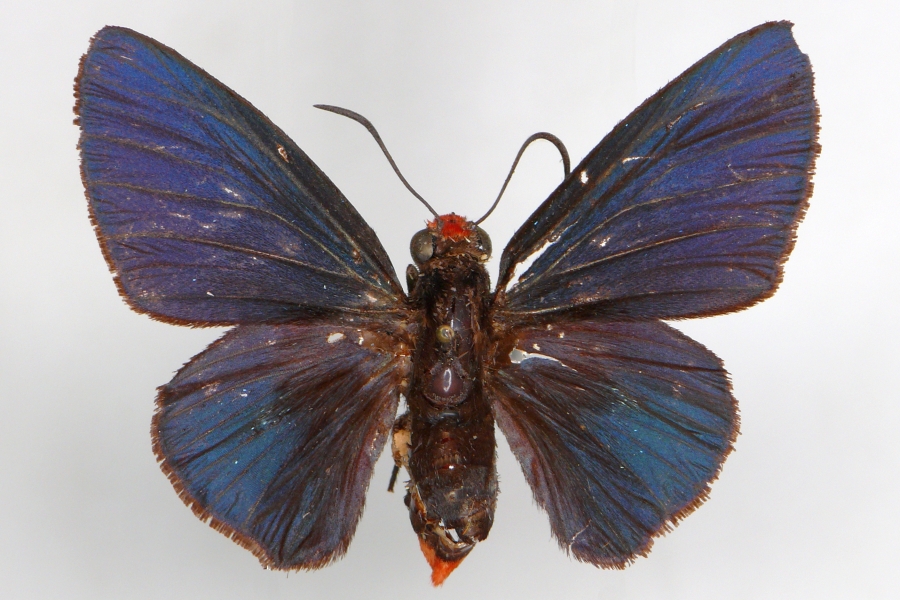
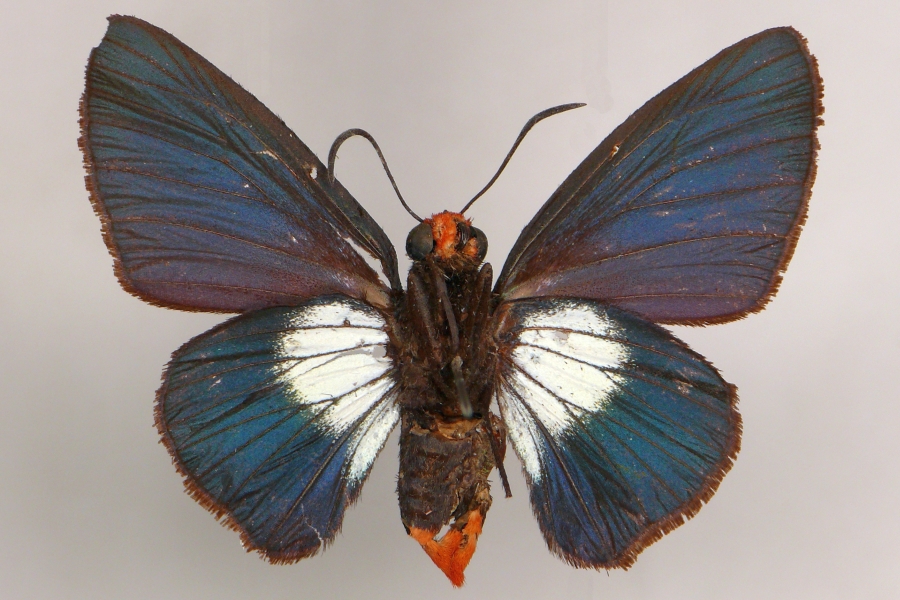
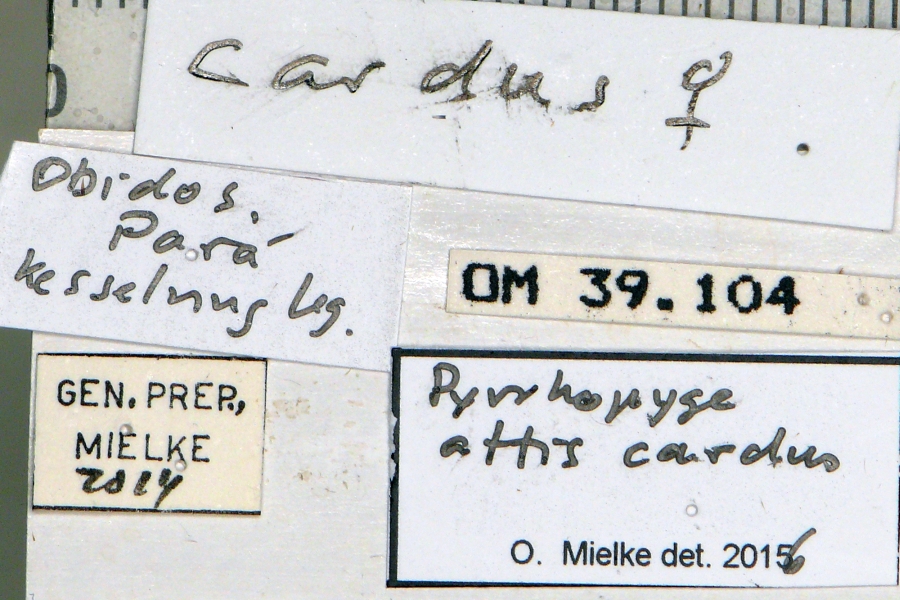
1-3: ♀, Daten siehe Etiketten (fot.: Carlos Mielke, Fotos bearbeitet: Michel Kettner), coll. Departamento de Zoologia, Universidade Federal do Paraná, Curitiba, Paraná, Brazil.
2.3. Ssp. subnubilus
2.3.1. Männchen
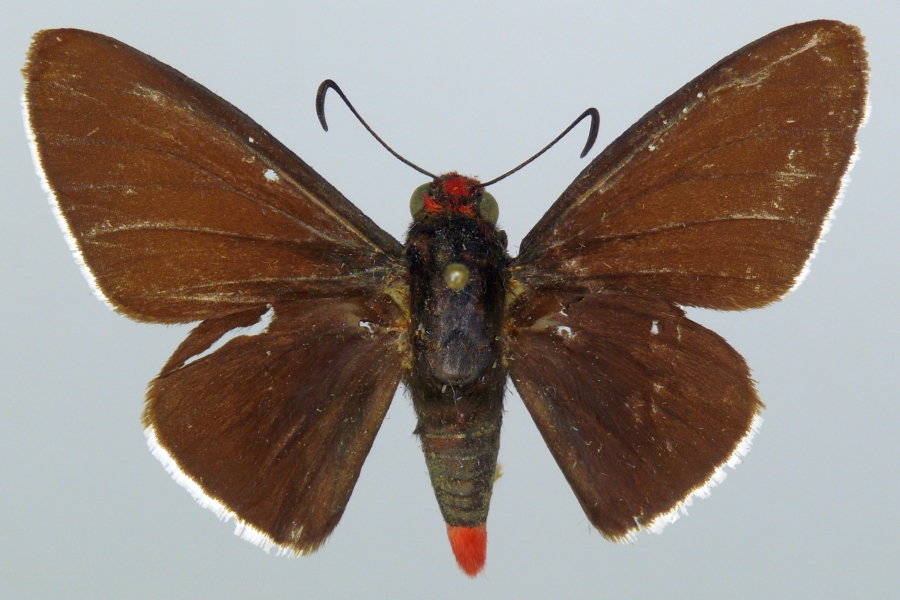
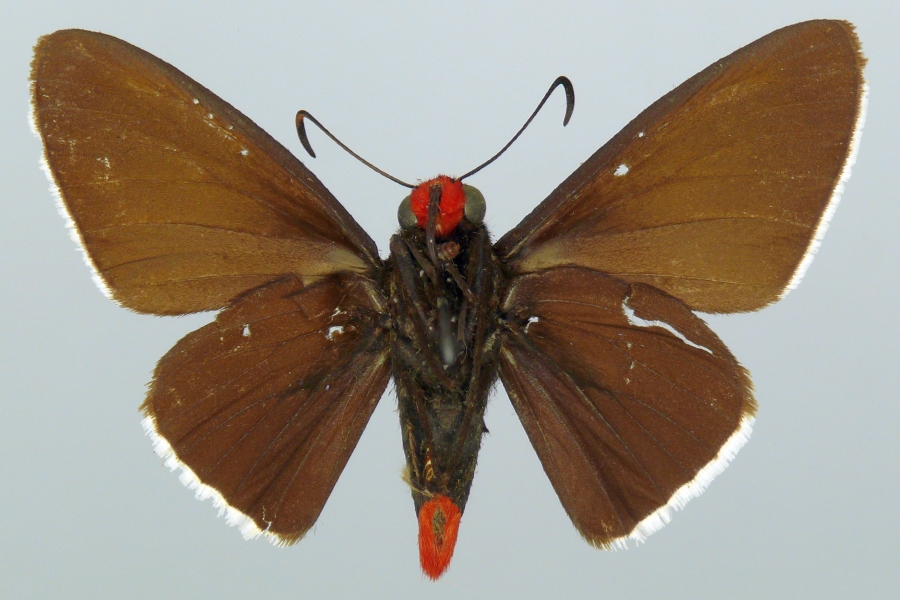
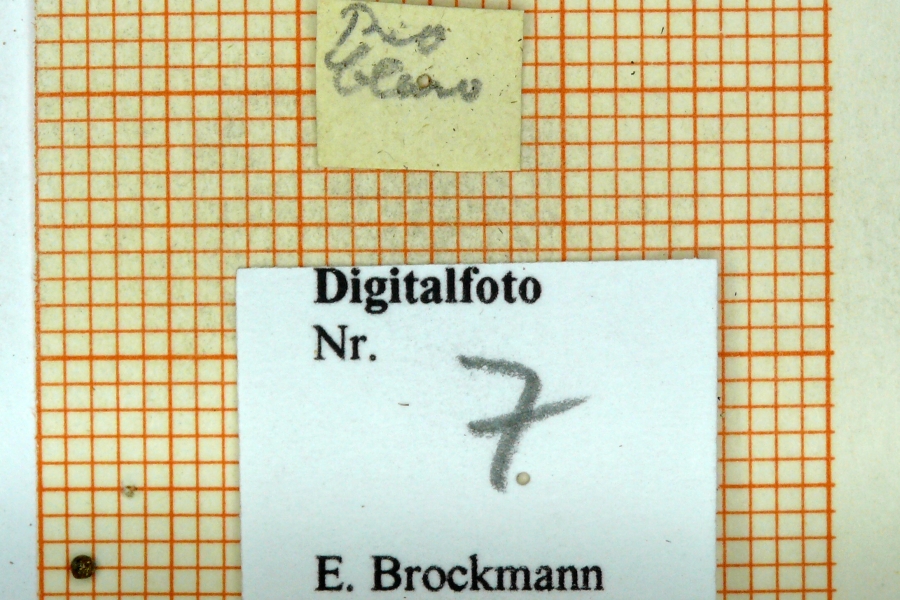
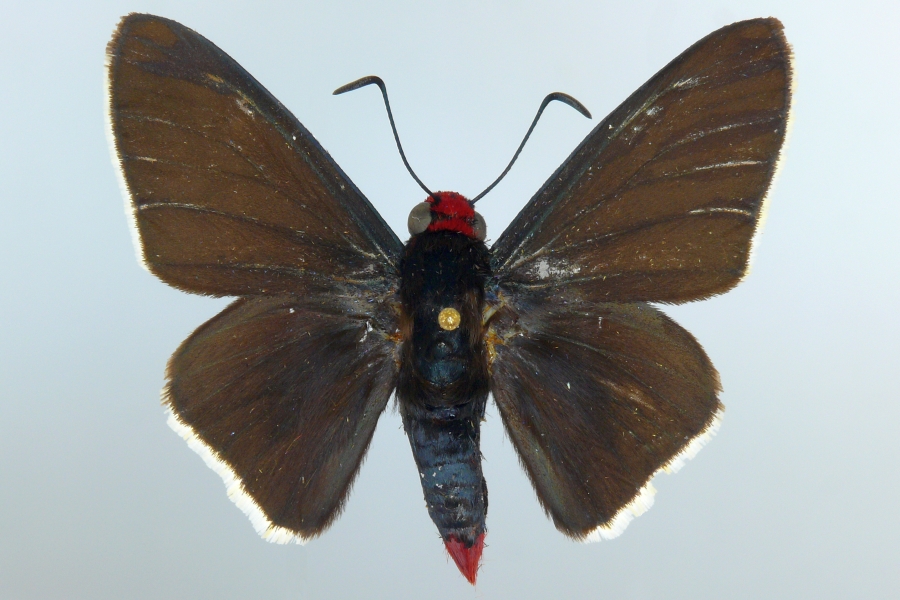
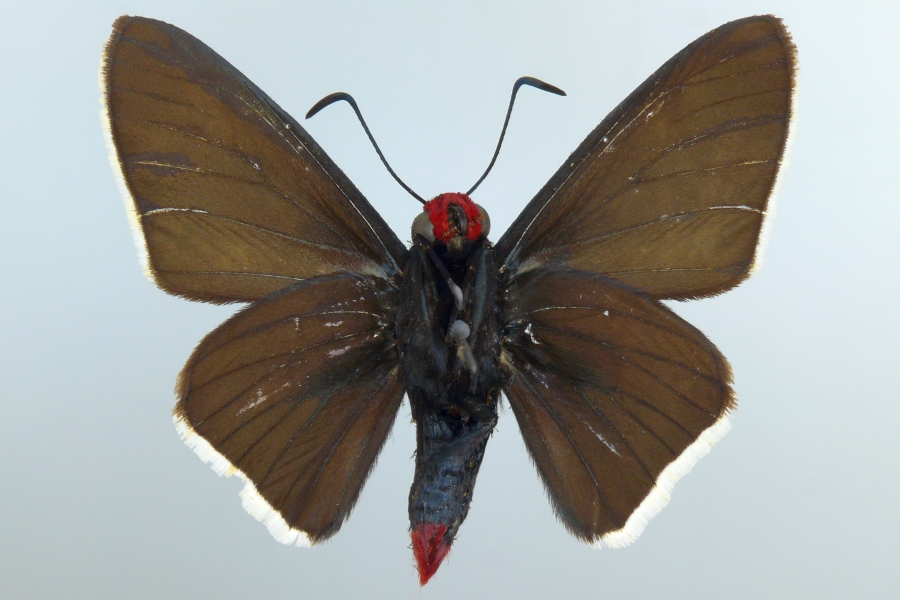
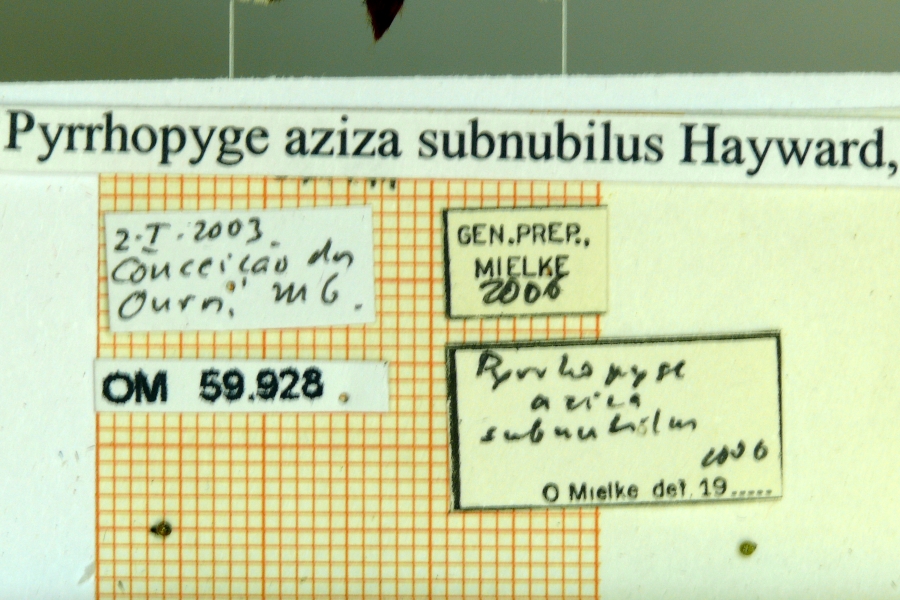
1-3: ♂, Daten siehe Etiketten (fot.: Ernst Brockmann, Fotos bearbeitet: Michel Kettner), coll. Zentrum für Biodokumentation, Landsweiler-Reden.
4-6: ♂, Daten siehe Etiketten (fot.: Ernst Brockmann, Fotos bearbeitet: Michel Kettner), coll. Departamento de Zoologia, Universidade Federal do Paraná, Curitiba, Paraná, Brazil.
2.3.2. Weibchen
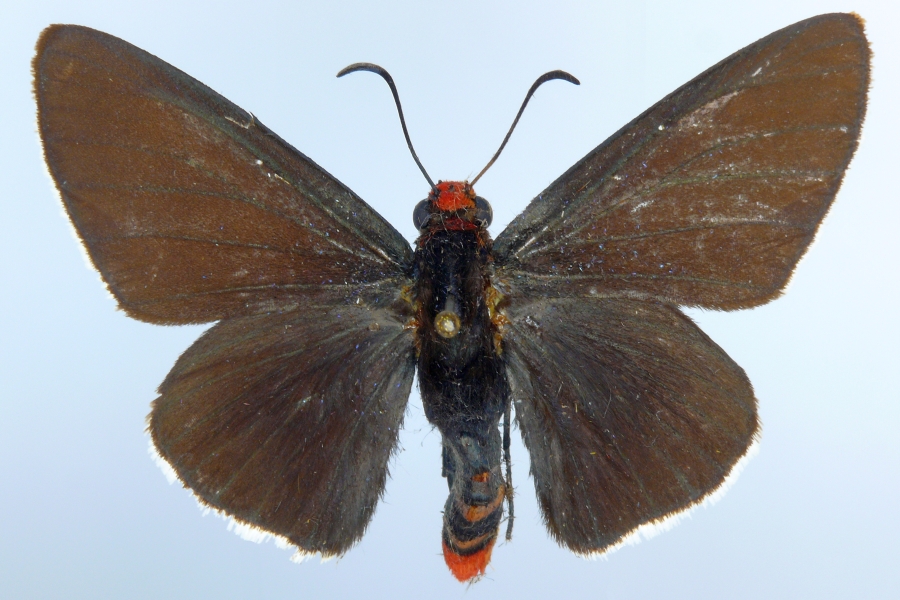
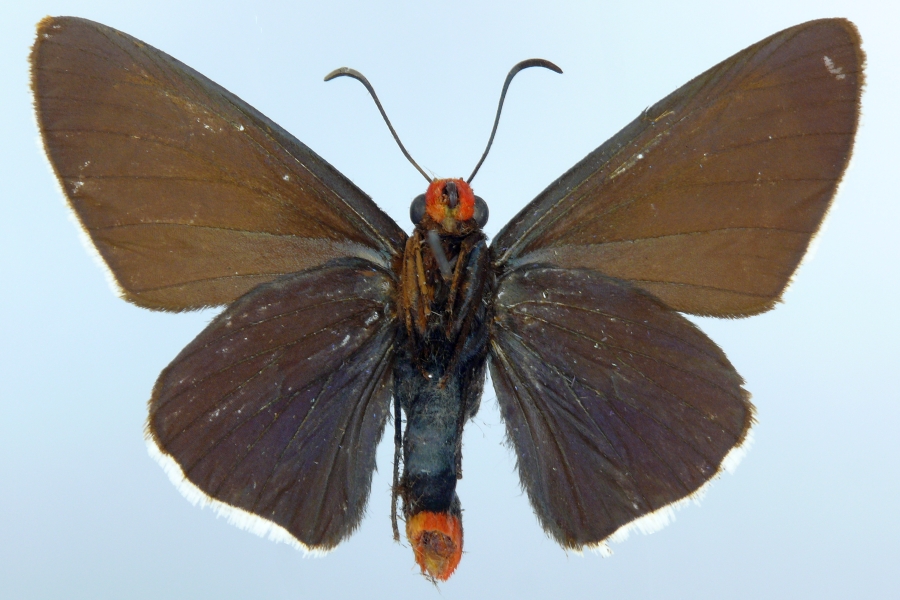

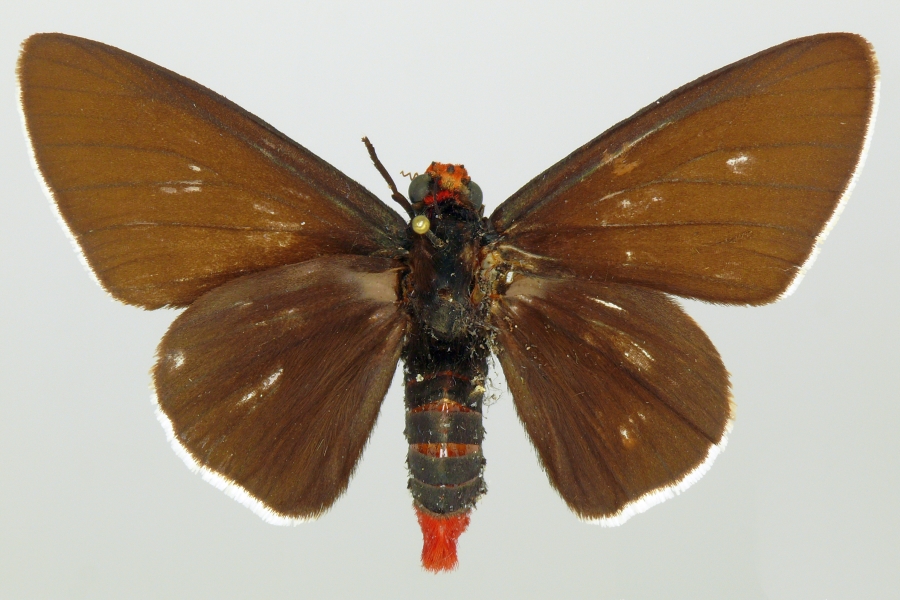
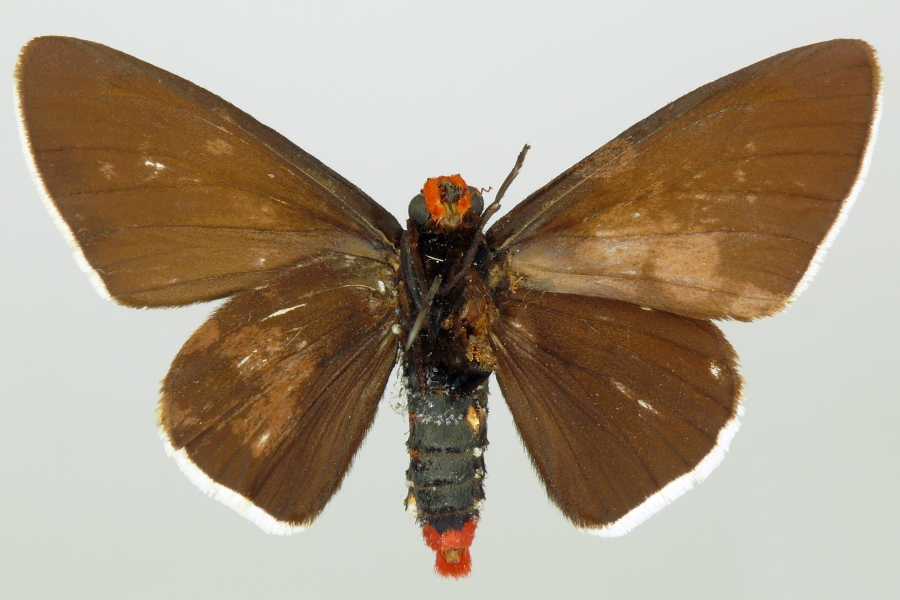
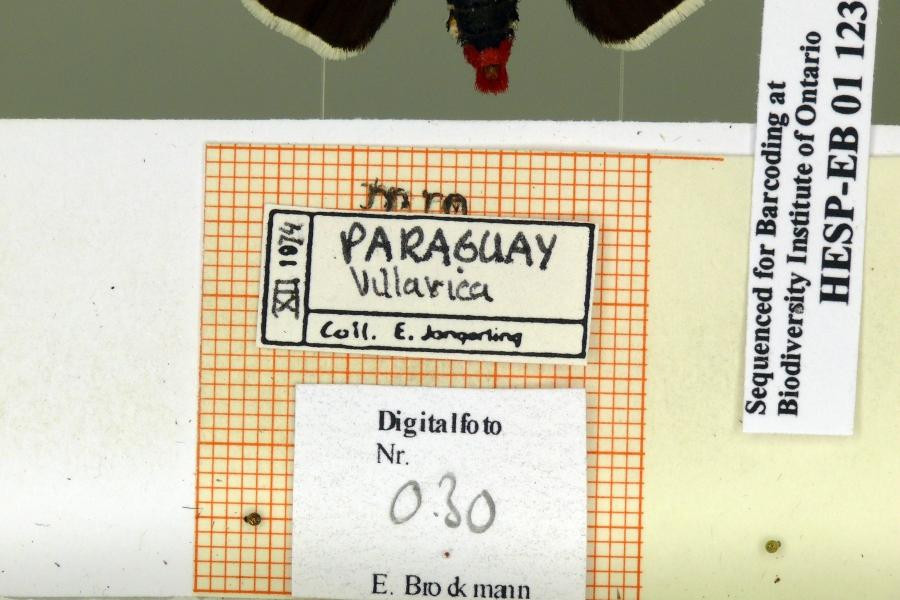
1-3: ♀, Daten siehe Etiketten (fot.: Ernst Brockmann, Fotos bearbeitet: Michel Kettner), coll. Departamento de Zoologia, Universidade Federal do Paraná, Curitiba, Paraná, Brazil.
4-6: ♂, Daten siehe Etiketten (coll., det. & fot.: Ernst Brockmann, Fotos bearbeitet: Michel Kettner)
2.4. Ssp. arbor
2.4.1. Männchen
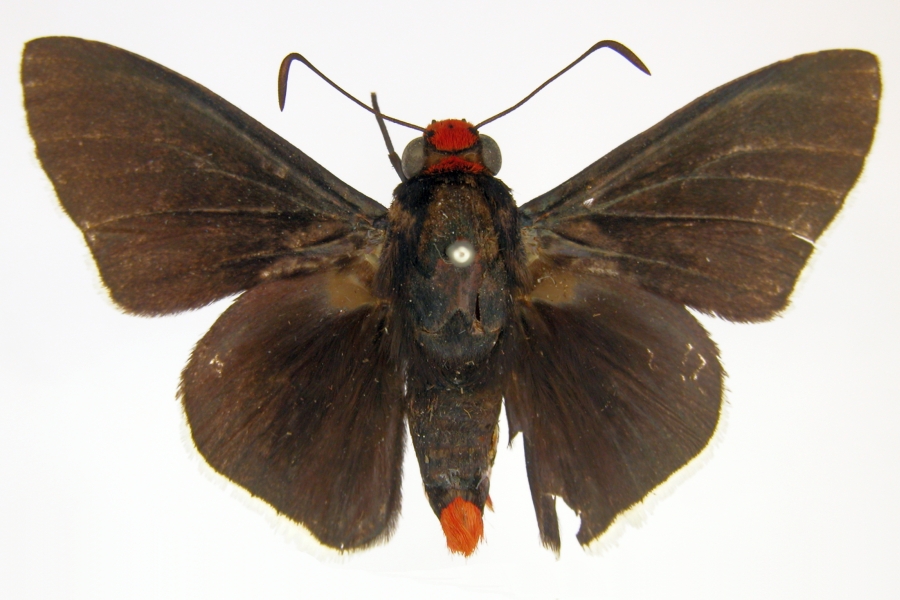

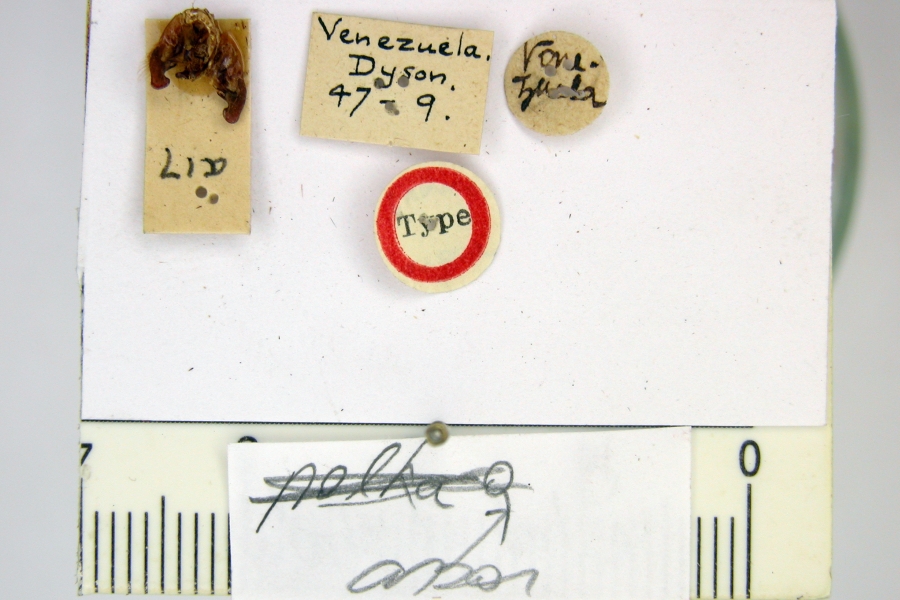
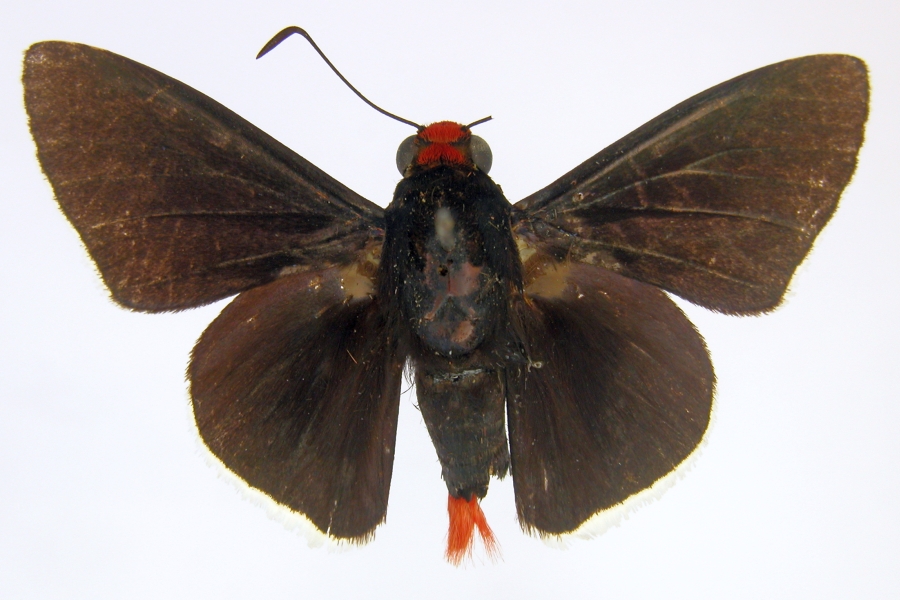

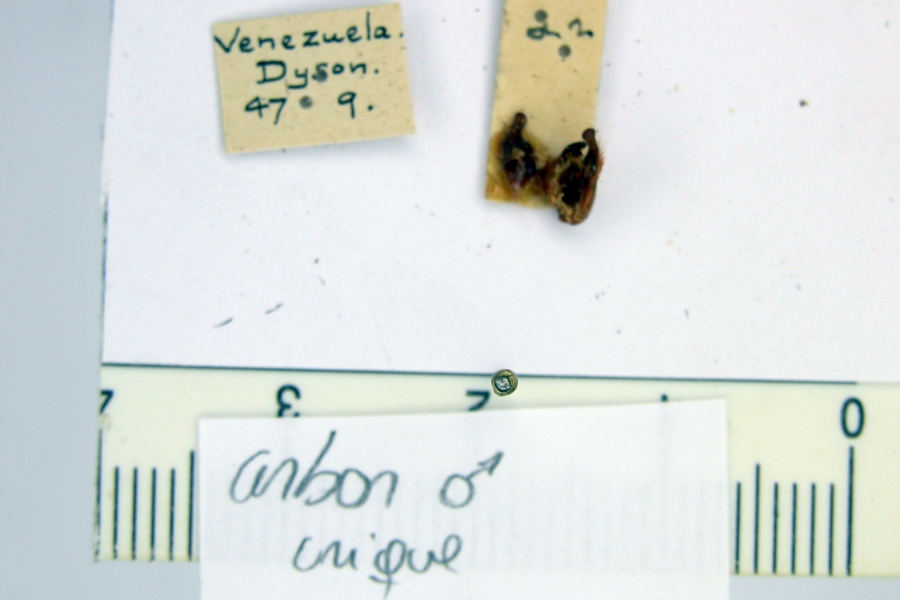
1-3: Holotypus ♂, Daten siehe Etiketten (fot.: Carlos Mielke, Fotos bearbeitet: Michel Kettner), © Images copyright Trustees Natural History Museum, used with permission.
4-6: Paratypus ♂, Daten siehe Etiketten (fot.: Carlos Mielke, Fotos bearbeitet: Michel Kettner), © Images copyright Trustees Natural History Museum, used with permission.
2.4.2. Weibchen
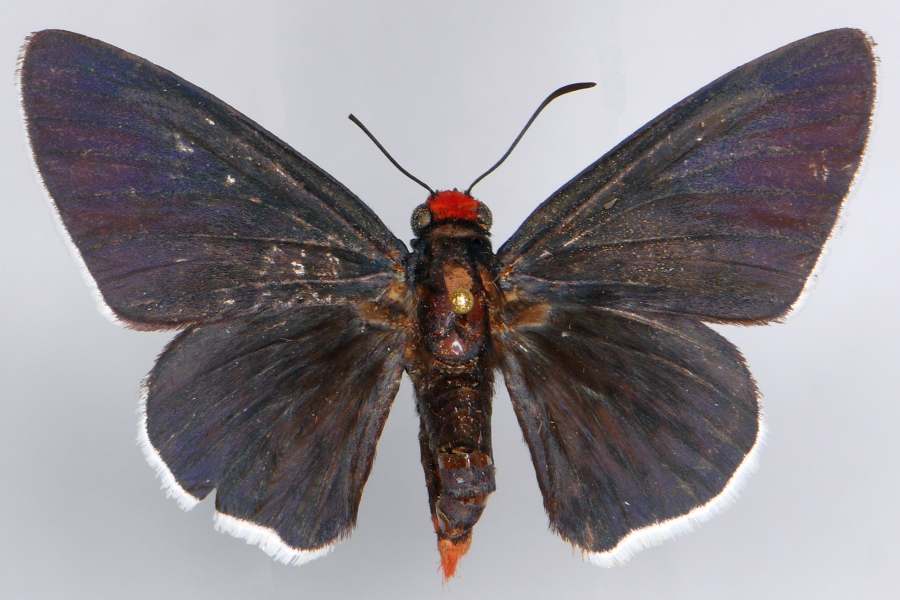
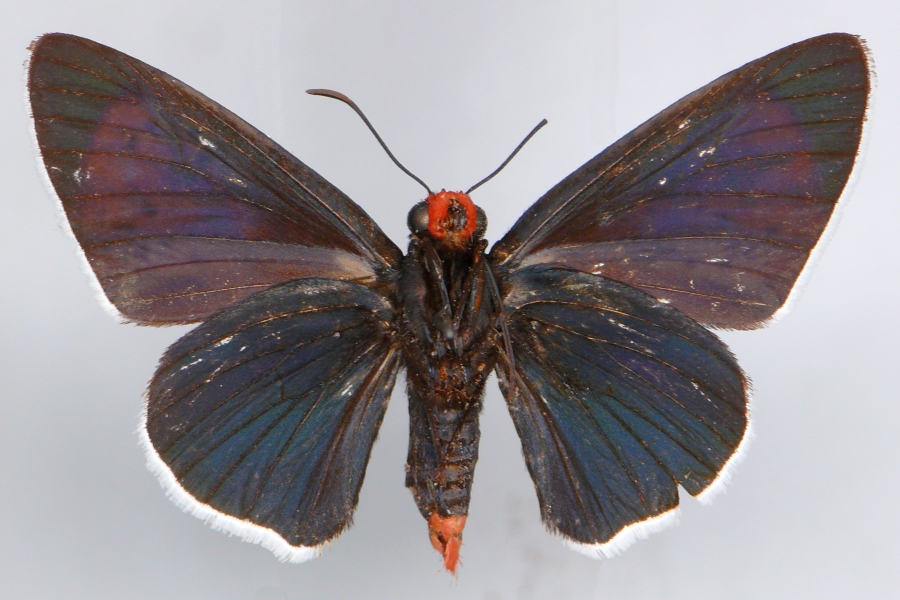
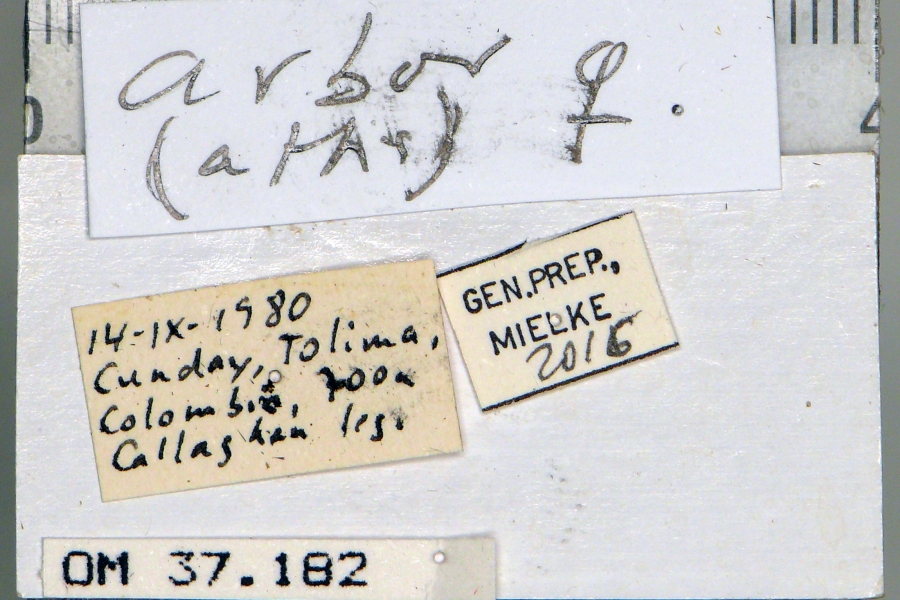
1-3: ♀, Daten siehe Etiketten (fot.: Carlos Mielke, Fotos bearbeitet: Michel Kettner), coll. Departamento de Zoologia, Universidade Federal do Paraná, Curitiba, Paraná, Brazil.
2.5. Ssp. lexos
2.5.1. Männchen
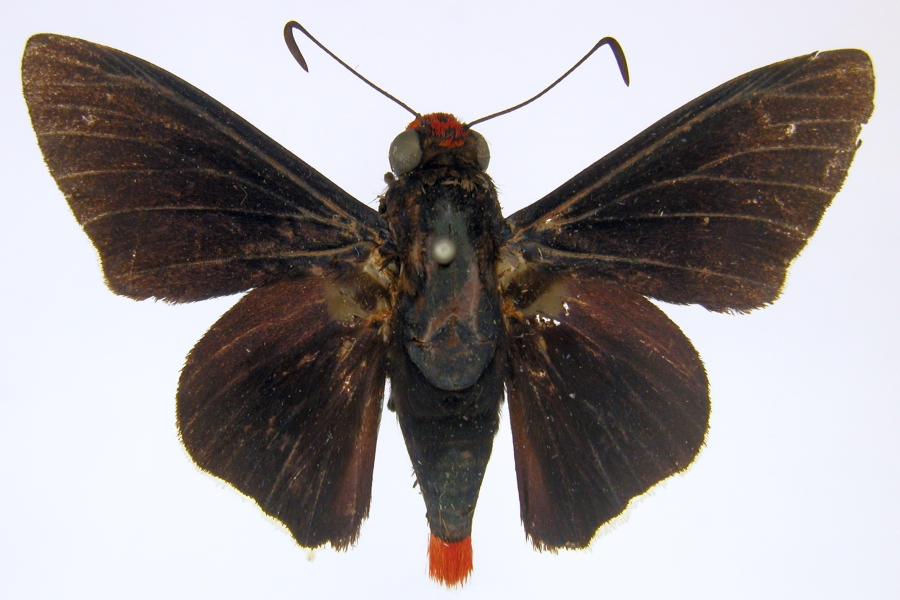
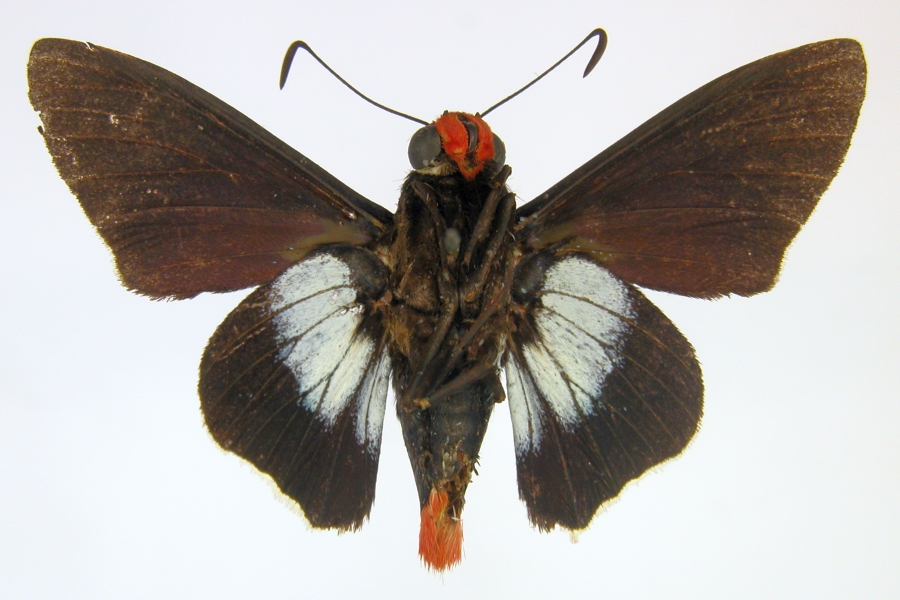
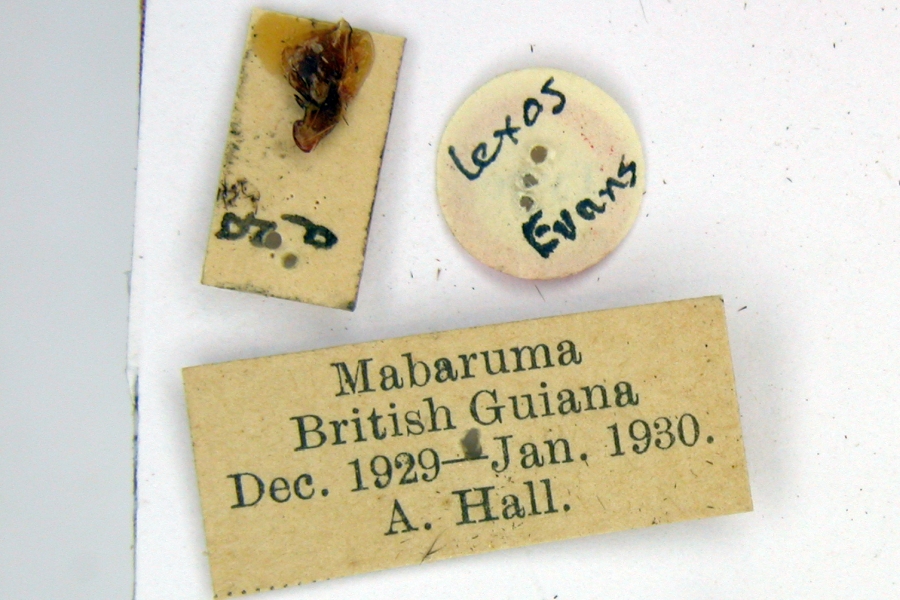
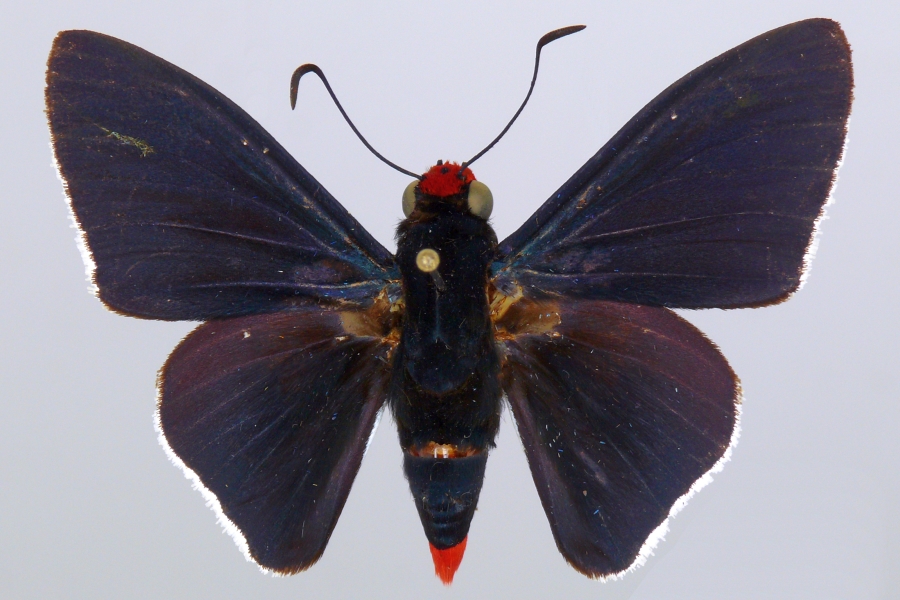
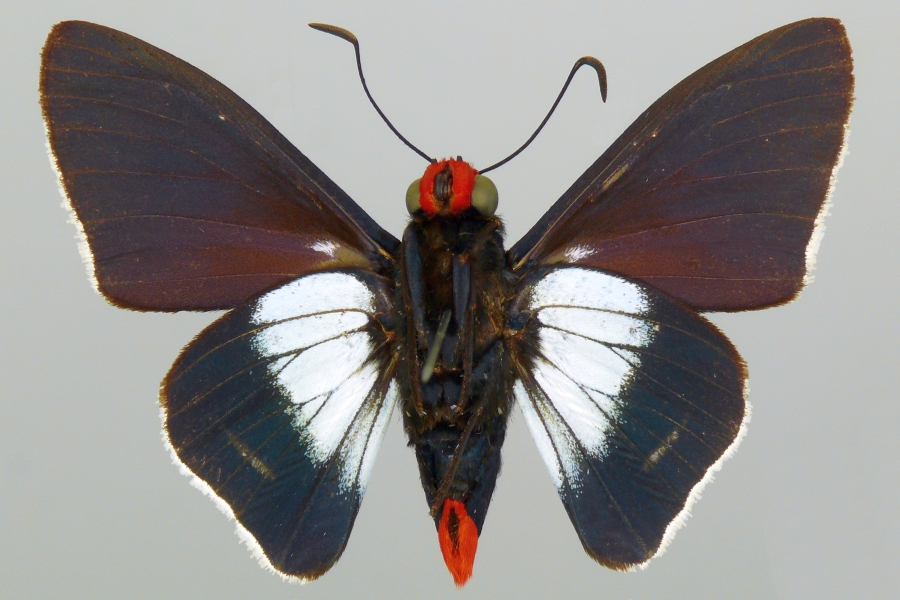
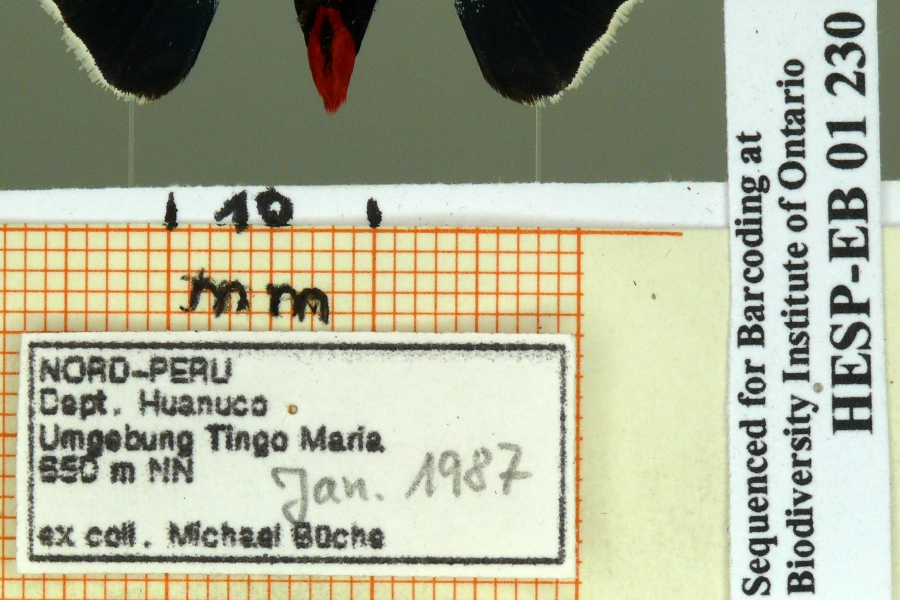
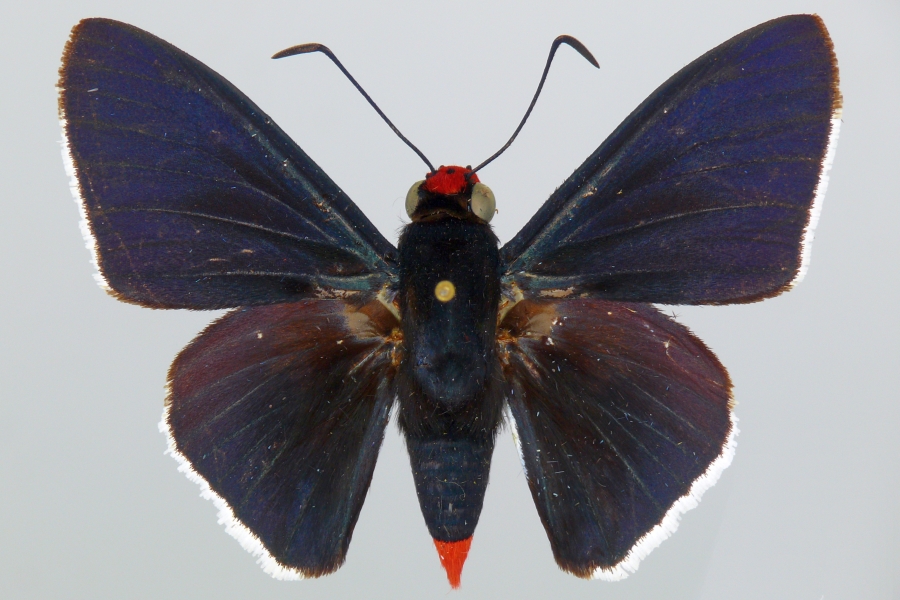
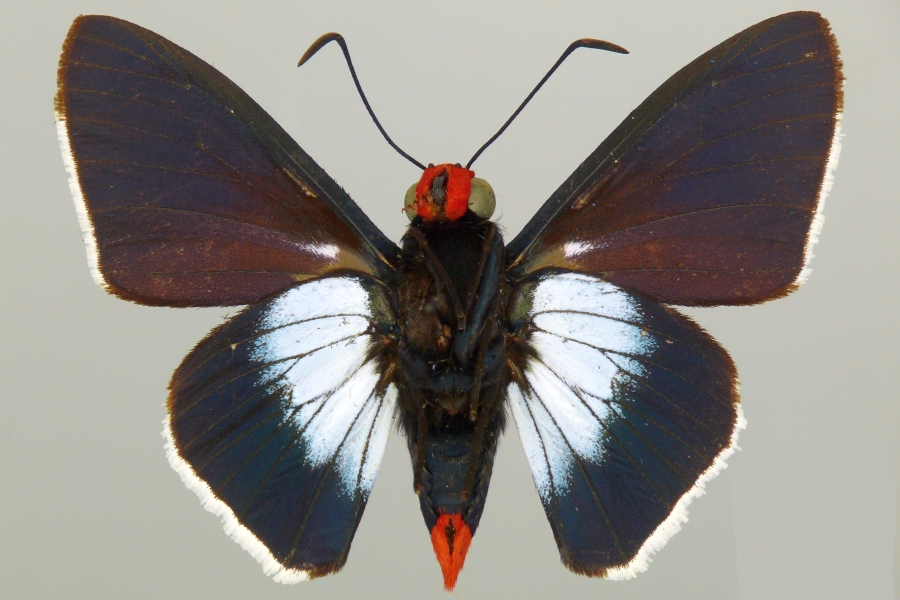
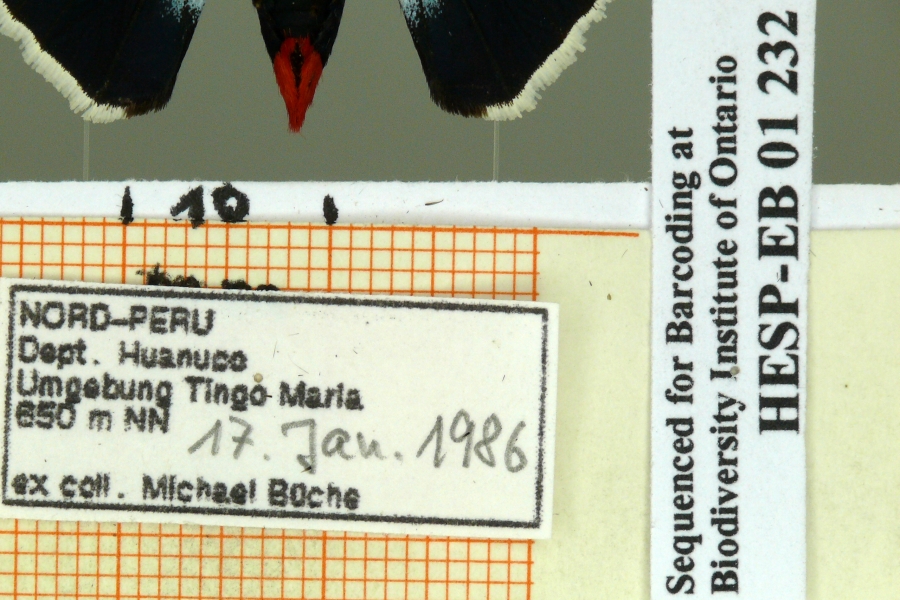
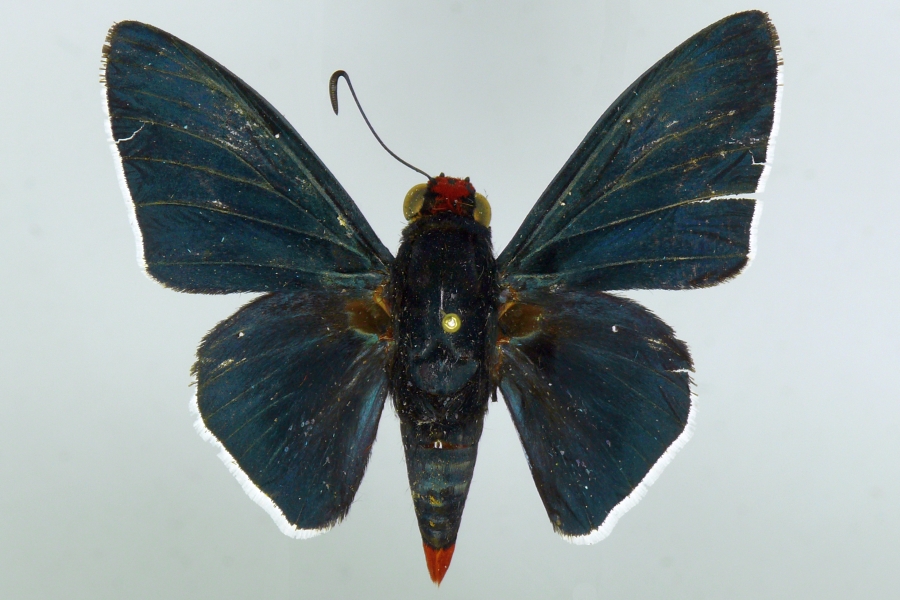

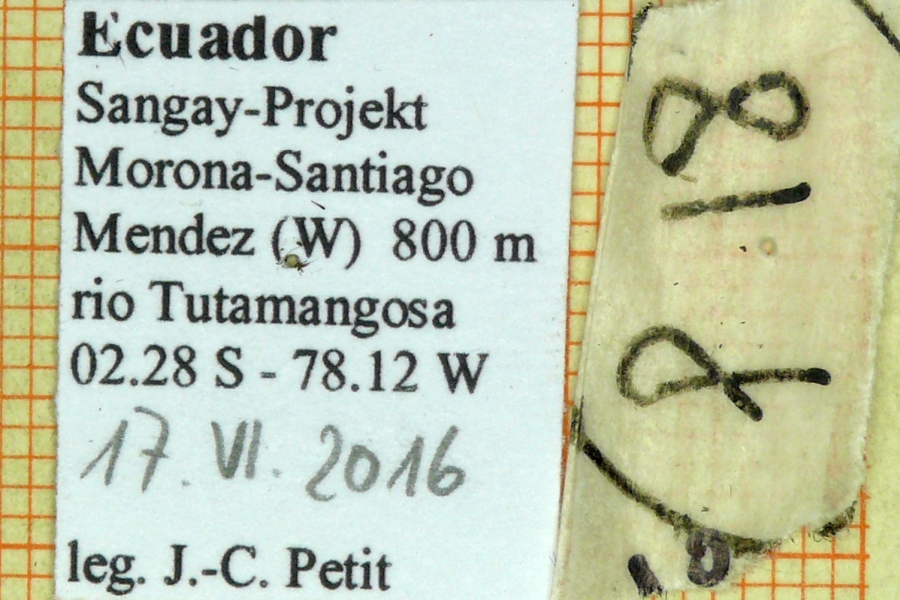
1-3: Holotypus ♂, Daten siehe Etiketten (fot.: Carlos Mielke, Fotos bearbeitet: Michel Kettner), © Images copyright Trustees Natural History Museum, used with permission.
4-6: ♂, Daten siehe Etiketten (coll., det. & fot.: Ernst Brockmann, Fotos bearbeitet: Michel Kettner)
7-9: ♂, Daten siehe Etiketten (coll., det. & fot.: Ernst Brockmann, Fotos bearbeitet: Michel Kettner)
10-12: ♂, Daten siehe Etiketten (coll., det. & fot.: Ernst Brockmann, Fotos bearbeitet: Michel Kettner)
2.5.2. Weibchen
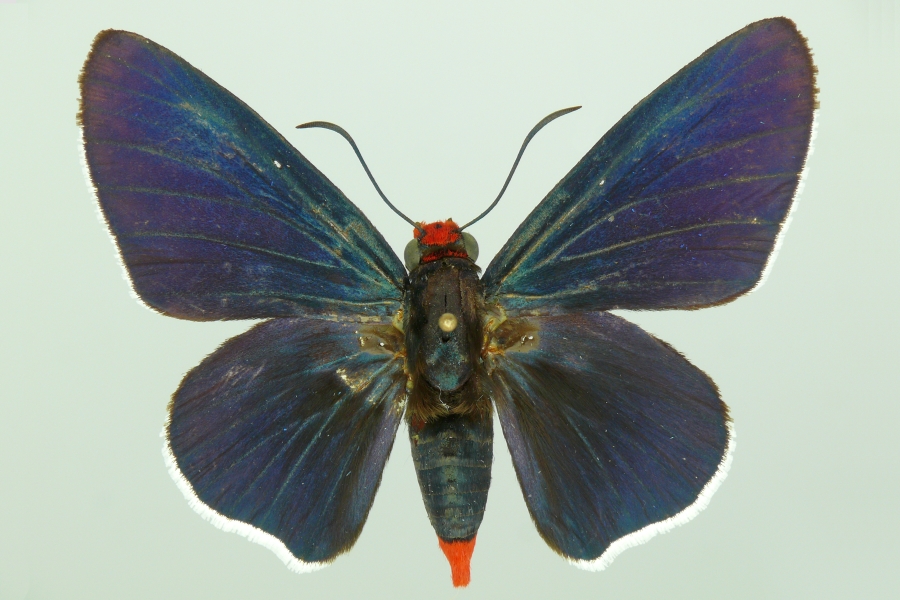
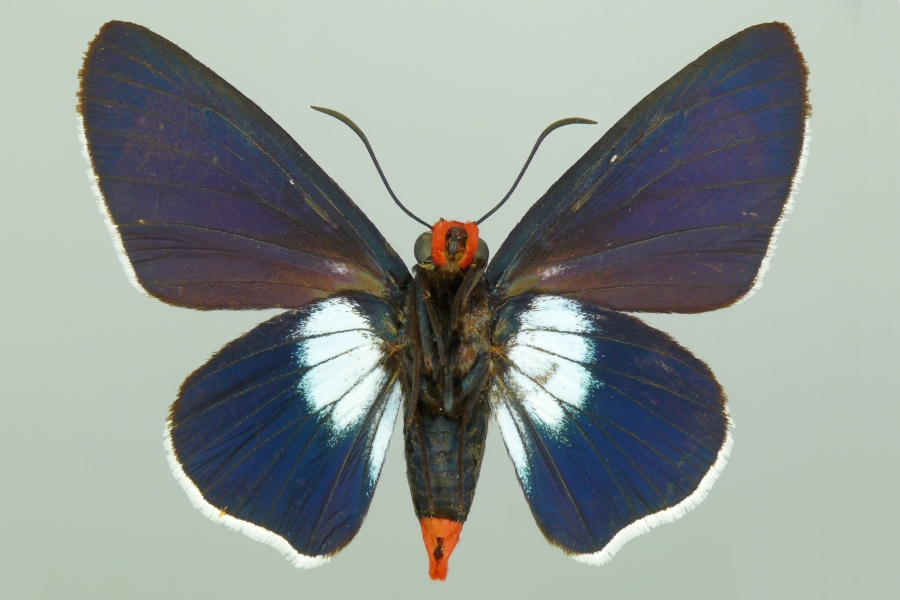
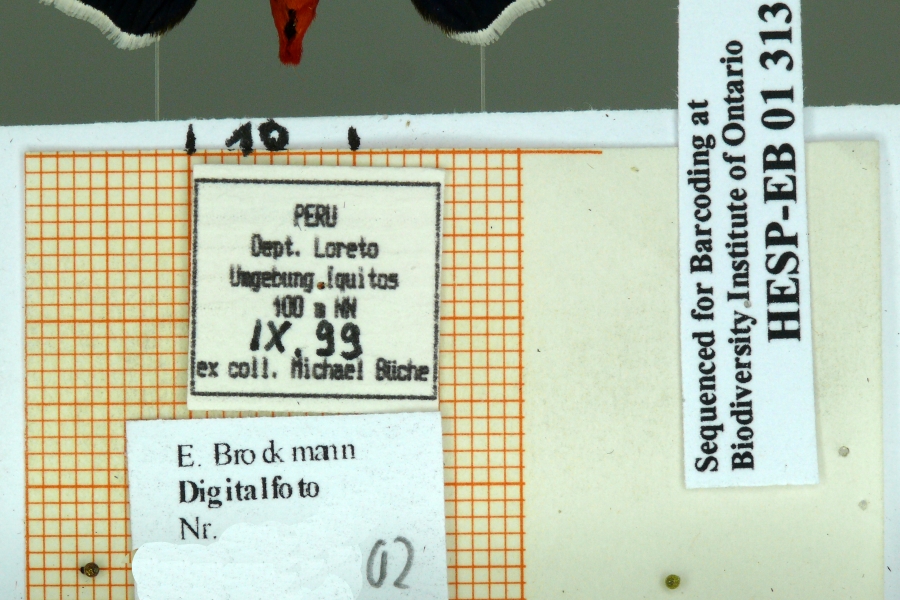
1-3: ♀, Daten siehe Etiketten (coll., det. & fot.: Ernst Brockmann, Fotos bearbeitet: Michel Kettner)
2.6. Ssp. miersi
2.6.1. Männchen
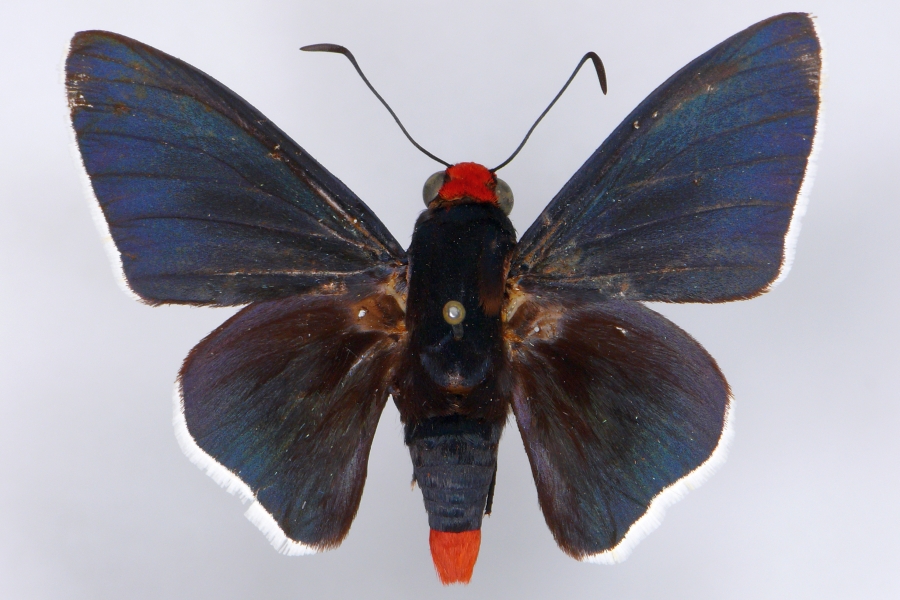
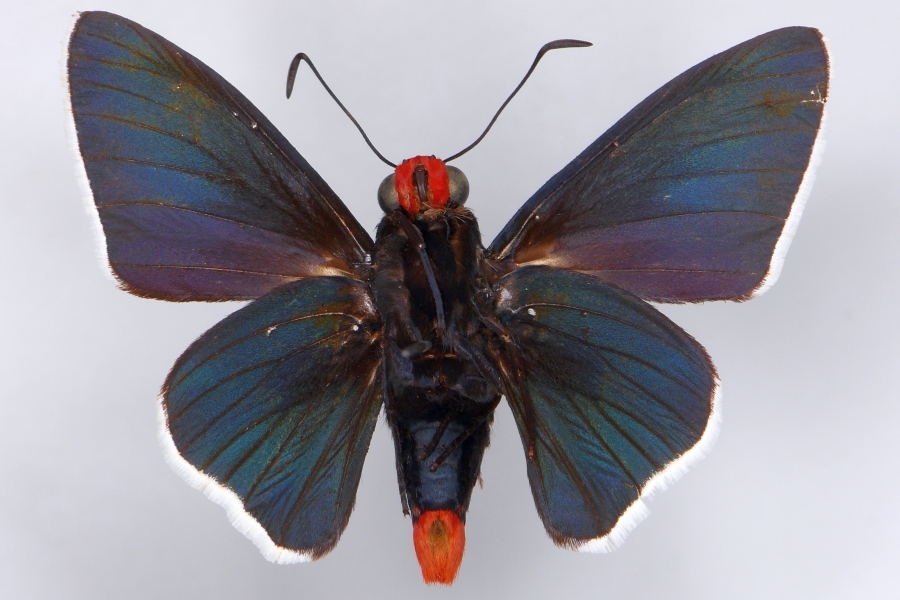
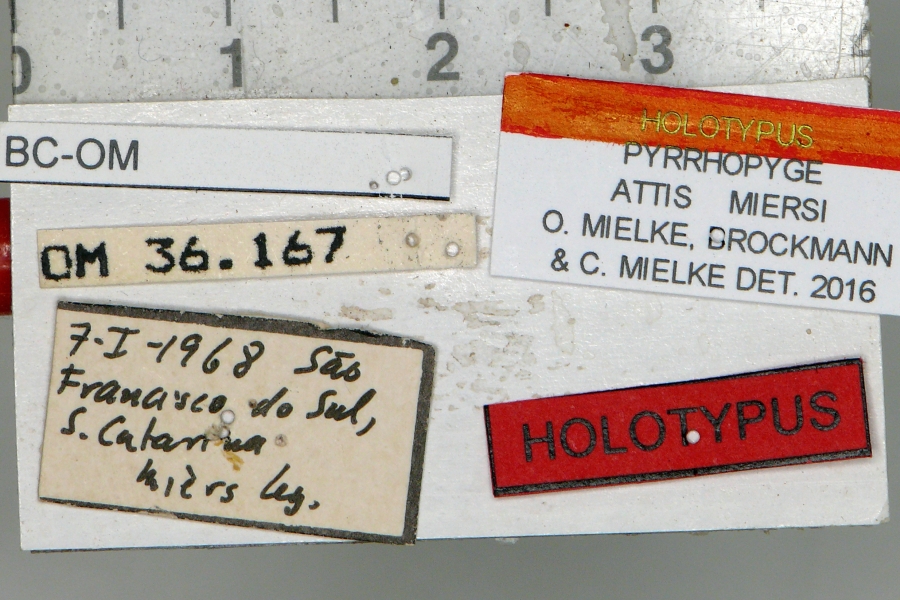

1-3: Holotypus ♂, Daten siehe Etiketten (fot.: Carlos Mielke, Fotos bearbeitet: Michel Kettner), coll. Departamento de Zoologia, Universidade Federal do Paraná, Curitiba, Paraná, Brazil.
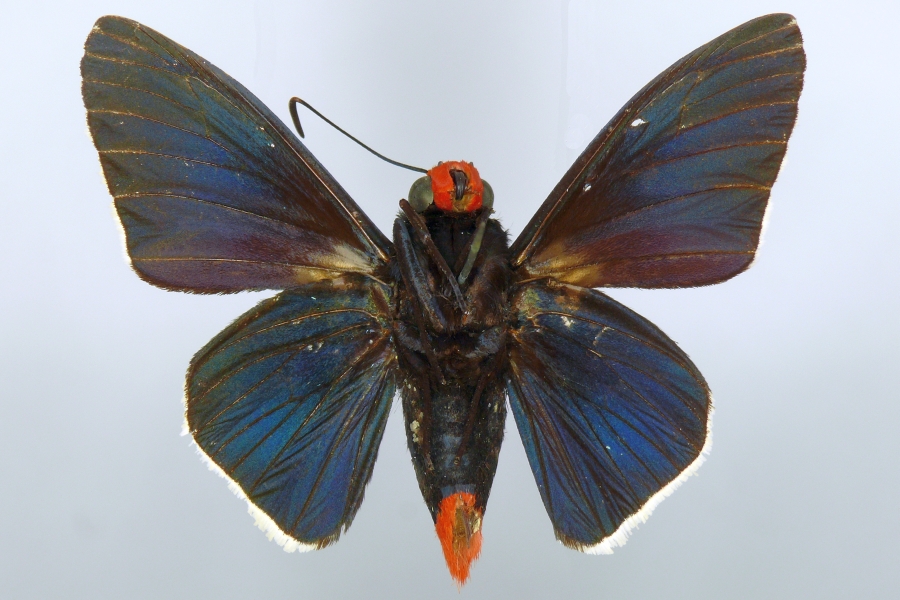
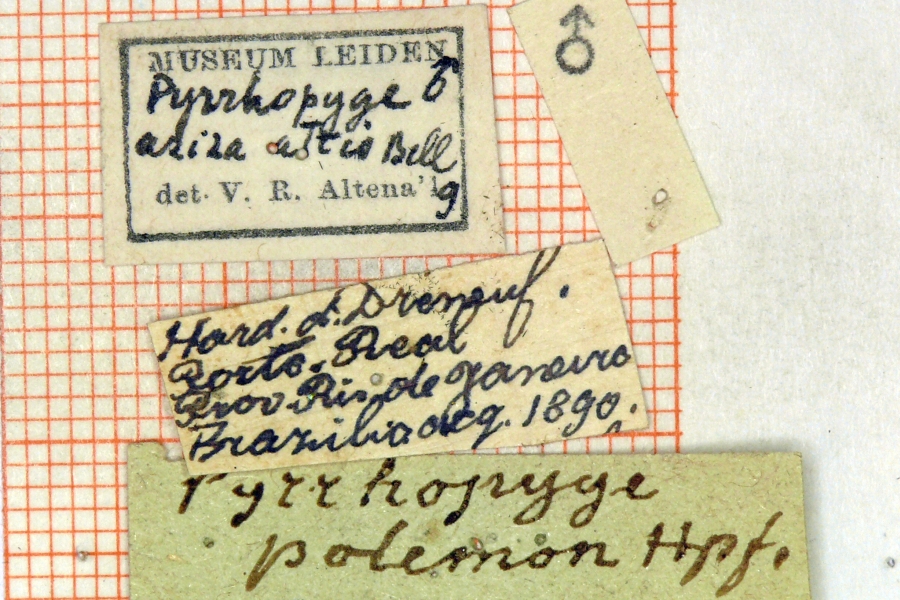
4-6: ♂, Daten siehe Etiketten (fot.: Ernst Brockmann, Fotos bearbeitet: Michel Kettner), coll. Naturalis Biodiversity Center, Leiden.
2.6.2. Weibchen

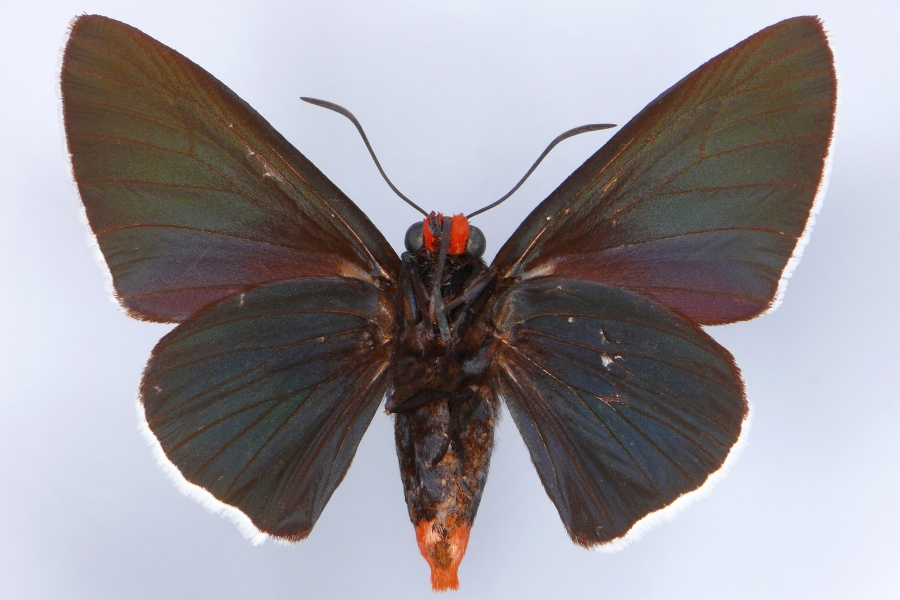
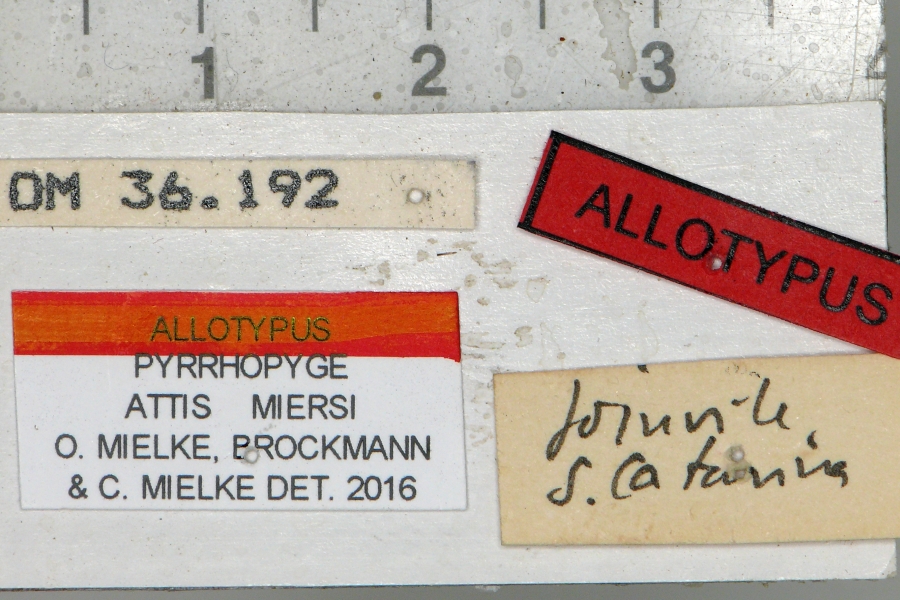
1-3: Paratypus ♂, Daten siehe Etiketten (fot.: Carlos Mielke, Fotos bearbeitet: Michel Kettner), coll. Departamento de Zoologia, Universidade Federal do Paraná, Curitiba, Paraná, Brazil.
3. Weitere Informationen
3.1. Synonyme
- Pyrrhopyge denieri Hayward, 1938
3.2. Unterarten
- Pyrrhopyge attis cardus Mabille, 1891
- Pyrrhopyge attis subnubilus Hayward, 1935
- Pyrrhopyge attis arbor Evans, 1951
- Pyrrhopyge attis lexos Evans, 1951
- Pyrrhopyge attis miersi Mielke, Brockmann & Mielke (2022)
3.3. Faunistik
Nach Mielke, Brockmann & Mielke (2022) kommt die nominotypische Art in Peru, Bolivien und Brasilien, die Unterart cardus in Brasilien, die Unterart subnubilus in Peru, Brasilien, Paraguay, Argentinien und Uruguay, die Unterart arbor in Kolumbien und Venezuela, die Unterart lexos in Kolumbien, Ecuador, Peru, Guyana, Suriname, Französisch-Guayana und Brasilien, die Unterart miersi in Brasilien vor.
Locus typicus: Bolivien.
(Autor: Michel Kettner)
3.4. Literatur
- Erstbeschreibung: Bell, E. L. (1931): Studies in the Pyrrhopyginae, with Descriptions of Several New Species (Lepidoptera, Rhopalocera, Hesperiidae). — Journal of the New York Entomological Society 39: 417-480, pl. XXIV-XXXIX. — Digitalisat auf biodiversitylibrary.org: [429], [pl. XXXV]
- Brockmann E., Mielke, C. G. C. & O. H. H. Mielke (2022): Hesperiidae III: New World Pyrrhopyginae, short text and plates. — In: E. Bauer & T. Frankenbach (ed.) (2022): Butterflies of the World 50: 40 p. + 76 pl. Keltern.
- Mielke, O. H. H., Brockmann, E. & C. G. C. Mielke (2022): Hesperiidae II: New World Pyrrhopyginae, detailed text. — In: E. Bauer & T. Frankenbach (ed.) (2022): Butterflies of the World 49: 120 pp. Keltern.
- Orellana A. (2008): Pyrrhopyginae de Venezuela (Lepidoptera: Hesperioidea: Hesperiidae). — Entomotropica 23 (3): 177-291. [PDF auf saber.ucv.ve]
3.5. Informationen auf anderen Websites (externe Links)
- [Butterflies of America], dort unter Pyrrhopyge aziza attis zu finden.