+17Kontinente:EUAF


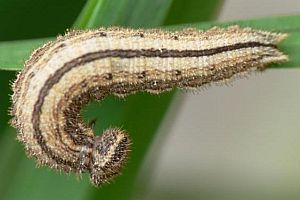
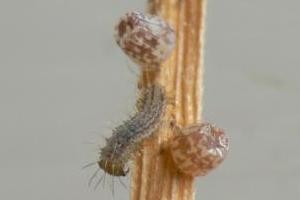
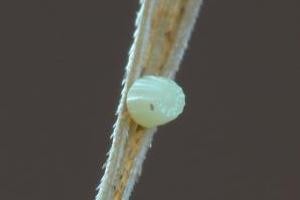
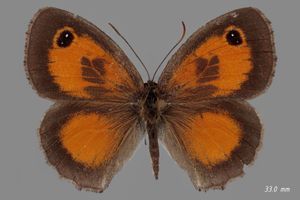
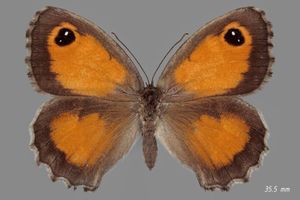
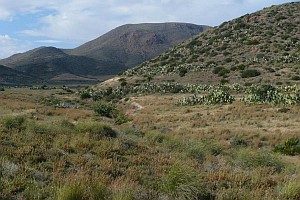
1. Lebendfotos
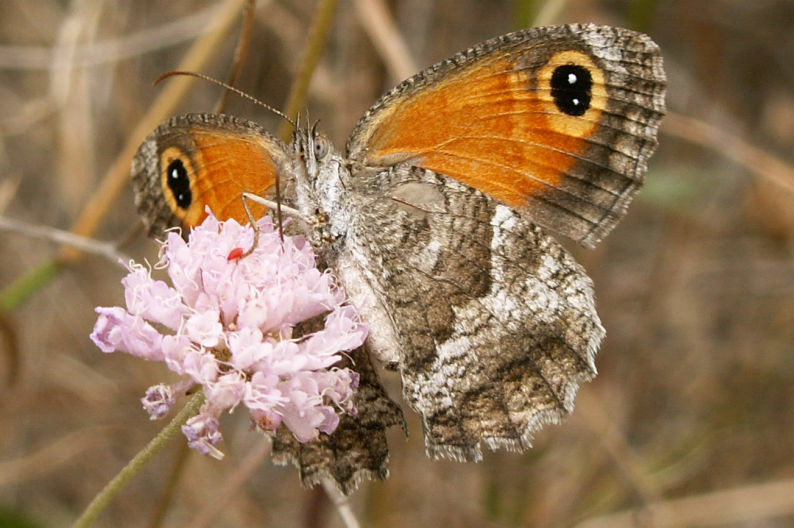
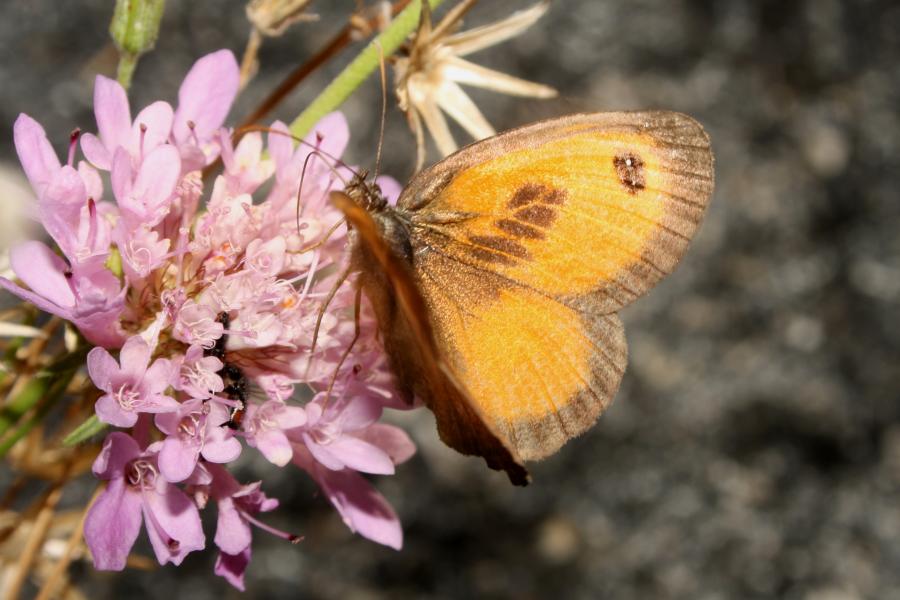
1.1. Falter
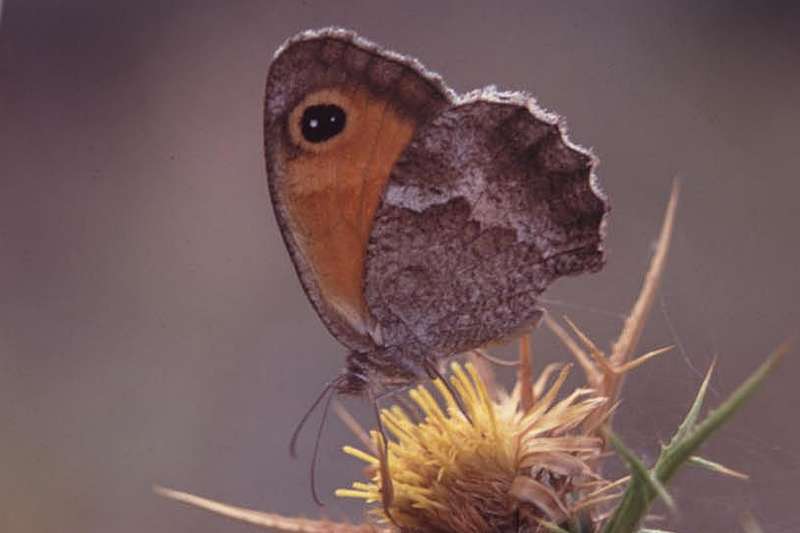

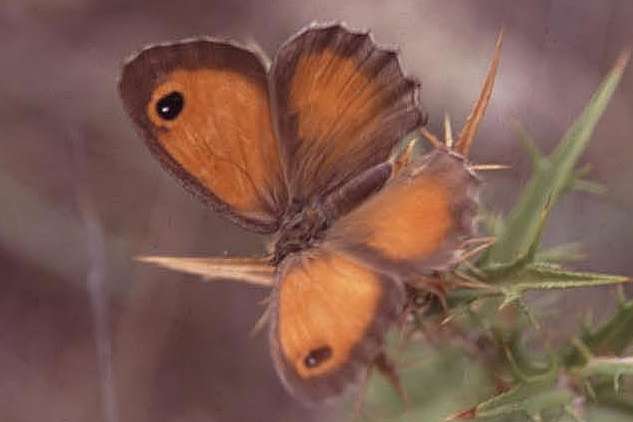
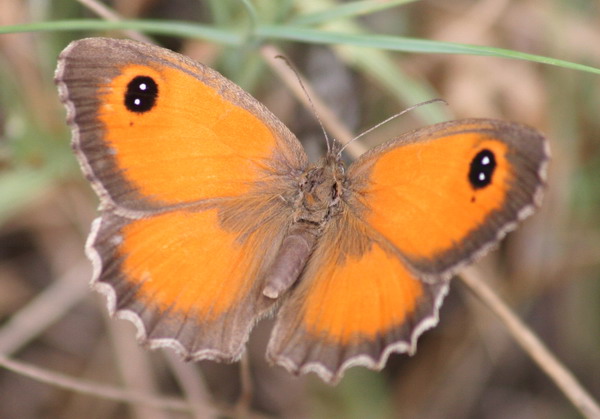
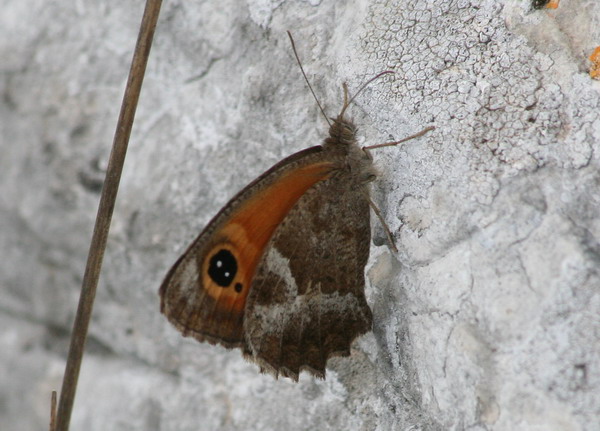


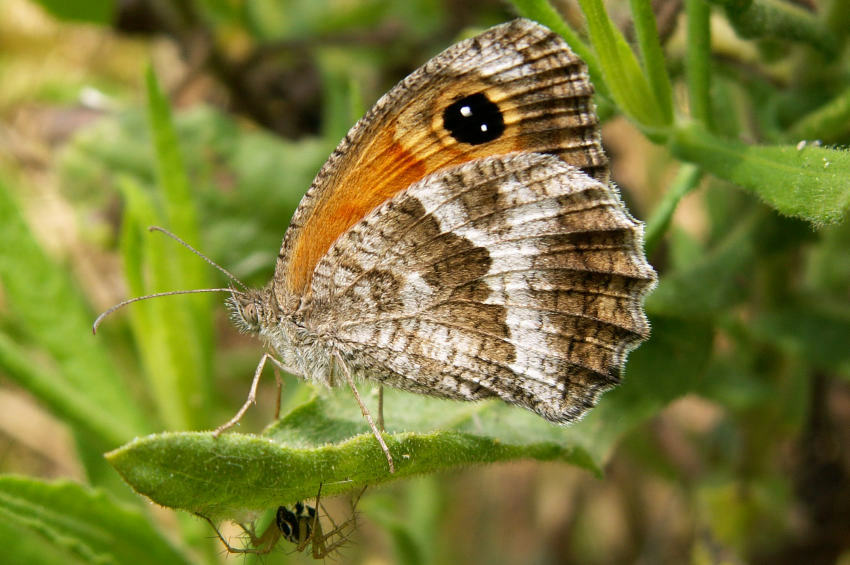



1.2. Ausgewachsene Raupe
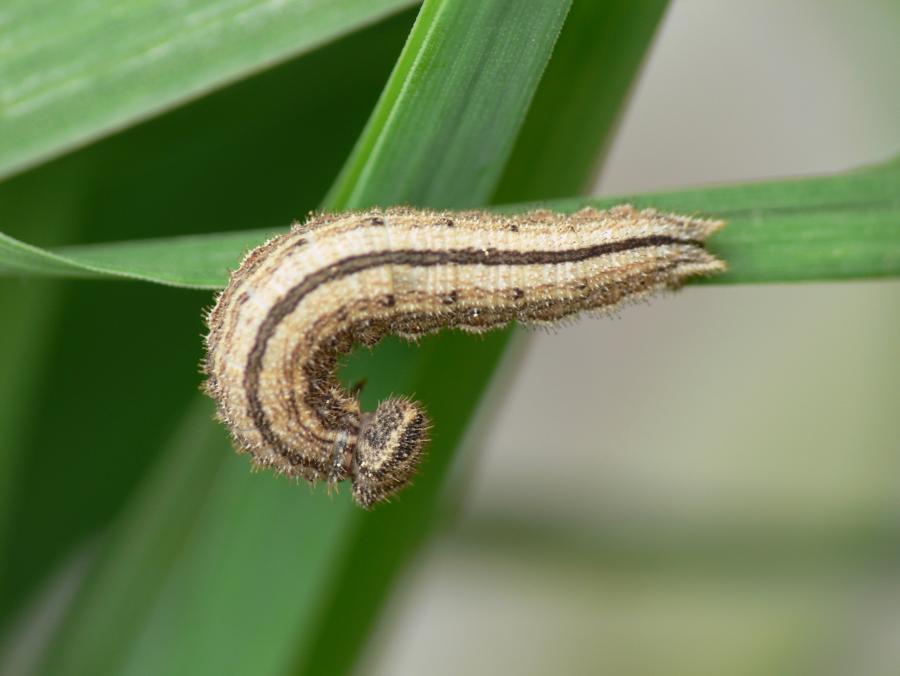
1.3. Jüngere Raupenstadien

1.4. Ei


2. Diagnose
2.1. Falter
Zur Unterscheidung der männlichen Falter von Pyronia cecilia und Pyronia tithonus: bei P. cecilia ist der Duftschuppenfleck durchbrochen, bei P. thitonus nicht [Uwe Geulen].
2.2. Männchen
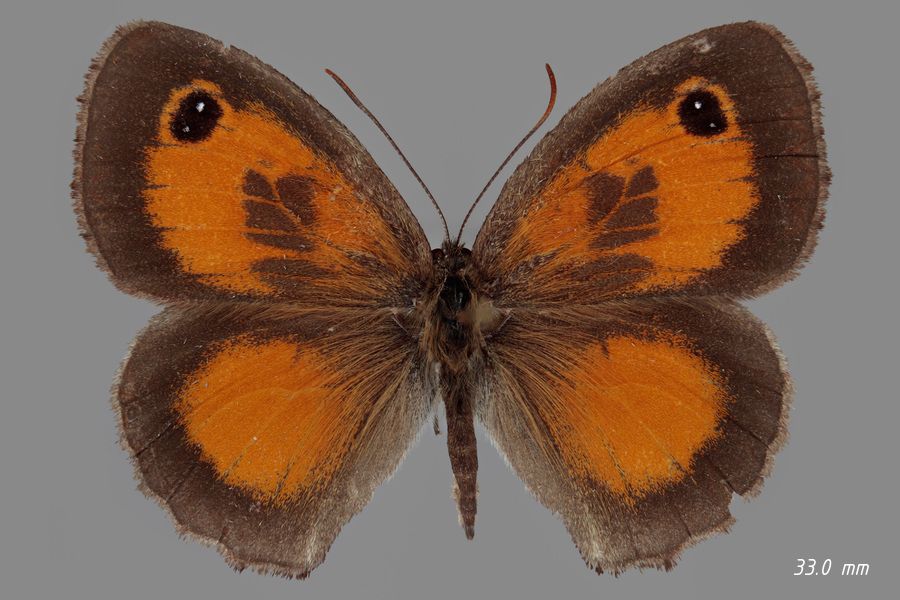
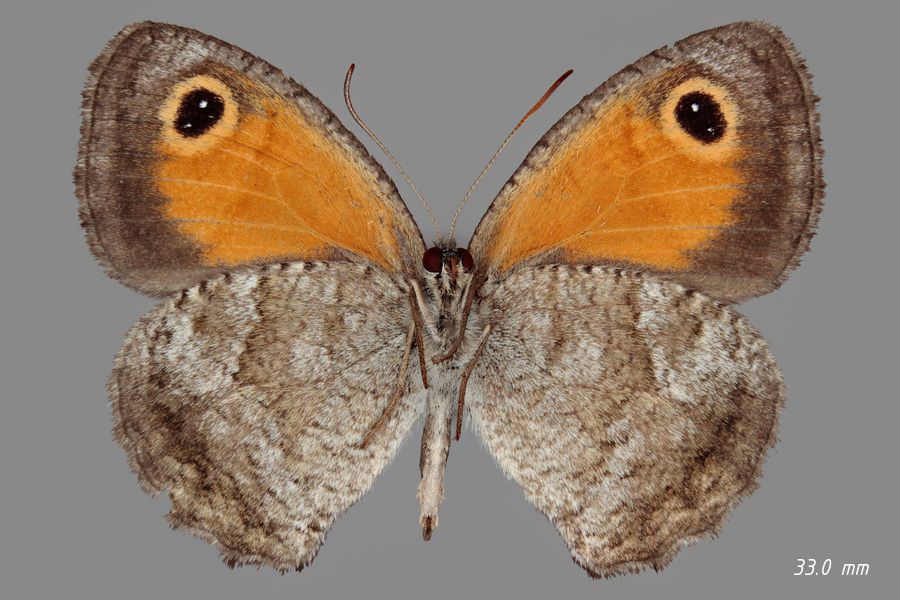
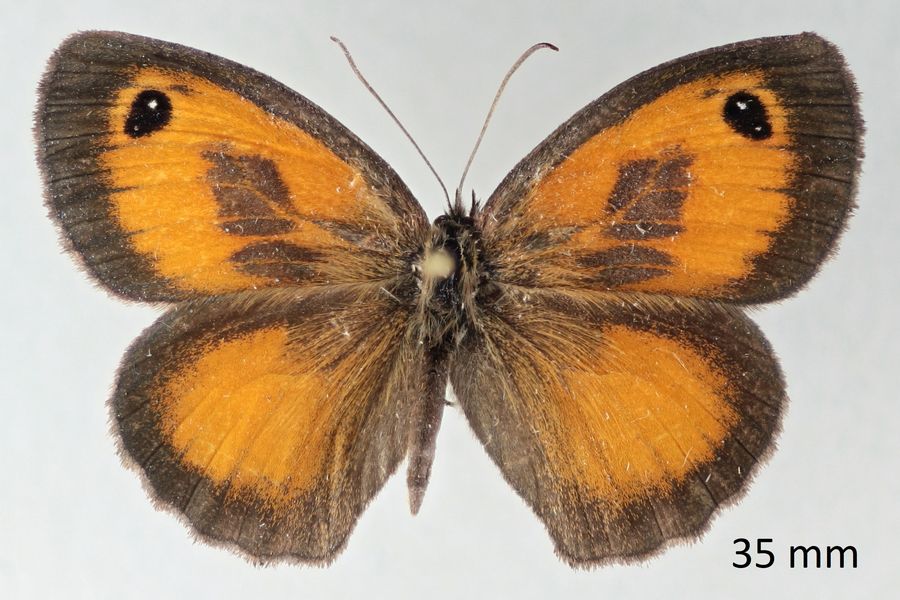
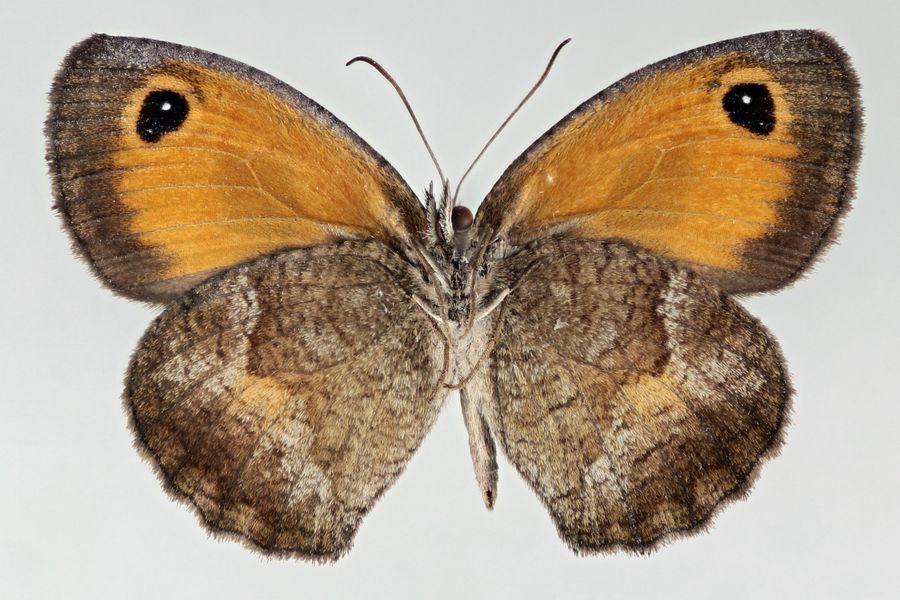
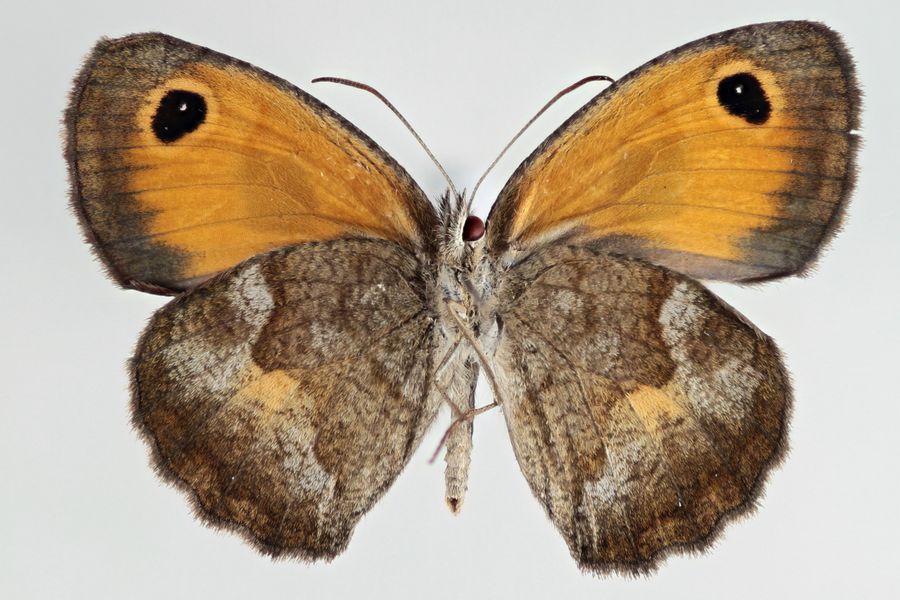
2.3. Weibchen
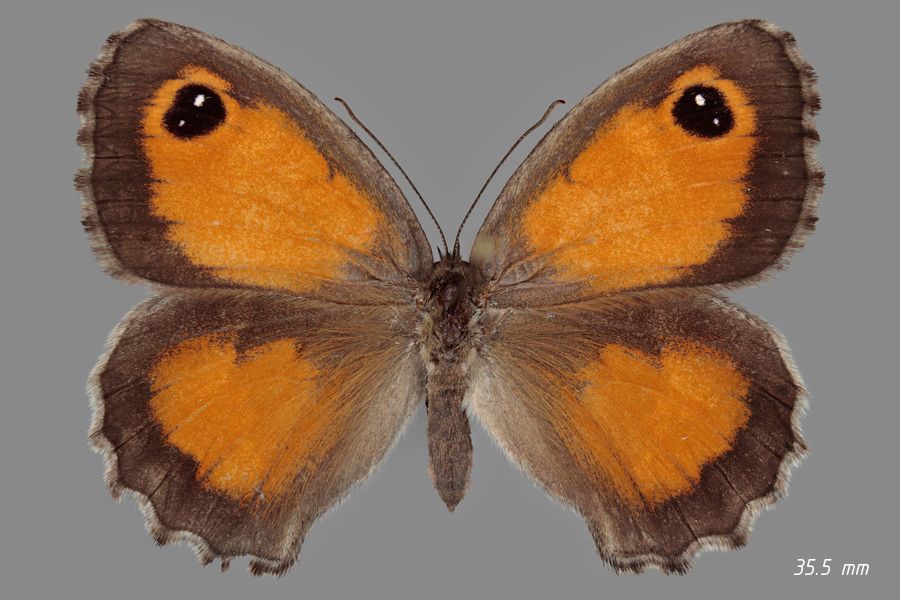
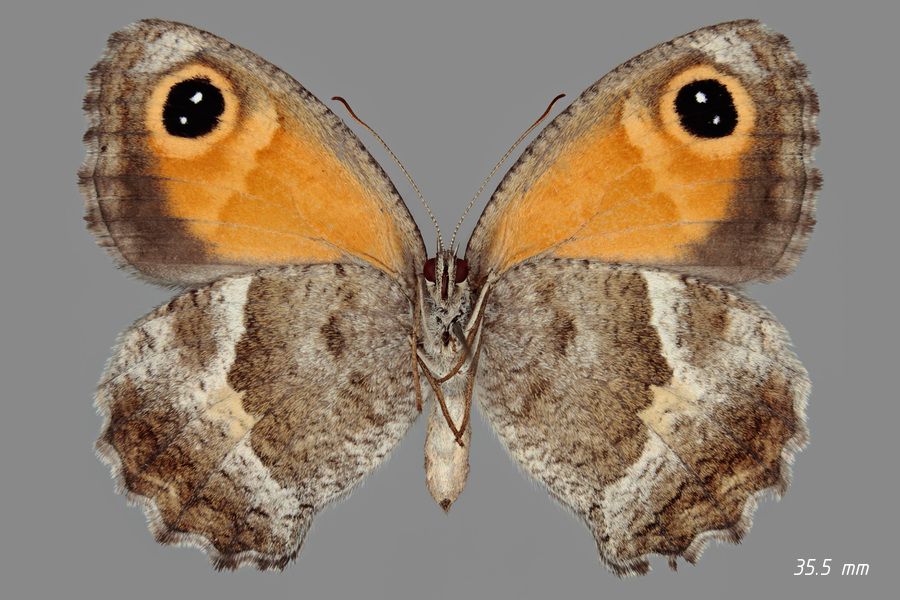
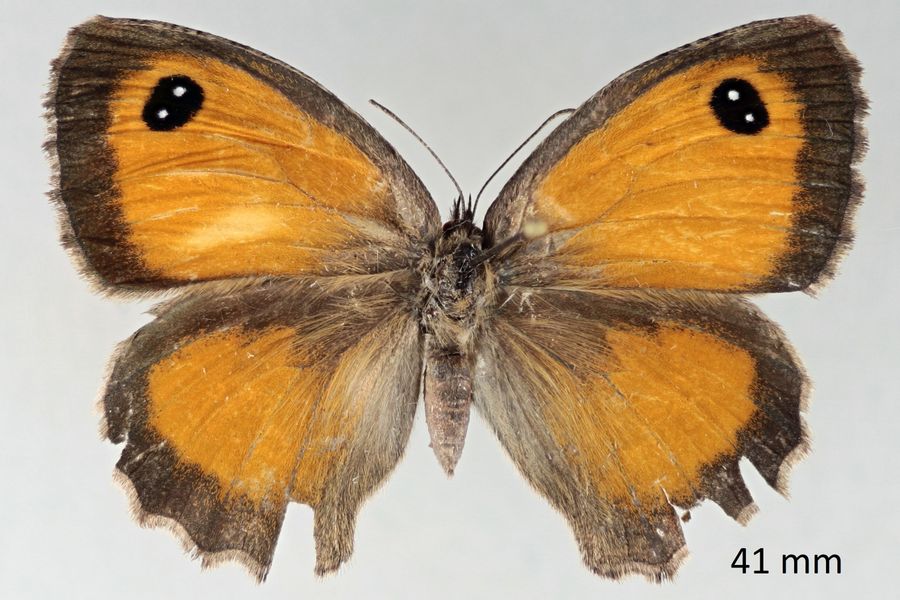
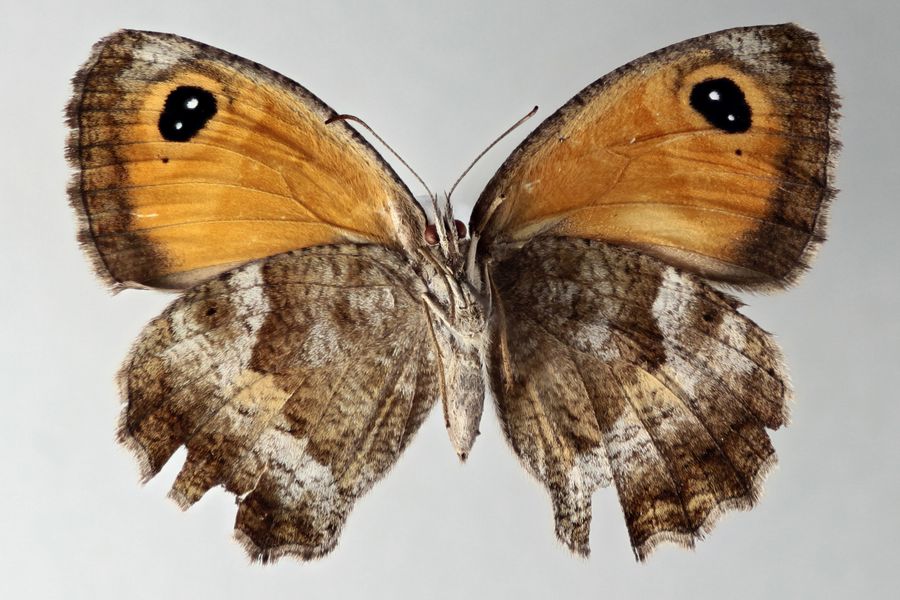
2.4. Genitalien
2.4.1. Männchen
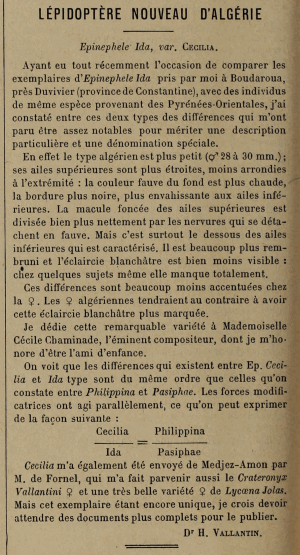
2.5. Erstbeschreibung

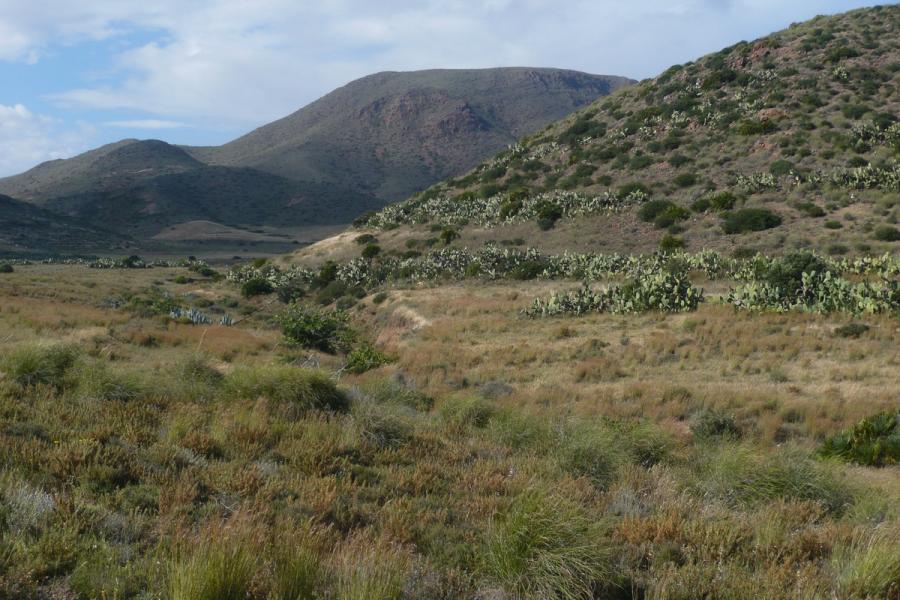
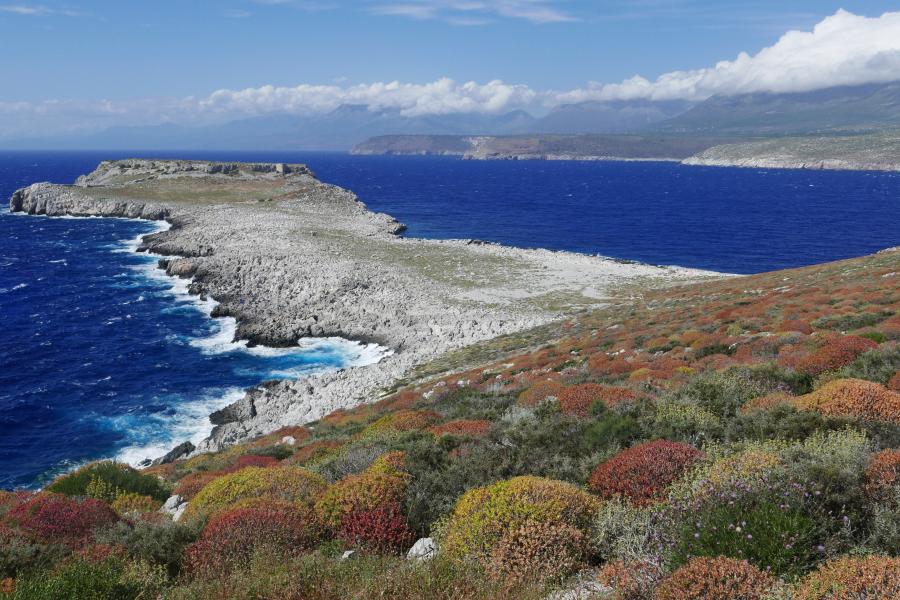
4. Weitere Informationen
4.1. Etymologie (Namenserklärung)
ida: „Berg auf Kreta.“
4.2. Andere Kombinationen
- Epinephele ida var. cecilia Vallantin, 1894 [Originalkombination]
- Maniola cecilia (Linnaeus, 1771) [so bei Zhang et al. (2020)]
- Idata cecilia (Linnaeus, 1771)
4.3. Synonyme
- Papilio ida Esper, 1785
4.4. Taxonomie
Zhang et al. (2020) kommen zum Schluss, dass Pyronia und Aphantopus am besten als als Untergattungungen zu Maniola zu stellen sind. Doch sie haben auch einen Alternativvorschlag, der noch attraktiver klingt: "The genomic tree reveals that Pyronia Hübner, [1819] (type species Papilio tithonus Linnaeus, 1771) is not monophyletic (Fig. 18), and Pyronia bathseba (Fabricius, 1793) is sister to Aphantopus Wallengren, 1853 (type species Papilio hyperantus Linnaeus, 1758) with strong support (Fig. 18). Two other Pyronia species we sequenced are not monophyletic either: the type species of the genus is sister to Maniola Schrank, 1801 (type species Maniola lemur Schrank, 1801, which is a junior subjective synonym of Papilio jurtina Linnaeus, 1758). To restore monophyly, it is possible to break Pyronia into smaller genera, and these already have names available: Pasiphana de Lesse, 1952 (type species Papilio bathseba Fabricius, 1793) and Idata de Lesse, 1952 (type species Epinephele ida var. cecilia Vallantin, 1894). Alternatively, they can be grouped in some ways to form more inclusive monophyletic genera. The tree (Fig. 18) reveals three clusters of species of equivalent rank. One of these clusters is the genus Erebia. The other one is the genus Cercyonis as we presently define it (including Hyponephele as a subgenus). Therefore, it is meaningful to treat the third group as a single genus as well. Hence, we propose that Aphantopus, Pyronia, Pasiphana and Idata are subgenera of Maniola, new status. It is unfortunate that genomic data suggest abandoning the familiar Aphantopus and Pyronia as genera, however breaking this more inclusive but genetically prominent genus Maniola into four or five very small genera is even less appealing to us." Im Sinne der nomenklatorischen Stabilität ist aber genau dies der Weg, dem gefolgt werden sollte. Um die Verwandtschaftsverhältnisse bei Maniola s.str., Pyronia s.l. und Aphantopus besser zu verstehen, sollten noch weit mehr Maniola s.str.-Arten in die Untersuchungen einbezogen werden. Auf der momentanen Kenntnisbasis wird hier vorerst auf taxonomische Neukombinationen verzichtet, wenn auch das nicht befriedigend ist.
(Autor: Erwin Rennwald)
4.5. Faunistik
Die Art wurde von Karsholt & Razowski (1996) mit ? für die Schweiz aufgeführt, zählt jedoch nach neueren Erkenntnissen (Sauter & Whitebread (2005)) nicht zur Schweiz-Fauna.
4.6. Literatur
- Sauter, W. & S. Whitebread (2005): Die Schmetterlinge der Schweiz (Lepidoptera). 9. Nachtrag. — Mitteilungen der Schweizerischen Entomologischen Gesellschaft, Bulletin de la Société Entomologique Suisse, 78 (1/2): 59-115. [Digitalisat auf e-periodica.ch]
- Schweizerischer Bund Für Naturschutz [Hrsg.] (1987): Tagfalter und ihre Lebensräume. Arten – Gefährdung – Schutz. — XI + 516 S. (hier 293), Egg/ZH (Fotorotar AG).
- Erstbeschreibung: Vallantin, H. (1894): Lépidoptère nouveau d'Algérie. — Le Naturaliste 16: 260. Paris.
- Zhang, J., Cong, Q., Shen, J., Opler, P.A. & N.V. Grishin (2020): Genomic evidence suggests further changes of butterfly names. — The Taxonomic Report of the International Lepidoptera Survey, 8 (7): 1–40. [zum open-access-Artikel auf digitalcommons.unl.edu]