Länder:

 +16Kontinente:EUAS
+16Kontinente:EUAS


Neues Layout der Navigation (Beta Test)
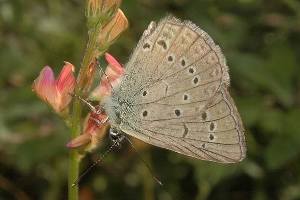
Männchen
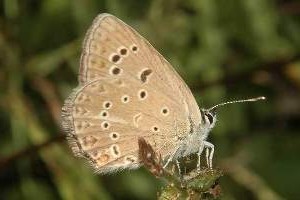
Weibchen
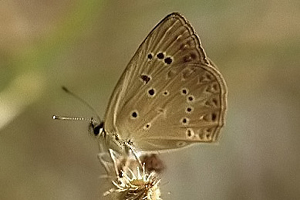
Geschlecht nicht bestimmt
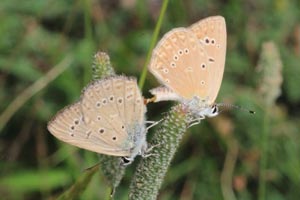
Kopula
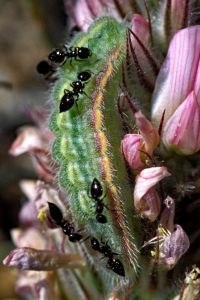
Ausgewachsene Raupe
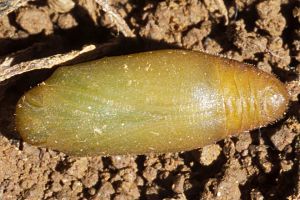
Puppe
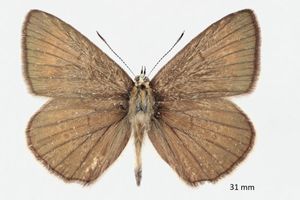
Männchen
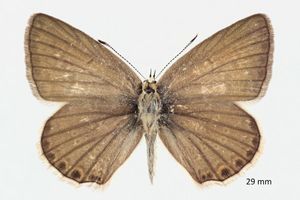
Weibchen
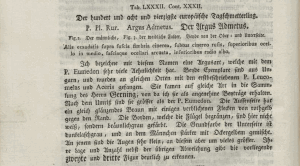
Erstbeschreibung
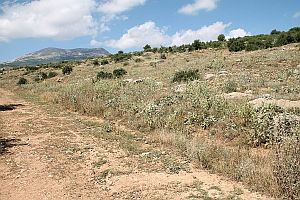
Habitat
LebendfotosDiagnoseBiologieNahrung der RaupeWeitere InformationenEtymologie (Namenserklärung)Andere KombinationenFaunistikPublikationsjahr der ErstbeschreibungLiteratur
1. Lebendfotos
1.1. Männchen
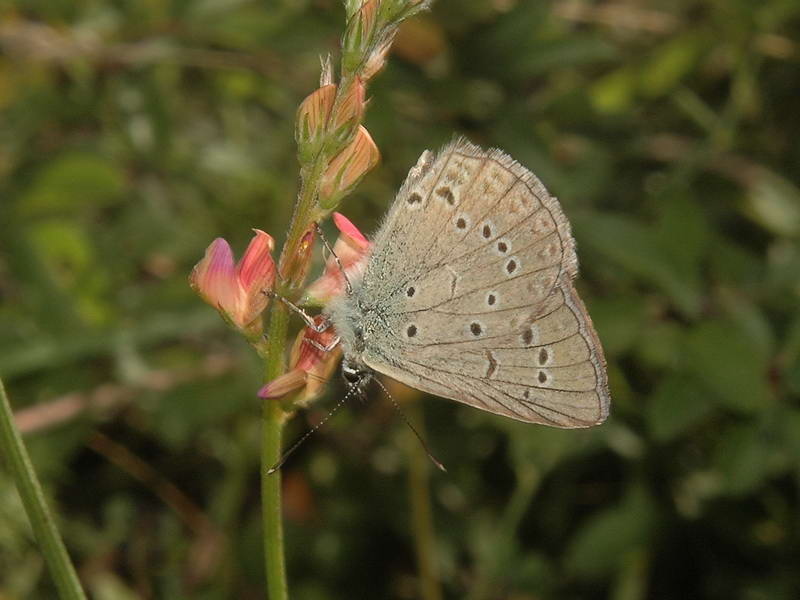
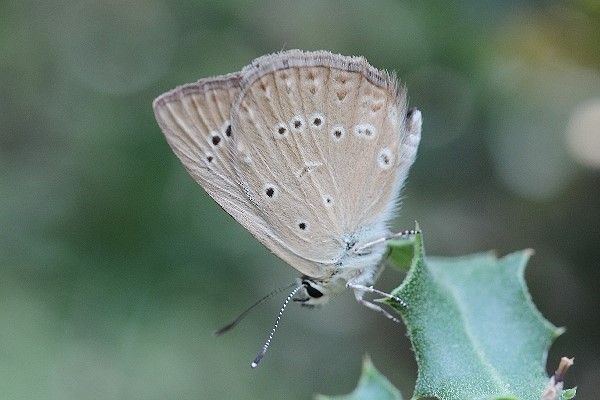
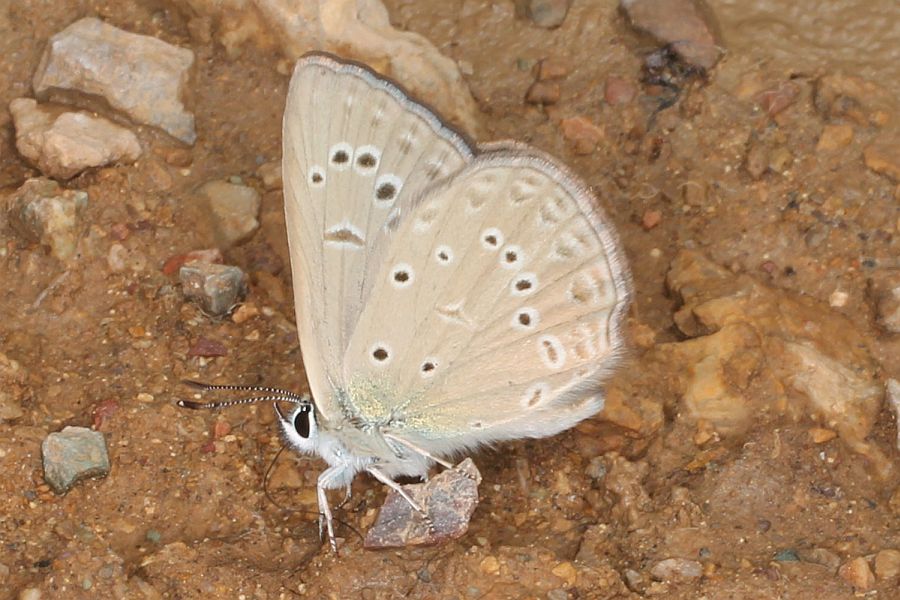
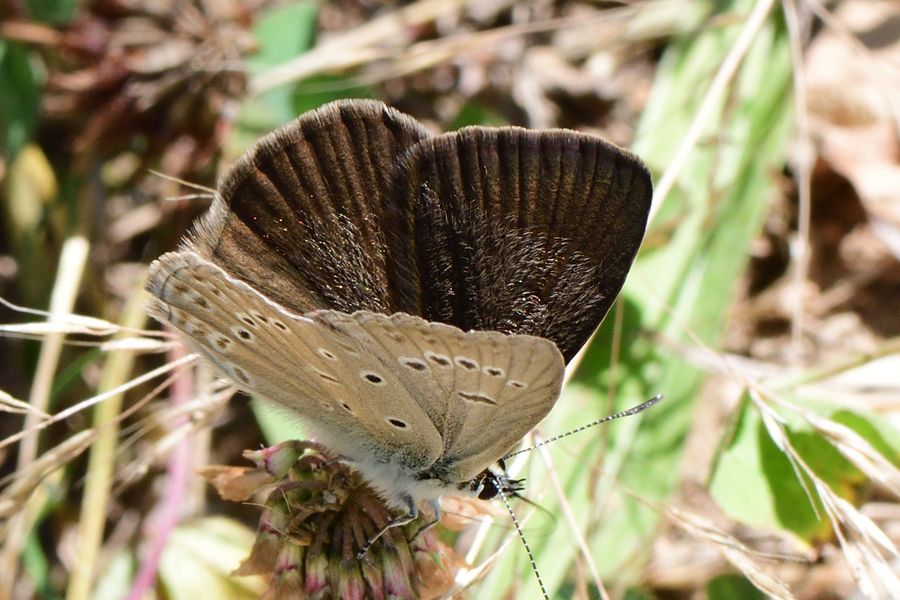
1: ♂, Ungarn, Borsod-Abauj-Zemplen Region, 14. Juli 2008 (Freilandfoto: Jarosław Bury), det. Jarosław BuryForum
2: ♂, Griechenland, Elis, Krioneri, ca. 800 m, 29. Juli 2013 (det. & fot.: Jochen Kostewitz)Forum
3: ♂, Türkei, Karaman, Yollarbaşı, 1080 m, 22. Juni 2015 (fot.: Michel Kettner), det. Özgür KoçakForum
4: Griechenland (Festland und festlandsnahe Inseln), Ostmakedonien, Mt. Falakro, Waldlichtung, 760 m, 28. Juli 2020, Tagfund (Foto: Theodosis Mamais)Forum
1.2. Weibchen
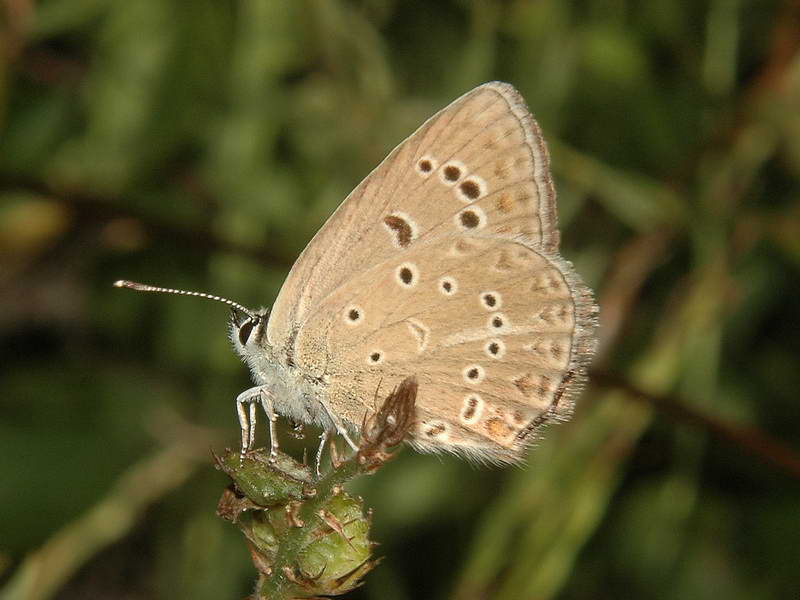

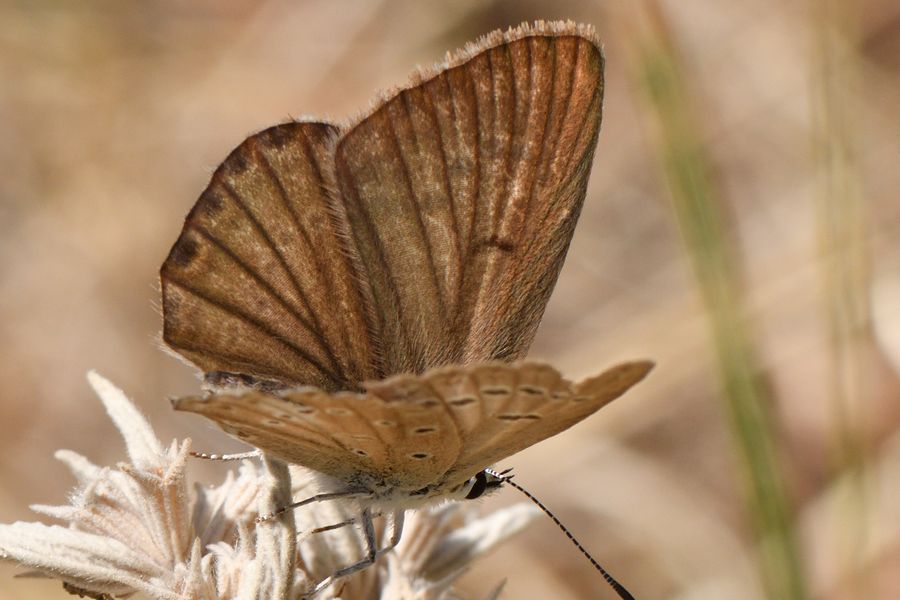
1: ♀, Ungarn, Borsod-Abauj-Zemplen Region, 14. Juli 2008 (Freilandfoto: Jarosław Bury), det. Jarosław BuryForum
2: ♀, Griechenland, Elis, Krioneri, ca. 800 m, 29. Juli 2013 (det. & fot.: Jochen Kostewitz)Forum
3: ♀, Griechenland (Festland und festlandsnahe Inseln), Westmakedonien, Mt. Vourinos, Grasland, 730 m, 31. Juli 2024, Tagfund (Foto: Theodosis Mamais)Forum
1.3. Geschlecht nicht bestimmt
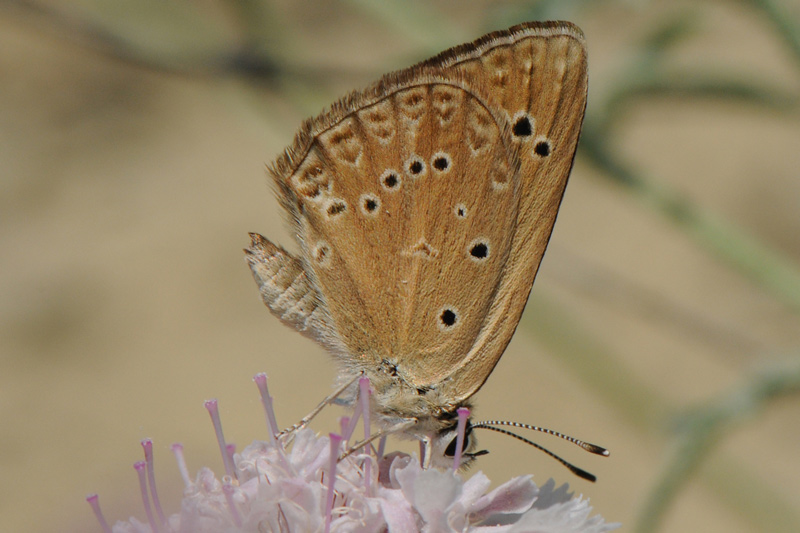
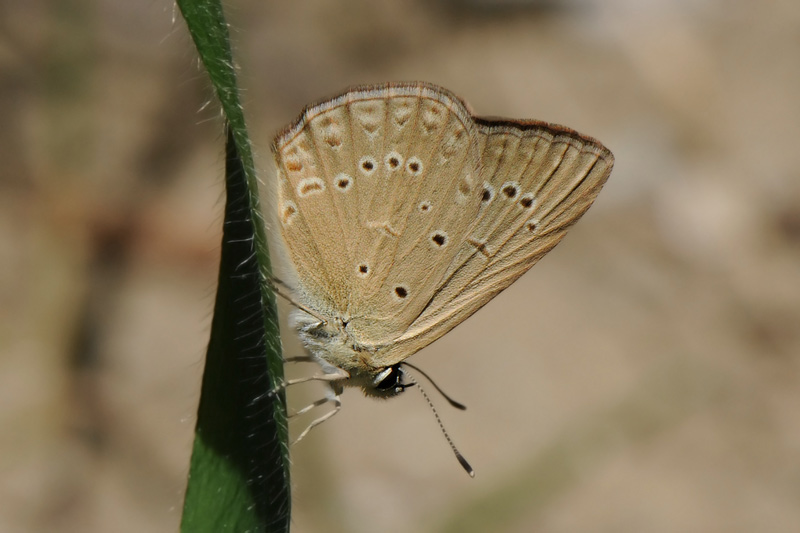
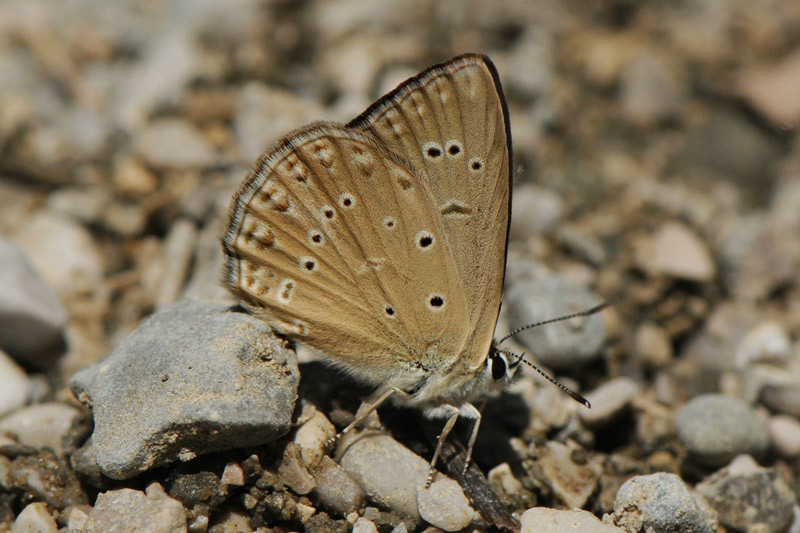

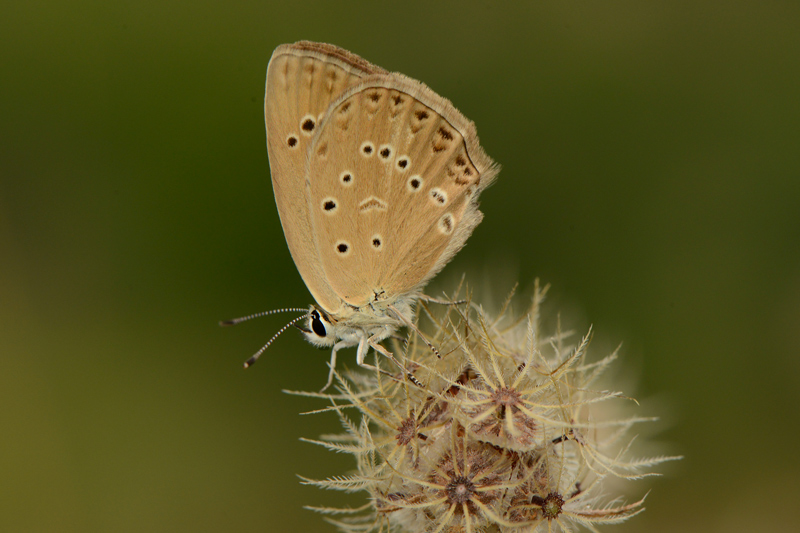
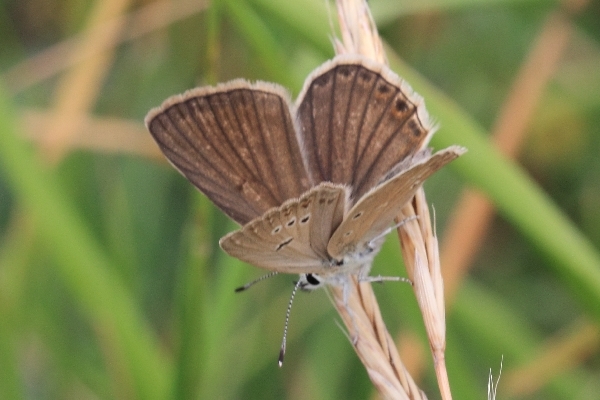
1: Bulgarien, Juli 1995 (Freilandfoto: Heidrun Melzer)Forum
2: Griechenland, Epirus, Zagori, Mikro Papingo, N 39° 58' 11" E 20° 43' 47", 1010 m, 1. Juli 2012 (det. & fot.: Christian Papé)Forum
3-4: Griechenland, Epirus, Zagori, Weg-Papigo-Aristi, Voidomatis-Tal, N 39° 56' 38" E 20° 41' 13", Lichtung im Platanenauwald, 2. Juli 2012 (det. & fot.: Christian Papé)Forum
5: Türkei, Karaman, Yollarbaşı, 1160 m, 20. Juni 2015 (fot.: Michel Kettner), det. Özgür KoçakForum
6: Griechenland, Westmakedonien, Grevena, ca. 2 km nordöstlich Spileo, ca. 690 m, extrem trockener, fast vegetationsloser Geröllhang aus Schiefer, von niedrigen supramediterranen Eichenwäldern umgeben, 23. Juli 2014 (Freilandfoto: Christian Papé), det. Tristan Lafranchis Bestimmungskorrektur: [Forum]Forum
7: Griechenland, Epiros, Katara-Pass, ca. 1450 m, 25. Juli 2018 (Foto: Jochen Kostewitz)Forum
1.4. Kopula
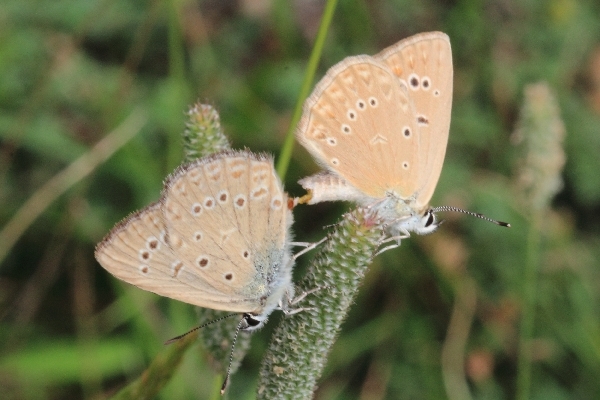
1: Griechenland, Epiros, Katara-Pass, ca. 1450 m, 25. Juli 2018 (Foto: Jochen Kostewitz)Forum
1.5. Ausgewachsene Raupe
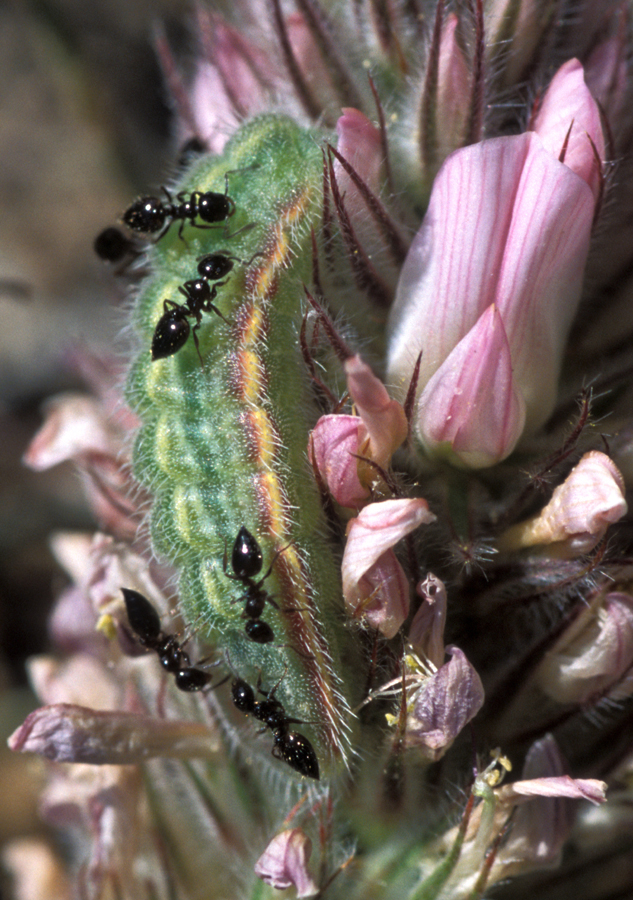
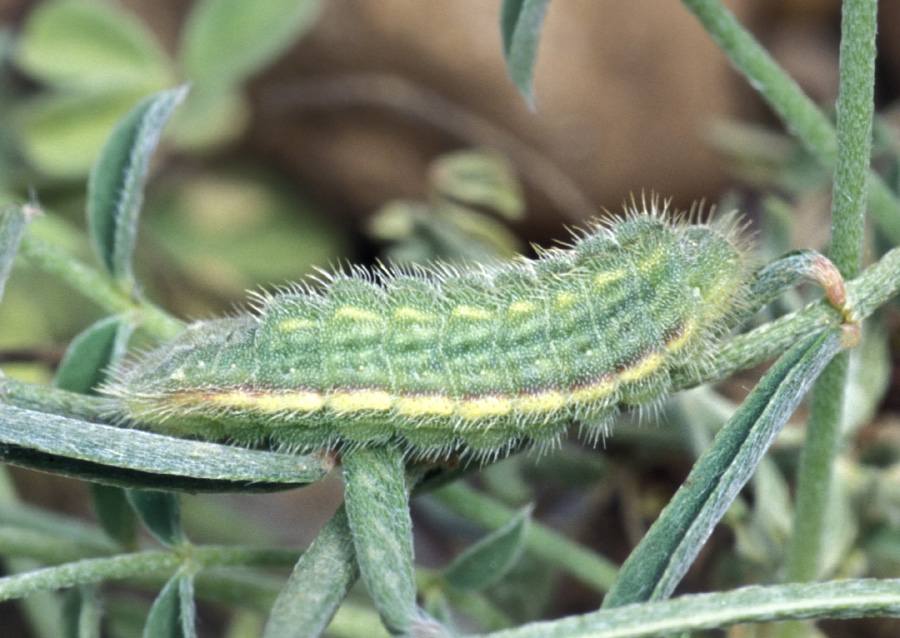
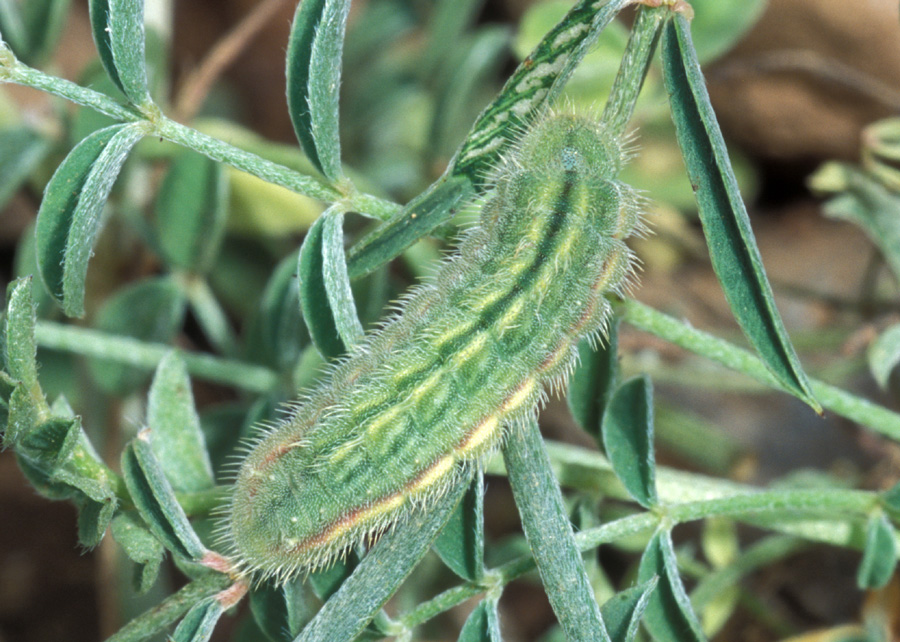
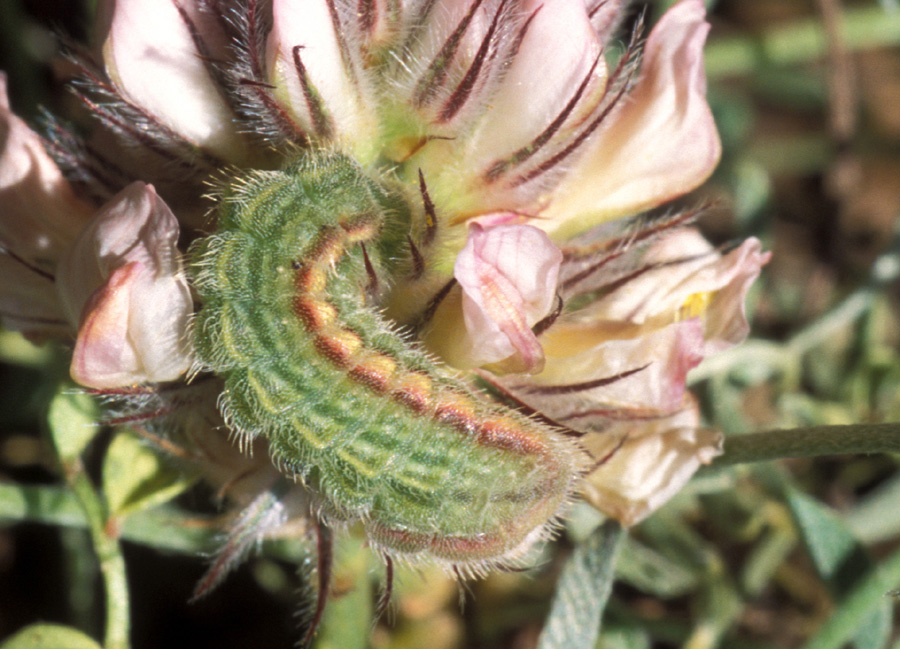
1: mit Crematogaster sordidula an Onobrychis ebenoides: Griechenland, Peloponnes, vic. Egio, 24. Mai 2006 (Freilandfoto: Tristan Lafranchis), det. Tristan LafranchisForum
2: an Onobrychis ebenoides: Griechenland, Peloponnes, vic. Egio, 24. Mai 2006 (Freilandfoto: Tristan Lafranchis), det. Tristan LafranchisForum
3: mit Fraßbild an Onobrychis ebenoides: Griechenland, Peloponnes, vic. Egio, 24. Mai 2006 (Freilandfoto: Tristan Lafranchis), det. Tristan LafranchisForum
4: an Onobrychis ebenoides: Griechenland, Peloponnes, vic. Egio, 23. Mai 2006 (Freilandfoto: Tristan Lafranchis), det. Tristan LafranchisForum
1.6. Puppe
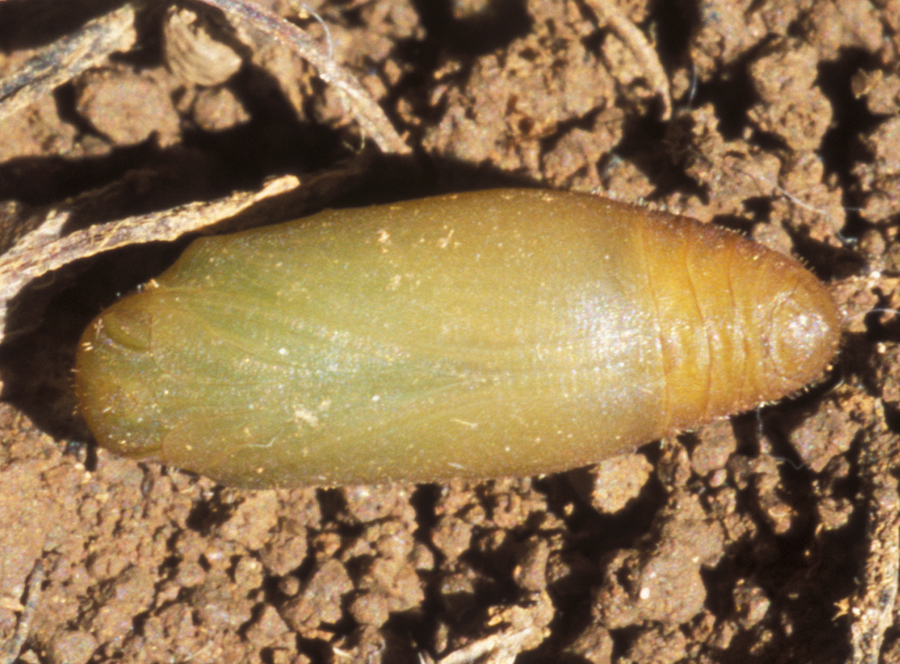
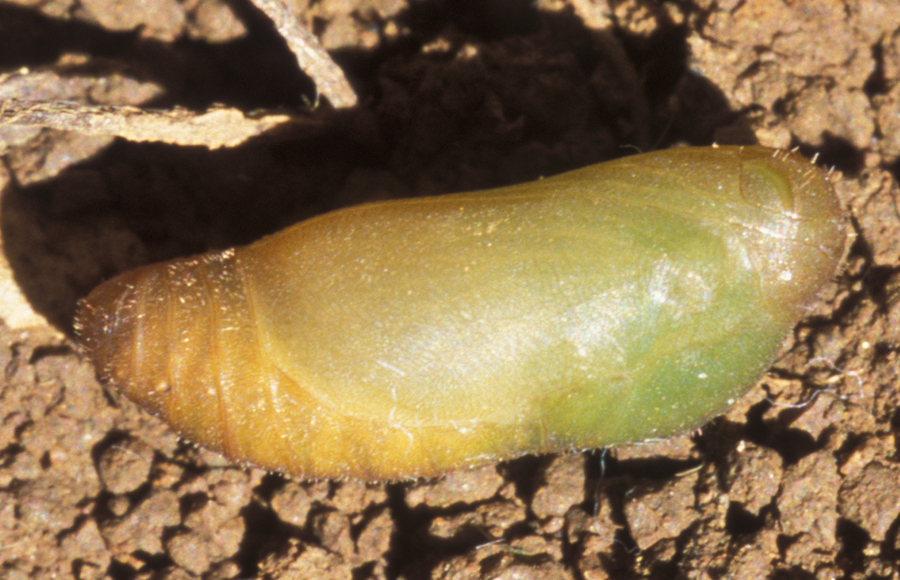
1-2: Griechenland, Macedonia, Driovouno, 13. Juni 2005 (Studiofotos: Tristan Lafranchis), det. Tristan LafranchisForum
2. Diagnose
2.1. Männchen
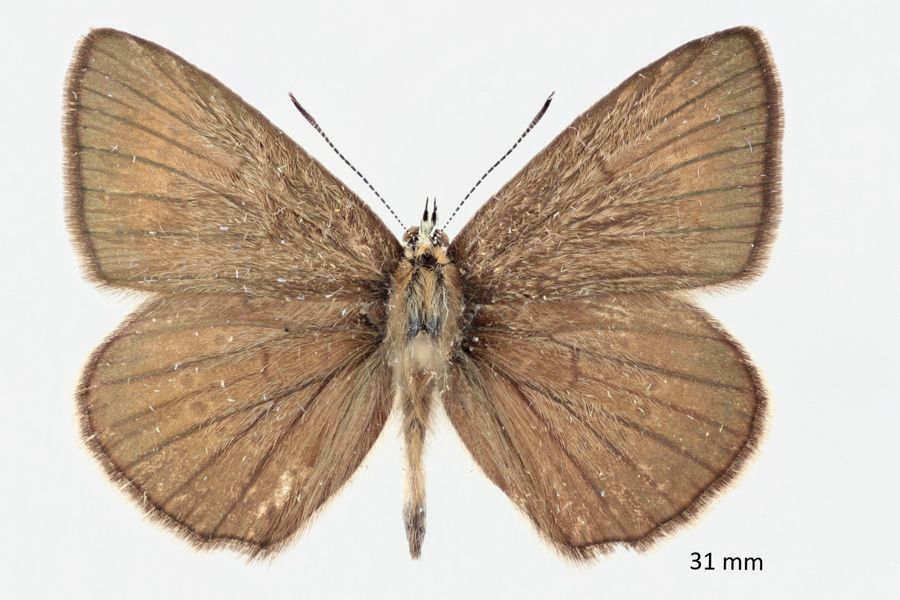
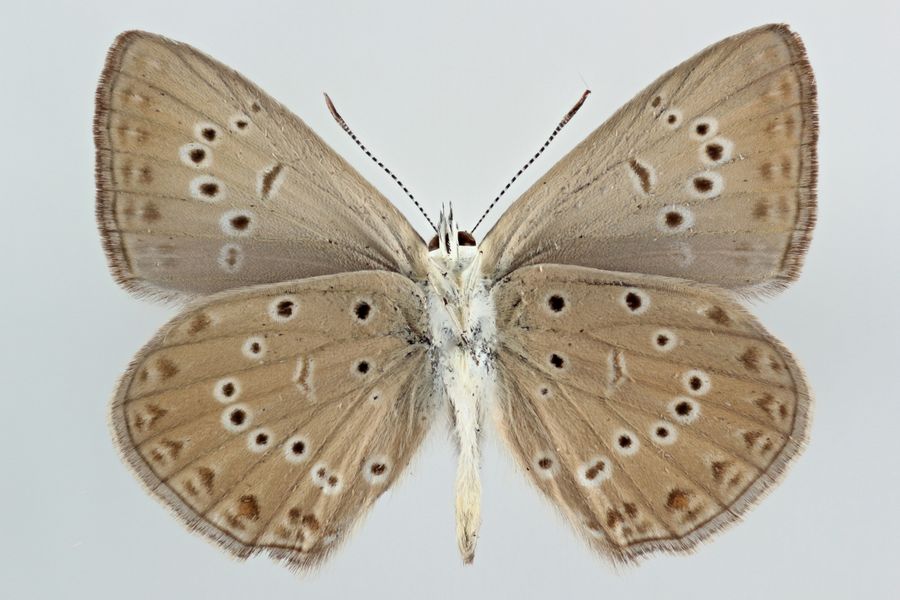
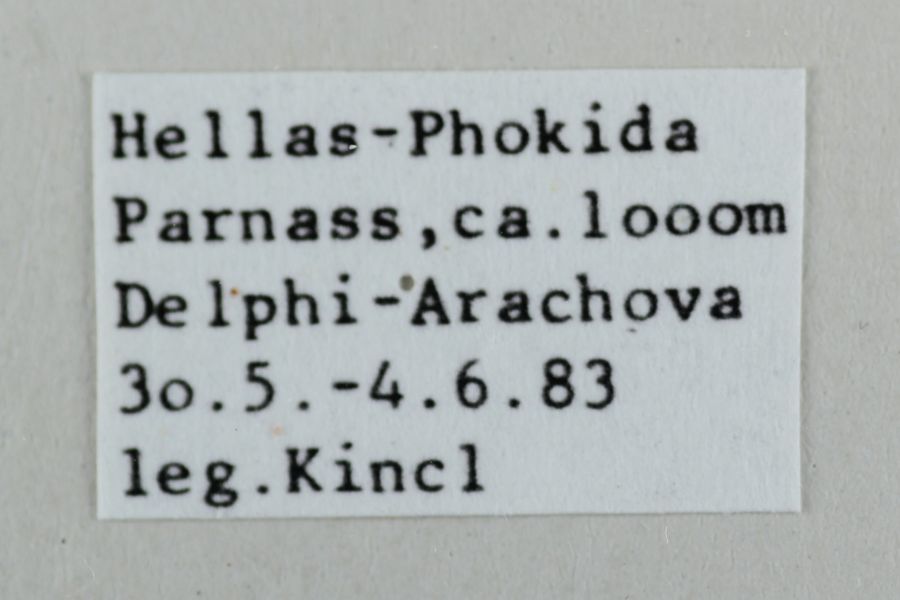
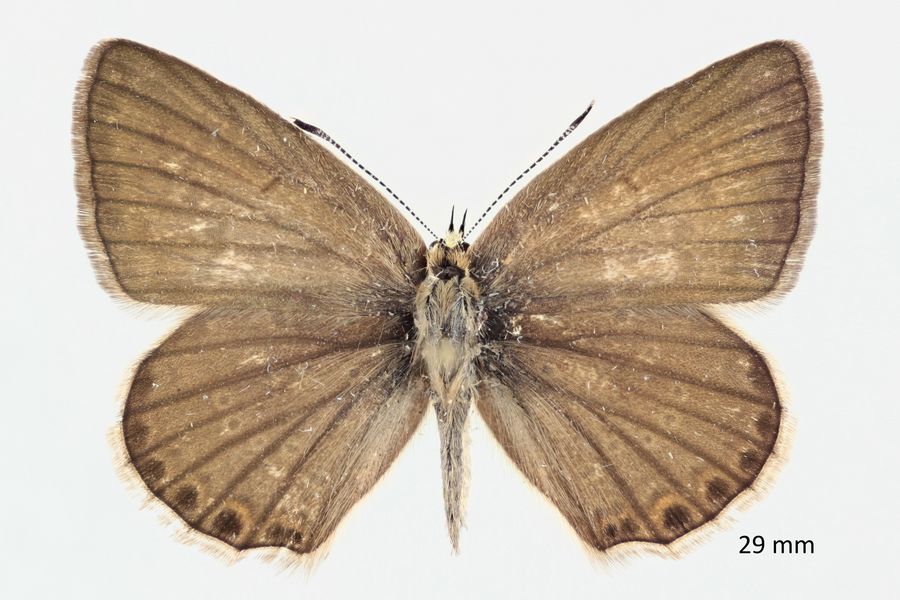
1-3: ♂, Griechenland (Festland und festlandsnahe Inseln), Arachova bei Delphi, 1000 m, 30. Mai - 4. Juni 1983, leg. Kincl, in coll. NHMW (det. & Foto: Stefan Kirchweger)Forum
2.2. Weibchen
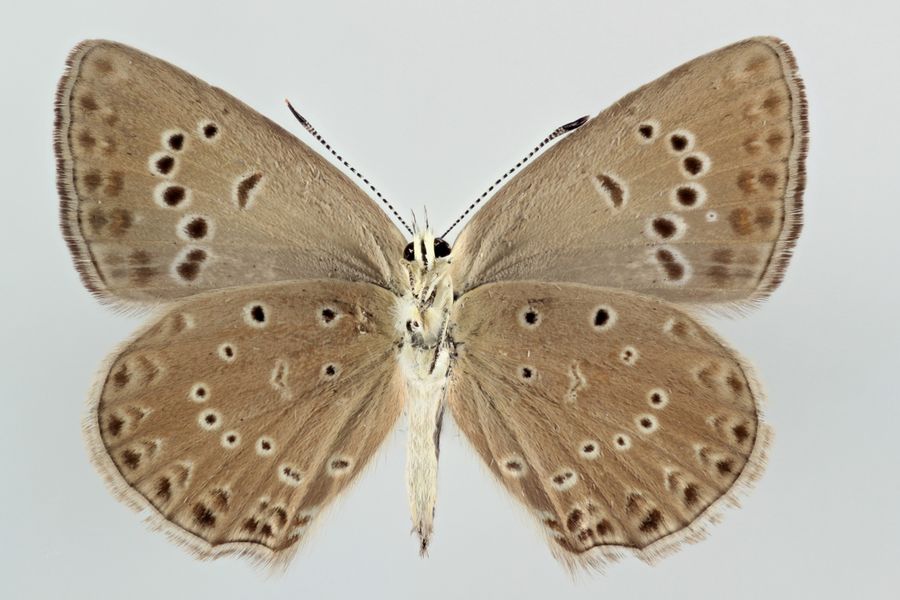
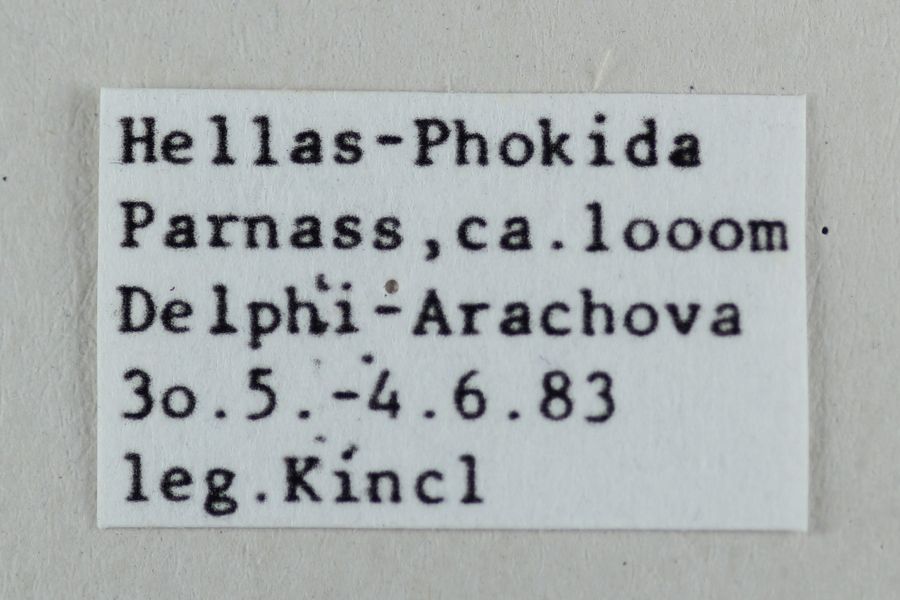
1-3: ♀, Griechenland (Festland und festlandsnahe Inseln), Arachova bei Delphi, 1000 m, 30. Mai - 4. Juni 1983, leg. Kincl, in coll. NHMW (det. & Foto: Stefan Kirchweger)Forum
2.3. Erstbeschreibung
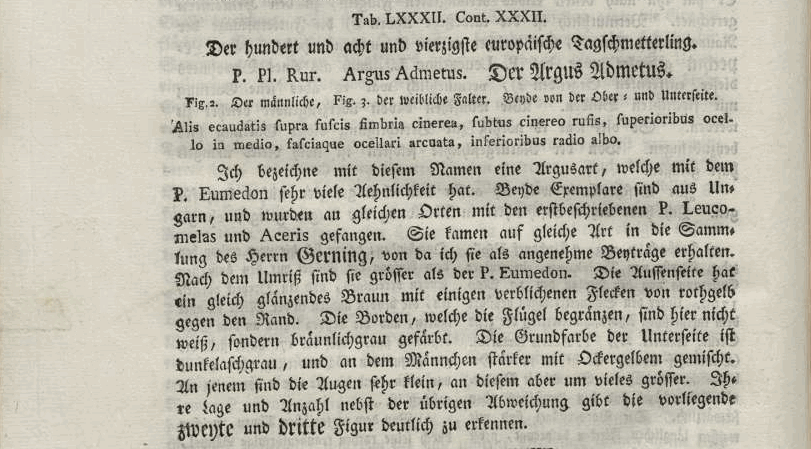

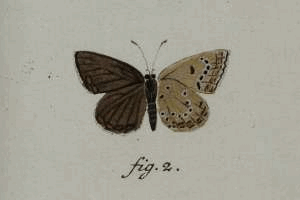
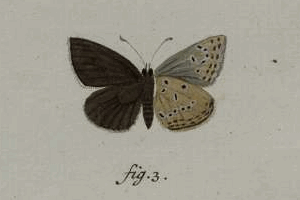
1-4: Esper (1783: 148, pl. LXXXII figs. 2-3) [nach Scans des Göttinger Digitalisierungszentrums [GDZ] mit schriftlicher Genehmigung des GDZ. Besitzerin der Vorlage: Niedersächsische Staats- und Universitätsbibliothek]
3. Biologie
3.1. Habitat


1-2: Türkei, Karaman, Yollarbaşı, 1080 m, 23. Juni 2015 (fot.: Michel Kettner)
3.2. Nahrung der Raupe
- [Fabaceae:] Onobrychis ebenoides
4. Weitere Informationen
4.1. Etymologie (Namenserklärung)
„König von Pherae in Thessalien.“
4.2. Andere Kombinationen
- Papilio admetus Esper, 1783 [Originalkombination]
4.3. Faunistik
Steiner in Gaedike et al. (2017: 271) diskutiert einige alte Literaturmeldungen aus Thüringen (Deutschland), die sicher auf Fehlbestimmung beruhen. Die Art reicht westwärts bis Österreich.
(Autor: Erwin Rennwald)
4.4. Publikationsjahr der Erstbeschreibung
Wir übernehmen hier die detailliert von Heppner (1981) recherchierten Publikationsjahre.
4.5. Literatur
- Dincă, V., Székely, L., Bálint, Z., Skolka, M., Török, S. & P. D. N. Hebert (2017): Improving knowledge of the subgenus Agrodiaetus (Lepidoptera: Lycaenidae: Polyommatus) in Eastern Europe: Overview of the Romanian fauna. — European Journal of Entomology 114: 179-194. [PDF auf eje.cz]
- Eckweiler, W. & G. C. Bozano (2016): Guide to the Butterflies of the Palaearctic Region. Lycaenidae part IV: 1-132. Milano (Omnes Artes).
- Erstbeschreibung: Esper, E. J. C. ([1780-1786]): Der europäischen Schmetterlinge Ersten Theils zweyter Band welcher die Fortsetzungen der Tagschmetterlinge von Tab. LI. Contin. I – Tab. XCIII. Contin. XLIII. und die Bögen [A] – [Bb] enthält: 1-190, pl. LI-XCIII. Erlangen (Wolfgang Walther).
- Forster, W. (1965): Polyommatus admetus agenjoi ssp. nov. — Entomologische Zeitschrift 75 (18): 198-199. Ex libris Jürgen Rodeland.
- Gaedike, R., Nuss, M., Steiner, A. & R. Trusch (2017): Verzeichnis der Schmetterlinge Deutschlands (Lepidoptera). 2. überarbeitete Auflage. — Entomologische Nachrichten und Berichte (Dresden), Beiheft 21: 1-362.
- Heppner, J. B. (1981): The dates of E. J. C. Esper's Die Schmetterlinge in Abbildungen ... 1776–[1830]. — Archives of Natural History 10 (2): 251–254.
- Schurian, K. G. (1999): Eiablagestrategien bei Bläulingen (Lepidoptera: Lycaenidae) 2. Das Eiablageverhalten von Polyommatus (Agrodiaetus) admetus (Esper, [1783]). — Nachrichten des entomologischen Vereins Apollo, Neue Folge 20 (2): 189-194. [PDF auf zobodat.at]