+42Kontinente:EUASNAOC


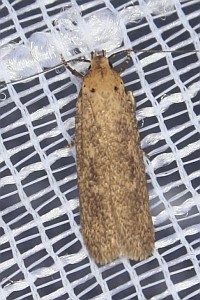
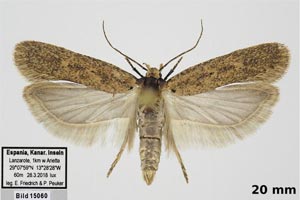
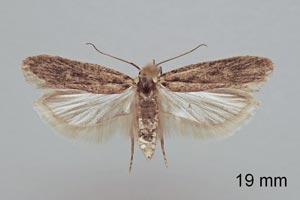
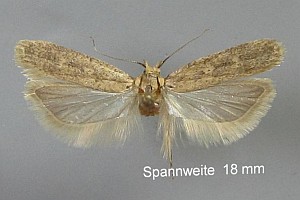
1. Lebendfotos
1.1. Falter
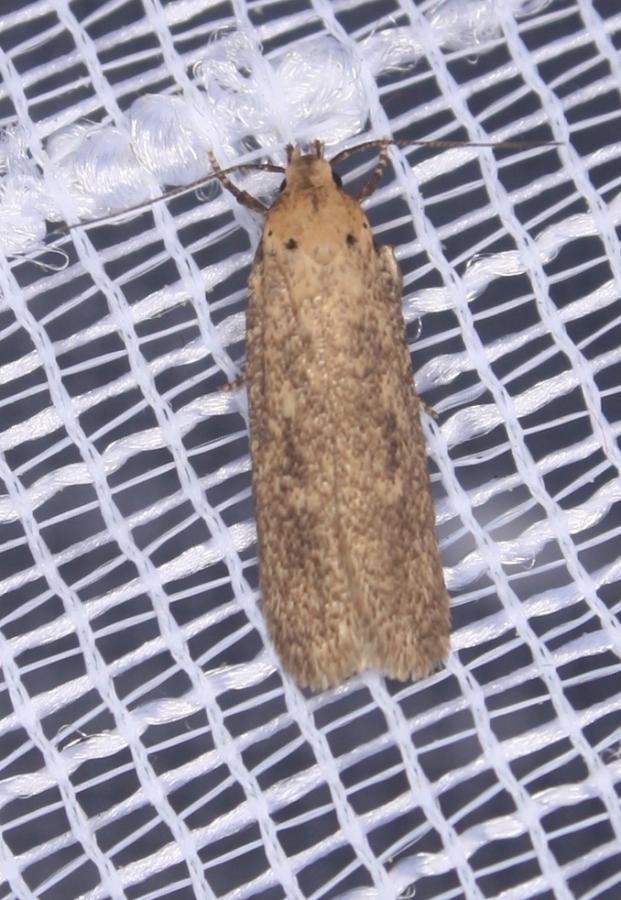

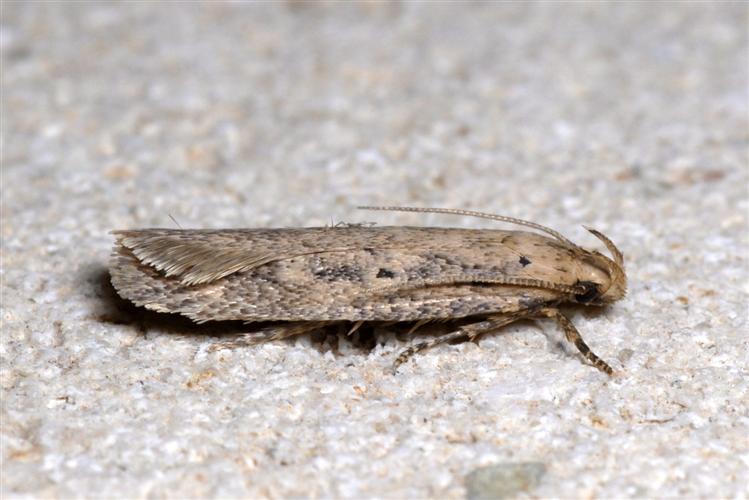
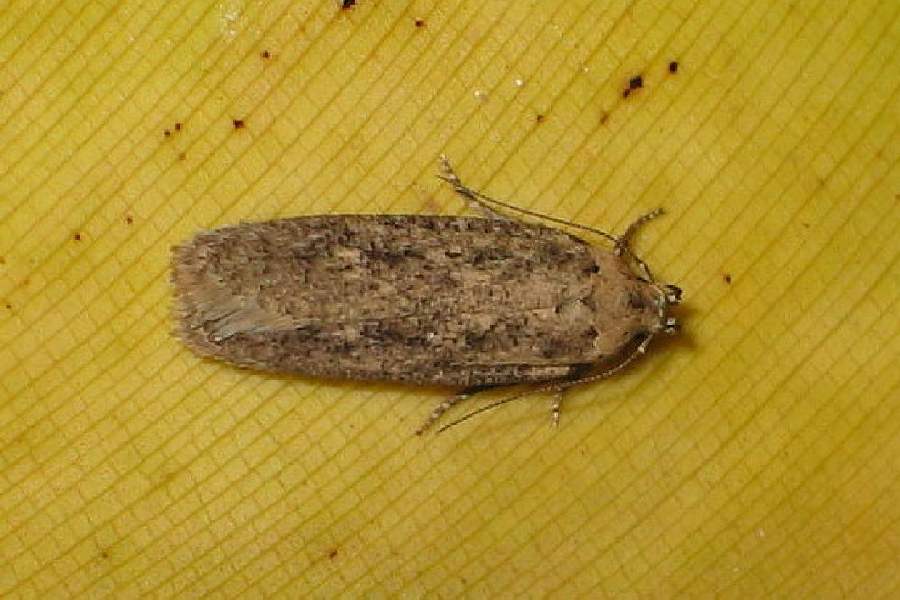
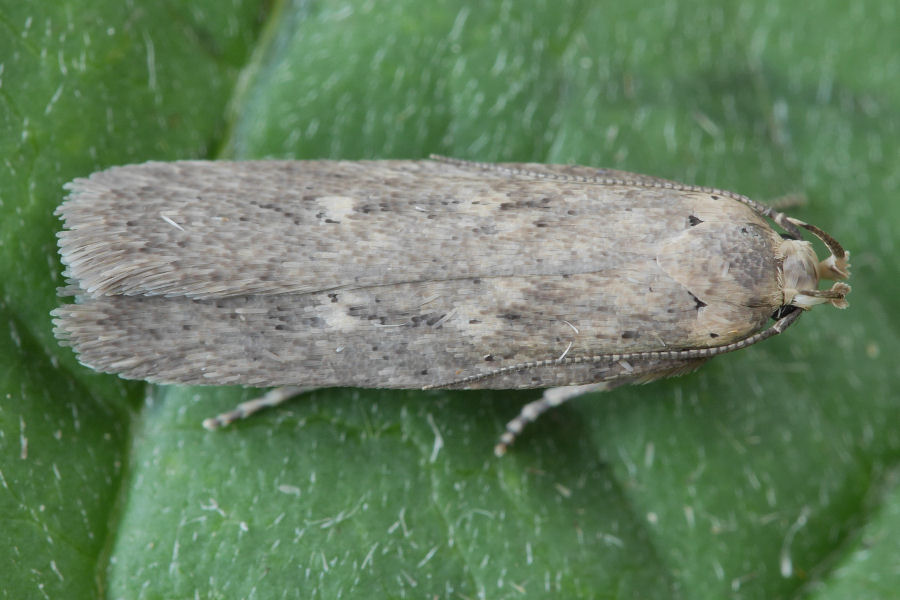

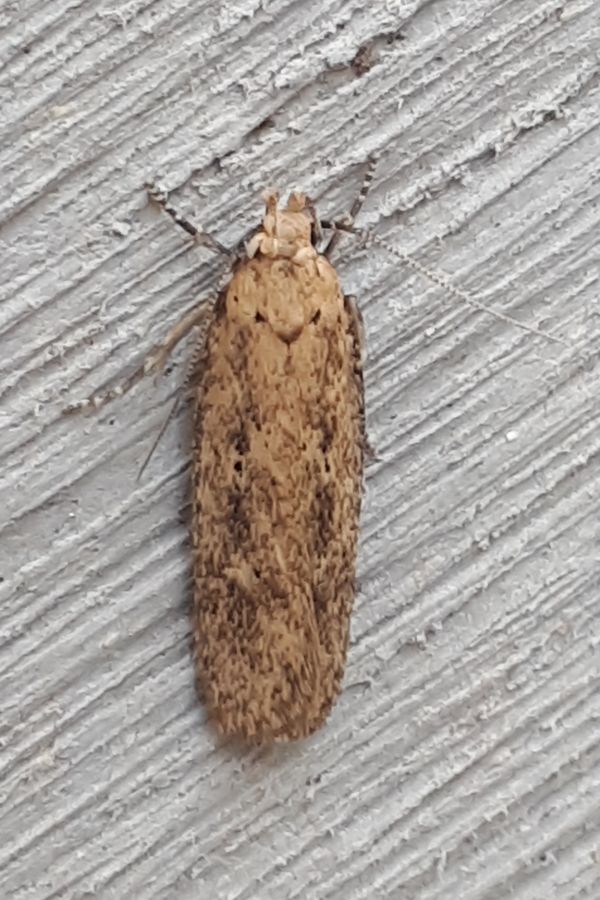
2. Diagnose
2.1. Männchen
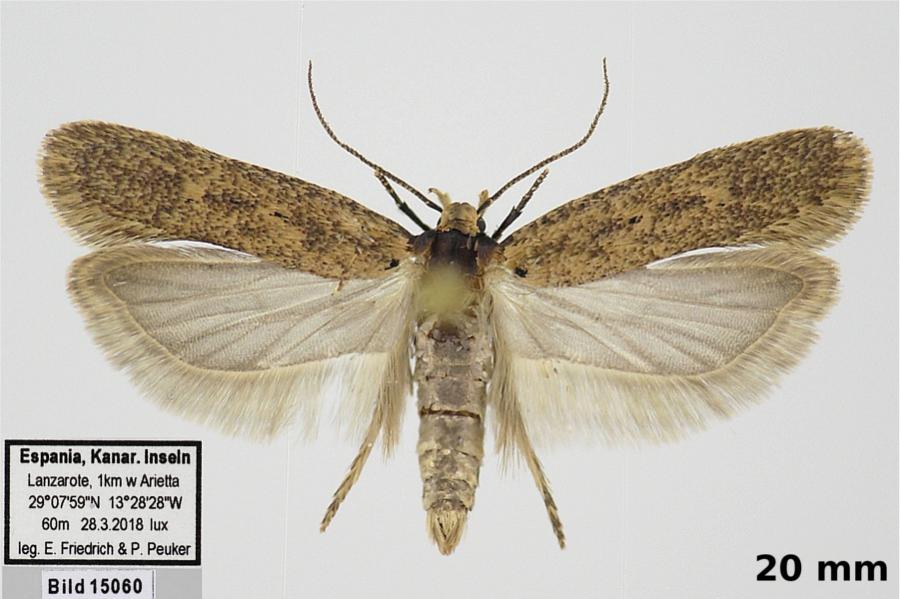
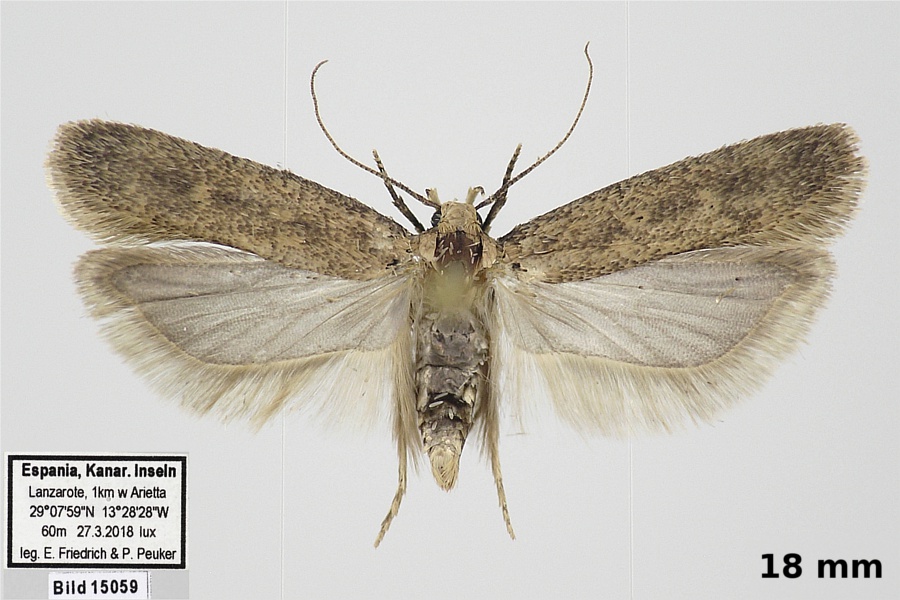
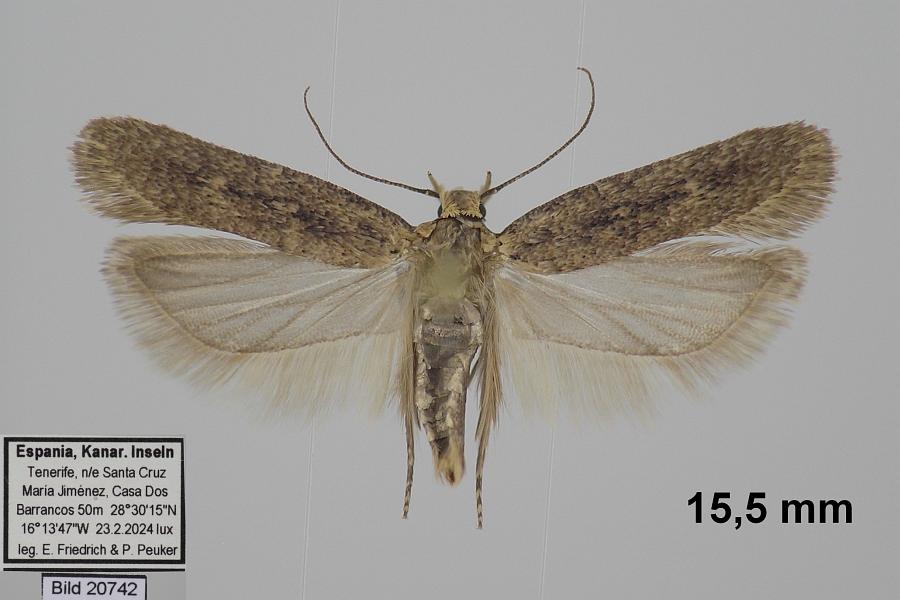
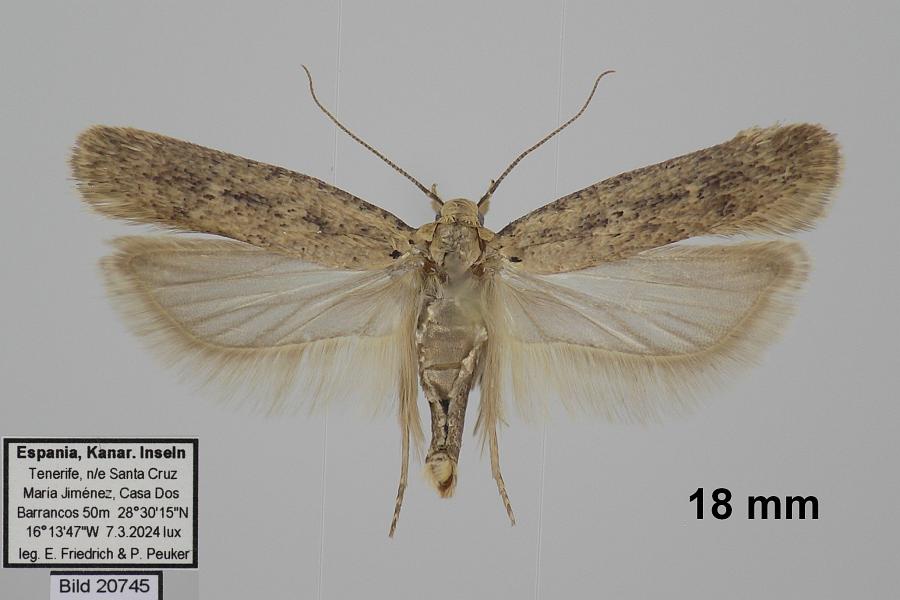
2.2. Weibchen

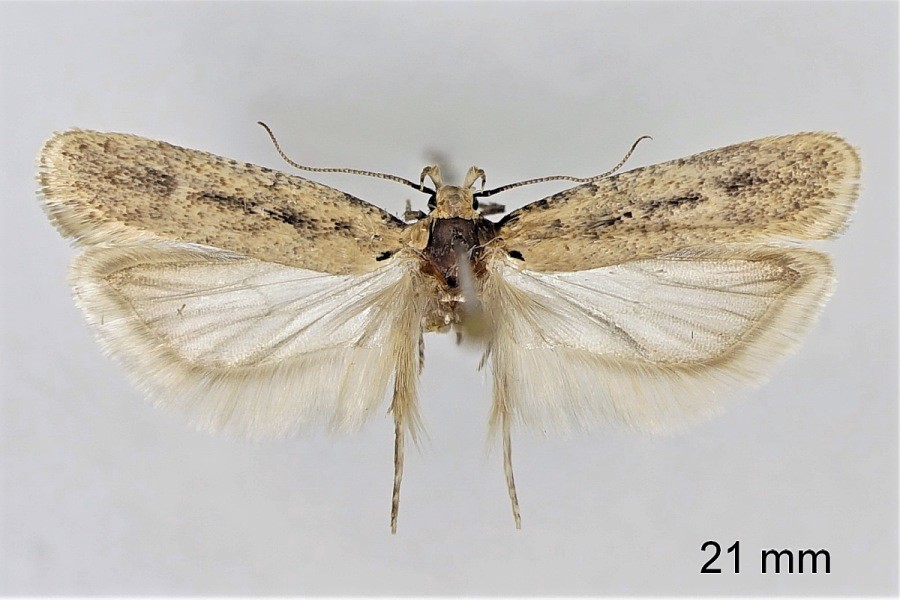
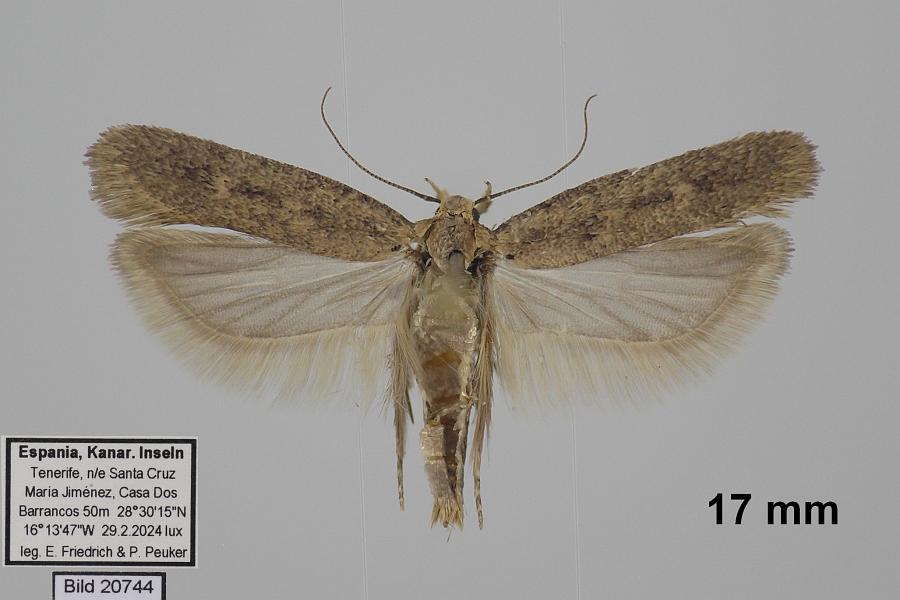
2.3. Geschlecht nicht bestimmt
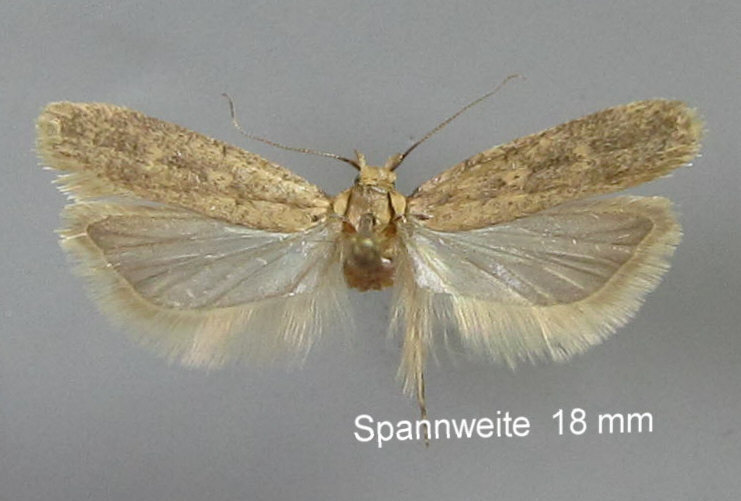
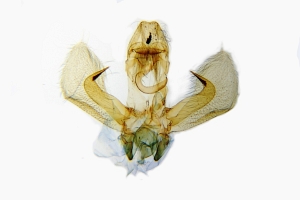
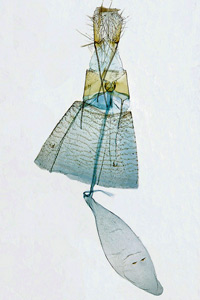
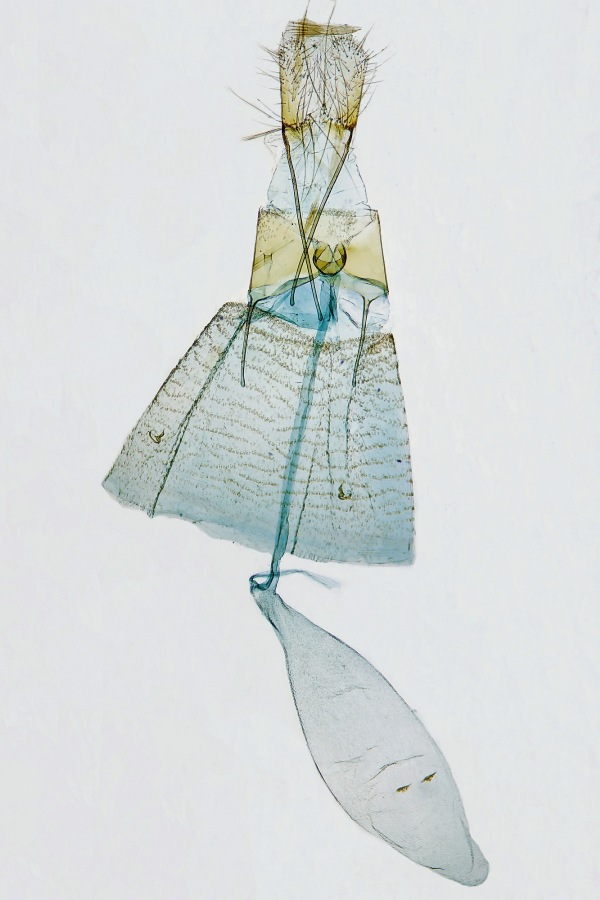
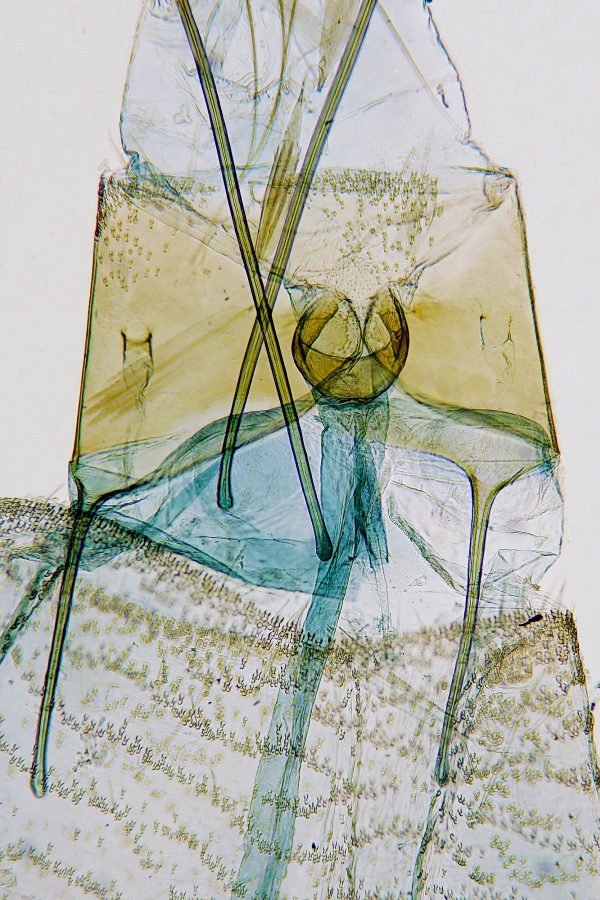
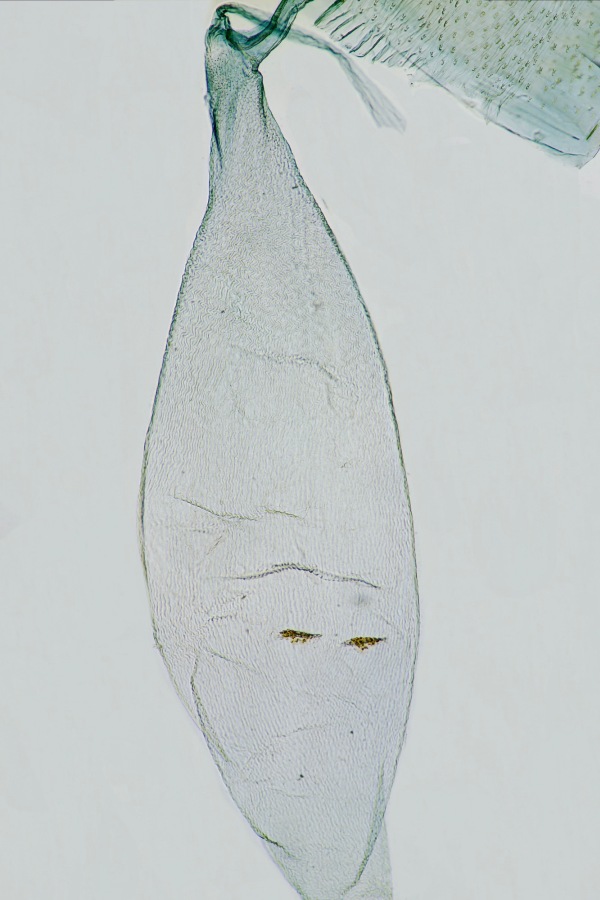
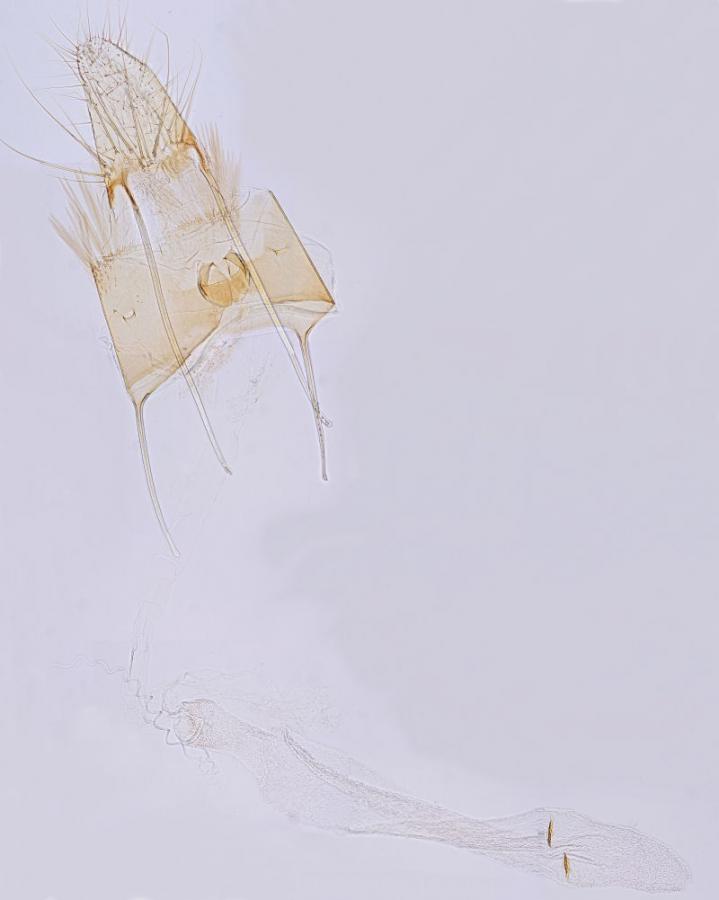
2.4. Genitalien
2.4.1. Männchen
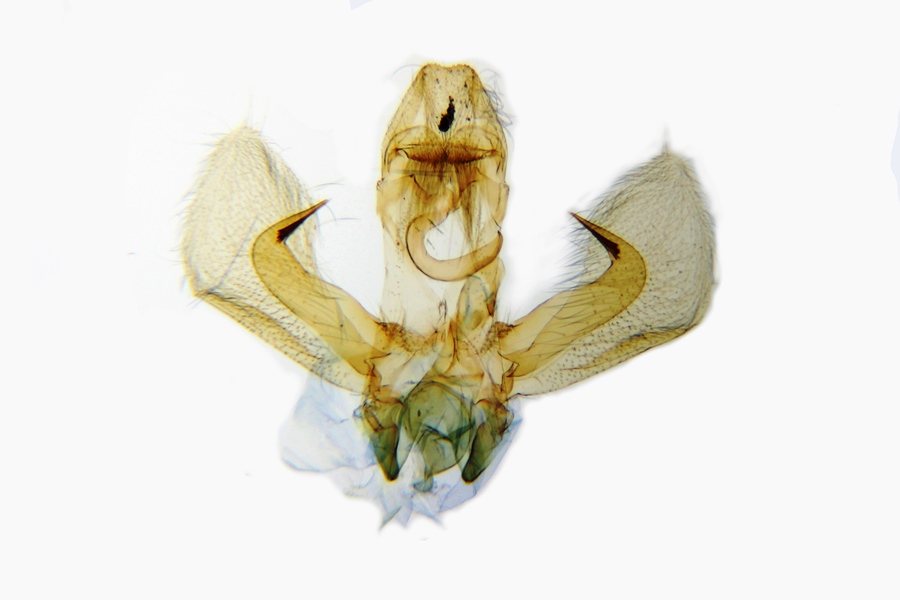
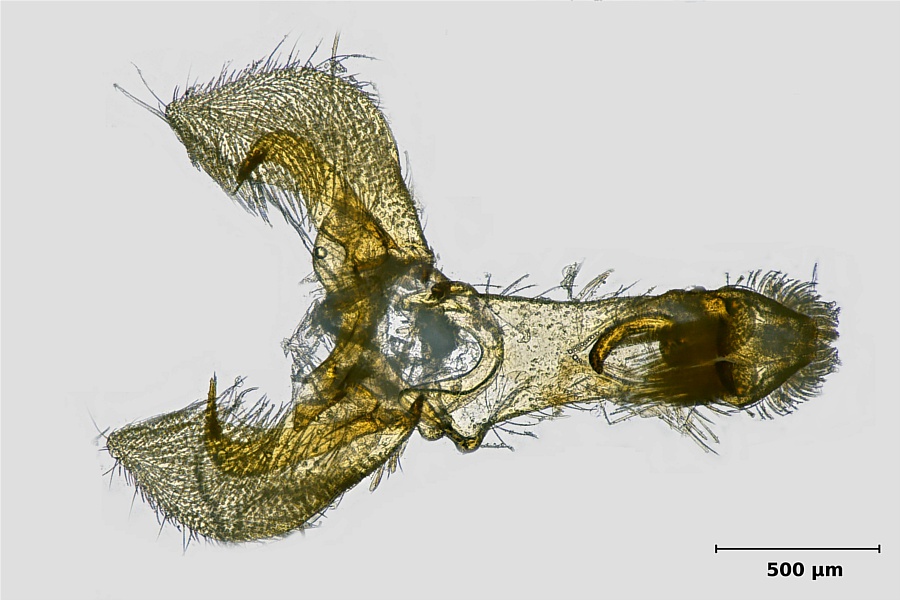
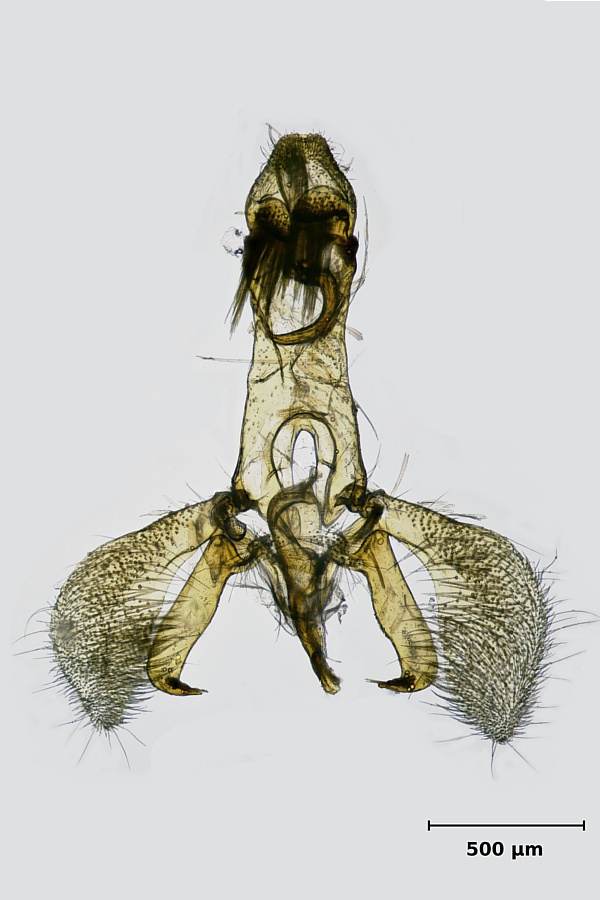
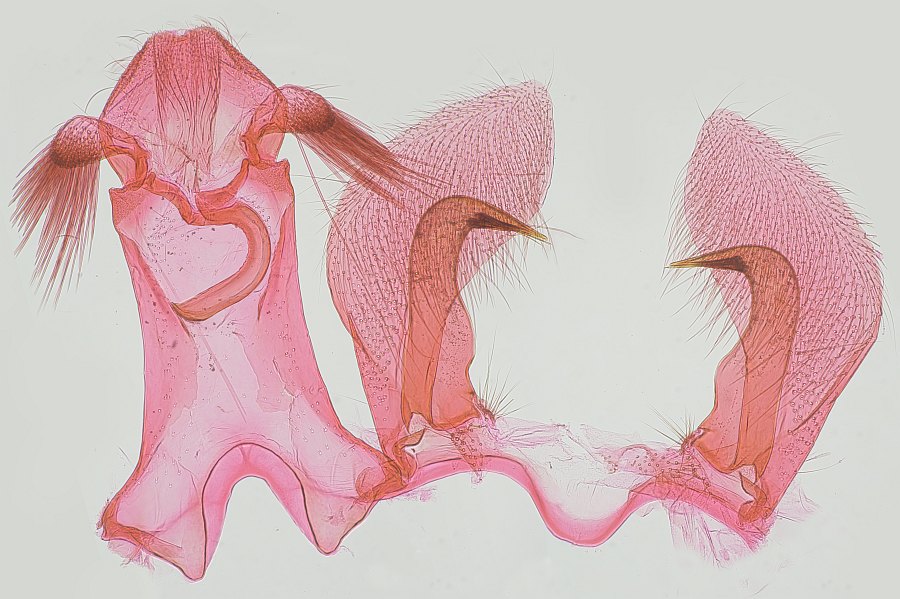
2.4.2. Weibchen
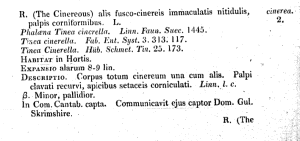
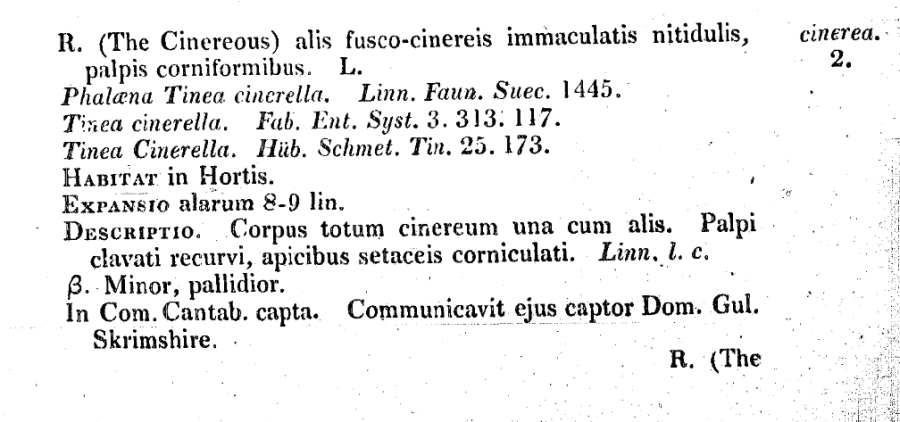
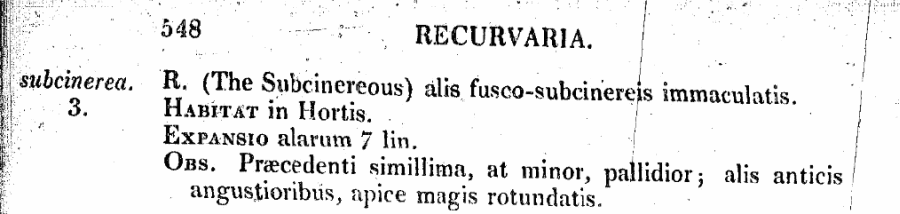
2.5. Erstbeschreibung
3. Biologie
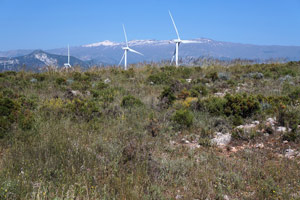
3.1. Habitat

3.2. Nahrung der Raupe
- [Malvaceae:] Malva sylvestris (Wilde Malve)
- [Malvaceae:] Malva parviflora (Kleinblütige Malve)
- [Malvaceae:] Alcea rosea (= Althaea rosea, Gewöhnliche Stockrose, Stockmalve, Garten-Pappelrose, Bauernrose, Garten-Stockrose)
- [Malvaceae:] Alcea nudiflora [= Althaea nudiflora]
- [Malvaceae:] Althaea officinalis (Echter Eibisch)
- [Malvaceae:] Lavatera arborea (Baumförmige Strauchpappel)
- [Malvaceae:] Lavatera trimestris (Bechermalve)
- [Malvaceae:] Lavatera thuringiaca (Thüringer Strauchpappel)
- [Malvaceae:] Lavatera assurgentiflora
- [Malvaceae:] Lavatera sp. (Strauchpappel)
- [Malvaceae:] Gossypium herbaceum (Baumwolle)
- [Malvaceae:] Gossypium sp. (Baumwolle)
Gregersen & Karsholt (2022: 189) tragen das Wissen zur Raupe dieser in den meisten Regionen nur sehr spärlich gefundenen Art im nördlichen Europa zusammen: "Larva: Yellow white to pinkish; pinacula large, brownish; head and prothoracic plate black (Meyrick 1928: 629, Beavan & Heckford photo). Host-plant. Malva sylvestris and occasionally Alcea rosea (Bland 2002: 239). The larva lives in the seeds and flowers; seeds containing larva have the sepals sealed, covering the sead completely (Bradford & Sokoloff 1988: 133). The habitats are coastal slopes and surroundings of farm buildings. [...] Larva: vii-viii/1."
Doch warum stammen alle Angaben zur Raupe in Europa nur aus England, wo die Art doch europaweit (und weit darüber hinaus) verbreitet ist ? Was beschränkt die Art hier scheinbar auf Malva sylvestris - oder ist es doch nur die mangelhafte Durchforschung, dass Angaben zu anderen Malva- bzw. Malvaceae-Arten komplett fehlen ? Da die Raupen anhand des markanten Fraßbildes eigentlich leicht zu finden sein müssten, erhebt sich die Frage, warum sie dann nicht gefunden werden. Weitere Beobachtungen in Europa sind hier sehr erwünscht.
Doch die Art ist mittlerweile fast weltweit zu finden, etwa verschleppt in die USA und nach Kanada. Bei findet sich im Supplementary material: "Robinson et al 2002; Powell & Opler 2009 (Alcea rosea, Gossypium sp. Lavatera sp., Malva parviflora, Malva sylvestris)". Die Art soll demnach nicht nur auch an anderen Malven- und Stockrosen-Arten zu finden sein, sondern auch an Baumwolle. Die gründlichste Zusammenfassung des Einschleppungsprozesses in die USA findet sich bei Powell et al. (2001), und dort werden auch weitere Nahrungspflanzen der Raupe genannt und diskutiert: "Adults began appearing in traps baited with synthetic pink bollworm pheromone in cotton fields in five counties in the San Joaquin Valley, California in 1992, at the San Francisco airport in 1994, and at lights in Berkeley in 1997. In 1999 and 2000 specimens were collected at three localities in the Sacramento Valley. Other recorded larval host plants include several Old World species of Malvaceae: Althaea, Lavatera, and Malva. [...] P. subcinerea (cited as vilella) was first recognized in North America based on specimens reared from hollyhock (Althaea rosea, Malvaceae) at Mineola, Nassau Co., New York in 1951 and 1952 (Anonymous 1953a)." Zur Biologie heißt es weiter: "In larval feeding Platyedra subcinerea is a specialist on Malvaceae. Meyrick (1895) described the life cycle in England: larvae feed in the flowers and seeds of Malva sylvestris in June and July, and the adults emerge in August and overwinter until May. Damage to cultivated cotton (Gossypium herbaceum) and other genera of Malvaceae was attributed to this species in North Africa and the Middle East in the 1920s and 1930s, where populations are multivoltine (Mimeur 1930, Yakhontov 1931, Goloviznin 1937). The common name. Cotton Stem-Moth, evidently was coined after translation from Yakhontov’s account in Russian. The larvae of P. subcinerea fed in flowers and seed capsules of cotton plants in Morroco where they were grown adjacent to wild Lavatera arborea (Mimeur 1931). In western Uzbekistan [Uzbek SSR], first generation larvae mined the growing tips, then the stems of Althaea officinalis (Yakhontov 1931). Second generation larvae fed in cotton in the same manner, causing plants to become dwarfed and to spread horizontally. Goloviznin (1937) also reported first generation larvae confined to wild Malvaceae and later generations on cotton in northern Persia [Iran]. He observed five generations annually, and larvae fed chiefly in the fruit but sometimes in young stems. In addition to cotton and hollyhock, the array of Malvaceae serving as larval host plants was summarized as: Althaea nudiflora, marsh mallow (A. officinale) velvet tree mallow (Lavatera arborea), herb tree mallow (L. trimestris), and high mallow (Malva sylvestris) (Anonymous 1953a, Okumura 1961). All of these are Eurasian and Mediterranean natives. Likely larval hosts in Berkeley include three ornamental plants: Lavatera assurgentiflora, a native to the California Channel Islands, the Old World tree mallow, L. thuringiacea, and hollyhock. Cheeseweed (Malva parviflora) also may serve as a host. The long flight period in California, late March to late July in 1999, suggests two or more generations."
Baumwolle dürfte als Raupennahrung überschätzt worden sein. So melden Rajaei et al. (2023: 175) aus dem Iran zu Pectinophora gossypiella: "The pink bollworm (P. gossypiella) is a serious pest of cotton (Gossypium sp.). During outbreaks it may also feed on a wide range of other plants (e.g., Hibiscus sp., Medicago sp., Abutilon sp., etc.). Between the years 2004–2005, H. Rajaei collected larvae of this species on Hibiscus sp. in most provinces of Iran (unpublished data)." Zu Platyedra subcinerea war aber nichts Entsprechendes zu lesen.
(Autor: Erwin Rennwald)
4. Weitere Informationen
4.1. Andere Kombinationen
- Recurvaria subcinerea Haworth, 1828 [Originalkombination]
4.2. Synonyme
- Gelechia vilella Zeller, 1847
- Platyedra argillosella Herrich-Schäffer, 1855
- Gelechia bathrosticta Meyrick, 1936
4.3. Faunistik
Die Art wurde aus England beschrieben und ist in Europa weit verbreitet. Rajaei et al. (2023: 175) kennen sie aus einer ganzen Reihe von Provinzen aus dem Iran. Die Art wurde spätestens 1949 in die USA verschleppt (Shropshire & Tallamy (2025)), wo sie mittlerweile fest etabliert ist und sich weiter ausbreitet. Mittlerweile gibt es auch zahlreiche Meldungen aus Neuseeland; nach Hoare & Hudson (2018) erfolgte der Erstnachweis dort am 28. September 2010.
(Autor: Erwin Rennwald)
4.4. Literatur
- Gregersen, K. & O. Karsholt (2022): The Gelechiidae of North-West Europe. — 939 pp., Oslo, Norway (Norwegian Entomological Society).
- Hoare, R.J.B. & N. Hudson (2018): Adventive moths (Lepidoptera) established in mainland New Zealand: Additions and new identifications since 2001". — Australian Entomologist, 45 (3): 277. [Digitalisat auf biodiversitylibrary.org]
- Erstbeschreibung: Haworth, A. H. (1828): Lepidoptera britannica. Pars IV: 512-609. Londini (Richardus Taylor).
- Kayser, C. & U. Widowski (2026): EErgänzungen zur Kleinschmetterlingsfauna Niedersachsens (3) (Microlepidoptera). — Melanargia 38 (2): 55-76.
- Powell, J.A., Eichlin, T.D. & F.A.H. Sperling (2001): Platyedra subcinerea a potential cotton and hollyhock pest, documented in California by pink boll worm pheromone and urban blacklight surveys (Lepidoptera, Gelechiidae). — Pan-Pacific Entomologist, 77 (4): 229-234. [Digitalisat auf biodiversitylibrary.org]
- Rajaei, H. & O. Karsholt (eds.) (2023): Catalogue of the Lepidoptera of Iran. — In: Rajaei, H. & O. Karsholt (eds.) (2023): Lepidoptera Iranica. — Integrative Systematics 6 (Special Issue): 121–459. [Zum PDF auf bioone.org]
- Shropshire, K.J. & D.W. Tallamy (2025): Lepidoptera of North America, north of Mexico: an annotated list containing geographic ranges and host-plant records. — ZooKeys, 1261: 101–113. [zum Artikel auf zookeys.pensoft.net (dort auch die supplemantary materials)]