+25Kontinente:EUAS


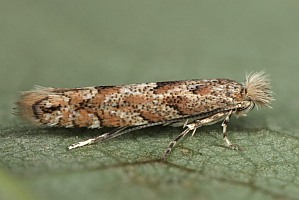
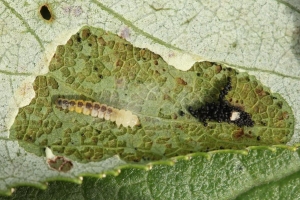
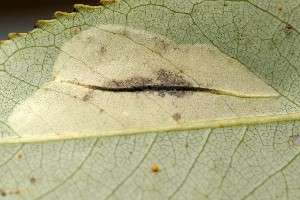
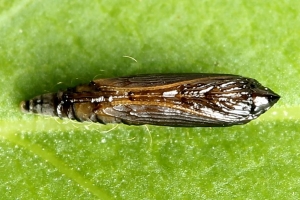
1. Lebendfotos
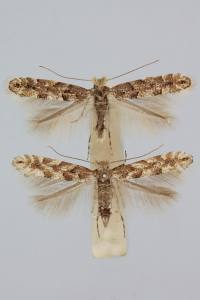
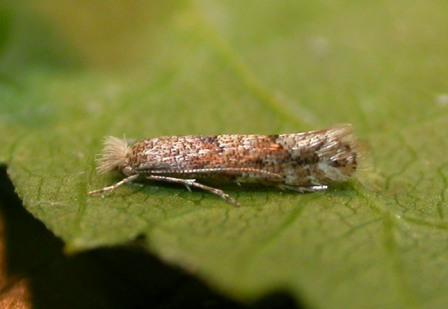
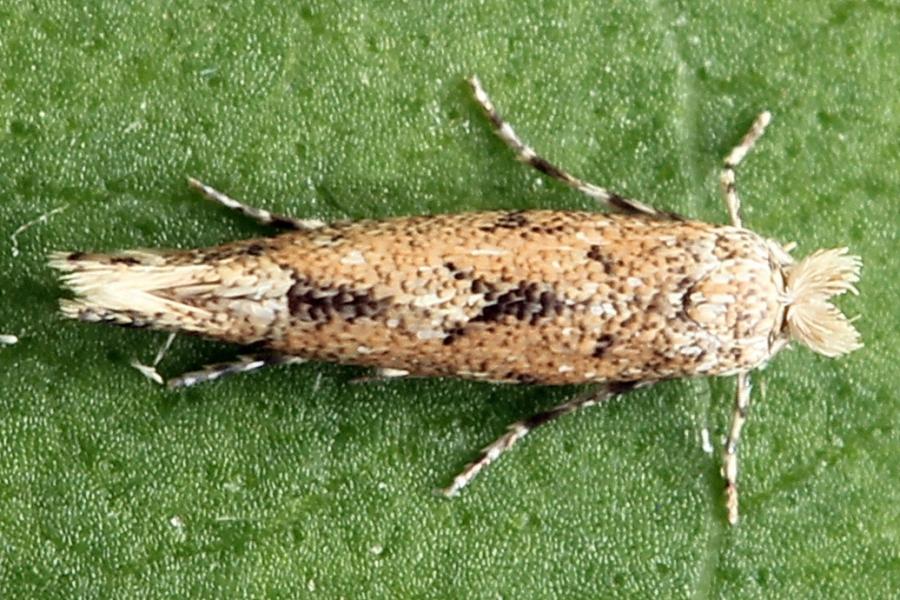
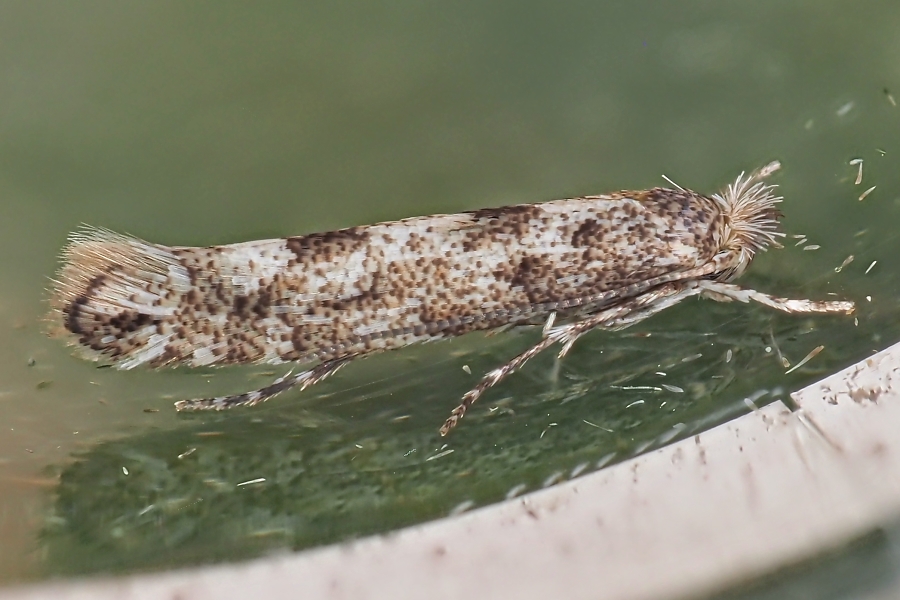
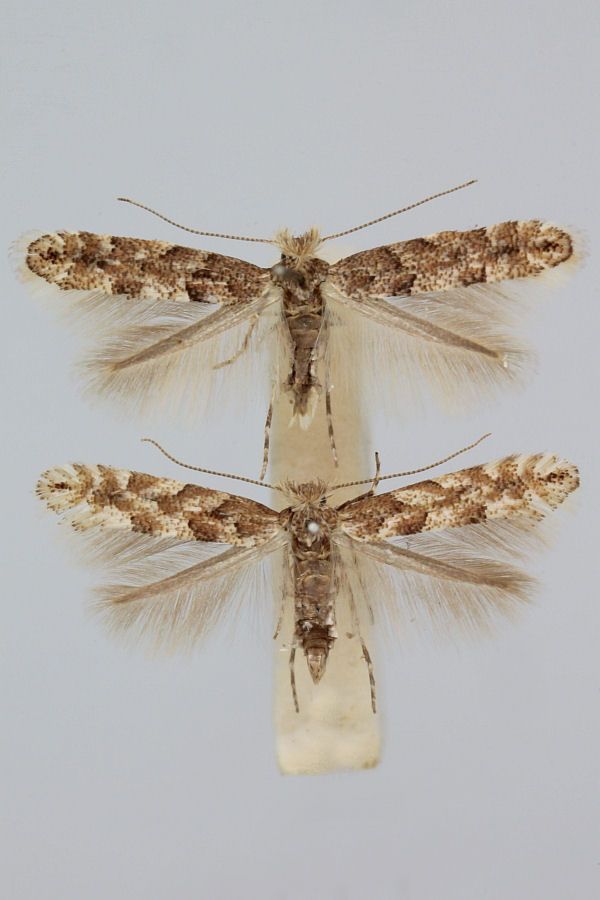
1.1. Falter








1.2. Ausgewachsene Raupe
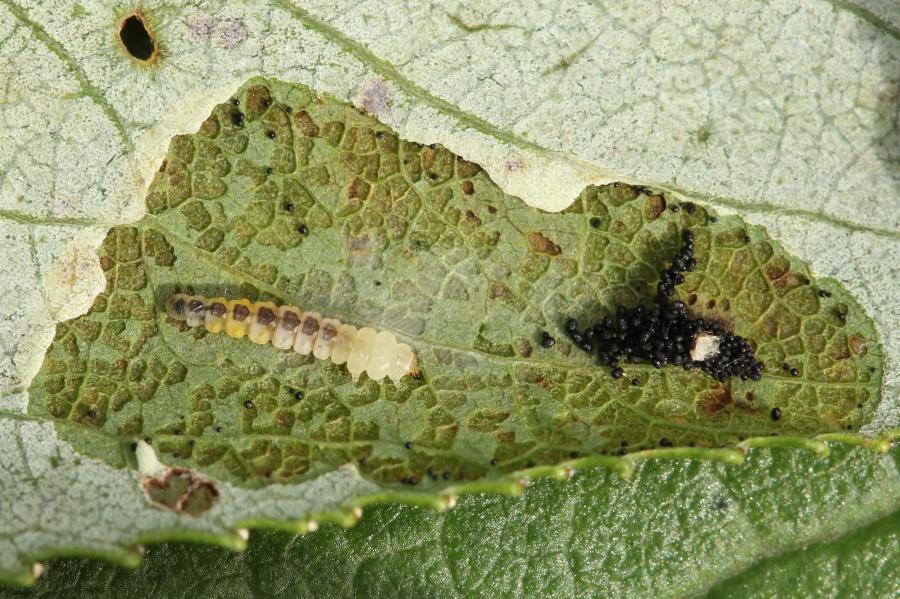


1.3. Fraßspuren und Befallsbild
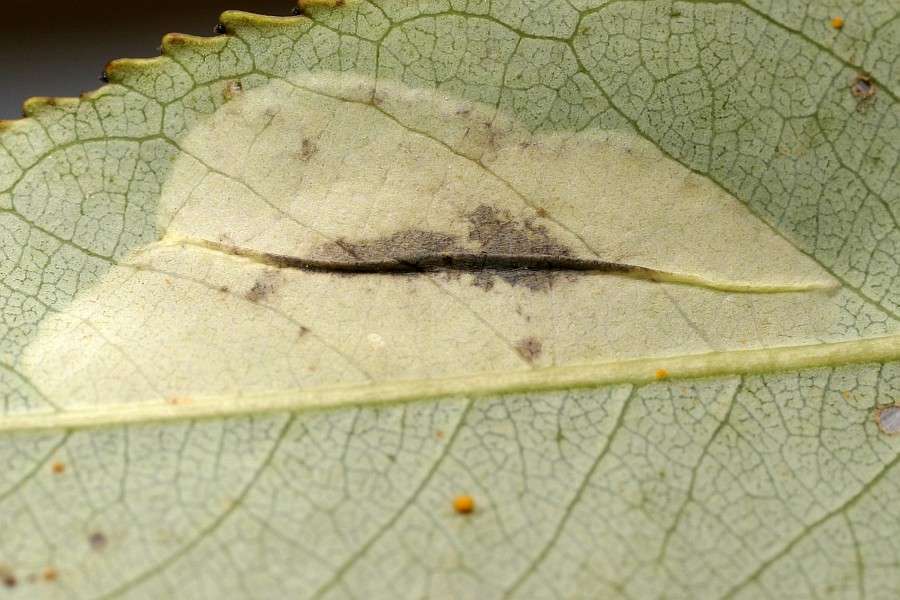

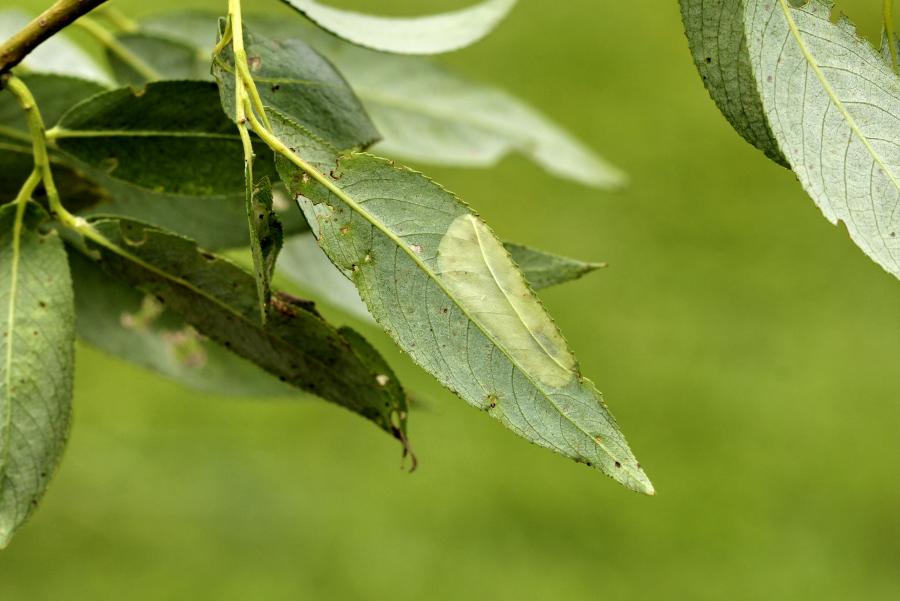

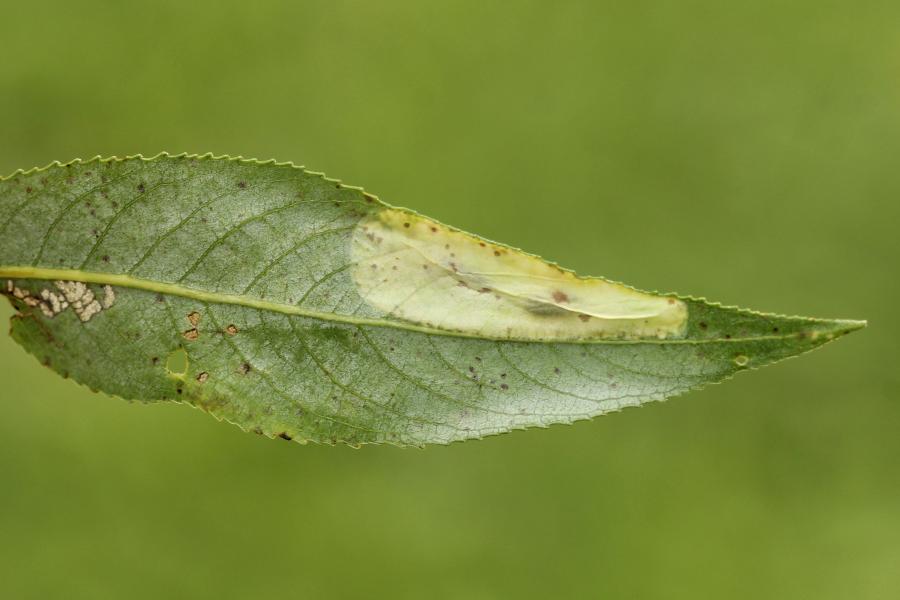


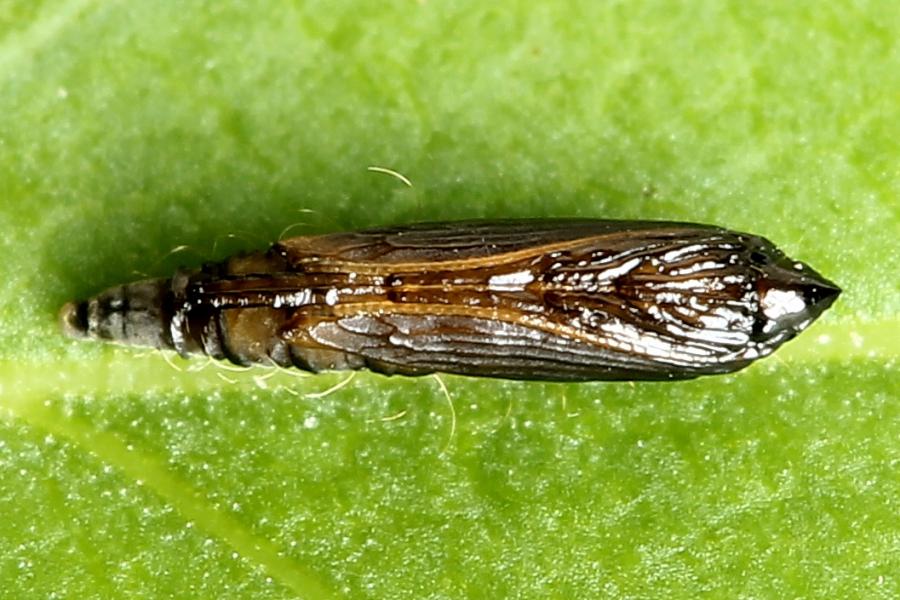
1.4. Puppe


2. Diagnose


2.1. Genitalien
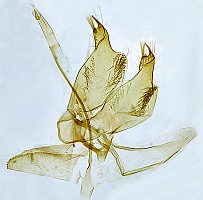
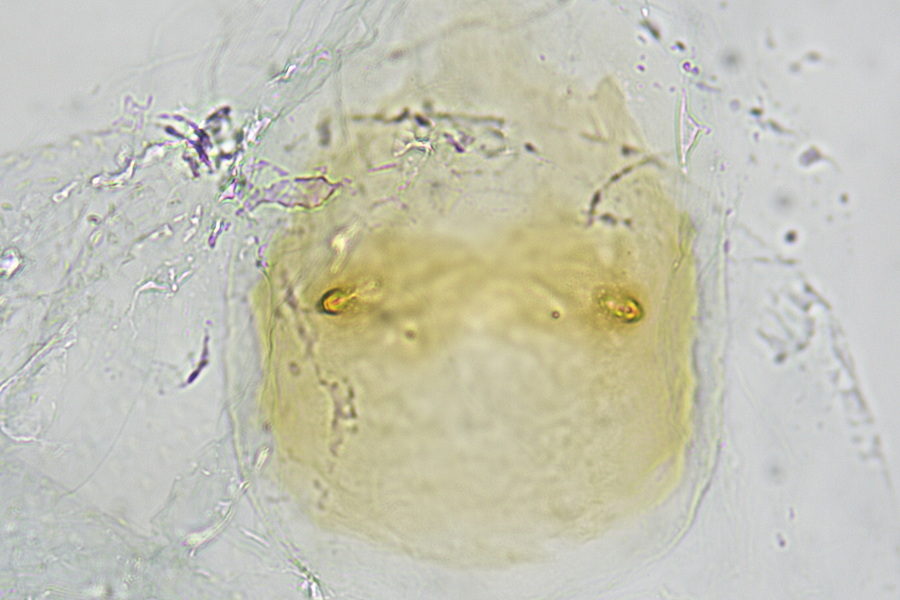
2.1.1. Männchen


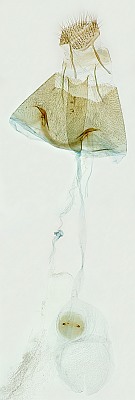
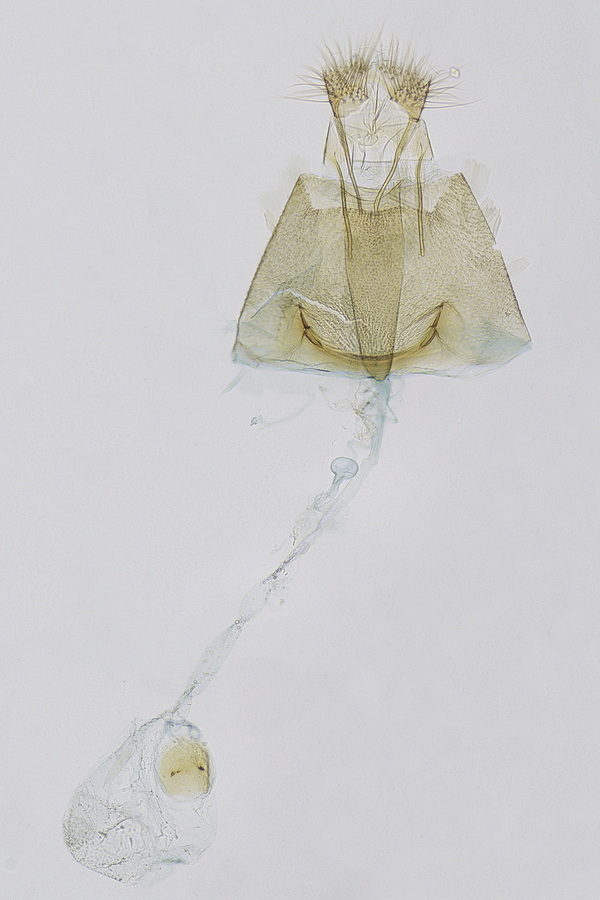
2.1.2. Weibchen



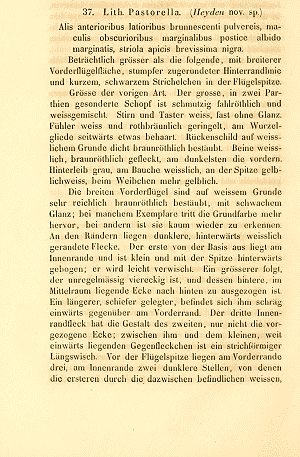
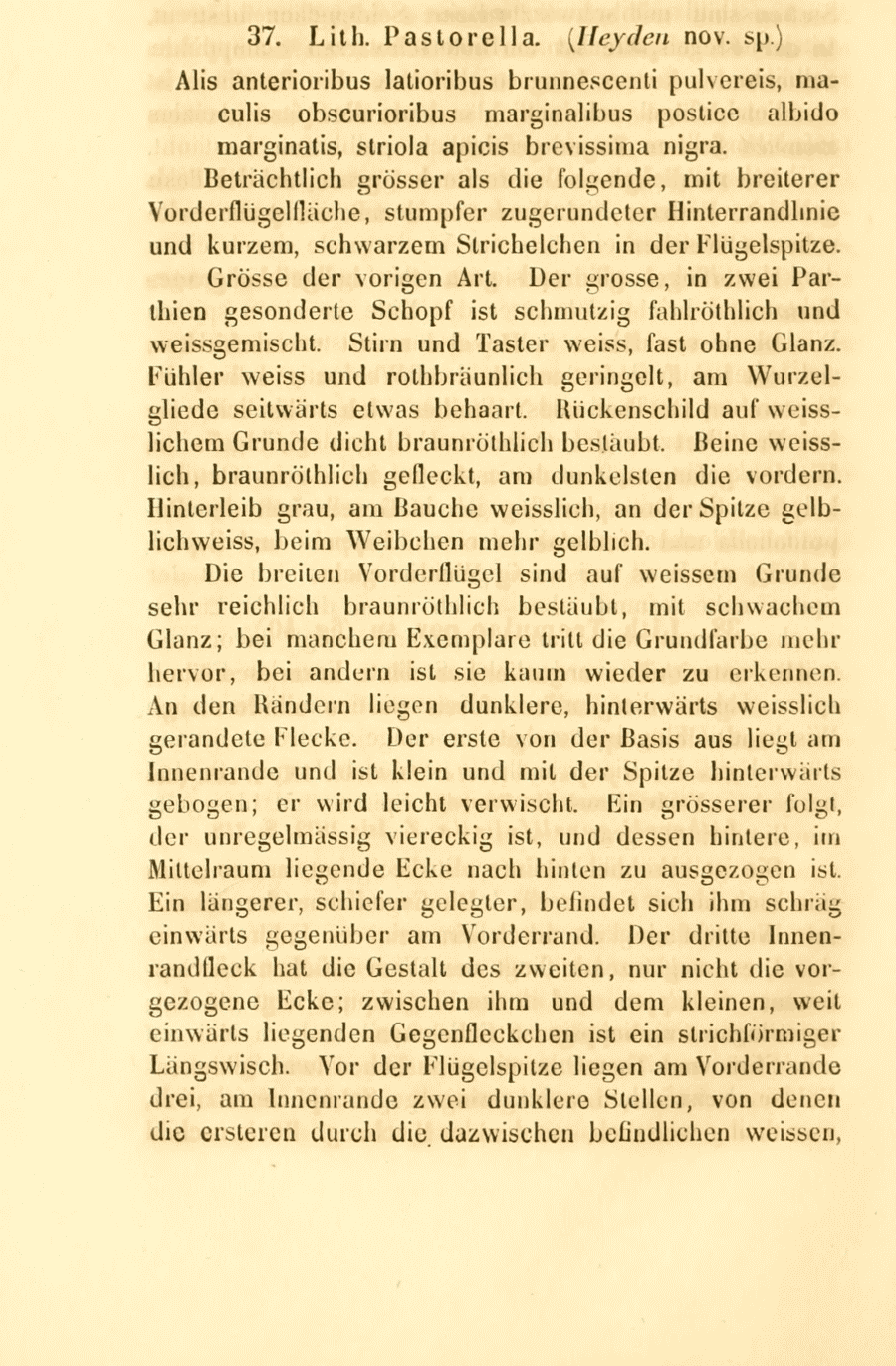
2.2. Erstbeschreibung

3. Biologie
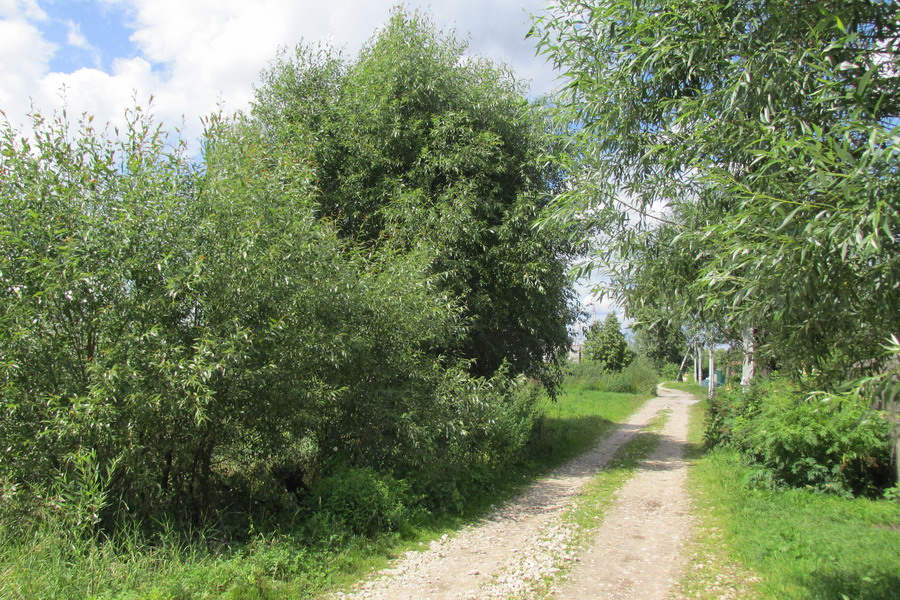
3.1. Habitat
3.2. Nahrung der Raupe
- [Salicaceae:] Salix alba (Silber-Weide)
- [Salicaceae:] Salix fragilis (Bruch-Weide)
- [Salicaceae:] Salix x rubens (Rot-Weide)
- [Salicaceae:] Salix babylonica (Echte Trauer-Weide)
- [Salicaceae:] Salix x sepulcralis [= Salix alba x Salix babylonica] (Bastard-Trauer-Weide)
- [Salicaceae:] Salix x pendulina [= Salix fragilis x Salix babylonica] (Liebliche Trauer-Weide)
- [Salicaceae:] Salix euxina (Reine Bruch-Weide)
- [Salicaceae:] Salix viminalis (Korb-Weide)
- [Salicaceae:] Salix purpurea (Purpur-Weide)
- [Salicaceae:] Salix triandra (Mandel-Weide)
- [Salicaceae:] Salix pentandra (Lorbeer-Weide)
- [Salicaceae:] Salix lanata (Woll-Weide)
- [Salicaceae:] Salix caprea ? (Sal-Weide ?)
- [Salicaceae:] Populus alba (Silber-Pappel)
- [Salicaceae:] Populus nigra (Schwarz-Pappel)
- [Salicaceae:] Populus x canadensis (Kanadische Hybrid-Pappel)
- [Salicaceae:] Populus balsamifera (Balsam-Pappel)
Die Art miniert unterseitig an glattblättrigen Weiden-Arten (Salix spp.) [Bradley, Jacobs & Tremewan (1970)]; nach den oben dokumentierten Beobachtungen von Peter Buchner in Österreich und A. Ponomarev in Russland an Bruch-Weide (Salix fragilis). Nach [bladmineerders.nl] werden in den Niederlanden die Silber-Weide und die Trauer-Weide ganz klar bevorzugt. Dort und auf gracillariidae.net werden noch weitere, fast stets schmalblättrige Weiden-Arten genannt, dazu auch Pappeln.
Freed (2015) melden die Art erstmals aus Großbritannien und erklären dazu: "Phyllonorycter pastorella is found in damp habitats frequently beside lakes where its hostplants, poplars (Populus spp.) and willows (Salix spp.) grow, trees being preferred to smaller shrubs (Hering: 1957: 922; Bengtsson & Johansson, 2011: 210-211). In London, mines were predominantly found on Weeping Willow Salix x sepulcralis chrysocoma, and Weeping Crack-willow S. X pendulina and to a lesser extent on Crack Willow S. euxina (S. fragilis auct. non L.) and Hybrid Crack-willow S. X fragilis. [N.B. Burton (1983: 106) considered that in London most weeping willows are Salix x sepulcralis and S. X blanda (now S. X pendulina), the respective hybrids of S. babylonica with S. alba, and S. babylonica with S. fragilis (now S. euxina)]. In Europe predominantly on narrow-leaved willows especially Weeping Willow; Crack Willow; White Willow, S. alba, and Bay Willow, S. pentandra (Bengtsson & Johansson, 2011; Ellis, 2014a). The use of poplar and aspen is apparently less frequent."
Freed (2015: 6) liefert eine Beschreibung der Mine: "From observations made of 37 mines collected in October and November in London it appears that the female usually lays one ovum (occasionally two) on the underside of a leaf. One leaf had two mines present (one either side of the midrib); all other mines occurred singly. The large, lower-surface tentiform mine has one distinctive, often curving, longitudinal crease. On very narrow leaves, e.g. weeping willows, entire space between midrib and leaf-edge is occupied and mine can be significantly elongated (20-28 mm) (Plates 4, 5). On broader leaves, e.g. Crack Willow and its hybrids, the mine is oval or square and subsequently shorter (12-18 mm long) (Plate 6). In viable mines almost all palisade parenchyma is eaten (Plate 4). The lower epidermis is creamy-green when fresh becoming pinkish-brown with age. Parasitised and developing mines may be smaller and their upper surface mottled green. [...] In elongated mines the clump of frass is usually cigar-shaped, but in shorter mines it may be egg-shaped. The mine is identical in appearance to that of P. connexella (Zeller, 1846) (not yet recorded in Britain), which is also found on narrow-leaved willows [...] However this species overwinters as pupa and creates a more substantial cocoon withfrass being laid down along the sides giving an impression of two dark lines when held against the light".
(Autor: Erwin Rennwald)
4. Weitere Informationen
4.1. Andere Kombinationen
- Lithocolletis pastorella Zeller, 1846 [Originalkombination]
4.2. Synonyme
- Lithocolletis fainae Gerasimov, 1931
4.3. Faunistik
Freed (2015) melden die Art erstmals aus Großbritannien. Er fand die Minen an vielen Stellen in London und geht davon aus, dass die Art schon ein oder zwei Jahre früher hier angekommen ist. Der wahrscheinlichste Weg ist der dabei über Weiden-Stecklinge.
(Autor: Erwin Rennwald)
4.4. Literatur
- Freed, T.H. (2015): Phyllonorycter pastorella (Zeller, 1846) (Lep.: Gracillariidae) in London: A species new to Britain. - The Entomologist's record and journal of variation, 127 (1): 1-10. [Digitalisat auf biodiversitylibrary.org]
- SCHÜTZE (1931): 56
- Erstbeschreibung: Zeller, P. C. (1846): Die Arten der Blattminirergattung Lithocolletis. — Linnaea Entomologica 1: 166-261 + tab. 1.