+25Kontinente:EUAS


1. Lebendfotos
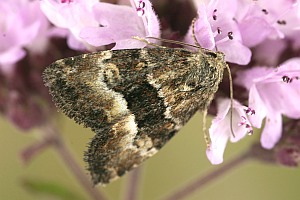
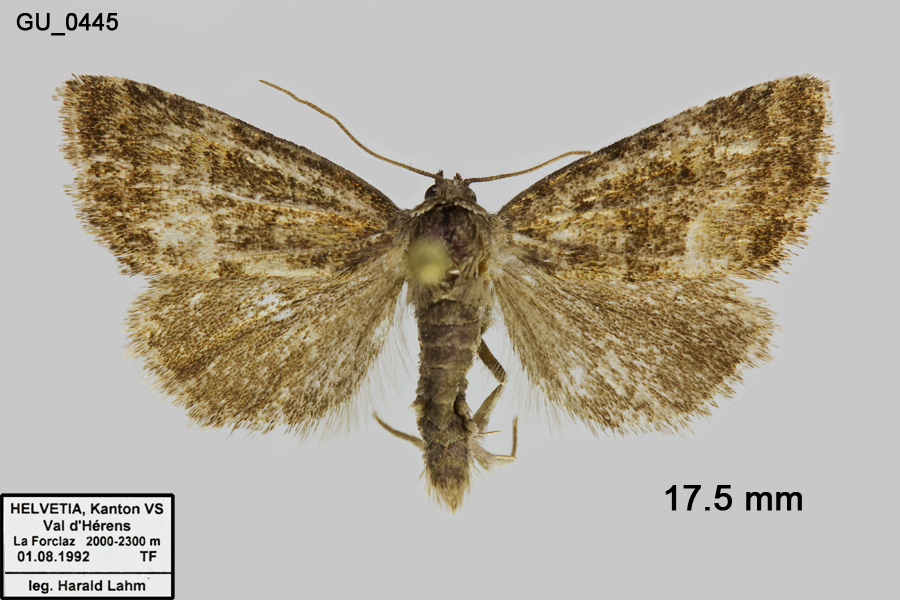
1.1. Falter
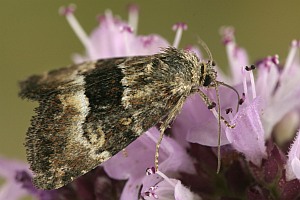
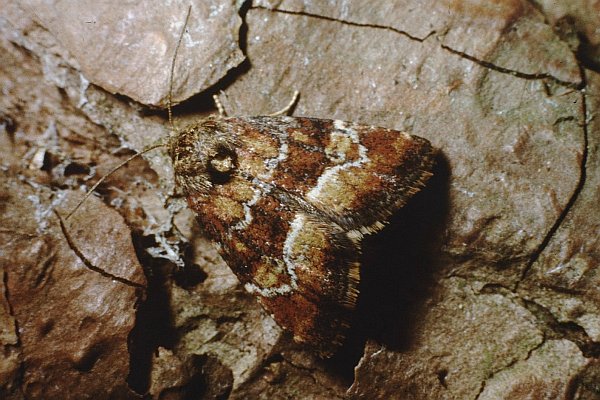

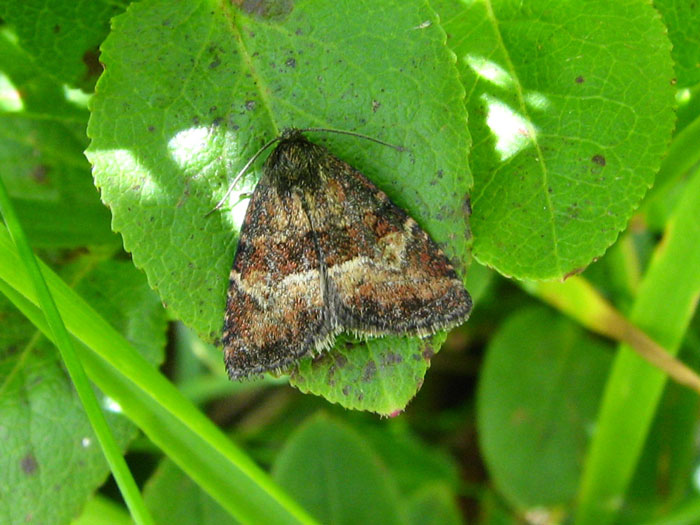
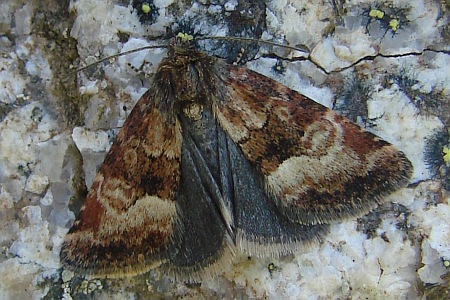
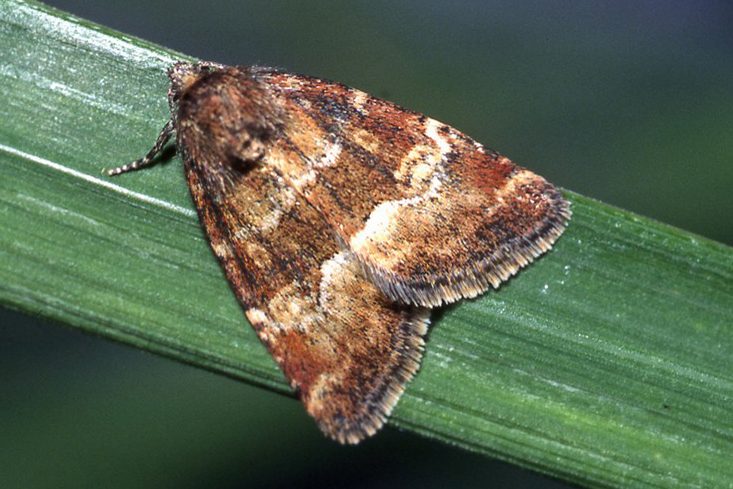
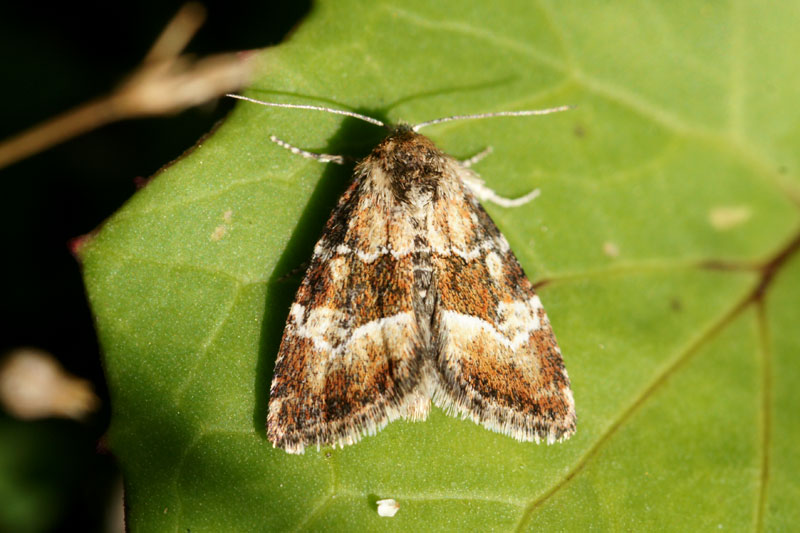
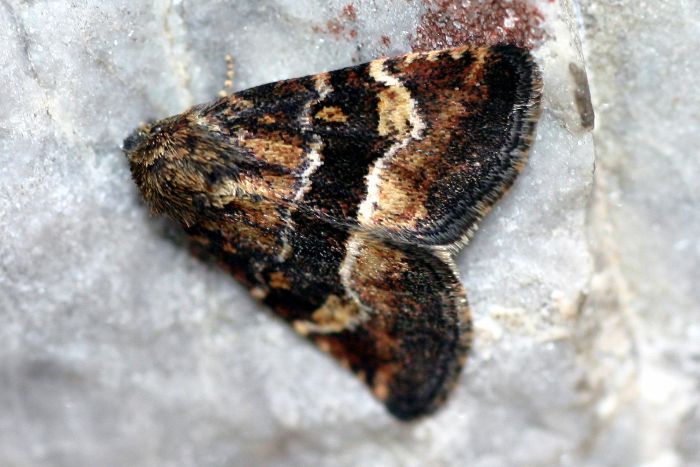
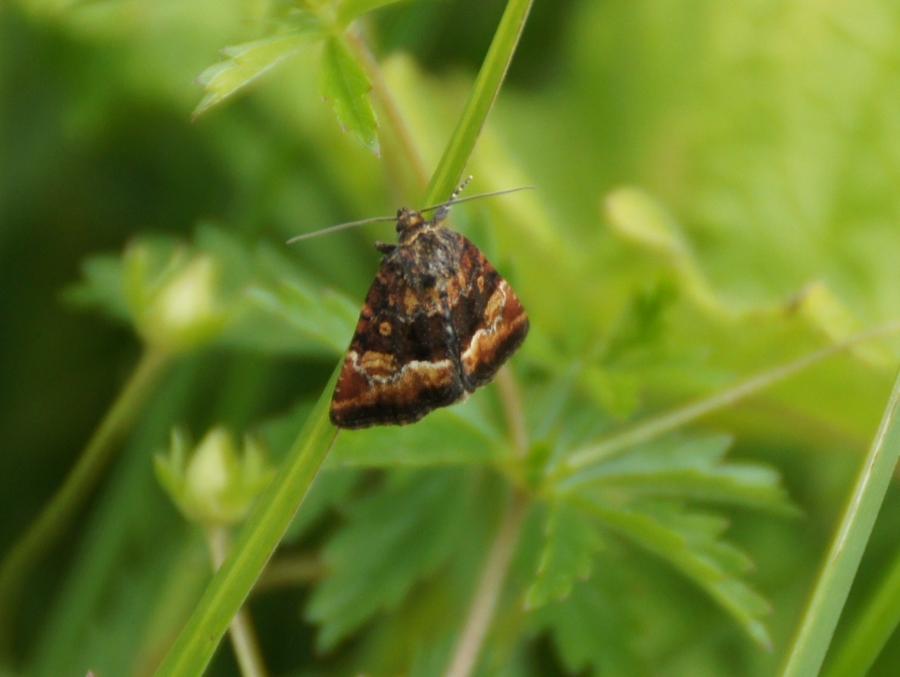
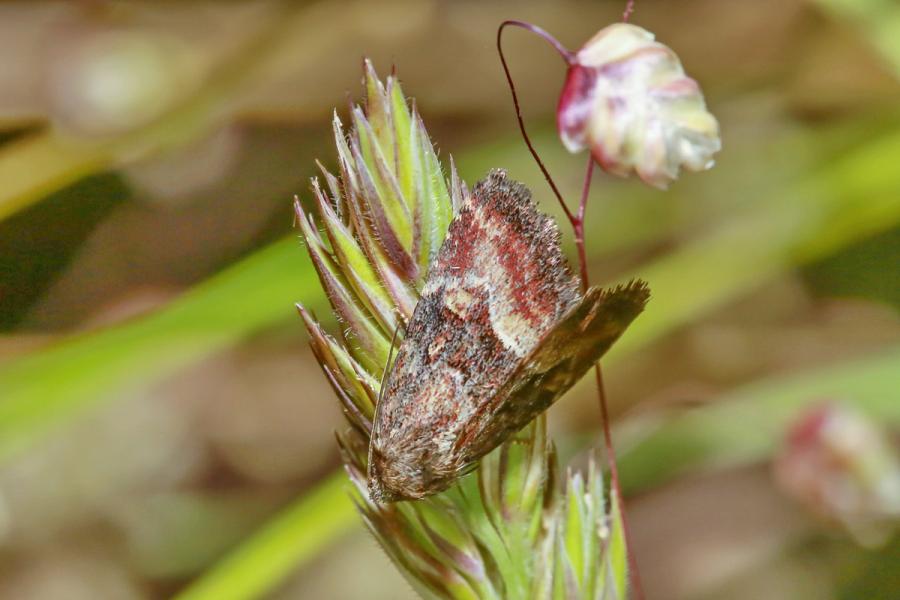
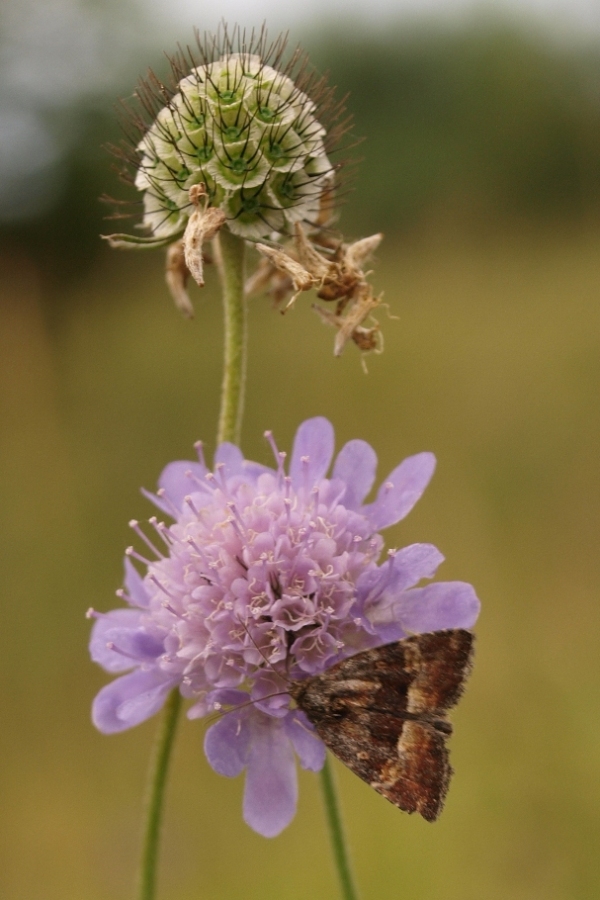
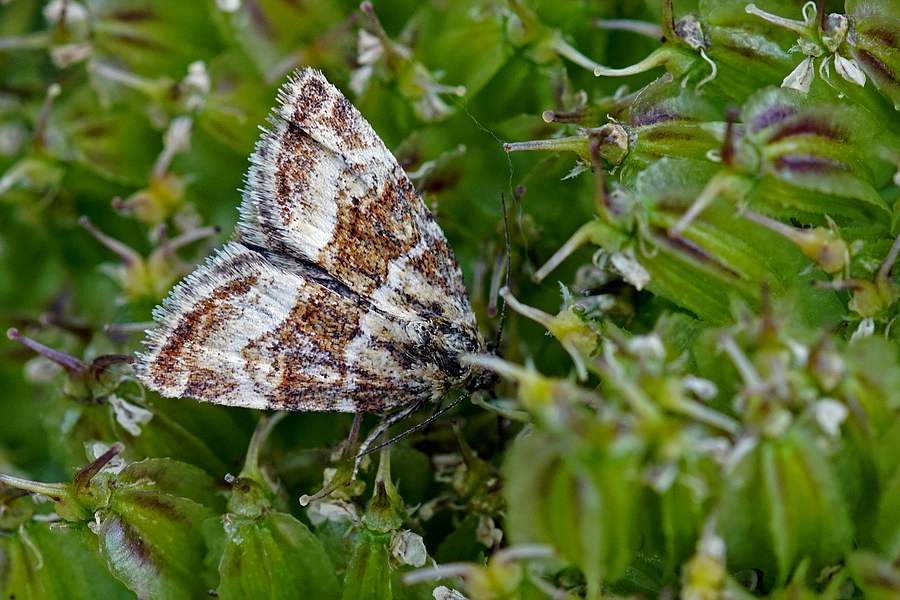
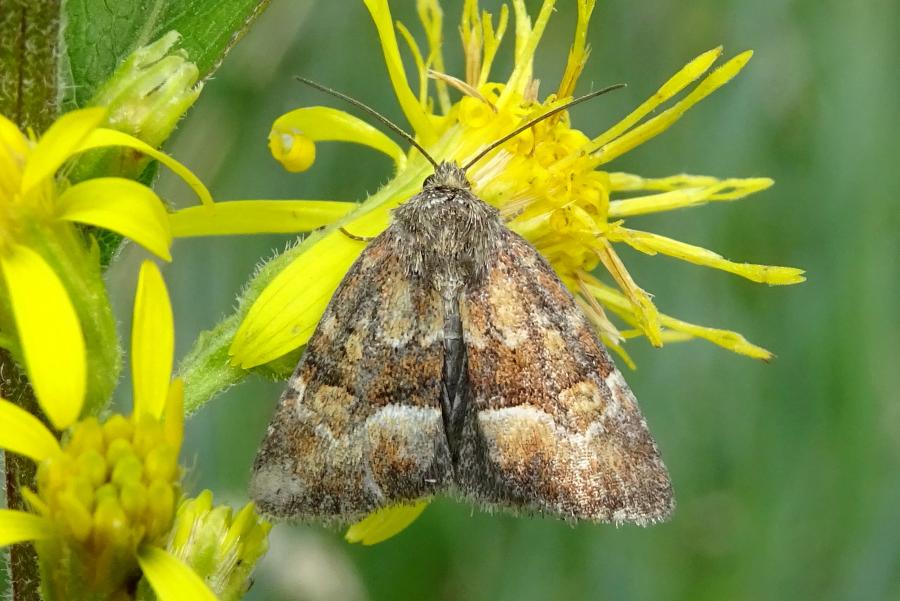

2. Diagnose
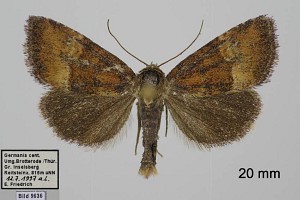
2.1. Männchen
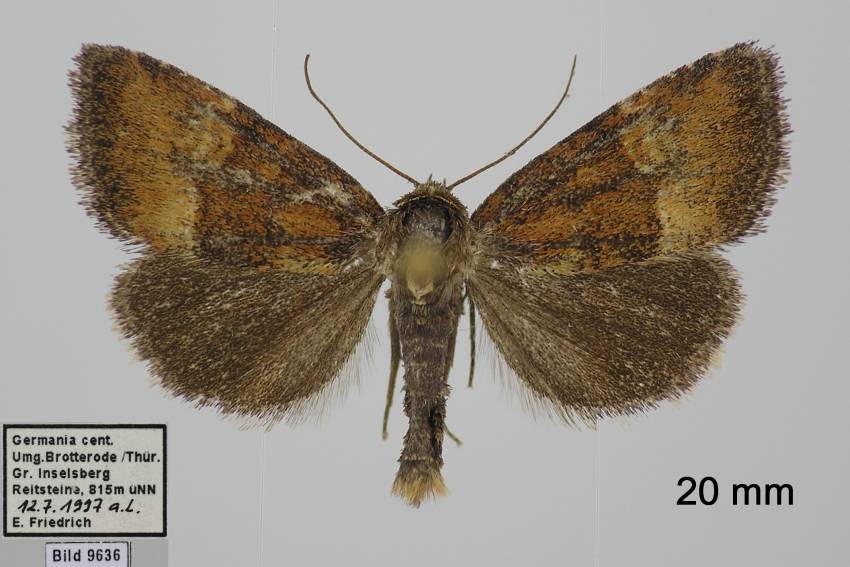
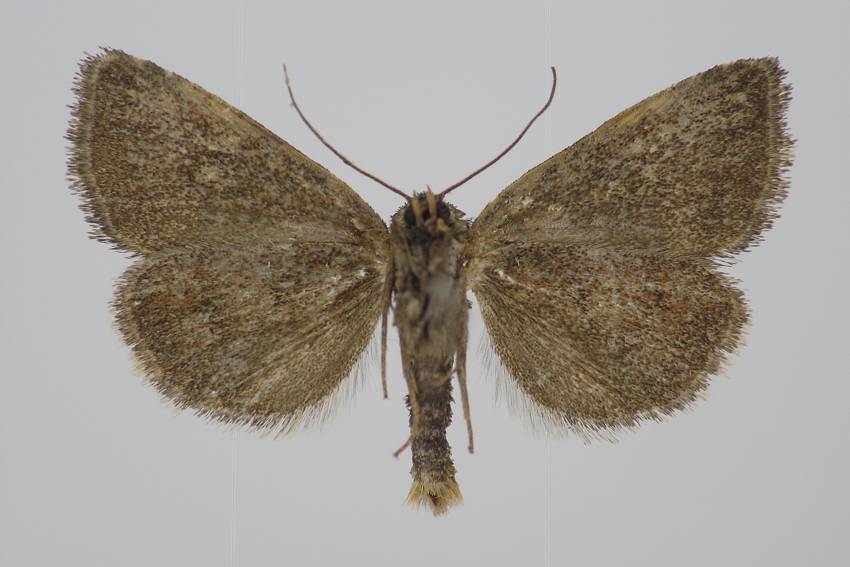
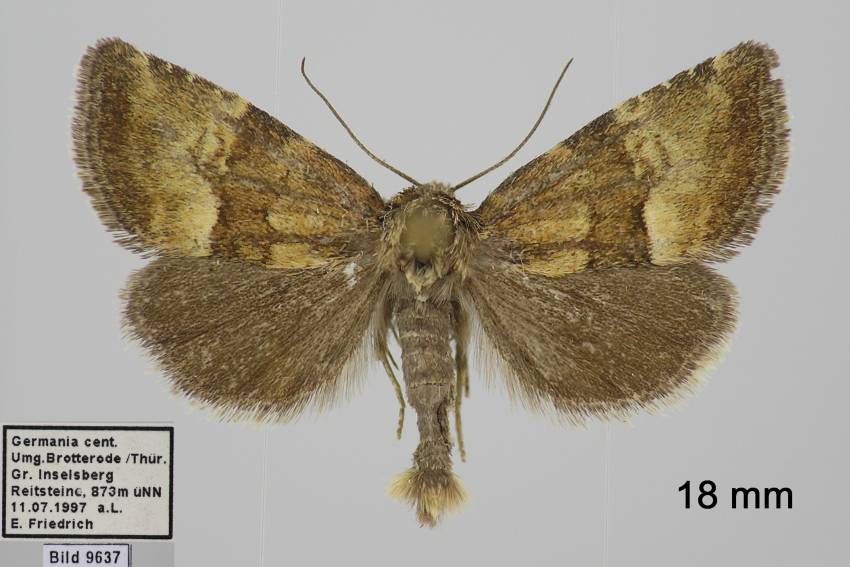
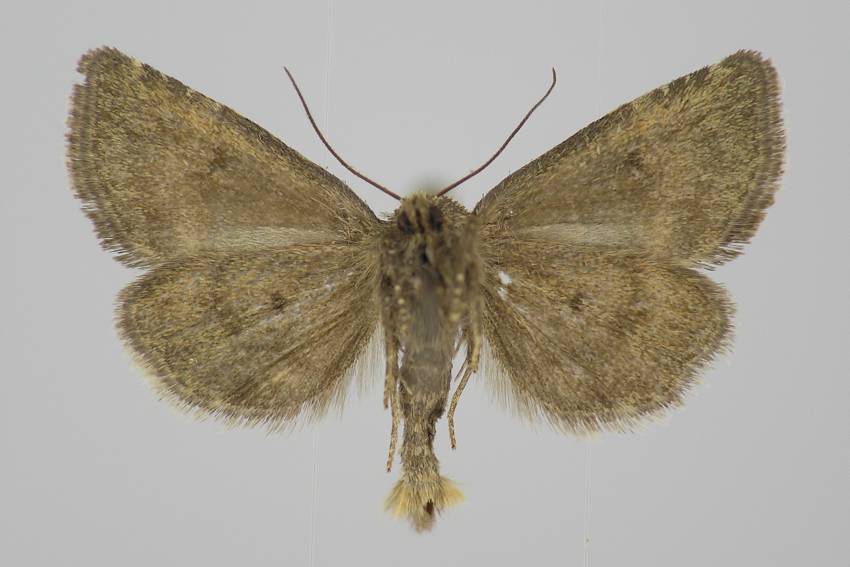
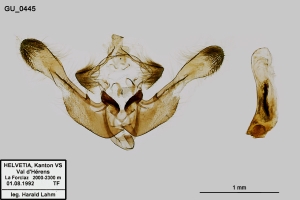
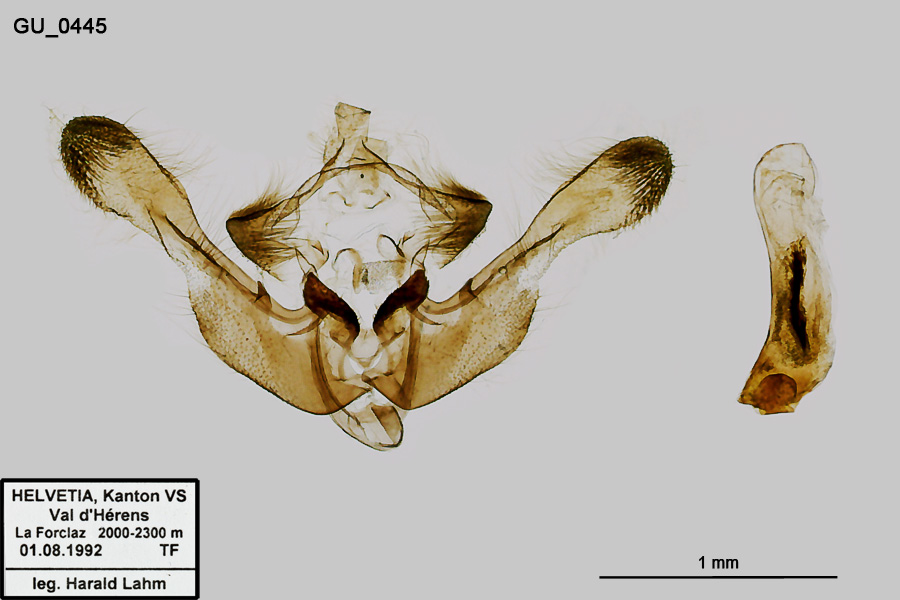
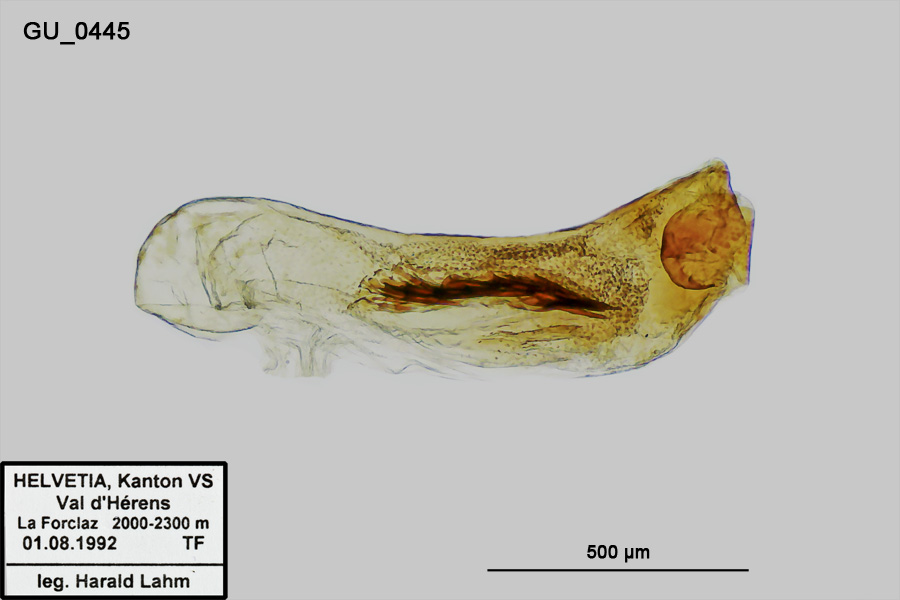
2.2. Genitalien
2.2.1. Männchen
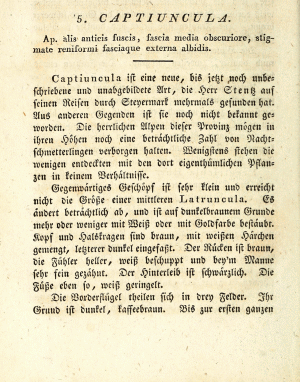
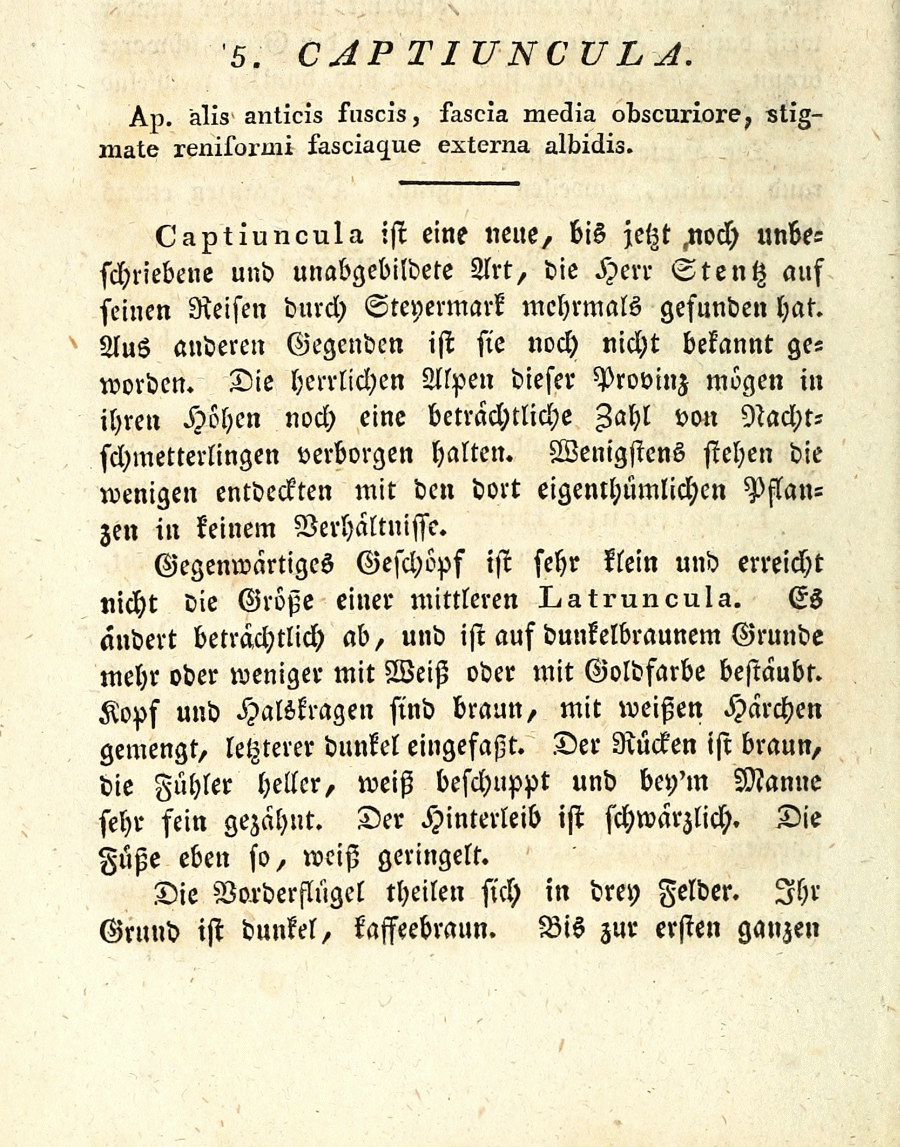
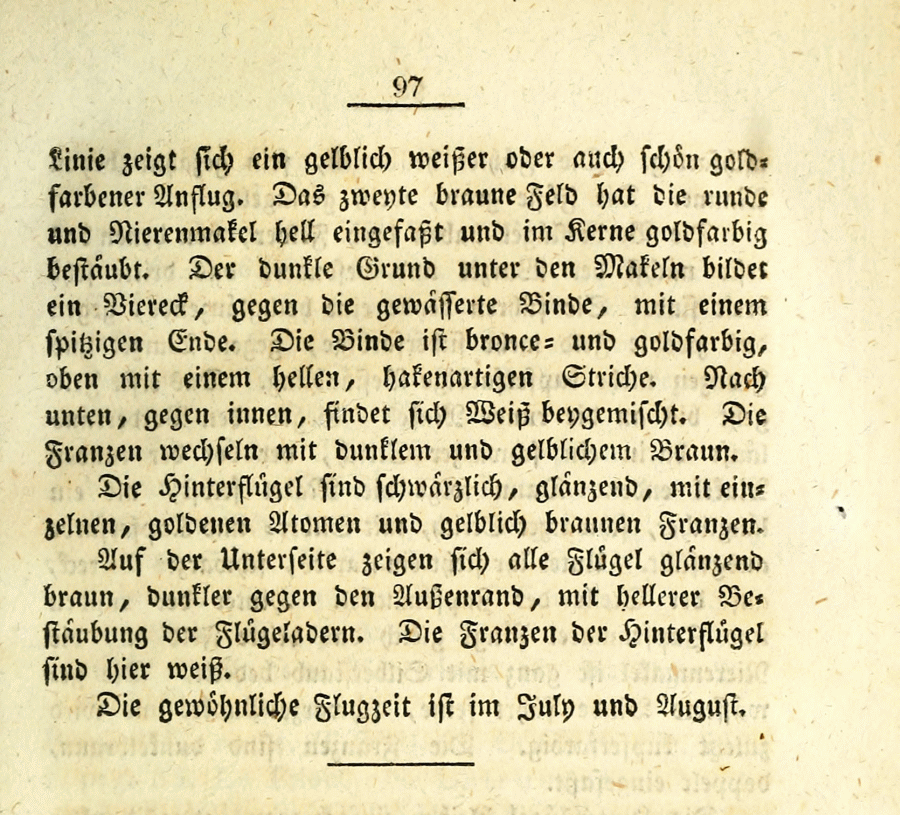
2.3. Erstbeschreibung
3. Biologie
3.1. Nahrung der Raupe
- [Cyperaceae:] Carex flacca [= Carex glauca] (Blaugrüne Segge)
- [Poaceae:] Sesleria albicans [= Sesleria coerulea, Sesleria caerulea] (Kalk-Blaugras)
Sterling et al. (2015) machten sich im Mai 2014 auf die Suche nach der noch unbebilderten Raupe vonPhotedes captiuncula ssp. tincta: "Porter gives the larval foodplant as the inner parts of Glaucous Sedge Carex flacca. Initially, on 18 May, we searched at Meggagh East. Some small plants of Carex flacca had evidence of the central shoot having died and no flowering spike had been produced. Further examination of these revealed evidence of larval feeding, but no larva was found. Eventually one larva was found in the stem of a larger C. flacca plant, but this looked to big to be P. captiuncula and from it was reared, on 8. August, a Small Wainscot Denticucullus pygmina (Haw.)." Doch die Suche ging weiter: "On 20 May we searched at Turlough Hill. Here we looked at C. flacca which had produced flowering spikes. It was noticed that some of the flowers had failed to develop properly, while the majority in the area were floweing profusely (Plate 1). Further examination lower down in the stems of some of these plants revealed frass and feeding damage. On a few occasions, non-flowering plants of C. flacca were found with the central growing shoot slightly wilted or yellowing, and these had evidence of larval feeding within them. Eventually a larva was found internally and it looked as if it was almost certainly P. captiuncula. Further searching there produced three more larvae in C. flacca. It was apparent that the larvae needed to move from stem to stem because of the number plants in the immediate vicinity where we found feeding damage but no larva." Und dann wurde es noch einmal spannend: "On one occasion we found an isolated plant of C. flacca with evidence of feeding though the larva had moved on, but as the neighbouring plants were Blue Moor-grass Sesleria caerulea, these were searched. Interestingly an identical larva was found internally in the grass. Turning further attention to the S. caerulea another larva was found within that plant." Zucht zum Falter bestätigte die Diagnose der Raupen.
Sterling et al. (2015) meldeten also eine zweite Raupennahrungspflanze, aber sie fragten nicht nach ihrer relativen Bedeutung. Insbesondere eine Frage blieb offen: Werden beide Gräser (unterschiedlicher Ordnungen!) gleichermaßen belegt, oder erfolgt die Eiablage ausschließlich an Carex flacca und erst die etwas größere Raupe kann dann auch auf morphologisch vergleichbare Pflanzen wechseln ?
Insgesamt finden sich in der Literatur noch einige weitere Angaben zu Süßgräsern, die noch im Detail zu betrachten wären.
(Autor: Erwin Rennwald)
4. Weitere Informationen
4.1. Etymologie (Namenserklärung)
captiunculus verfänglich, weil ihre Einordnung schwierig schien.
4.2. Abweichende Schreibweisen
- Photedes captiunculus (Treitschke, 1825) [nach Artikel 32.1. des International Code for Zoological Nomenclature korrekte Schreibweise mit Übereinstimmung des grammatikalischen Geschlechts von Gattungs-Substantiv und Art-Adjektiv oder -Partizip (Gender Agreement des ICZN)]
4.3. Andere Kombinationen
- Apamea captiuncula Treitschke, 1825 [Originalkombination]
4.4. Synonyme
- Apamea unica Freyer, 1858
- Miana expolita Doubleday, 1855
4.5. Unterarten
- Photedes captiunctula kasyi Varga, 1970
- Photedes captiuncula delattini Varga, 1970
4.6. Literatur
- Sterling, P.H., Henwood, B.P. & D. Foot (2015): Least Minor Photedes captiuncula (Tr.) ssp. tincta (Kane, 1895) (Lep.: Noctuidae) in Ireland - the finding of larvae and a previously unrecorded foodplant. — The entomologist's record and journal of variation, 127 (1): 37-40. [Digitalisat auf biodiversitylibrary.org]
- Erstbeschreibung: Treitschke, F. (1825): Die Schmetterlinge von Europa 5 (2): 1-448. Leipzig (Gerhard Fleischer).