+42Kontinente:EUASAF


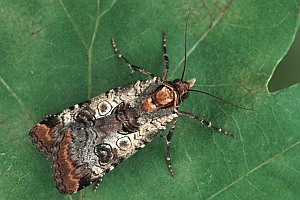
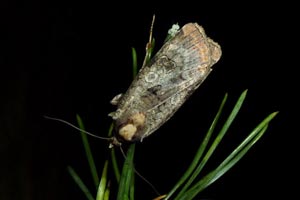
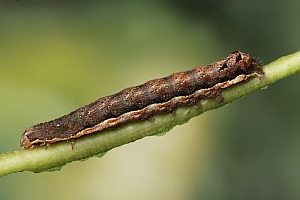
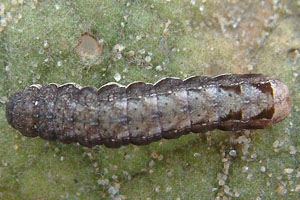

1. Lebendfotos
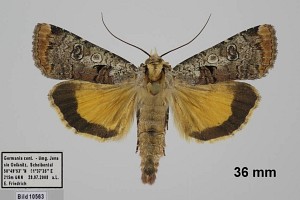
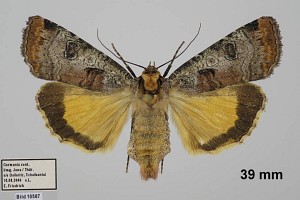
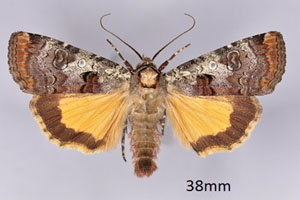
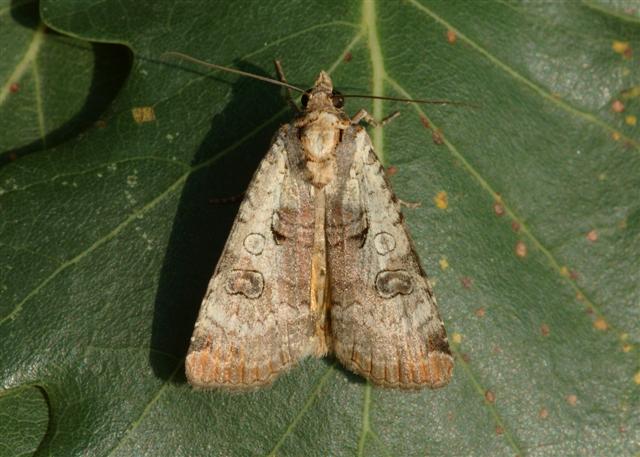
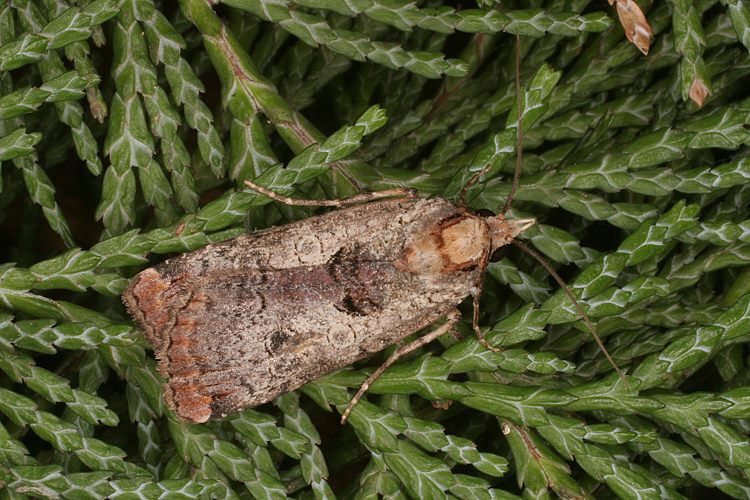
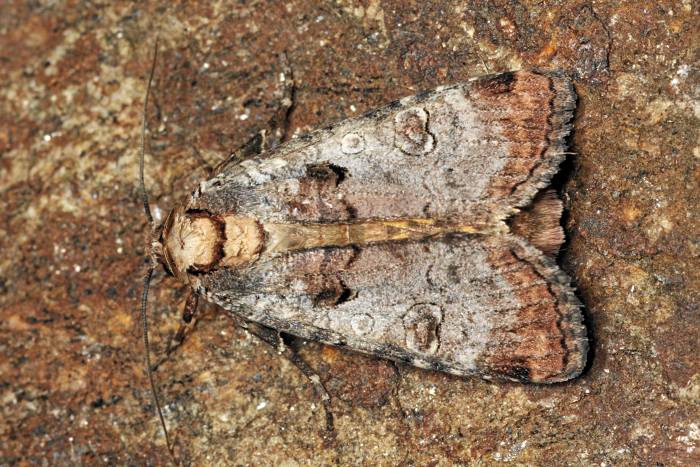
1.1. Falter
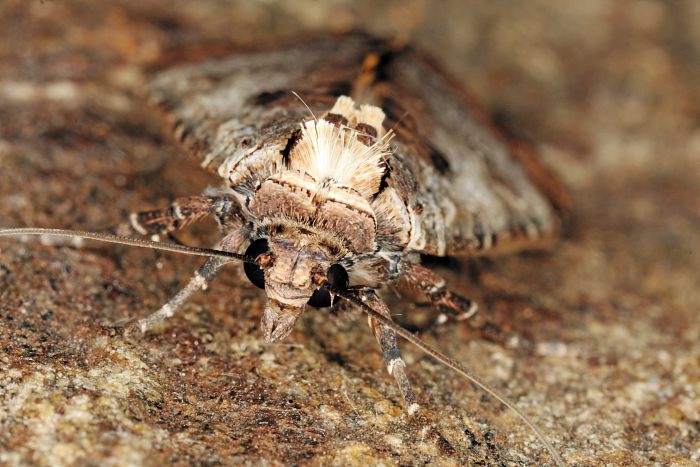

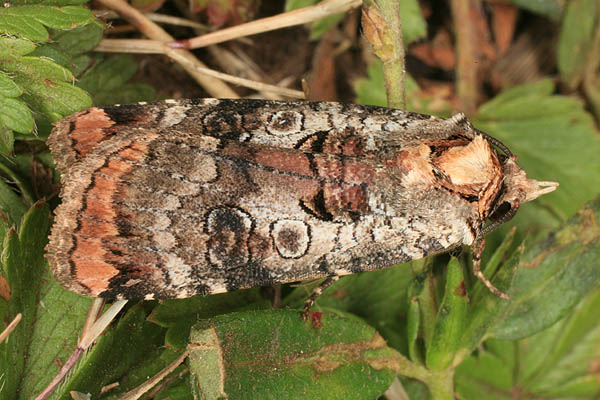

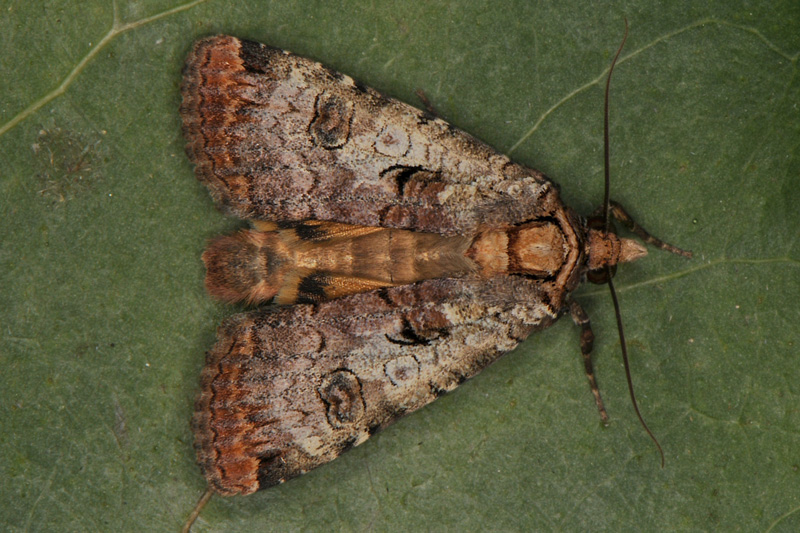
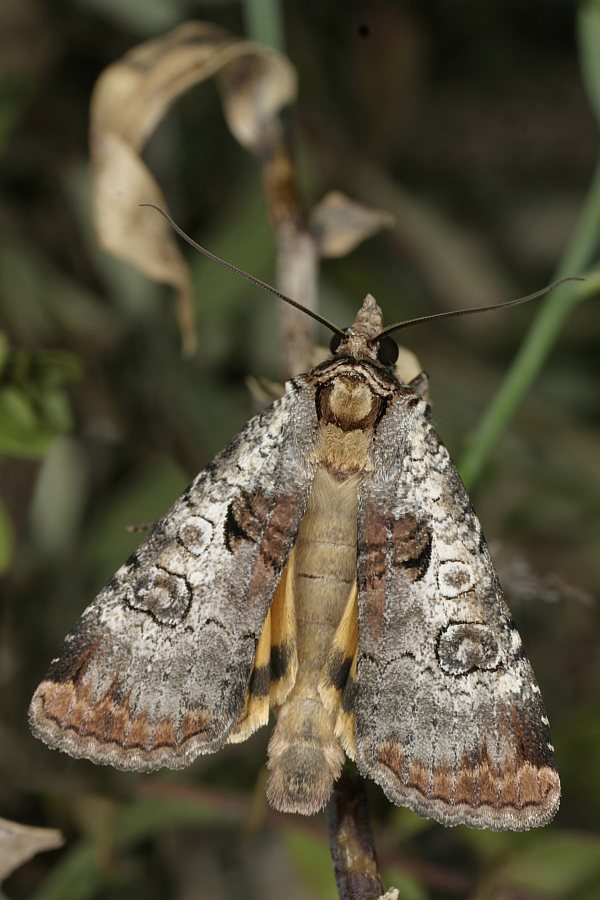
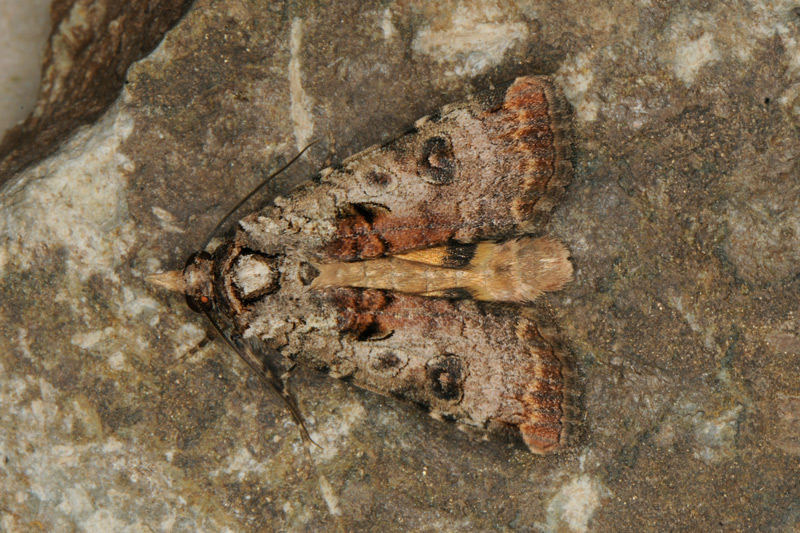
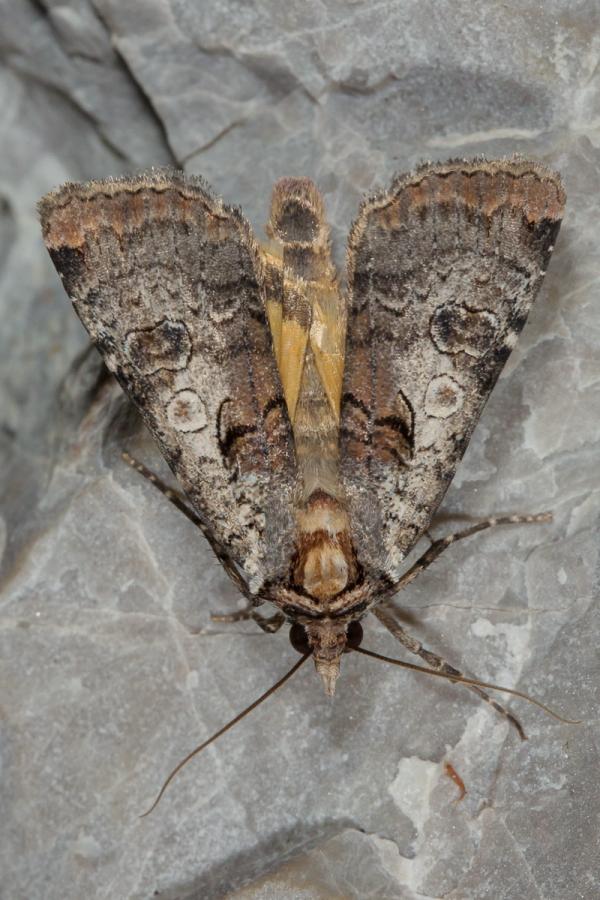

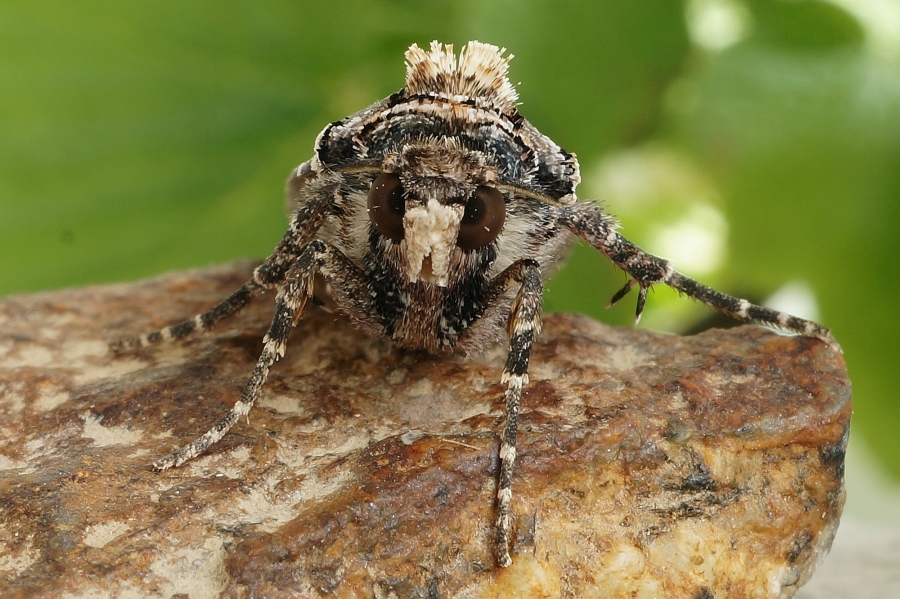

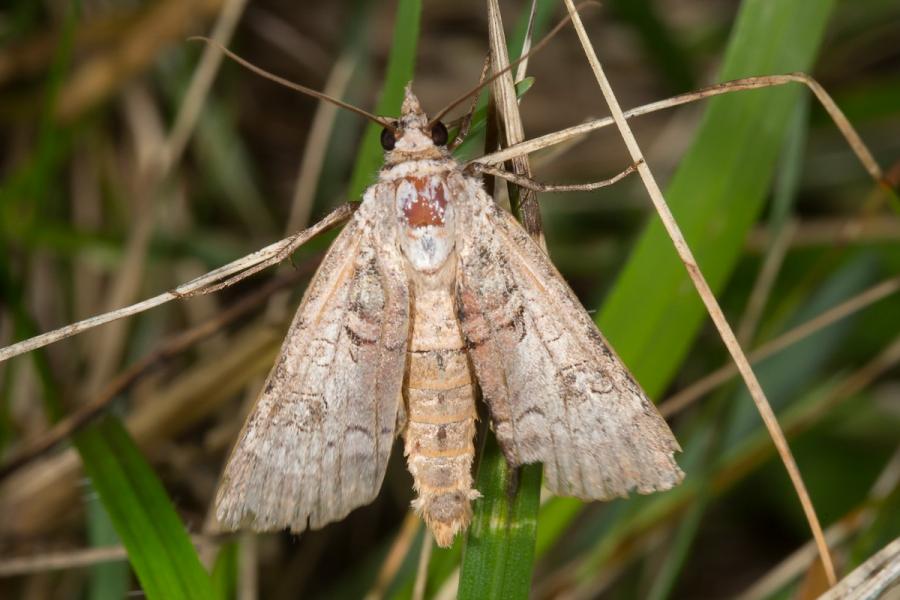
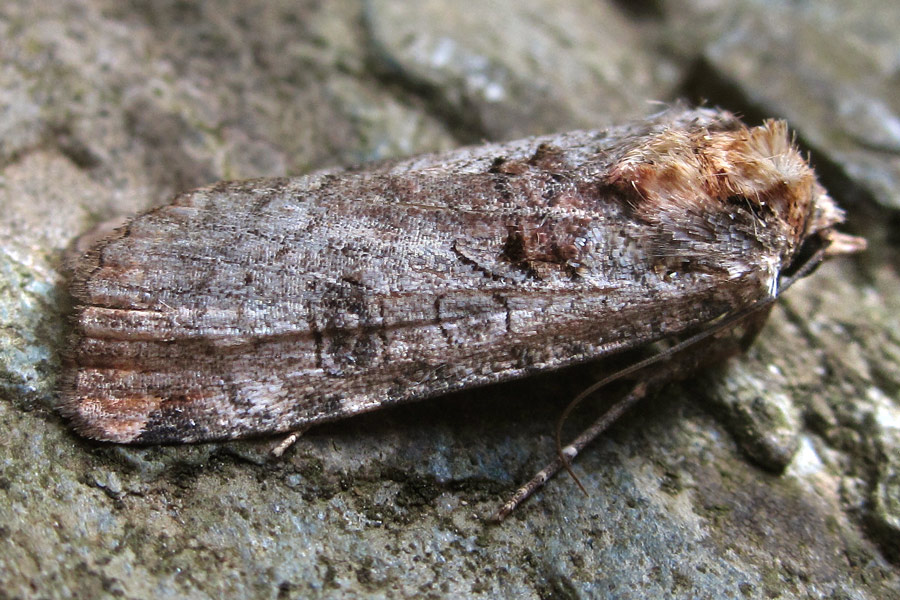
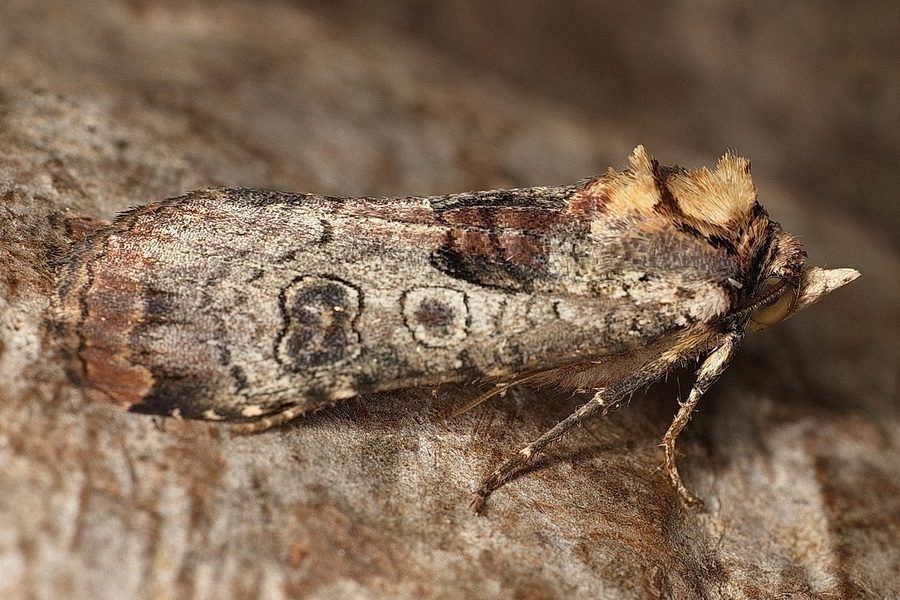
1.2. Eiablage
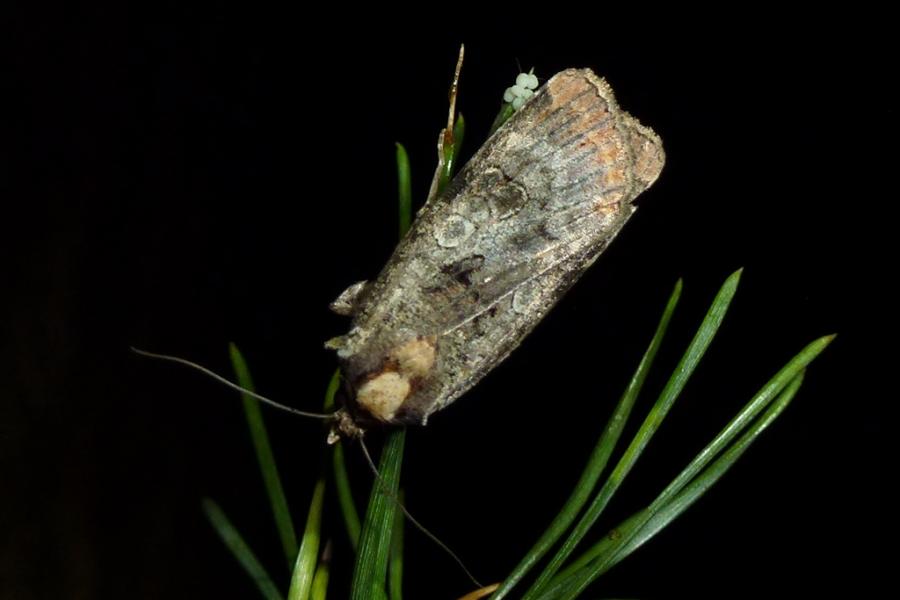
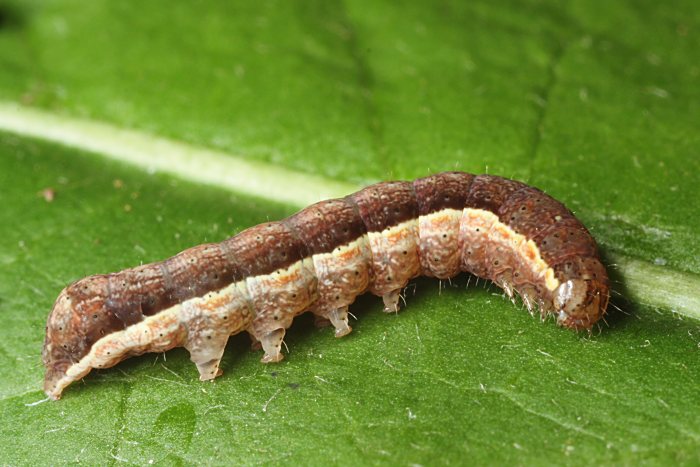
1.3. Ausgewachsene Raupe

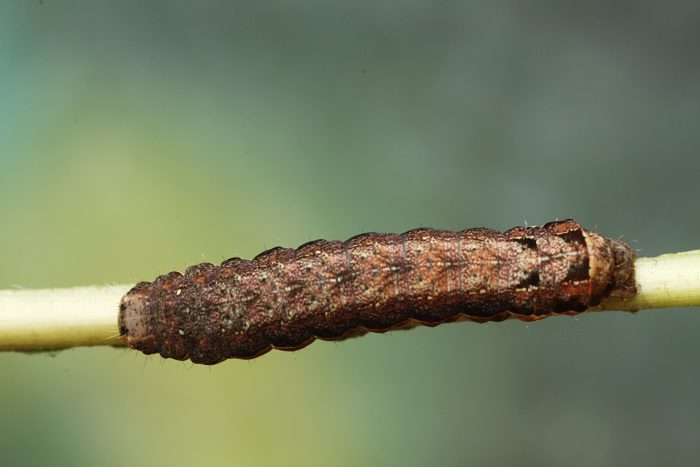


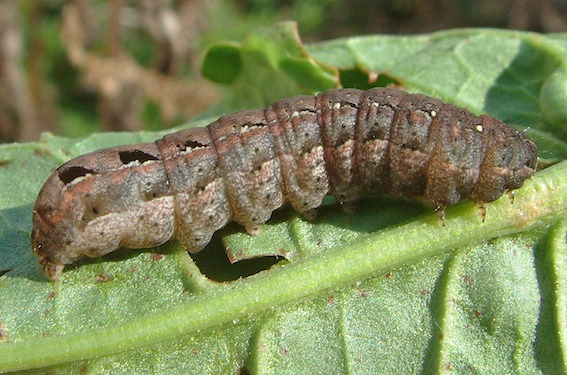
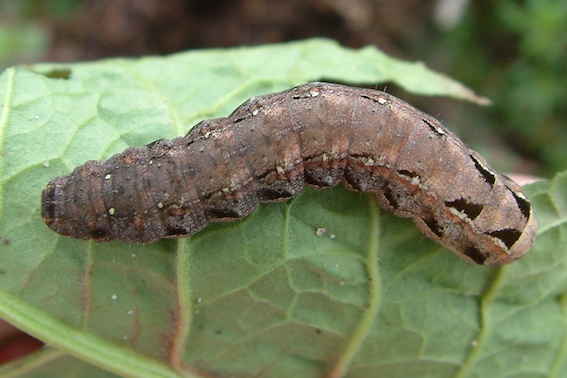
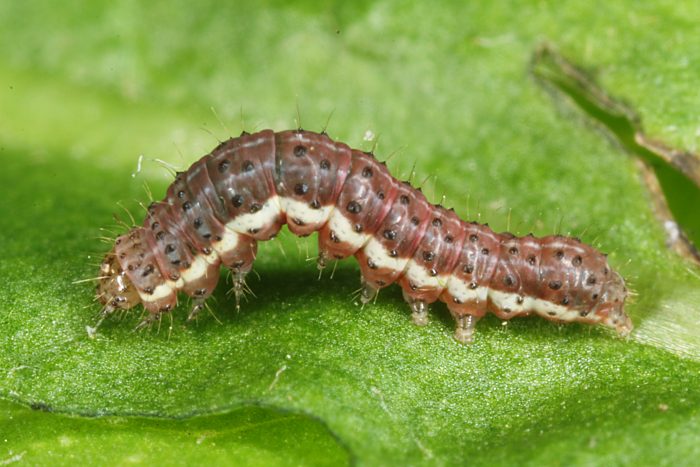
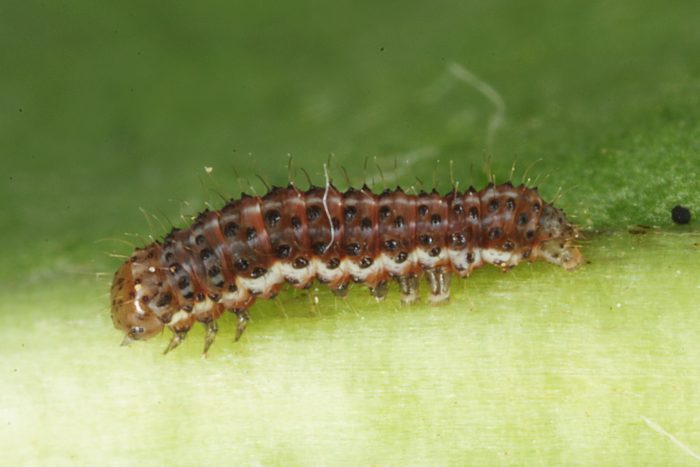
1.4. Jüngere Raupenstadien
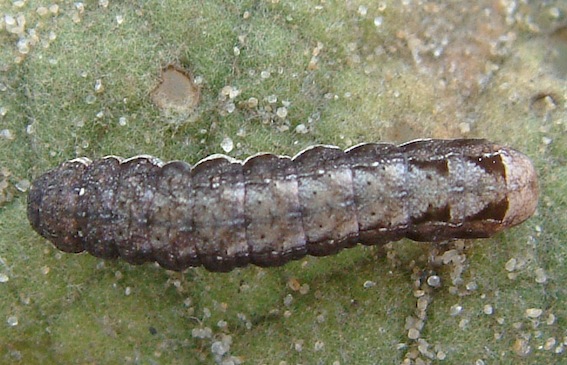
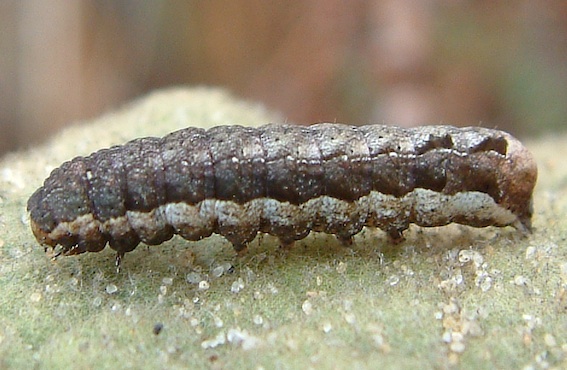

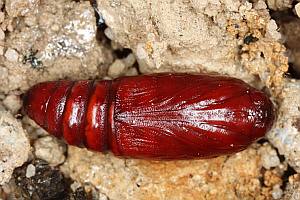
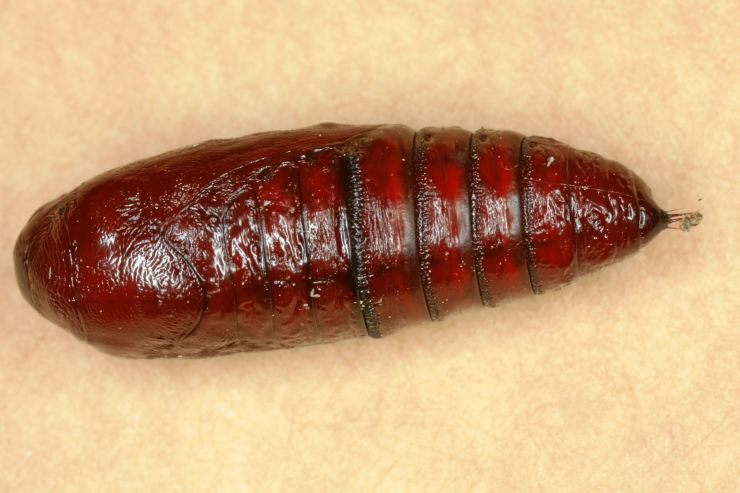
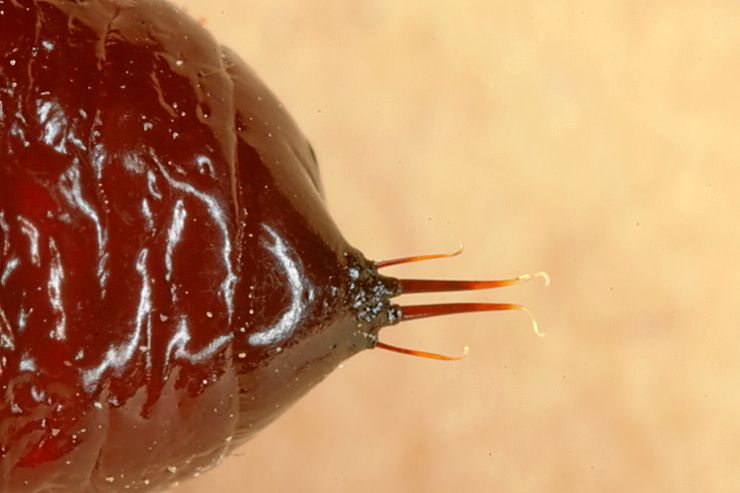
1.5. Puppe
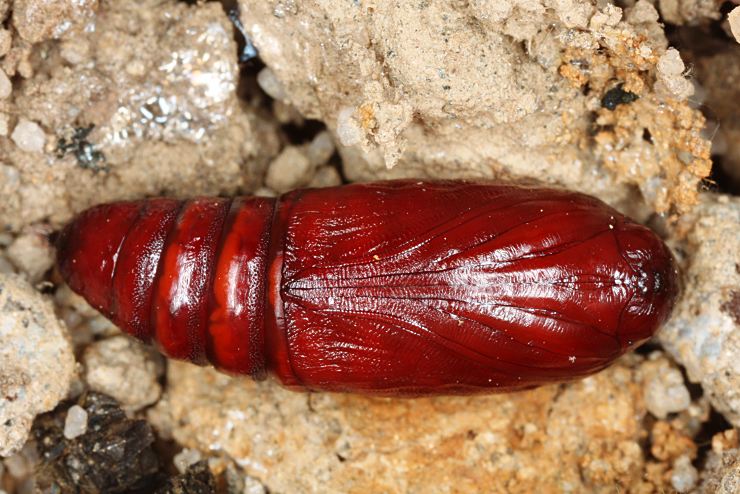

2. Diagnose
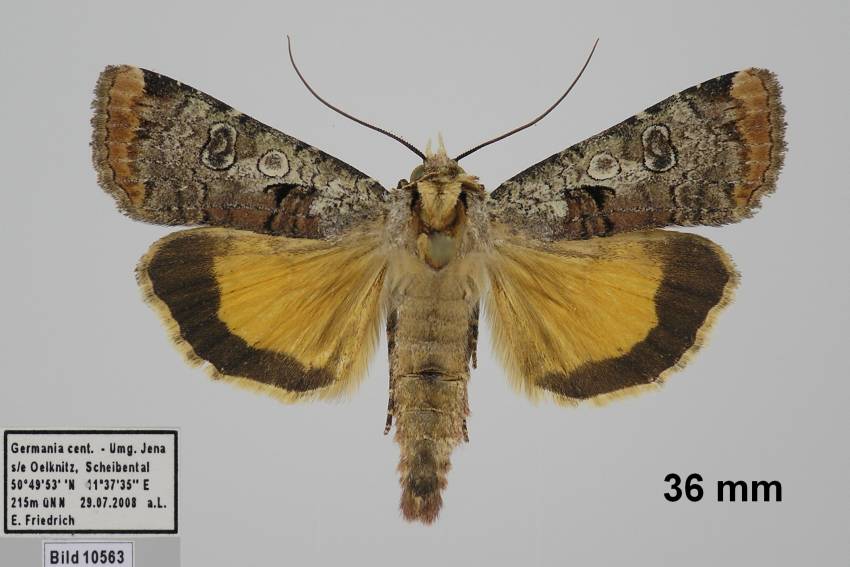
2.1. Männchen
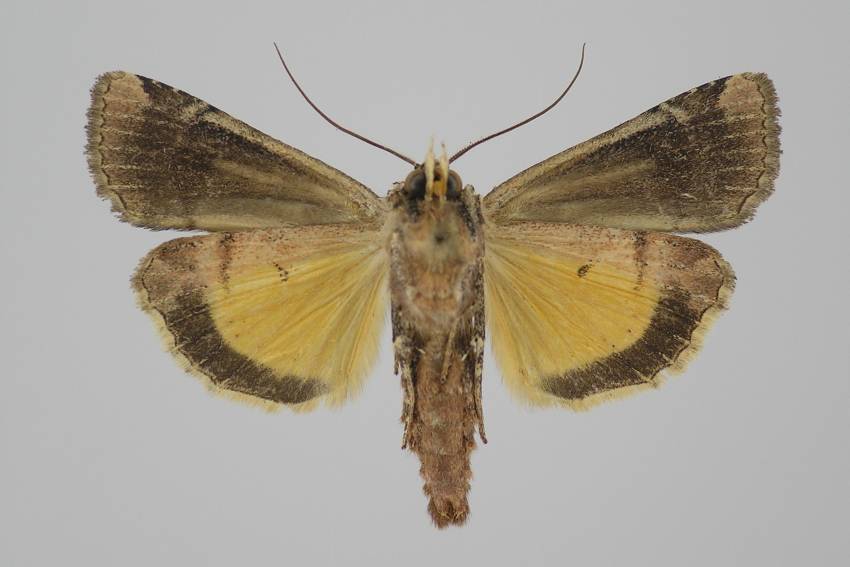

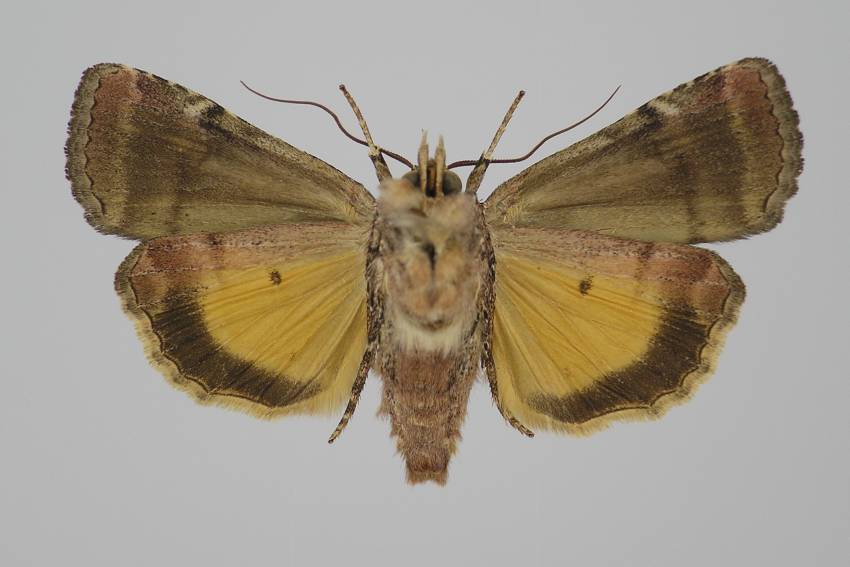
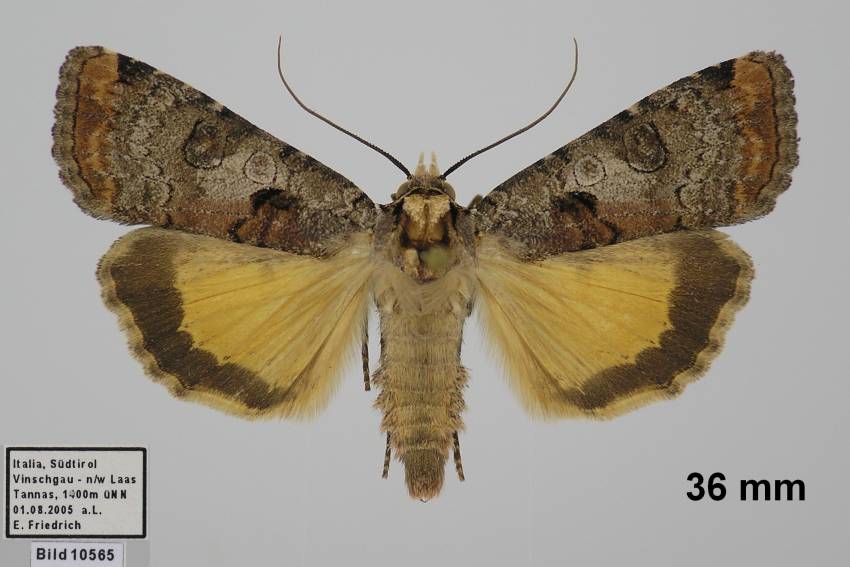
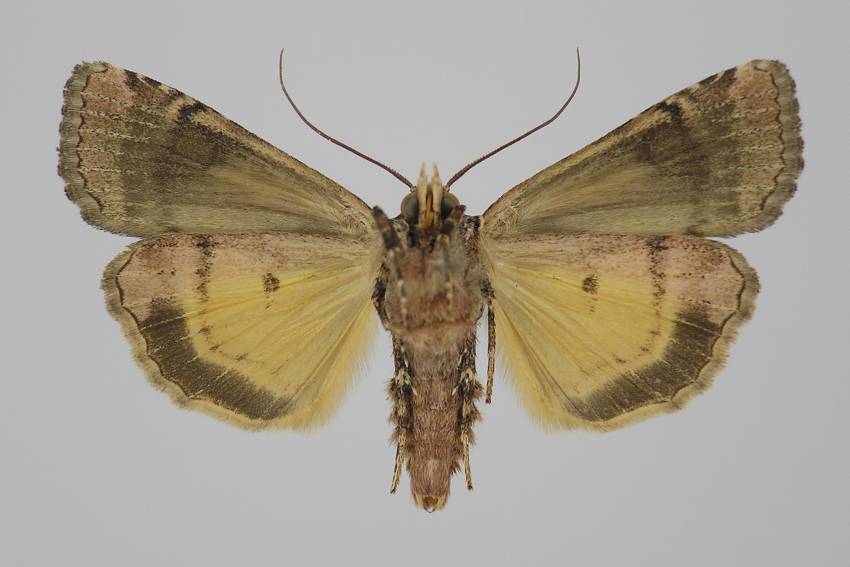
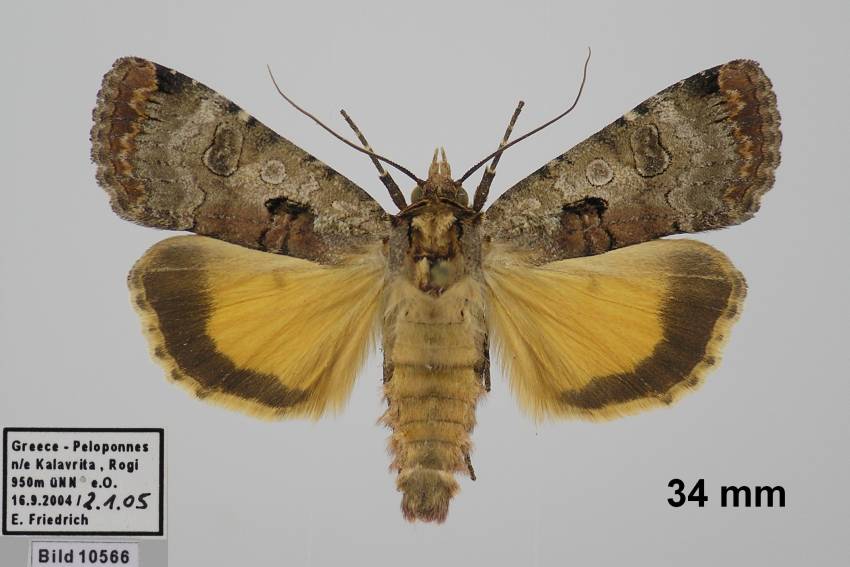
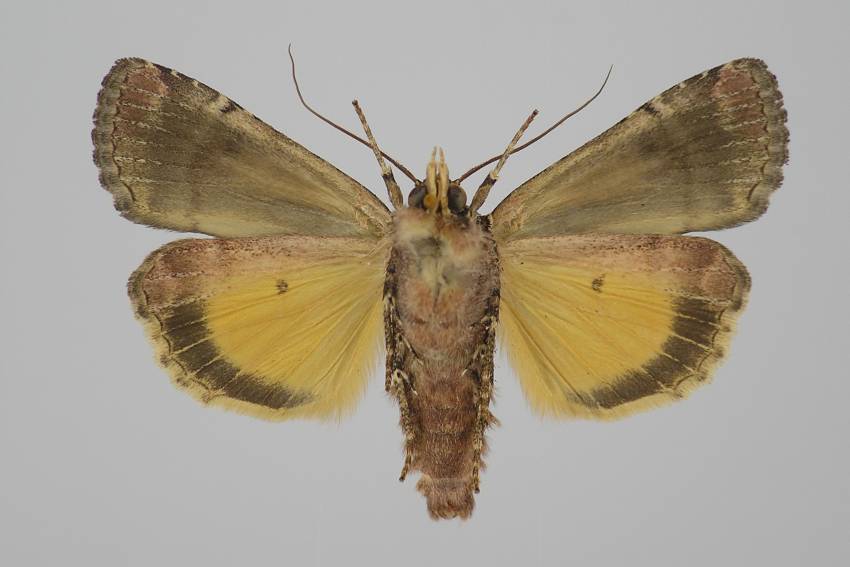
2.2. Weibchen

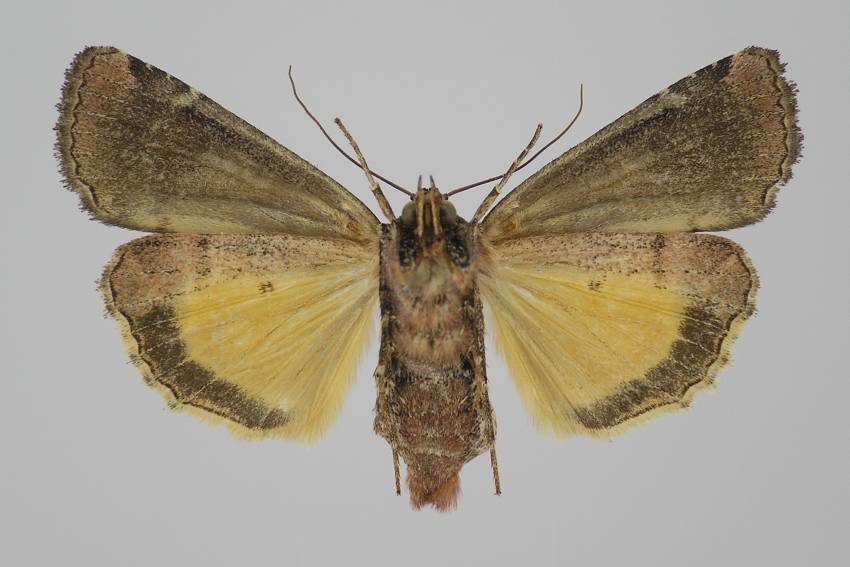


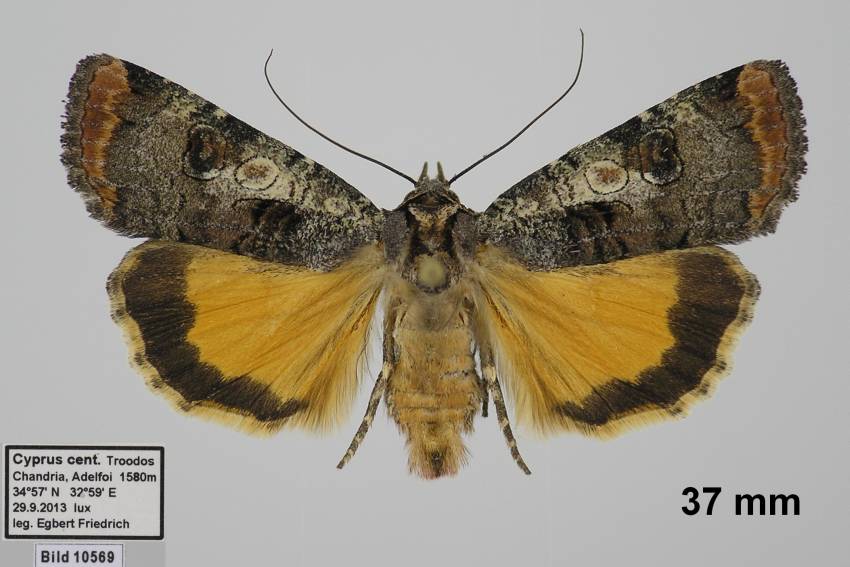
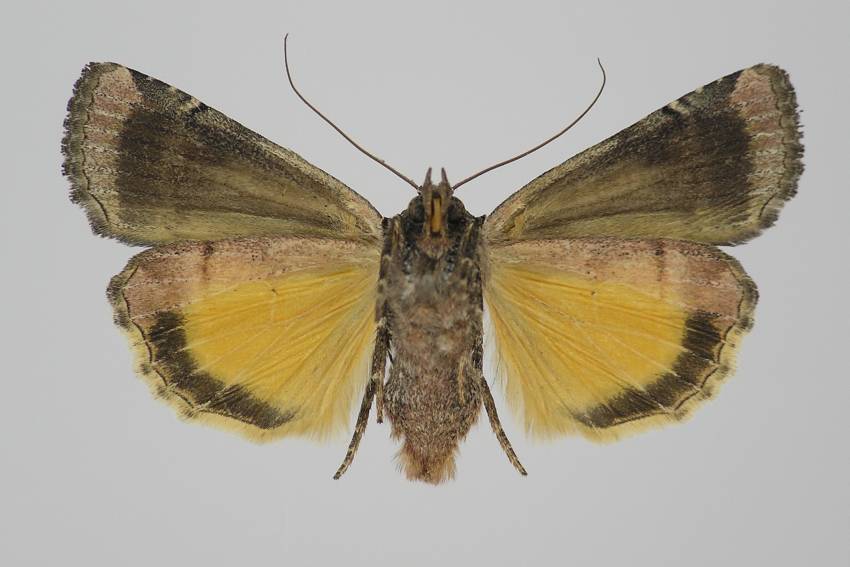
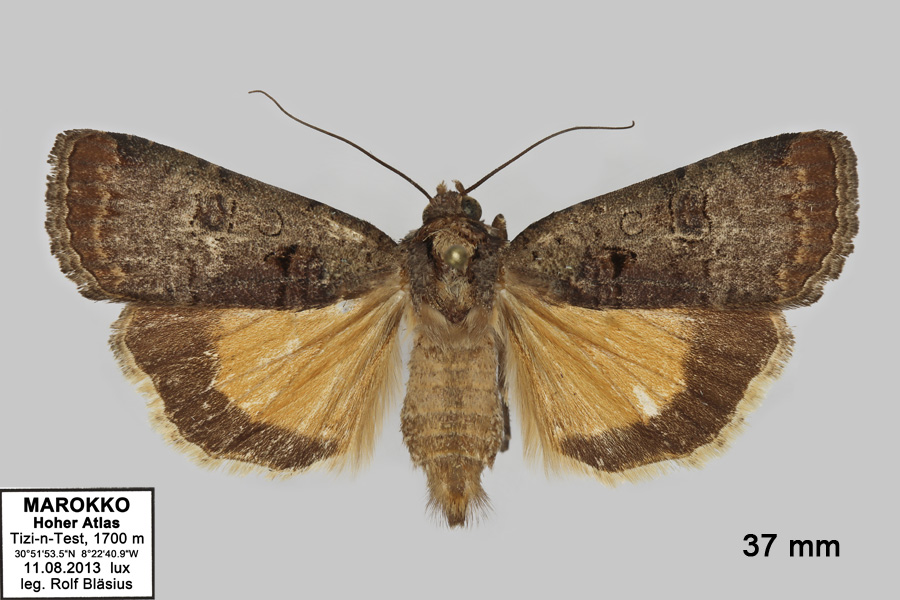
2.3. Geschlecht nicht bestimmt
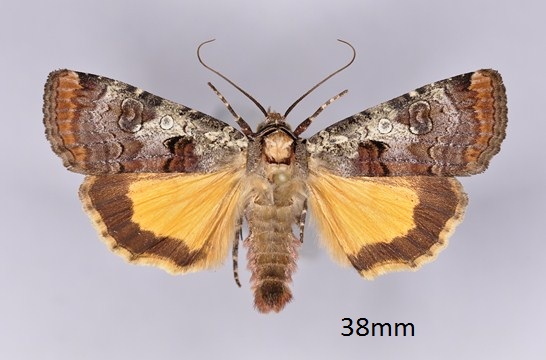
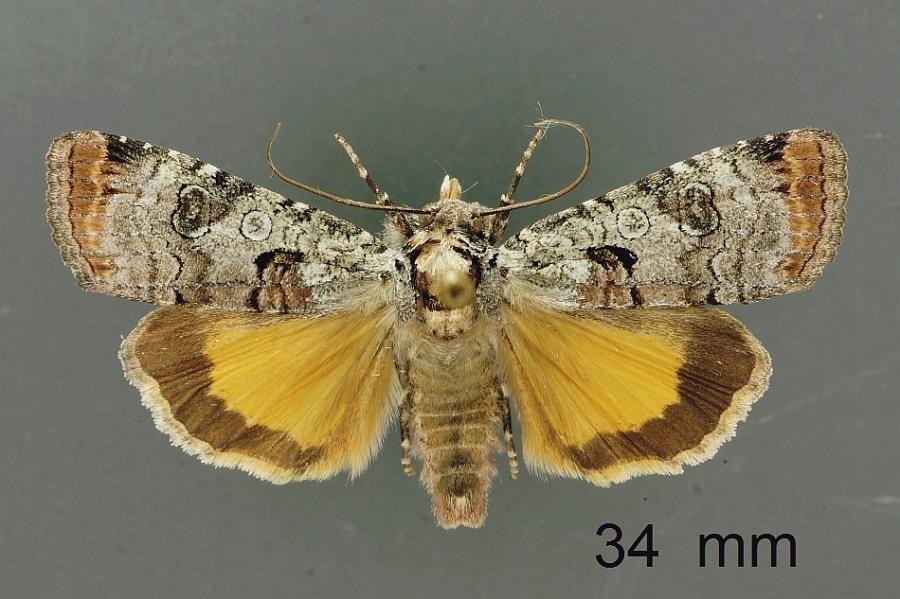
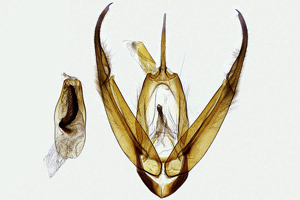
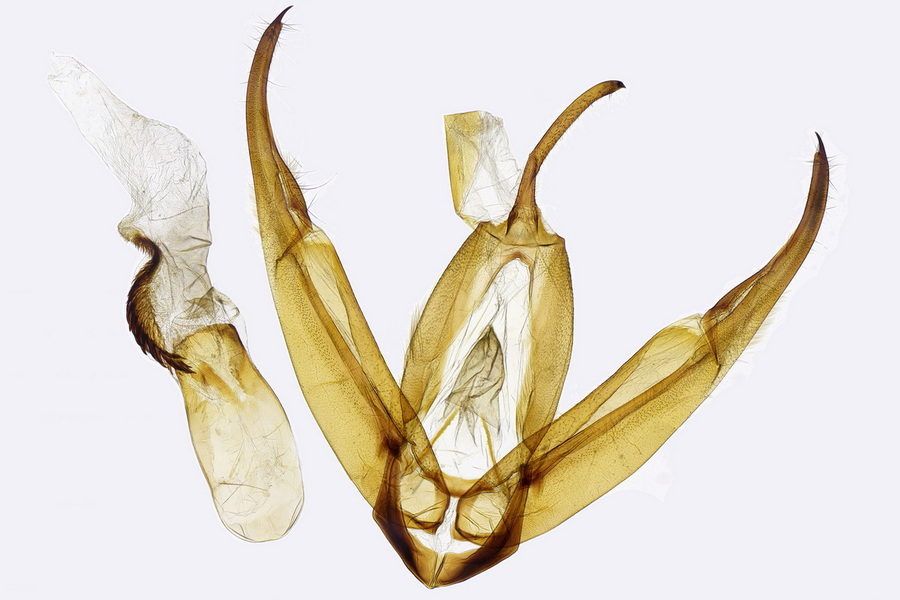
2.4. Genitalien
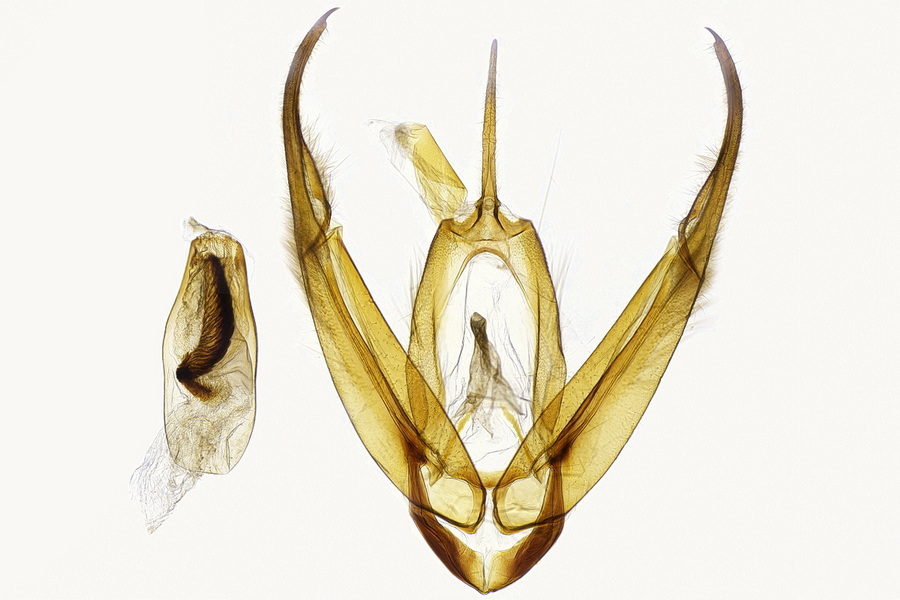
2.4.1. Männchen
3. Biologie
3.1. Habitat



4. Weitere Informationen
4.1. Etymologie (Namenserklärung)
linum Lein, griseus grau.
4.2. Andere Kombinationen
- Epilecta linogrisea (Denis & Schiffermüller, 1775) [bis Nedumpally et al. (2025) übliche Kombination]
4.3. Taxonomie
Nedumpally et al. (2025: 15) kamen in ihrer umfangreichen genetischen Studie - unter Einbeziehung diverser Gene der Kern-DNA - zum eindeutischen Schluss, dass die bisherige "Epilecta linogrisea" zusammen mit Cryptocala chardinyi und allen anderen Noctua-Arten Schwester zu Noctua pronuba ist und damit in Noctua integriert werden muss. Wollte man Epilecta als Gattungsnamen erhalten, müssten - außer Noctua pronuba - alle anderen derzeitigen Noctua-Arten einen neuen Gattungsnamen bekommen, was sicher die schlechtere Lösung wäre: "Second, a small genus Epilecta Hübner, 1821 (type species: Noctua linogrisea Denis & Schiffermüller, 1775) (Figure 4m), was recovered within the concept of Noctua Linnaeus, 1758, with N. pronuba (Linnaeus, 1758) (Figure 4n) being sister to the rest of the genus and Epilecta branching off from the next node (Figure 3). Both the placement of Epilecta within Noctua and its position as sister to all other members of the genus except N. pronuba received maximum statistical support in our analysis (Figure 3). Such a phylogenetic position of Epilecta is clearly conflicting with Fibiger (1997) who stated that this genus is closely related to Spaelotis Boisduval, 1840, which was not even sister to Noctua in our analysis, but formed a clade of sister taxa with Protolampra McDunnough, 1929 instead (Figure 3). The variation in the male genitalia of Noctua is extensive (Fibiger, 1997), and despite the absence of the clasper, the male genitalia of N. linogrisea fit within this variation. The female genitalia of N. linogrisea are very similar to those of several other Noctua species (Fibiger, 1997). However, some morphological structures of Epilecta (e.g., tufted thorax, build of palpi and antennae) are different from those of Noctua spp. sensu Fibiger (1993) and Top et al. (2023), which makes it difficult to circumscribe the latter genus based on autapomorphic characters. From a practical point of view, it is difficult to suggest keeping Noctua and Epilecta as separate genera because doing so would necessitate describing or resurrecting at least one additional genus to harbour all current Noctua taxa from fimbriata group to janthina group (Figure 3). We thus suggest treating Epilecta as a junior subjective synonym of Noctua (syn. n.) and use the original combination Noctua linogrisea Denis & Schiffermüller, 1775 (comb. rev.) for its type species, but also call for further morphological research to find characters supporting the broadened concept of Noctua.
(Autor: Erwin Rennwald)
4.4. Literatur
- Erstbeschreibung: [Denis, M. & J. I. Schiffermüller] (1775): Ankündung eines systematischen Werkes von den Schmetterlingen der Wienergegend herausgegeben von einigen Lehrern am k. k. Theresianum. 1-323, pl. I a+b, Frontispiz. Wien (Augustin Bernardi). — Digitalisat der Bayerischen Staatsbibliothek München: [79].
- Nedumpally, V., Zilli, A., Yapar, E., Tammaru, T., Lemmon, A.R. & E. Õunap (2025): Elaborating the phylogeny of Noctuidae by focusing on relationships between northern European taxa. — Systematic Entomology. 2025;e70010: 1-25. https://doi.org/10.1111/syen.70010.
- Steiner (1998) (= Ebert 7), 384-387.