+10Kontinente:EU


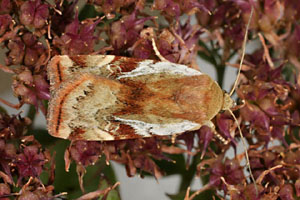
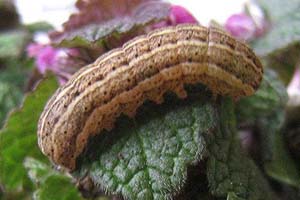
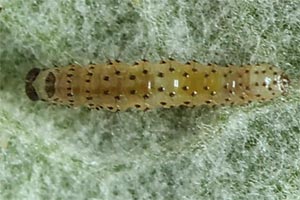
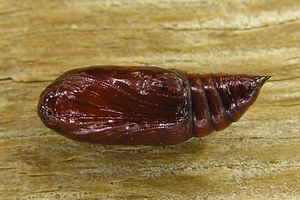
1. Lebendfotos
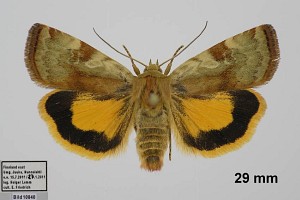
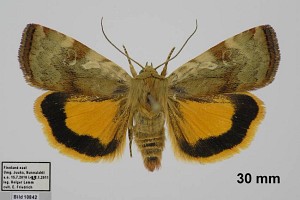
1.1. Falter
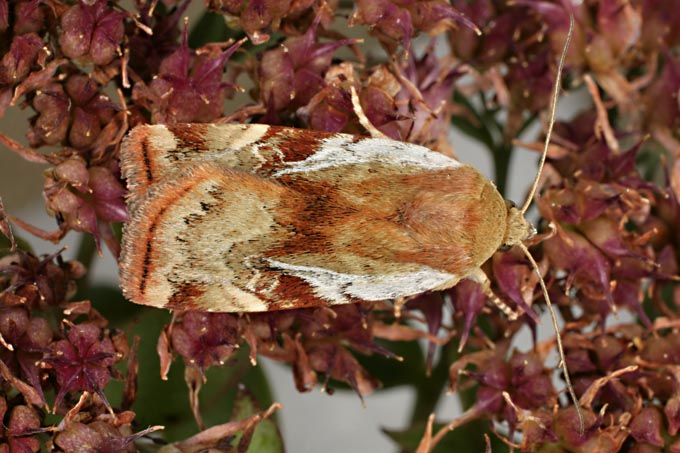
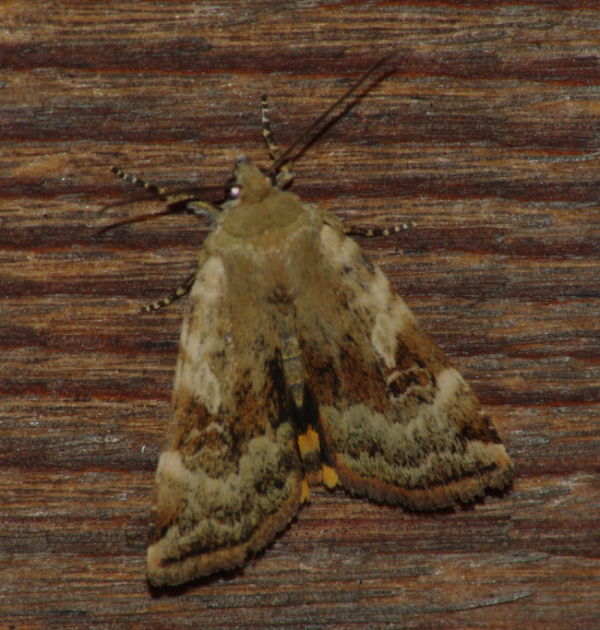

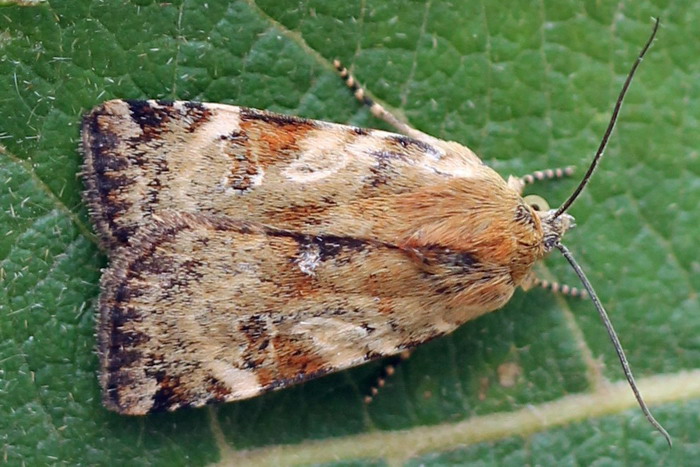
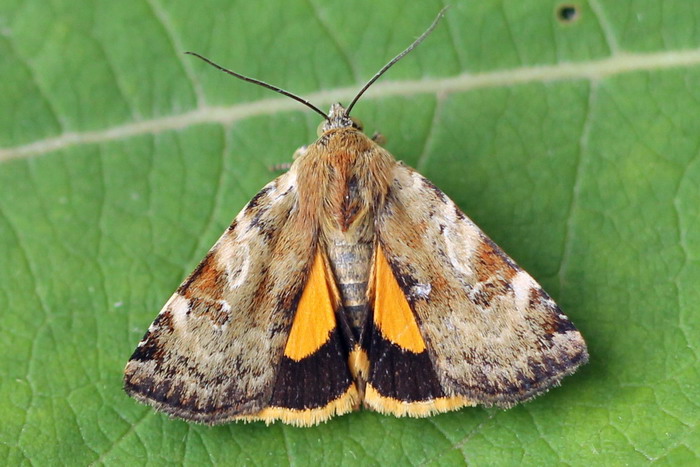
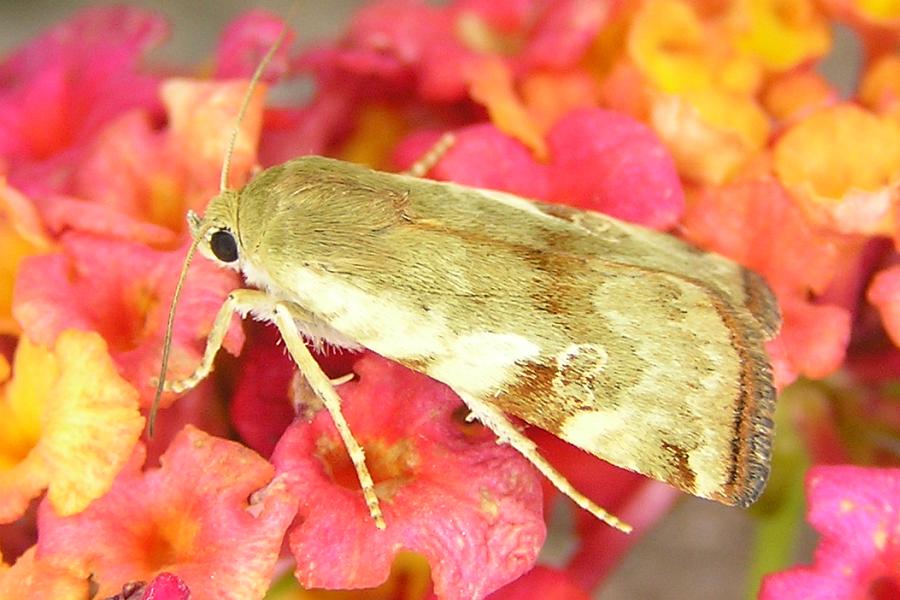
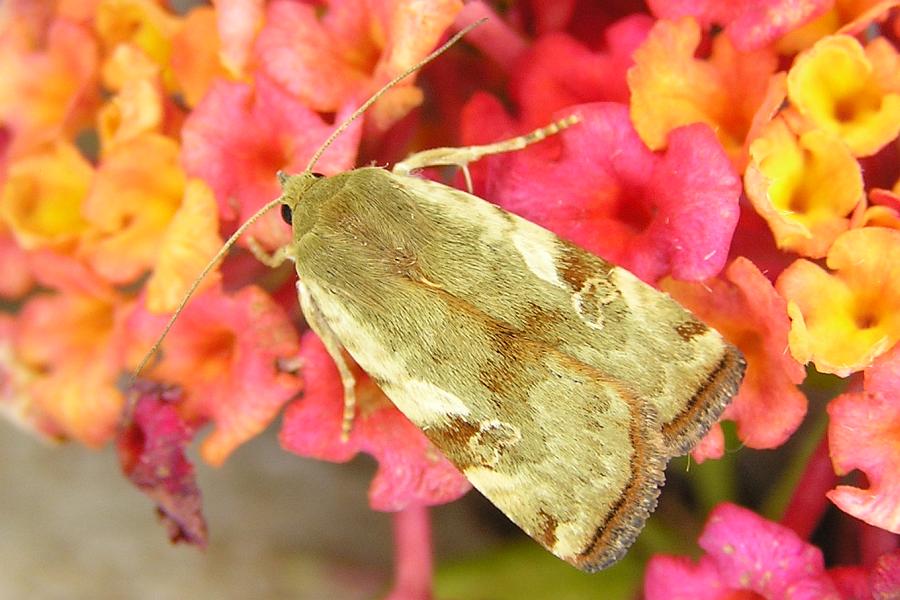
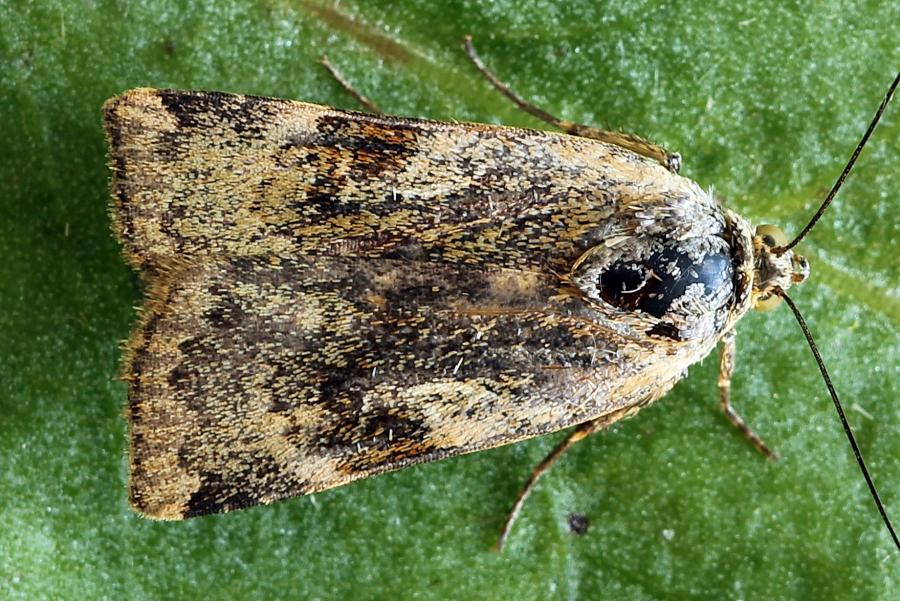
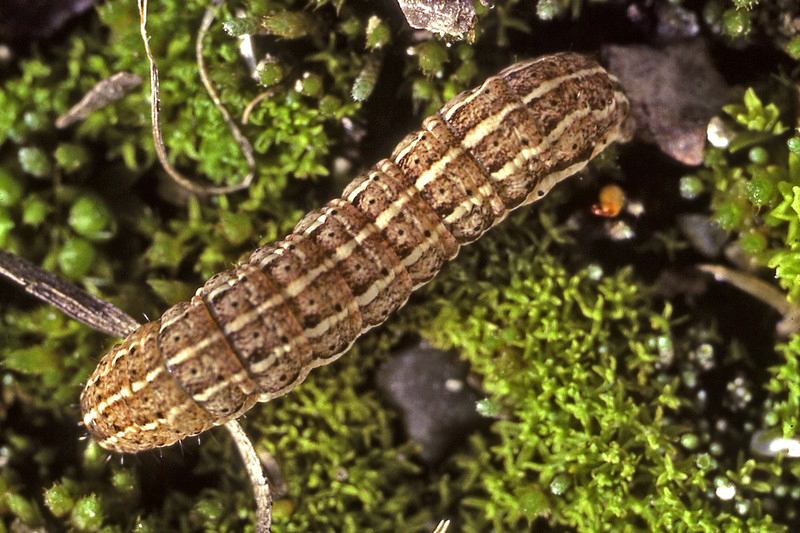
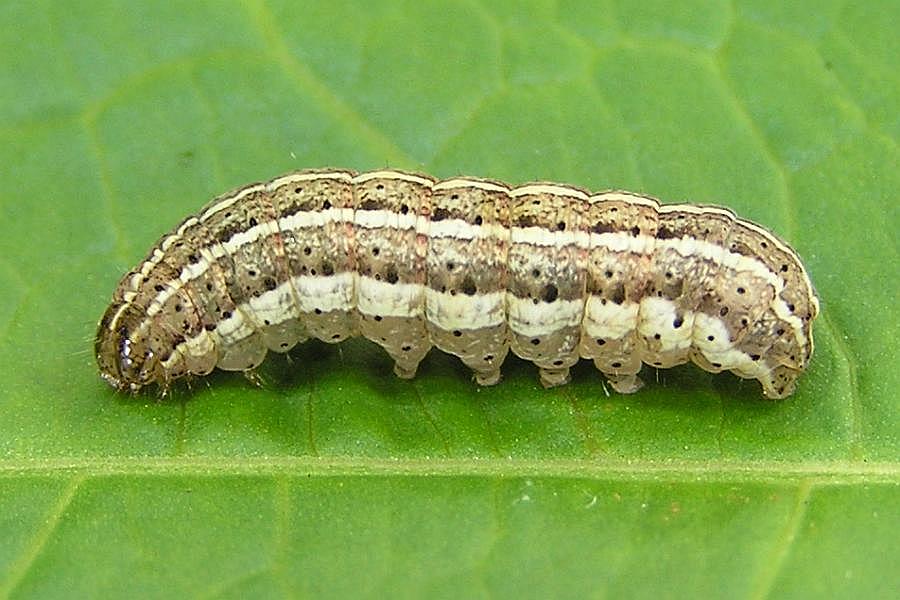
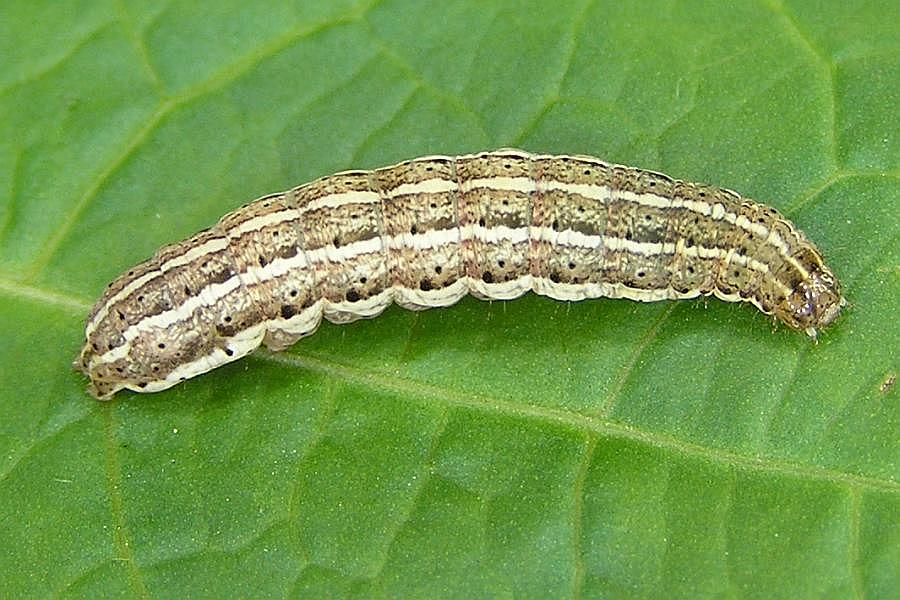
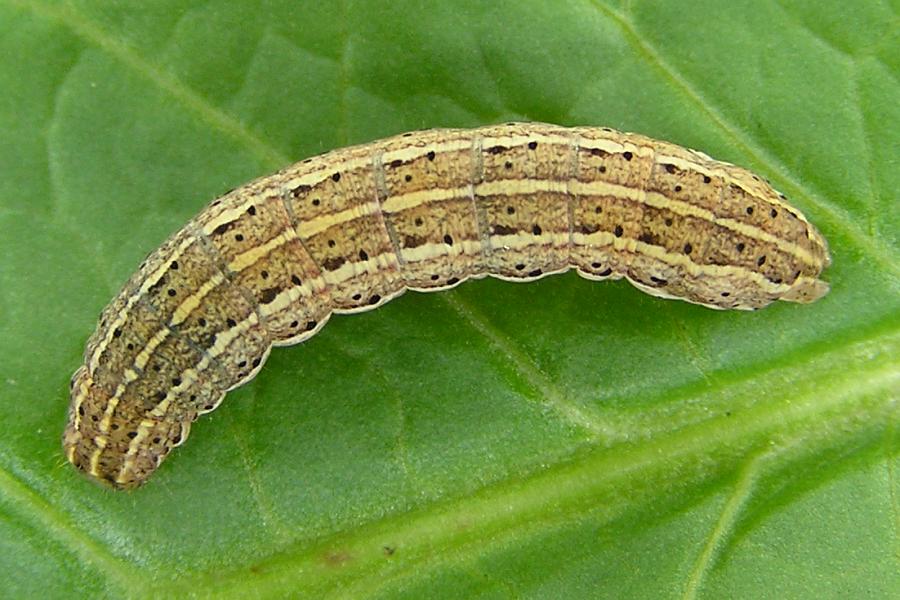
1.2. Raupe
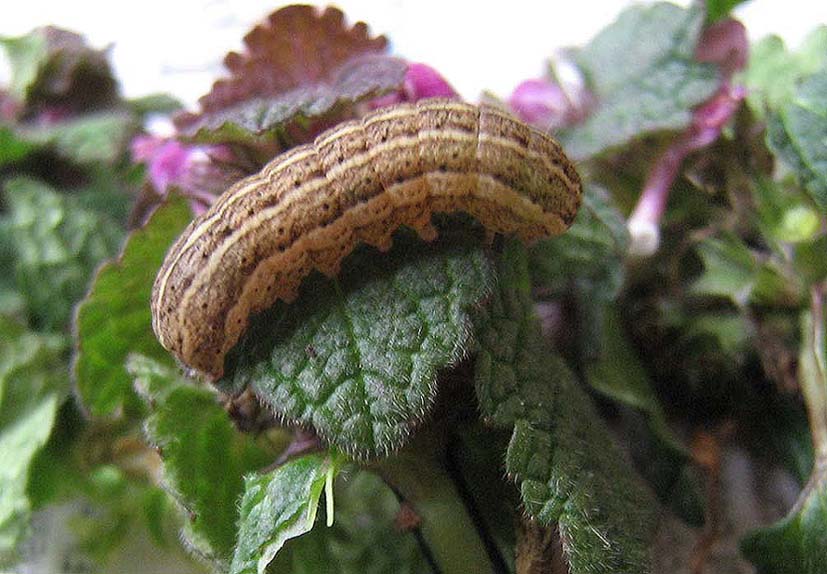

1.3. Jüngere Raupenstadien
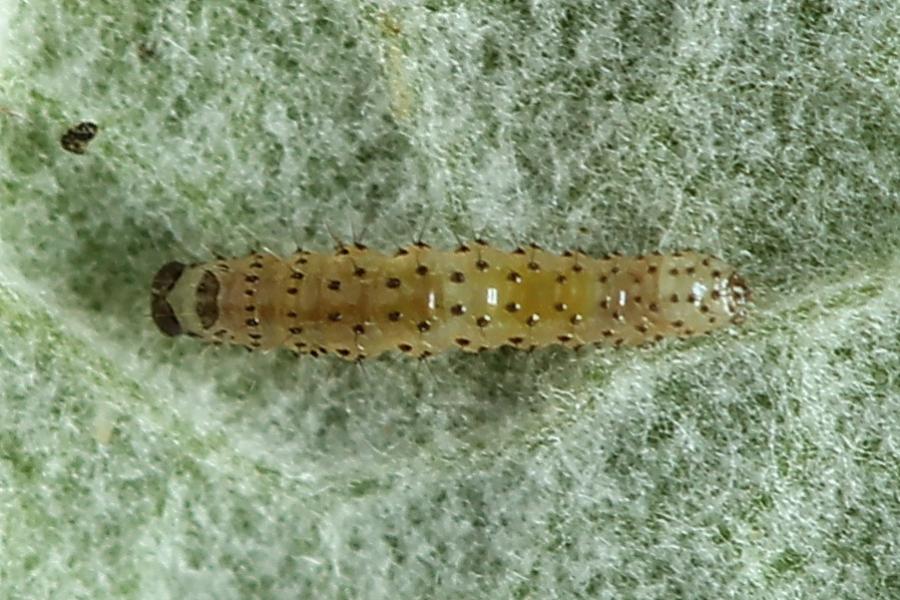
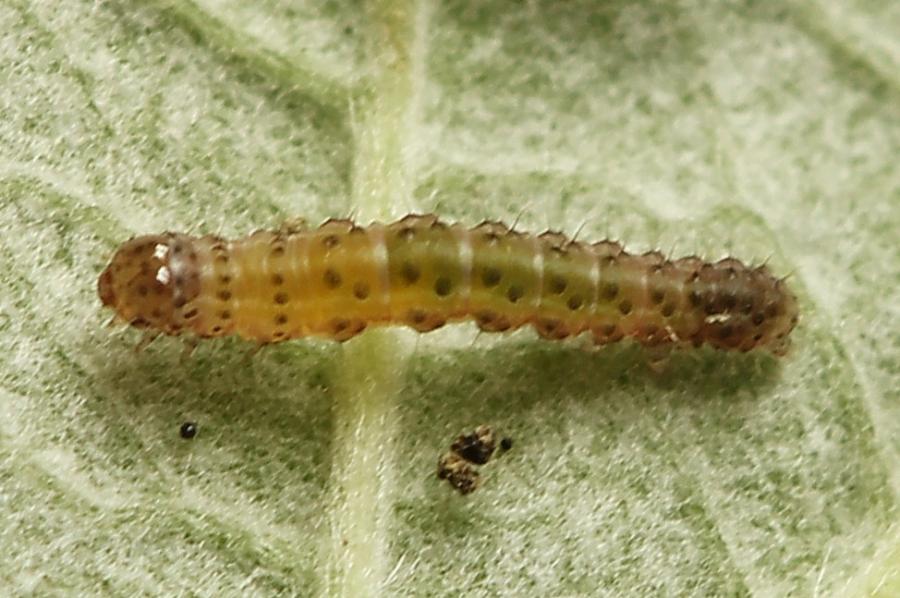
1.4. Puppe
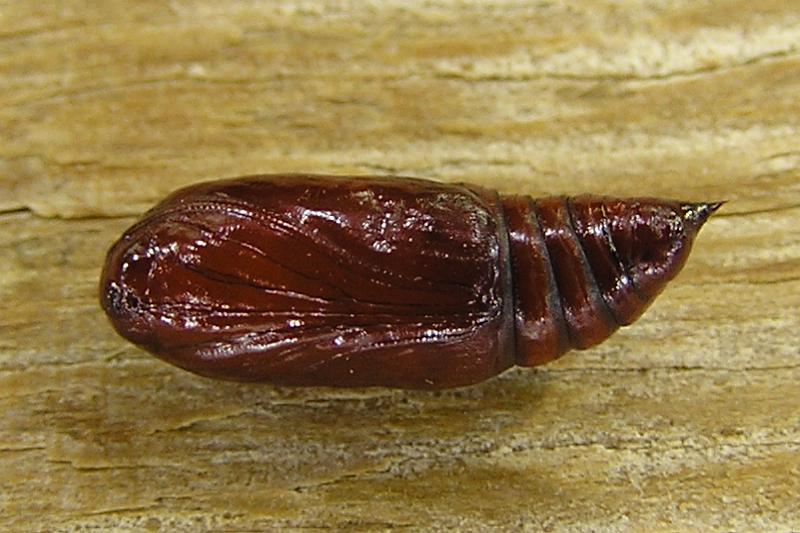
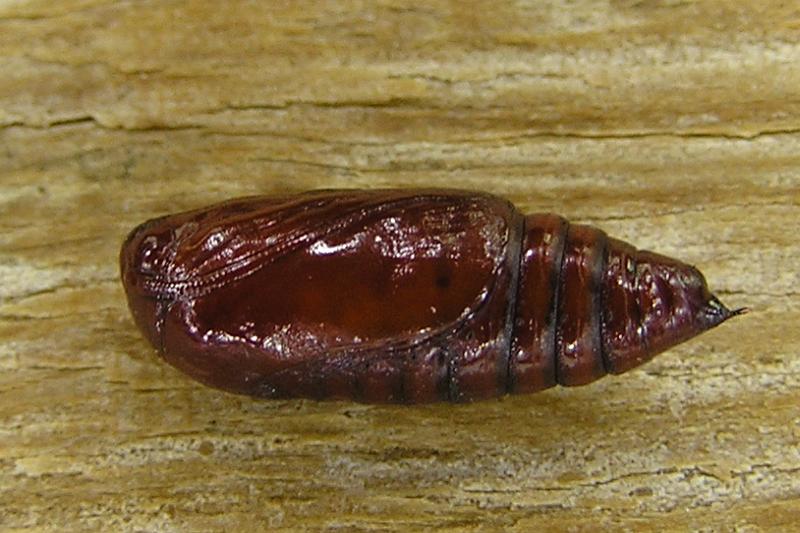
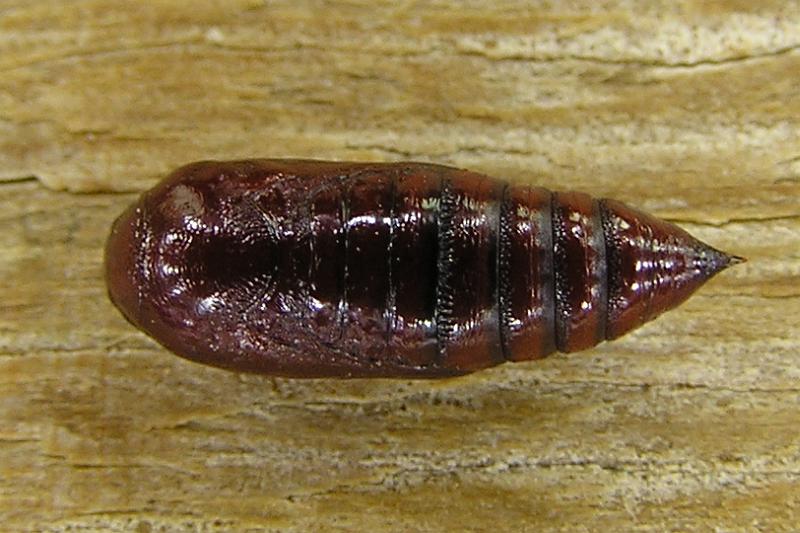
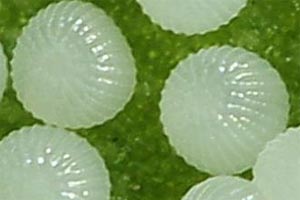
1.5. Ei
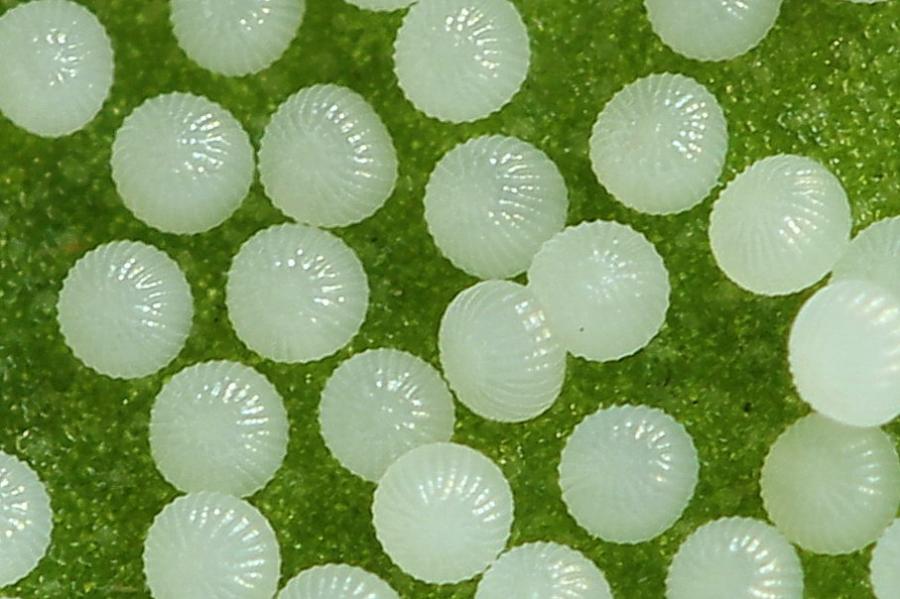
2. Diagnose
2.1. Männchen


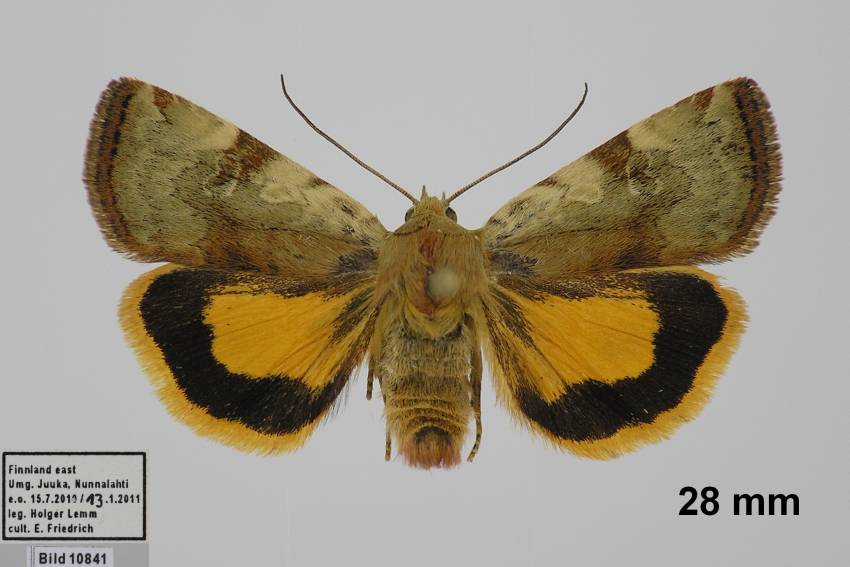
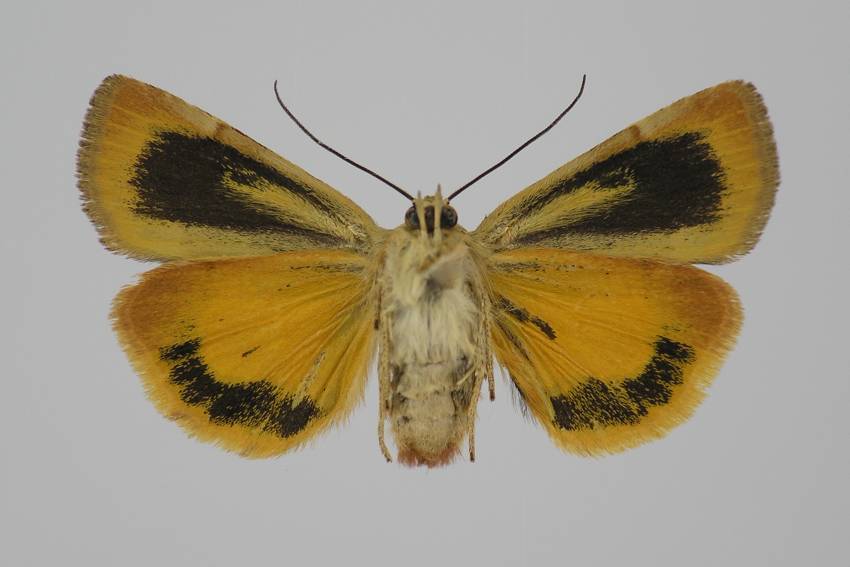
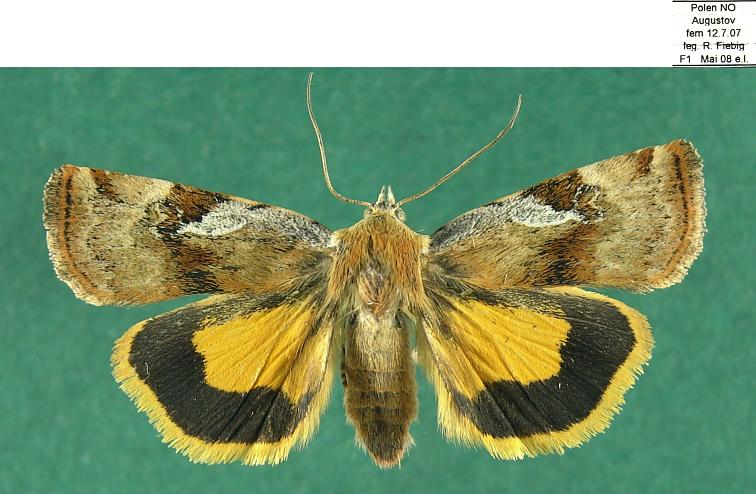
2.2. Weibchen
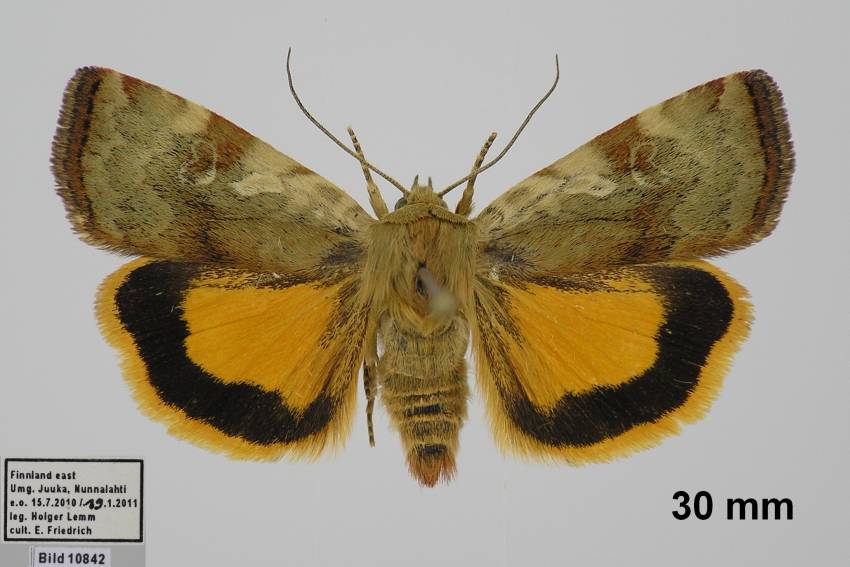
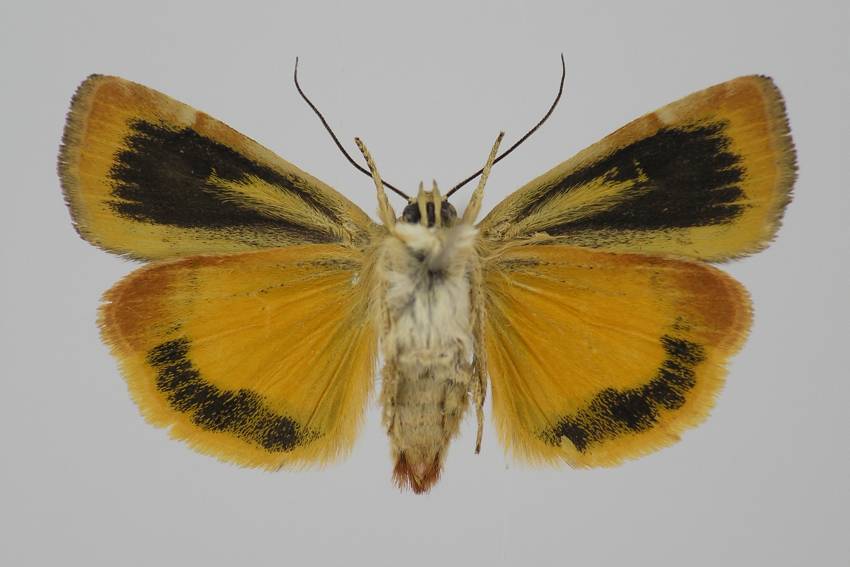
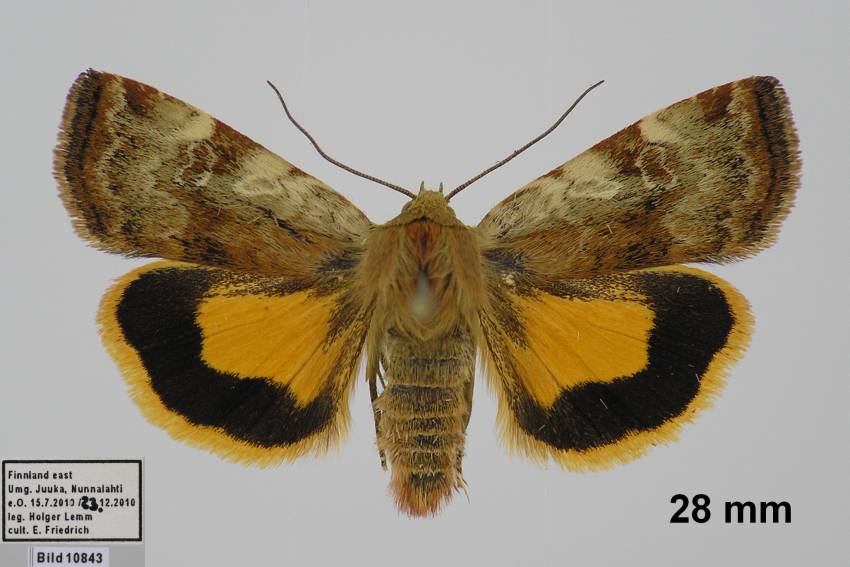
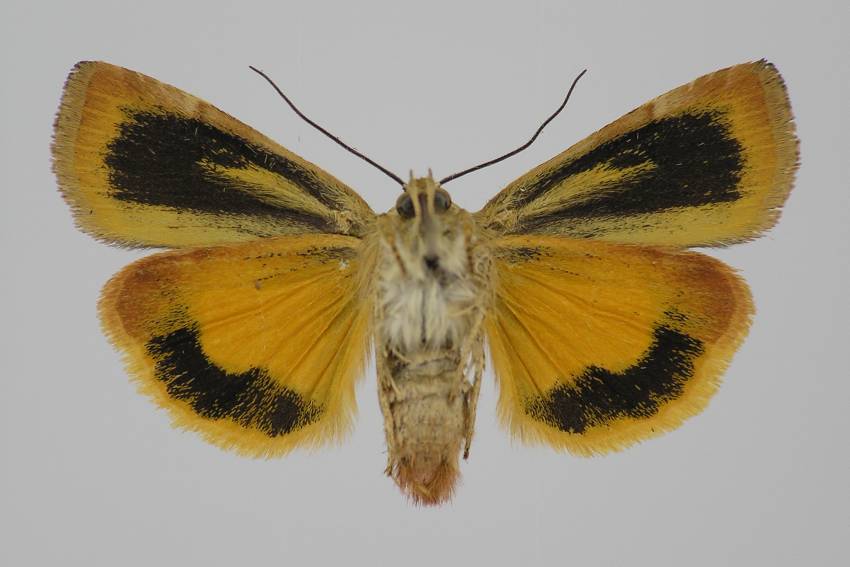
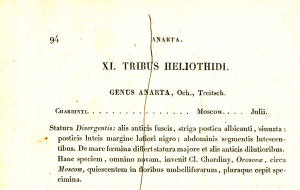
2.3. Erstbeschreibung

3. Weitere Informationen
3.1. Etymologie (Namenserklärung)
Nach Chardiny gennant.
3.2. Andere Kombinationen
- Anarta chardinyi Boisduval, [1828] [Originalkombination]
- Cryptocala chardinyi (Boisduval, [1828]) [bis Nedumpally et al. (2025) übliche Kombination]
3.3. Synonyme
- Triphaena hetaera Eversmann, 1837
3.4. Taxonomie
Nedumpally et al. (2025: 15) kamen in ihrer umfangreichen genetischen Studie - unter Einbeziehung diverser Gene der Kern-DNA - zum eindeutischen Schluss, dass die bisherige "Cryptocala chardinyi" zusammen mit "Epilecta linogrisea" und allen anderen Noctua-Arten Schwester zu Noctua pronuba ist und damit in Noctua integriert werden muss: "Third, a small genus Cryptocala Benjamin, 1921 (type species: Agrotis gilvipennis Grote, 1874) was also recovered within the broad concept of Noctua as sister to the clade comprising N. interjecta Hübner, 1803, N. janthe (Borkhausen 1792) and N. janthina Denis & Schiffermüller, 1775, with maximum statistical support (Figure 3). Species of Cryptocala are characterised by small size in comparison to most Noctua species (e.g., Fibiger, 1993;Topetal.,2023), which may be attributed to their partially diurnal lifestyle (e.g., Tammaru et al., 2018; Varga et al., 2013). The male genitalia of Cryptocala are characterised by a rounded cucullus, which is a condition not seen in Noctua spp. (Fibiger, 1997).The female genitalia of Cryptocala are of general noctuine type (Fibiger, 1997), and thus it is hard to draw any phylogenetic conclusion from their structure. Considering how deep within Noctua we recovered Anarta chardinyi Boisduval, 1829, widely known as Cryptocala chardinyi (Boisduval, 1829) in recent European literature (e.g., Aarvik et al., 2017; Fibiger, 1997; Top et al., 2023) (Figure 4o), and how variable the structure of the male genitalia in Noctua is, it is fully justified to treat Cryptocala as a junior subjective synonym of Noctua (syn. rev.), which results in the combination N. chardinyi (Boisduval, 1829) (comb. rev.) for its only European species. This view gains further support from a recent DNA barcode analysis of Sisson et al. (2023), who also recovered Cryptocala, including its Nearctic type species A. gilvipennis (= Cryptocala acadiensis Bethune, 1870), well inside Noctua."
(Autor: Erwin Rennwald)
3.5. Publikationsdatum der Erstbeschreibung
Nach Scudder (1899: 153) erschien der Band am 22. November 1828.
(Autor: Jürgen Rodeland)
3.6. Literatur
- Erstbeschreibung: Boisduval, J. A. „1829“ [1828]: Europæorum lepidopterorum index methodicus. Pars prima, sistens genera Papilio, Sphinx, Bombyx et Noctua Lin.: 1-103. Parisiis (Méquignon-Marvis). [Digitalisat auf e-rara.ch]
- Nedumpally, V., Zilli, A., Yapar, E., Tammaru, T., Lemmon, A.R. & E. Õunap (2025): Elaborating the phylogeny of Noctuidae by focusing on relationships between northern European taxa. — Systematic Entomology. 2025;e70010: 1-25. https://doi.org/10.1111/syen.70010.
- Scudder, S. H. (1899): Dates of issue of some of Boisduval's works. — Psyche, a Journal of Entomology 8: 153-154. [Digitalisat auf biodiversitylibrary.org]