+19Kontinente:EUAS


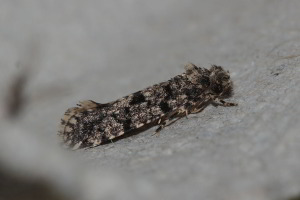
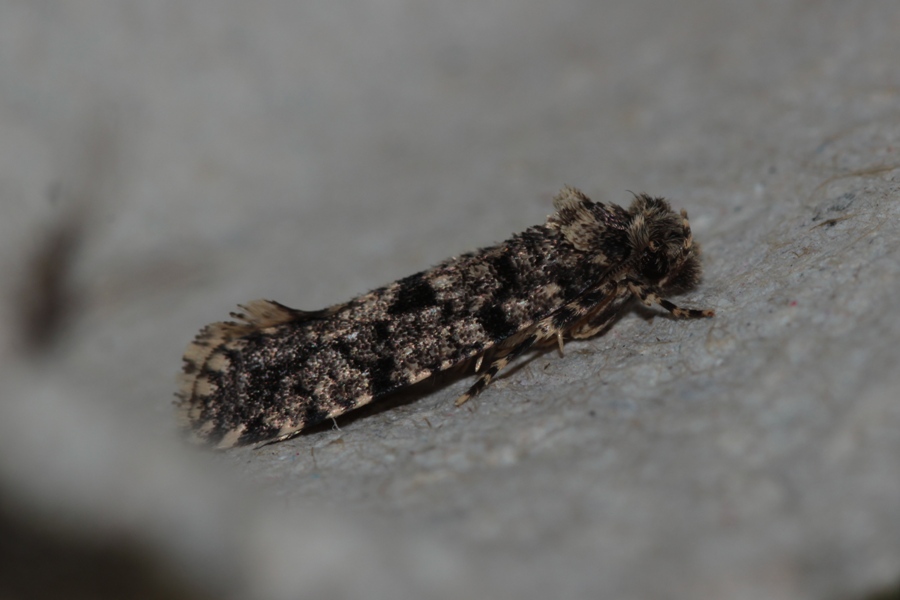
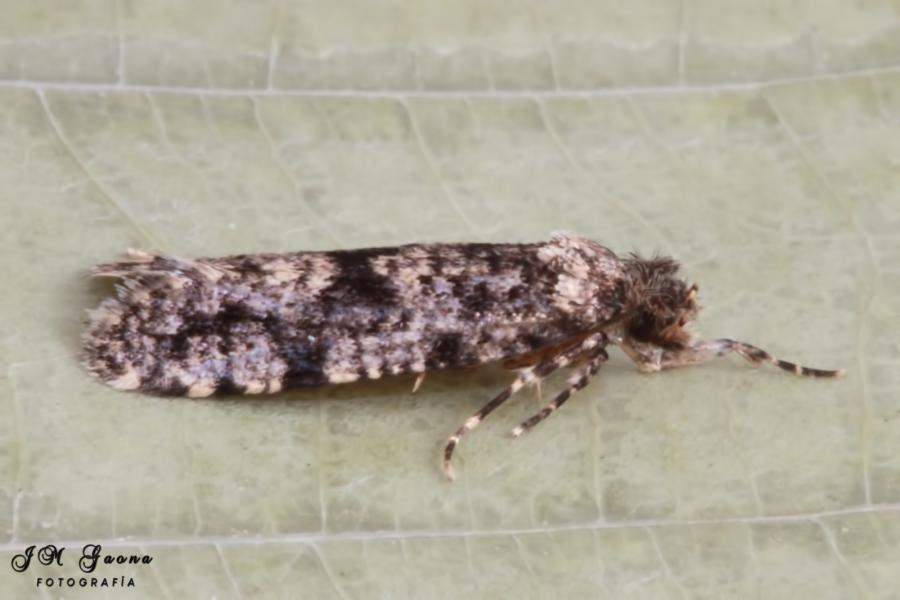
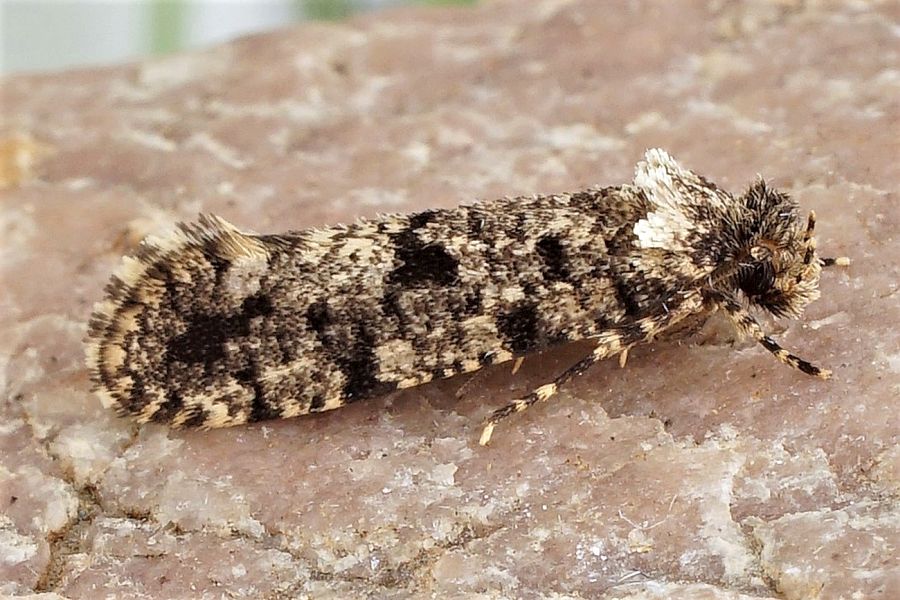
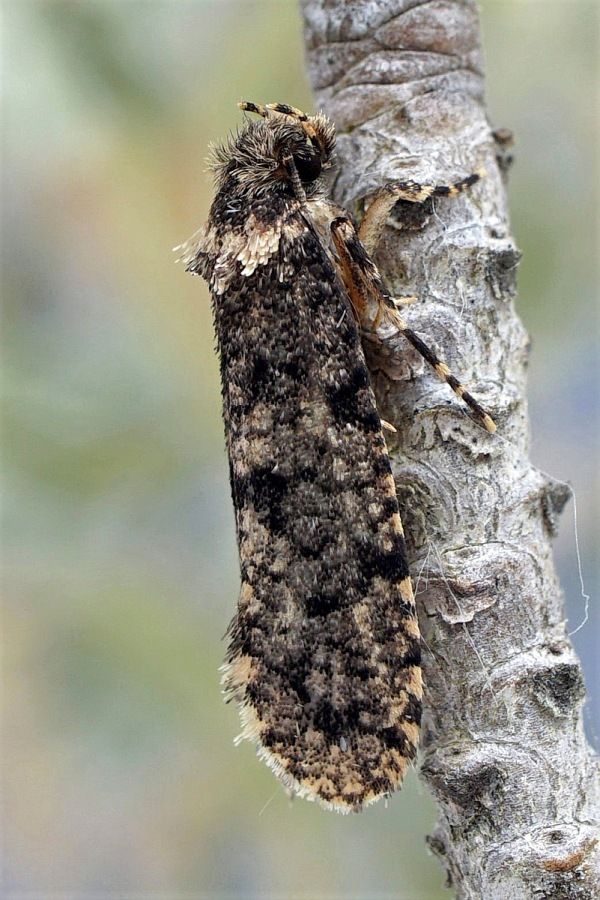
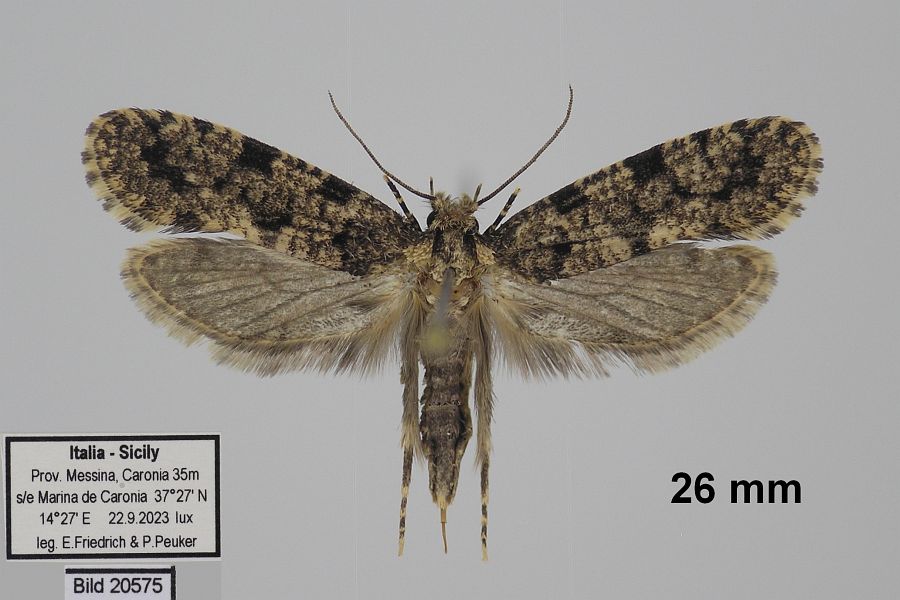
1. Lebendfotos
1.1. Falter


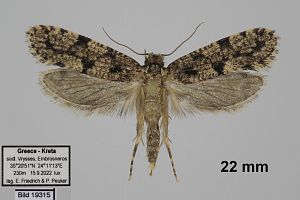
2. Diagnose
2.1. Weibchen
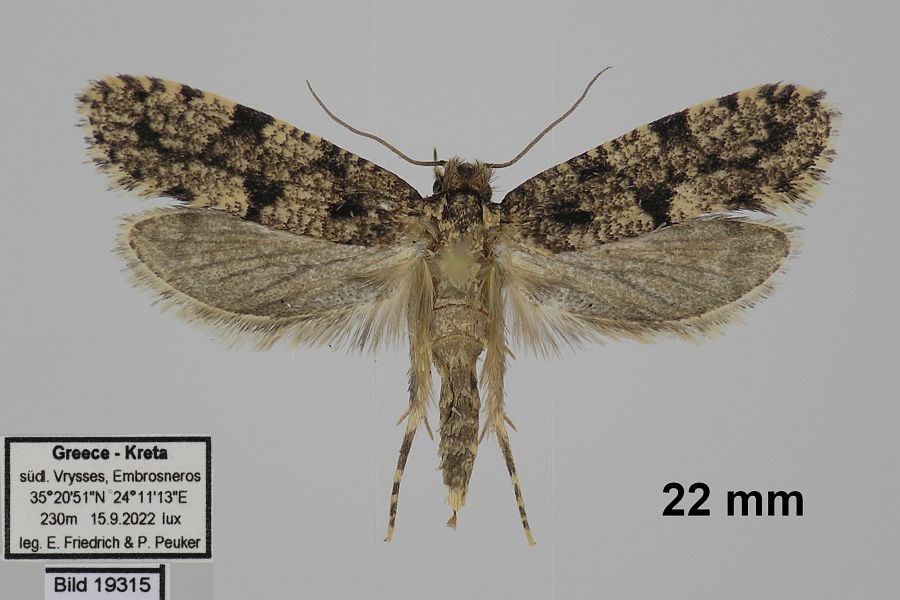
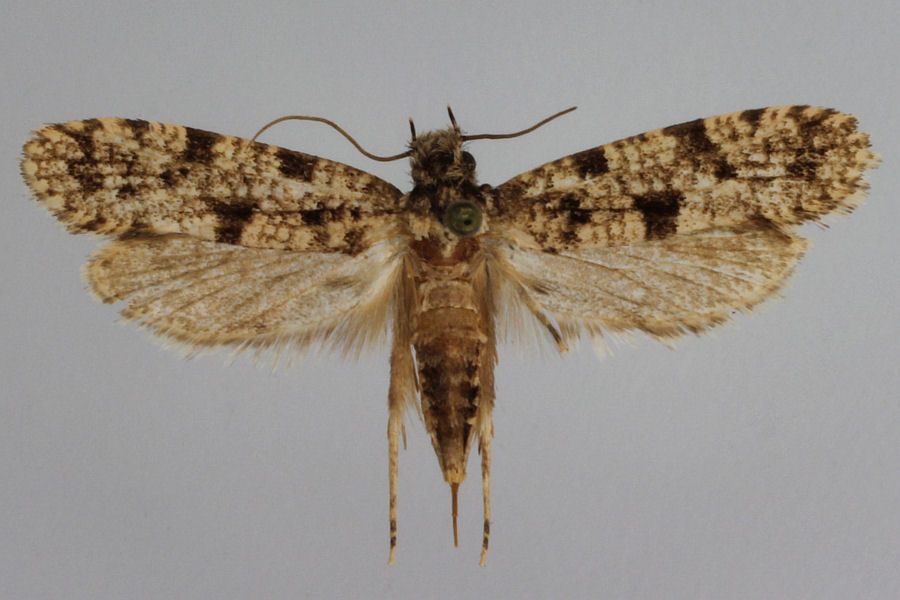
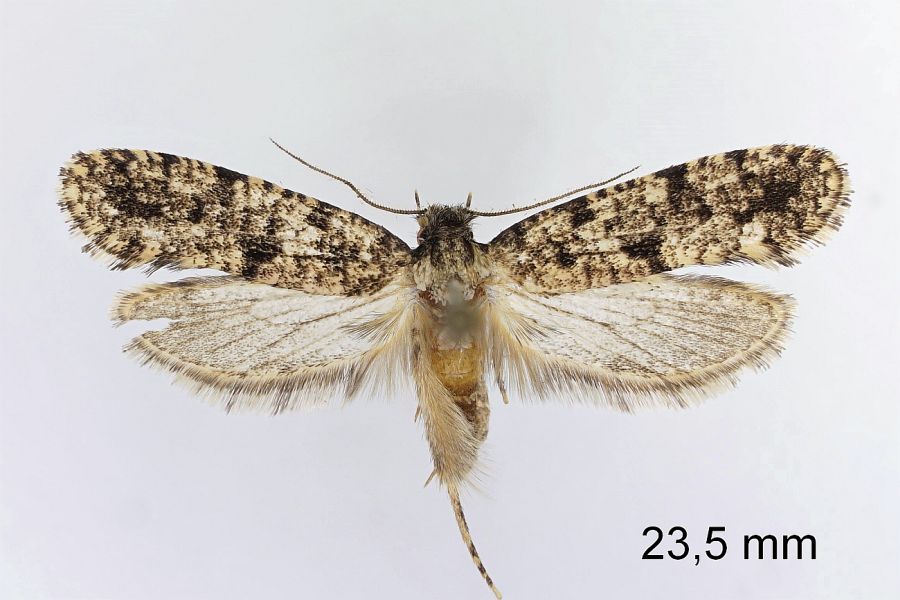
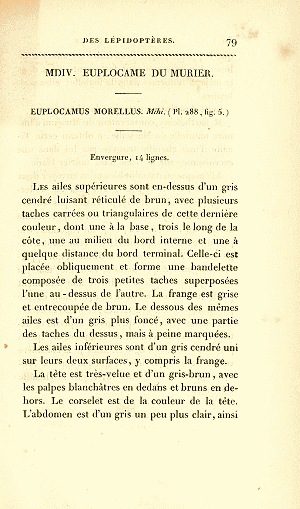
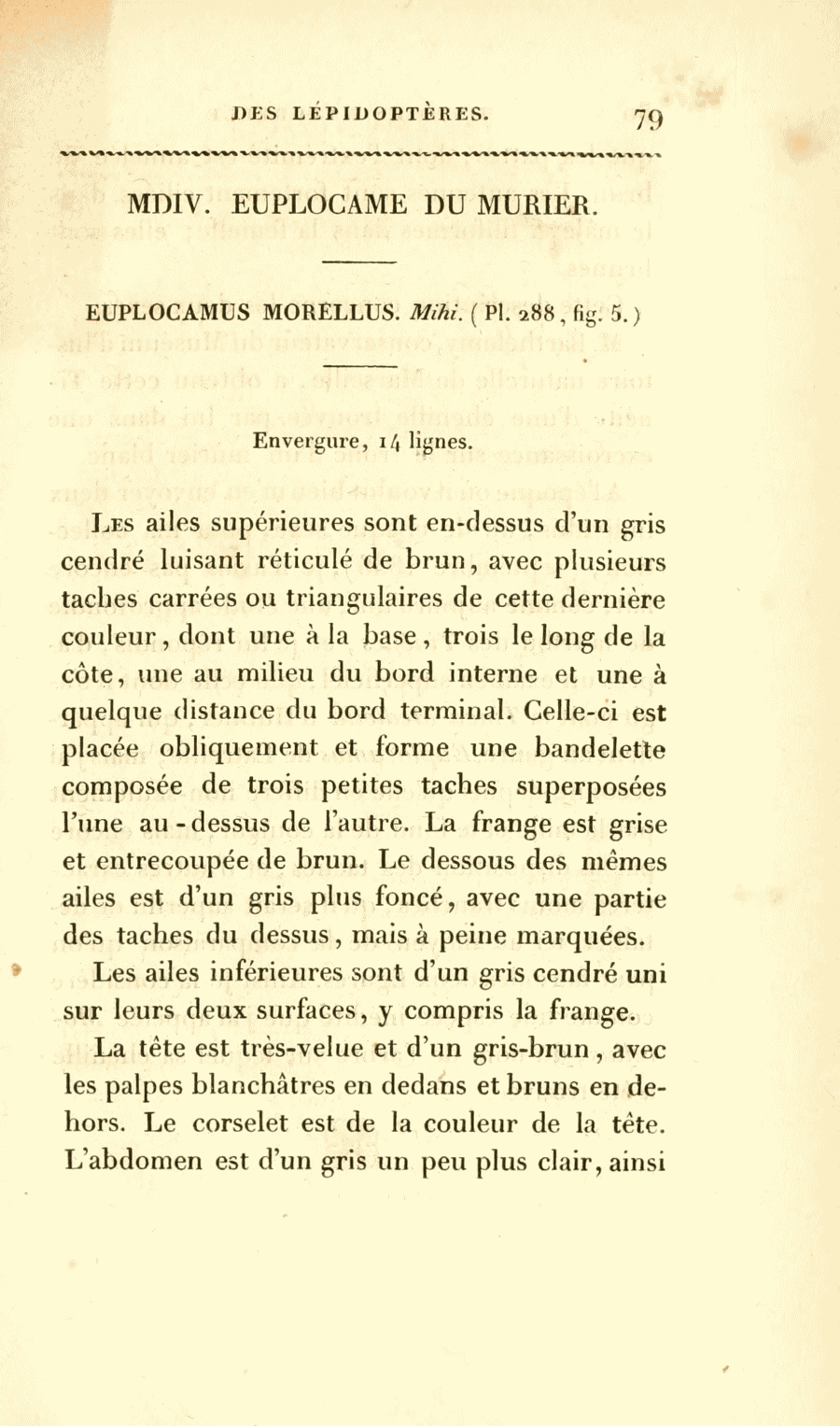
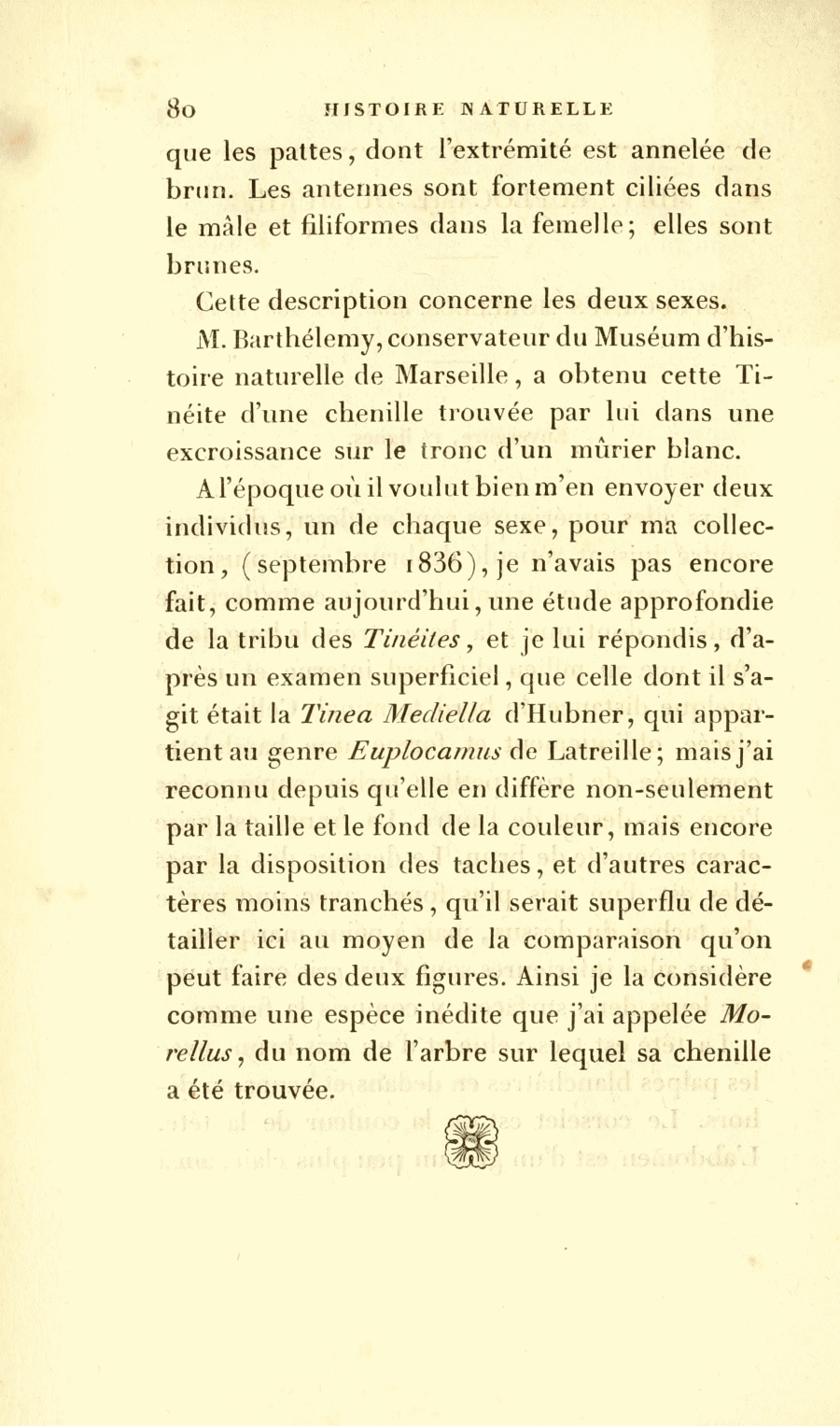
2.2. Erstbeschreibung



4. Weitere Informationen
4.1. Abweichende Schreibweisen
- Morophaga morella (Duponchel, 1838) [so auch in der Fauna Europaea, last update 29 August 2013, version 2.6.2]
4.2. Andere Kombinationen
- Euplocamus morellus Duponchel, 1838 [Originalkombination]
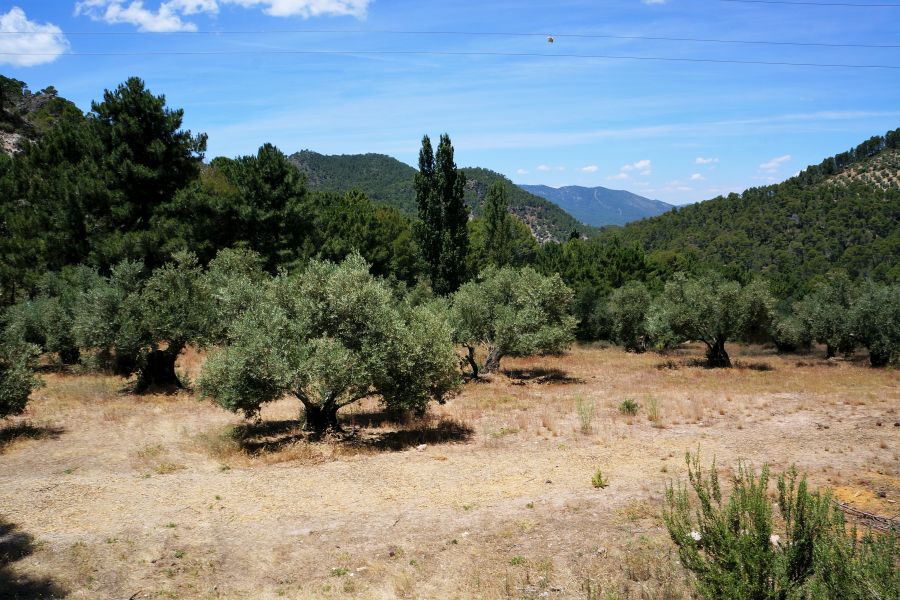
4.3. Faunistik
Gaedike (2019: 240) meldete: "New records. Hungary and Montenegro (Szabóky, 2012); Israel: 1♀, Golan Heights, Masd el Shams, 26.viii.2000, oak forest, leg. T. Pavliček, NMPC." Szabóky (2012: 46) hatte ausführlicher berichtet: "Hódmezõvásárhely, 25.VIII.1959, 1 male, 11.VIII.1960, 1 male, 9.VIII.1963, 1 male, light trap, coll. HNHM; Bugac, Felsõmonostor, 23.VI.2002, 1 male, 25.IX.2003, 1 male, 23.VIII.2005, 1 male, 7.V.2006, 1 male, 16.VII. 2007, 1 male, leg. ERTI light trap, det. & coll. CS. SZABÓKY. – In August 2011 I was visiting the collection of FERENC BUSCHMANN in Jászberény, who called my attention to this overlooked species “hiding” among specimens of Morophaga choragella ([DENIS et SCHIFFERMÜLLER], 1775). In my collection I have found Morophaga morella from Bugac pinned among specimens of Scardia tessulatella (LIENIG et ZELLER, 1846). After the examination of the collection of the HNHM I have discovered further specimens from Hódmezõvásárhely. As already mentioned in the introduction, the species was already reported from Jászberény by BUSCHMANN et al. (2011). Its caterpillar lives inside bracket fungi and detritus. The adult is attracted by artificial light. In the Hungarian checklists (PASTORÁLIS 2011, SZABÓKY et al. 2002) it should be placed after Morophaga choragella ([DENIS et SCHIFFERMÜLLER], 1775). In the HNHM another male specimen was also found, which represents a : Crna Gora (= Montenegro), Beèièi 13.VI. 1972, leg. I. BALOGH (see GAEDIKE 2011)."
(Autor: Erwin Rennwald)
4.4. Publikationsjahr der Erstbeschreibung
Woodward (1922: 379) [Digitalisat auf biodiversitylibrary.org] teilt die Publikationsjahre des Bandes mit: 1-240 (mit ?) und pl. 287-296 1838, 241-432 (mit ?) und pl. 297-302 1939, 433-720 (mit ?) und pl. 303-314 1840.
(Autor: Jürgen Rodeland)
4.5. Literatur
- Erstbeschreibung: Duponchel, P.-A.-J. (1838-[1840]): Histoire naturelle des lépidoptères ou papillons de France. Tome onzième: 1-720, pl. CCLXXXVII-CCCXIV. Paris (Méquignon-Marvis).
- Gaedike, R. (2019): Tineidae II (Myrmecozelinae, Perissomasticinae, Tineinae, Hieroxestinae, Teichobiinae and Stathmopolitinae). — In: Karsholt, O., Mutanen, M. & M. Nuss (2019): Microlepidoptera of Europe 9: I-XXIII, 1-248. Leiden – Boston (Brill).
- Huertas-Dionisio, M. (2020): Estados inmaturos de Lepidoptera (LVIII). Morophaga morellus (Duponchel, 1838) en Huelva, España (Lepidoptera: Tineidae, Scardiinae). — SHILAP Revista de lepidopterología 48 (189): 89-94. [PDF auf redalyc.org]
- Petersen, G. & R. Gaedike (1984): Beitrag zur Kenntnis der Tineidenfauna des Vorderen und Mittleren Orients (Tineidae, Lep.). — Acta Faunistica Entomologica Musei Nationalis Pragae 17: 185-212. [PDF auf www.aemnp.eu]
- Szabóky, C. (2012): New data to the Microlepidoptera fauna of Hungary, part XIV (Lepidoptera: Tineidae, Gracillariidae, Gelechiidae, Crambidae). — Folia Entomologica Hungarica, 73: 45−51. [PDF auf folia.nhmus.hu]
- Woodward, B. B. (1922): Catalogue of the Books, Manuscripts, Maps and Drawings in the British Museum (Natural History). Vol. VI. Supplement: A–I: i-iv, 1-511, 1-48. London.