+5Kontinente:EUAF


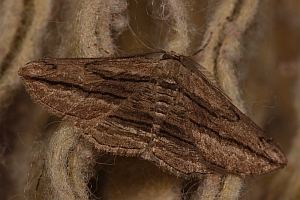
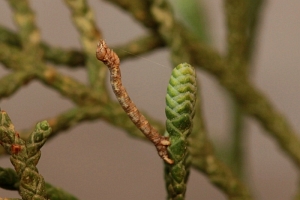
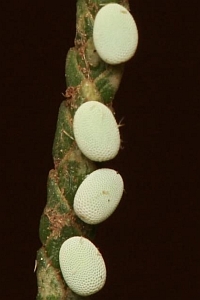
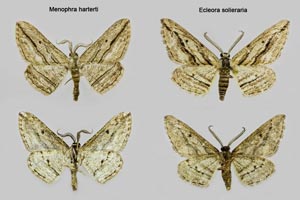
1. Lebendfotos
1.1. Falter

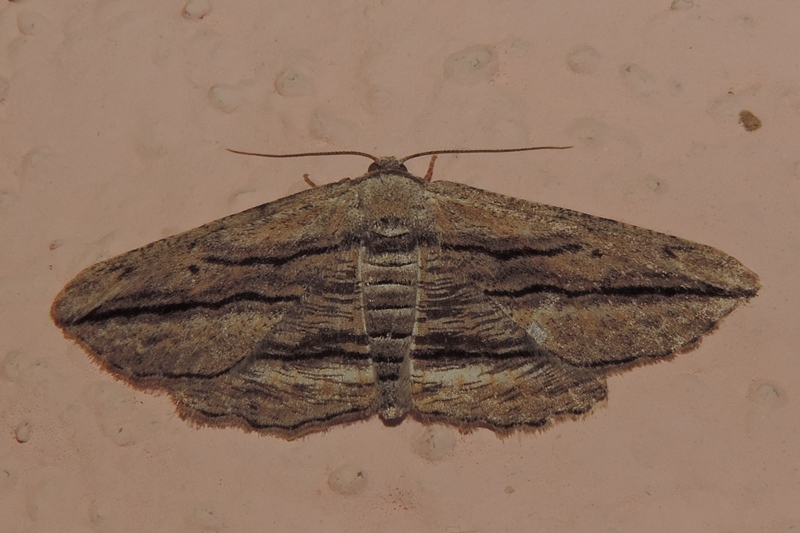
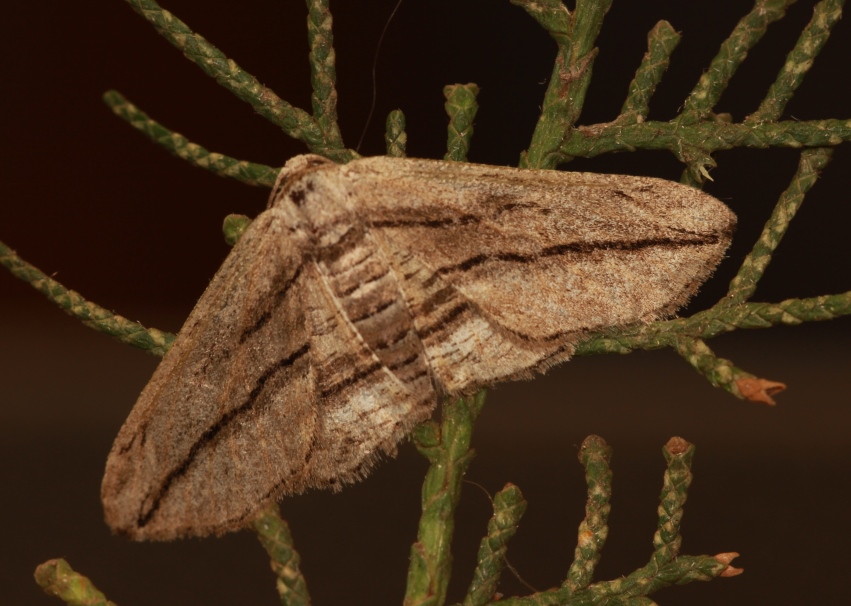
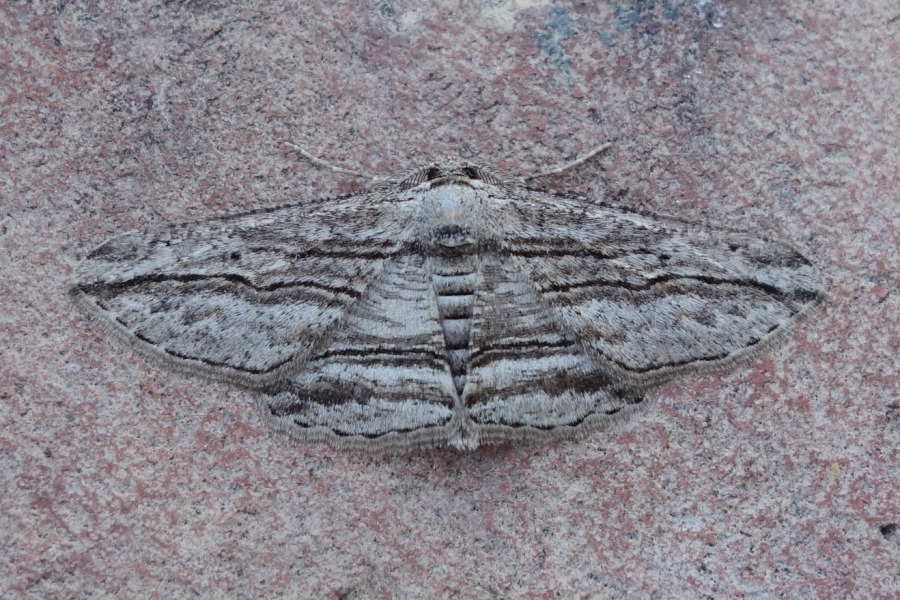
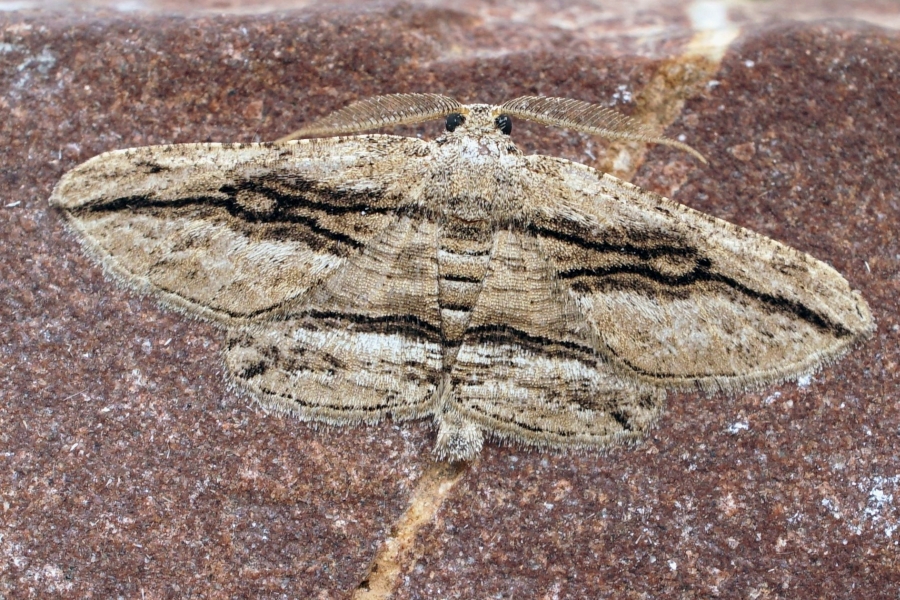
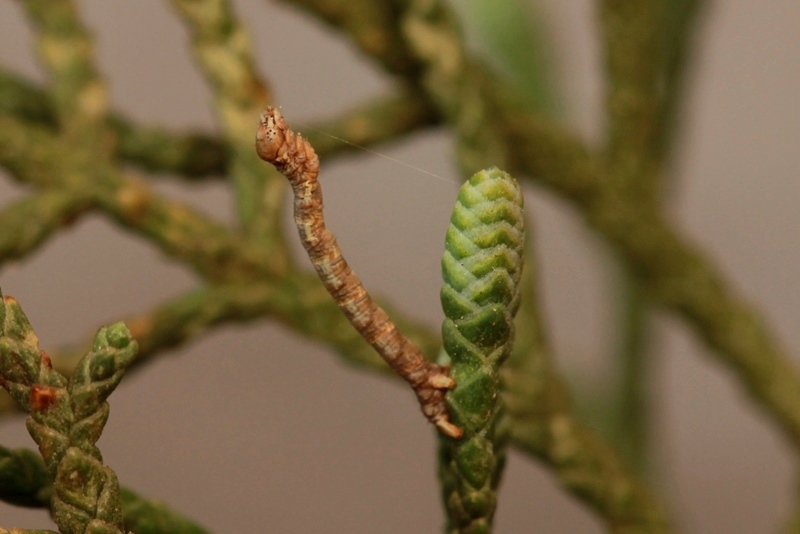
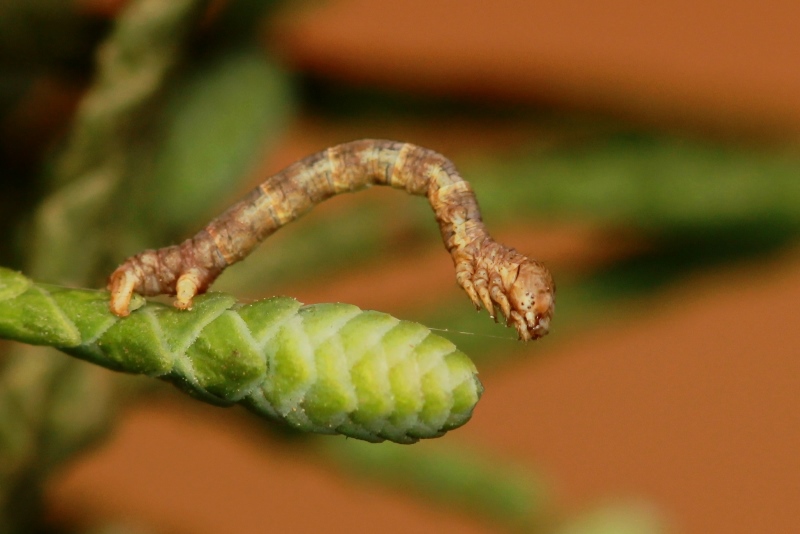
1.2. Raupe
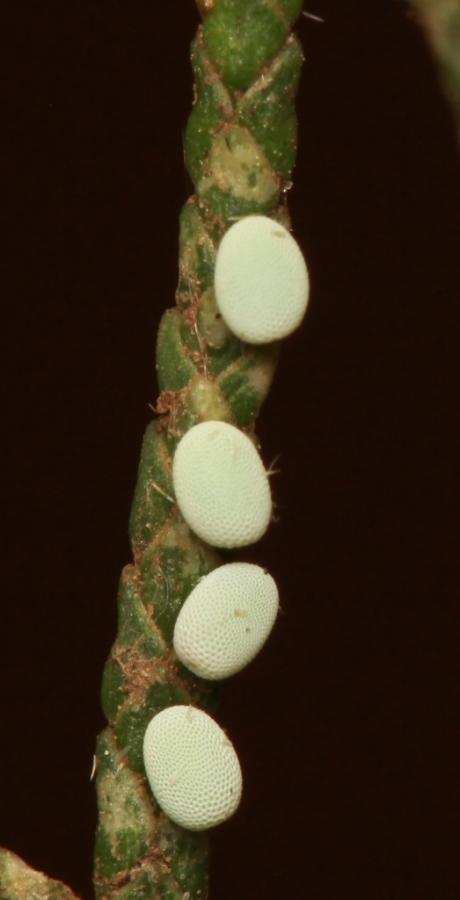
1.3. Ei

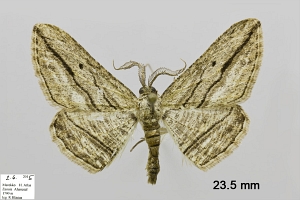
2. Diagnose
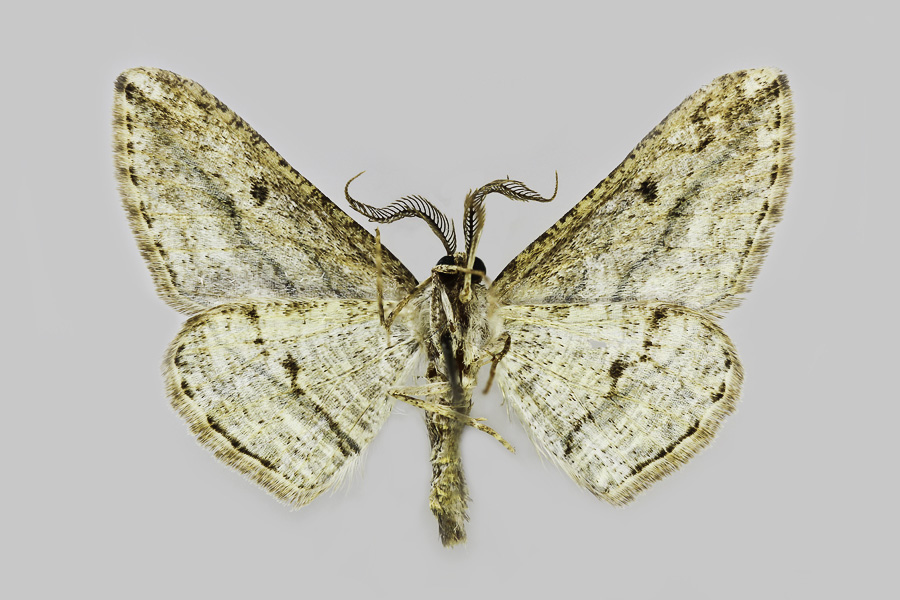
2.1. Männchen


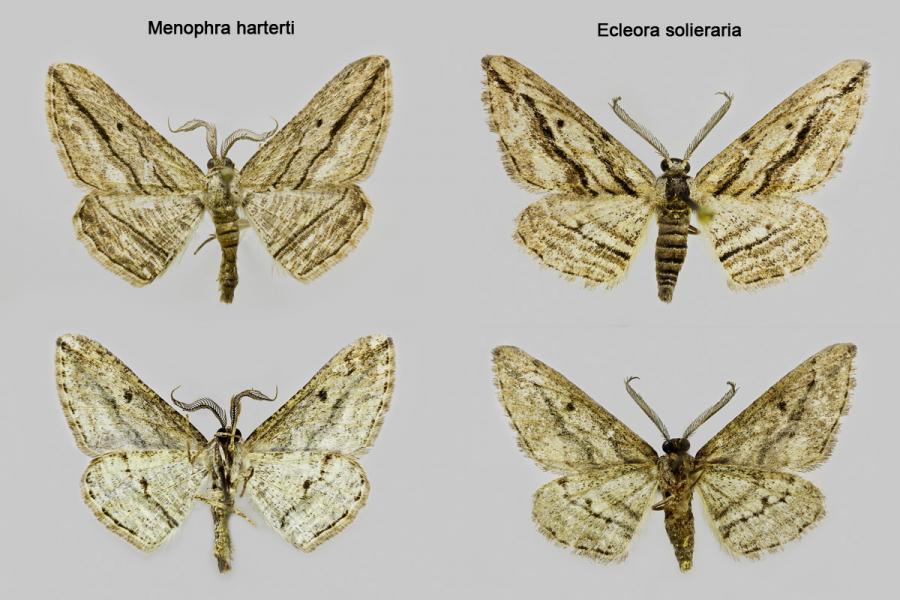
2.2. Ähnliche Arten
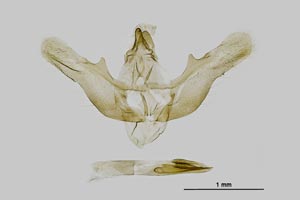
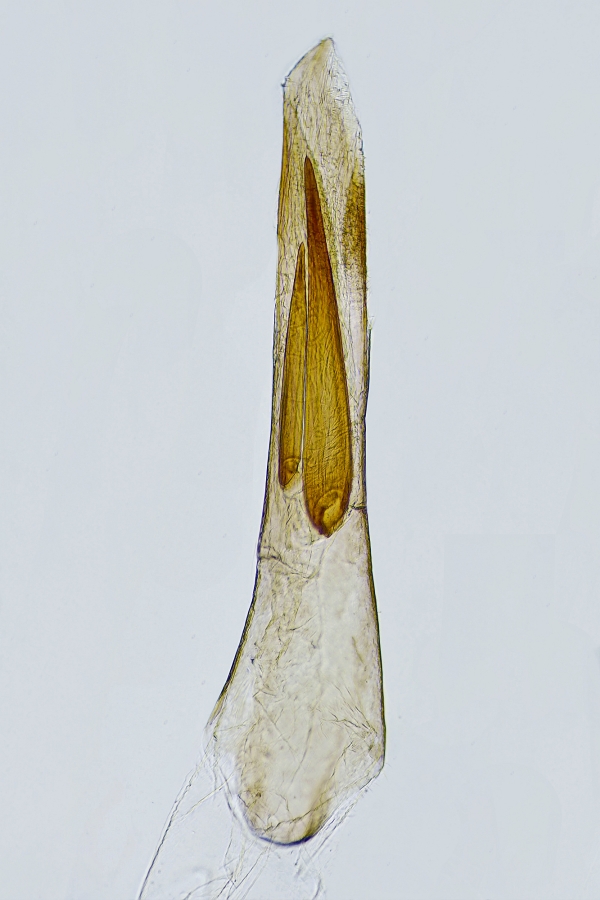
2.3. Genitalien
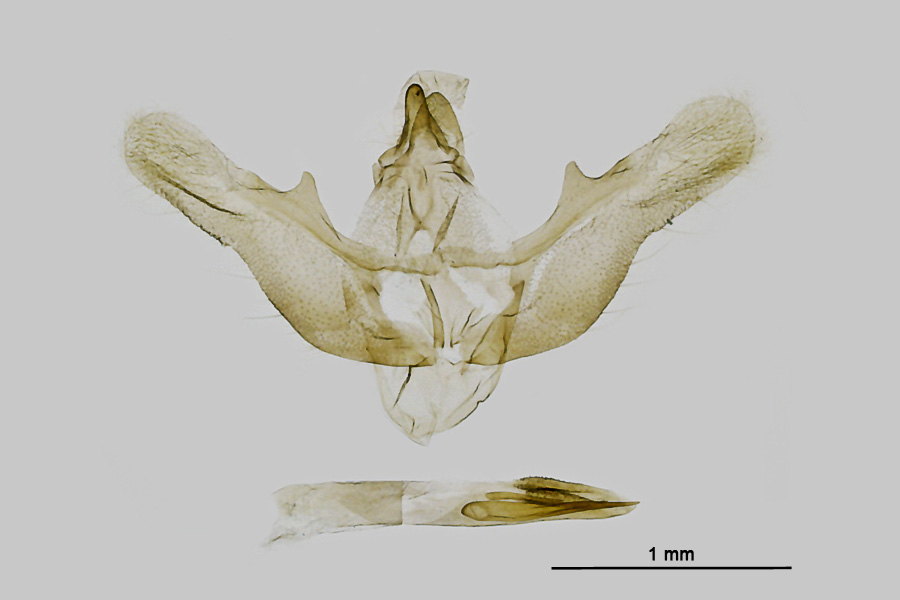
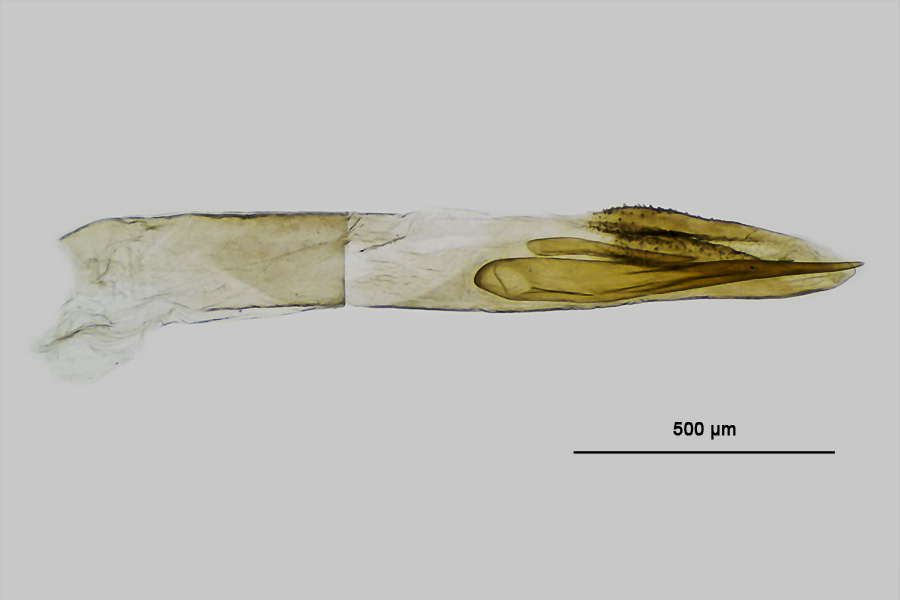
2.3.1. Männchen
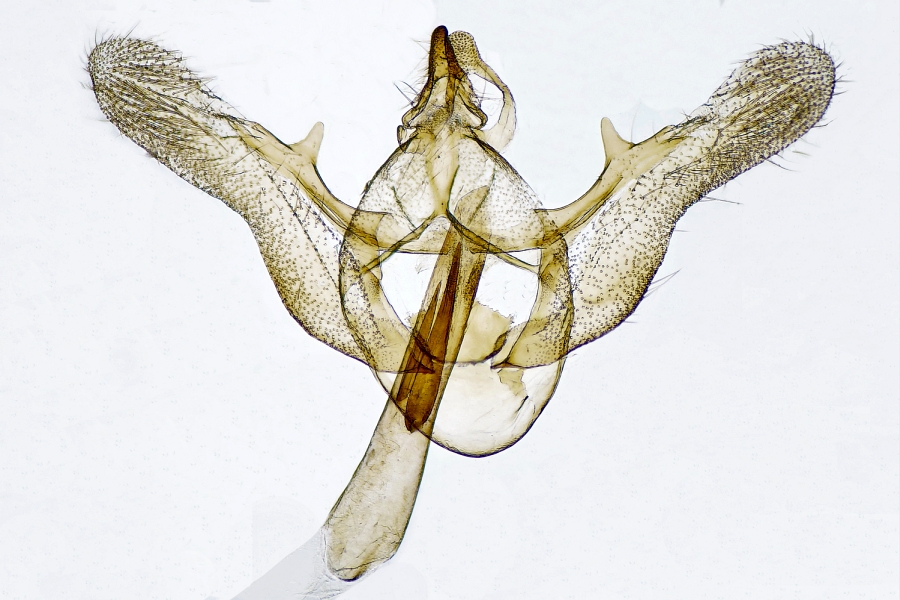
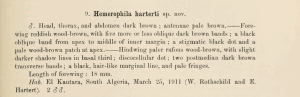
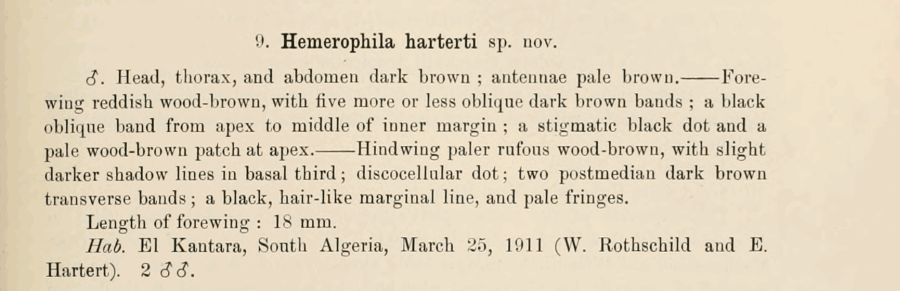
2.4. Erstbeschreibung


4. Weitere Informationen
4.1. Andere Kombinationen
- Hemerophila harterti Rothschild, 1912 [Originalkombination]
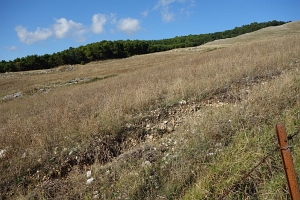
4.2. Faunistik
Die Art wurde aus Nordafrika beschrieben. Die europäischen Tiere (Spanien, Süd-Frankreich, Sardinien) wurden lange unter dem Namen ssp. thuriferaria (Zerny 1927) zusammengefasst. Müller et al. (2019) wiesen den spanischen Tieren Artrecht zu, da sie sich genetisch sehr deutlich (8,0 %!) von den Tieren aus Nordafrika und aus Sardinien unterscheiden: Menophra thuriferaria. Die Angabe aus Süd-Frankreich ist generell zweifelhaft.
Grundy & Lopez-Vaamonde (2025) liefern den Erstnachweis von Menophra harterti für Spanien, erwartungsgemäß ganz im Süden (Tarifa) und erwartungsgemäß unter typischen Wanderbedingungen für Insekteneinflug aus Nordafrika. Der Fund vom 31. Mai 2022 nachts wird erläutert: "On the night the moth was recorded, weather conditions were warm (minimum 18°C), with clear skies and a gentle west-to-southwest wind. Weather maps from Ventusky for 00:00 on 1 June 2022 showed airflow originating from the Canary Islands and the Atlantic coast of Morocco near Agadir — an area known to harbor M. harterti populations (Müller et al., 2019; BOLD SYSTEMS, 2025). A cold front approaching from the northwest compressed this air mass, enhancing chances of insect migration toward the Spanish coast (Fig. 3). It is noteworthy that this weather pattern closely resembles the conditions on the night of the first European record of T. dispar, also observed at CIMA, Tarifa, on the 30th of November 2023 (Grundy et al., 2024). [...] This record represents the first documented occurrence of M. harterti on the Iberian Peninsula. While this single observation does not definitively confirm the species' origin, prevailing meteorological conditions — combined with its known presence in the Moroccan coastal area around Agadir — strongly suggest a migratory event from North Africa. Moreover, our Andalusian barcode clusters with three other barcodes from Morocco and one from Tunisia in the haplotype network available on the M. harterti BIN page with a mean intraspecific genetic distance of 1.58%."
(Autor: Erwin Rennwald)
4.3. Literatur
- Grundy, D. & C. Lopez-Vaamonde (2025): First record of Menophra harterti (Rothschild, 1912) (Lepidoptera: Geometridae: Ennominae) for the Iberian Peninsula. — Boletín de la SAE 35: 91-96. [zum PDF-Download auf sae-insectos.or (ganzes Heft oder Einzelartikel)]
- Müller, B., Erlacher, S., Hausmann, A., Rajaei, H., Sihvonen, P. & P. Skou (2019): The Geometrid Moths of Europe. Volume 6. Subfamily Ennominae II (Boarmiini, Gnophini, additions to previous volumes). — Part 1: 1-562, part 2: 563-906. Leiden & Boston (Brill).
- Erstbeschreibung: Rothschild, W. (1912): New Mauretanian Moths. — Novitates zoologicae 19 (1): 125-127.