+29Kontinente:ASAFOC


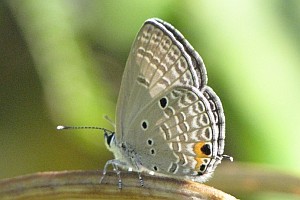
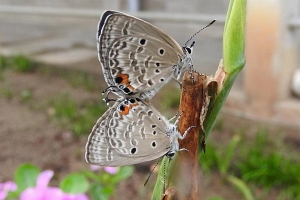
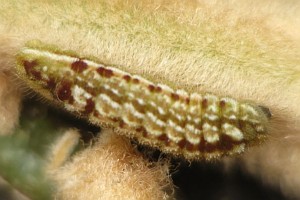
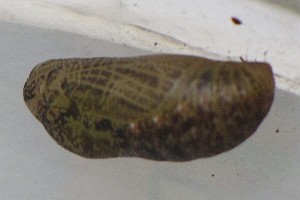
1. Lebendfotos
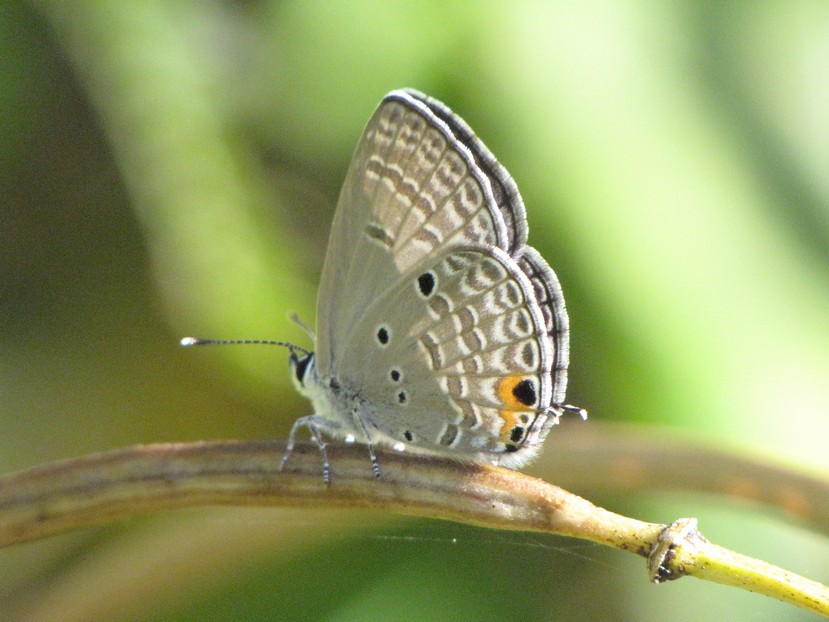
1.1. Falter

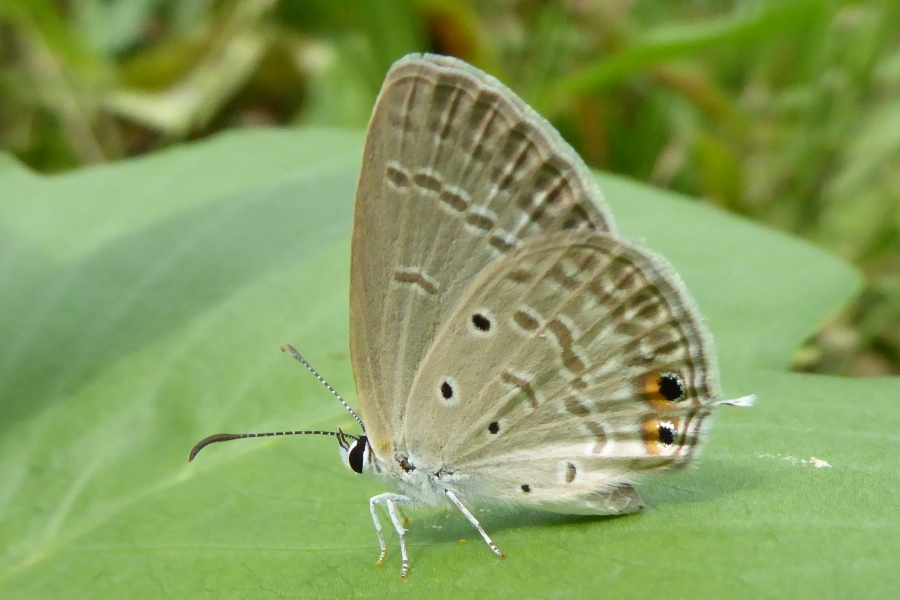

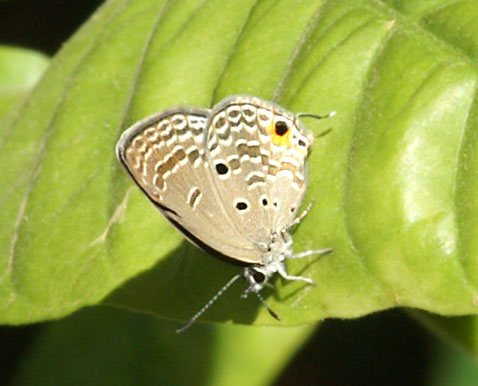
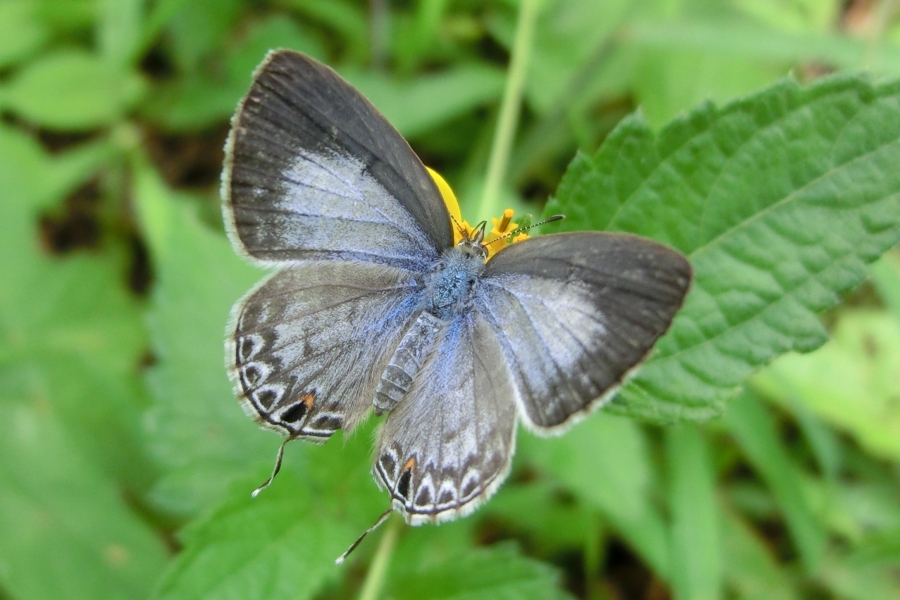

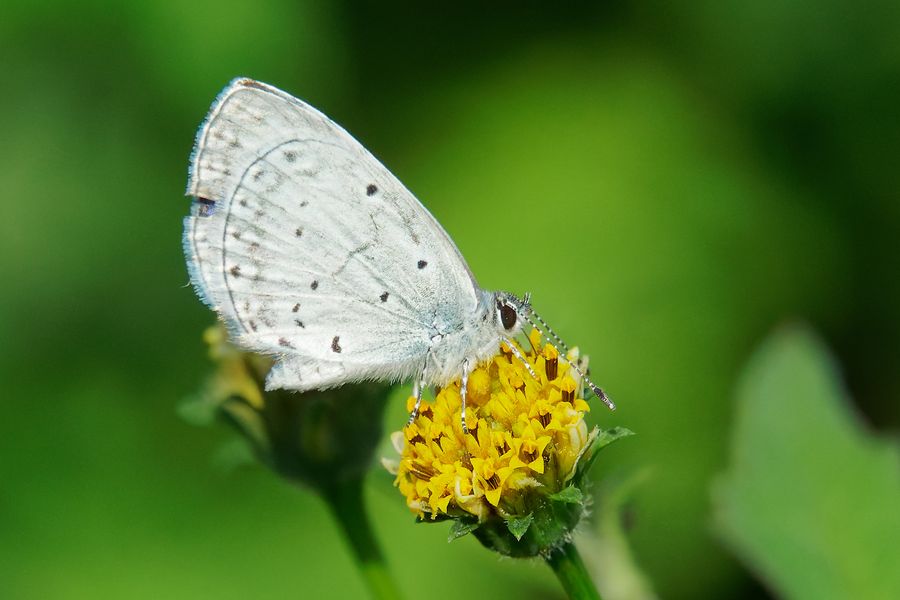
1.2. Kopula
1.3. Raupe
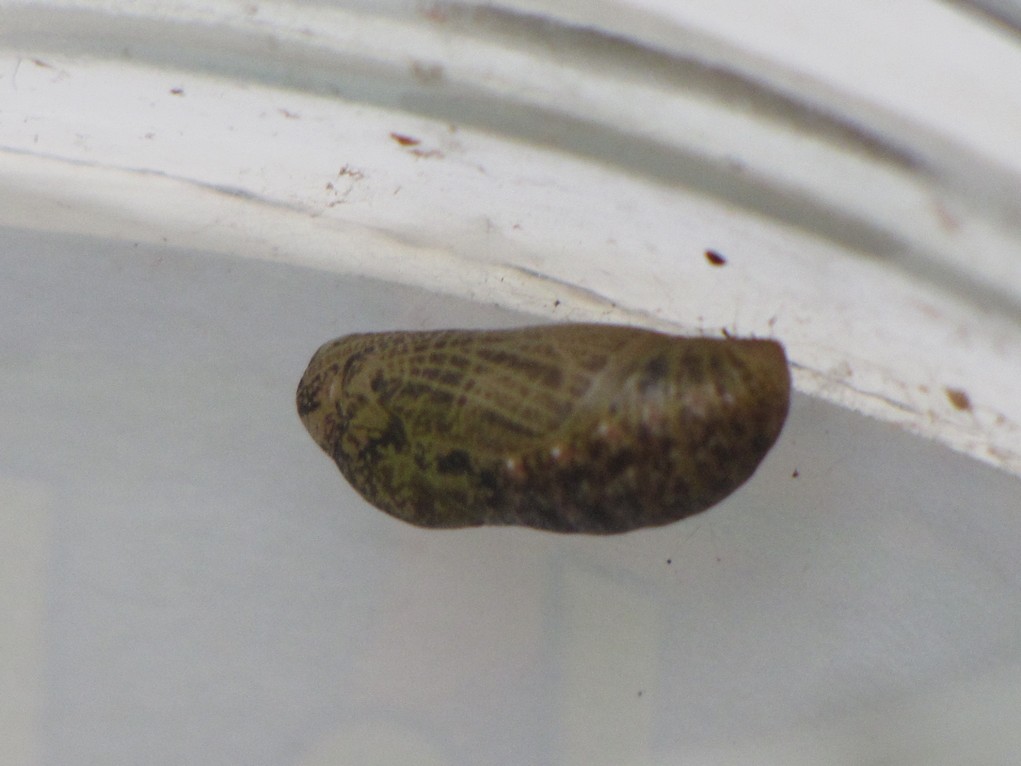
1.4. Puppe
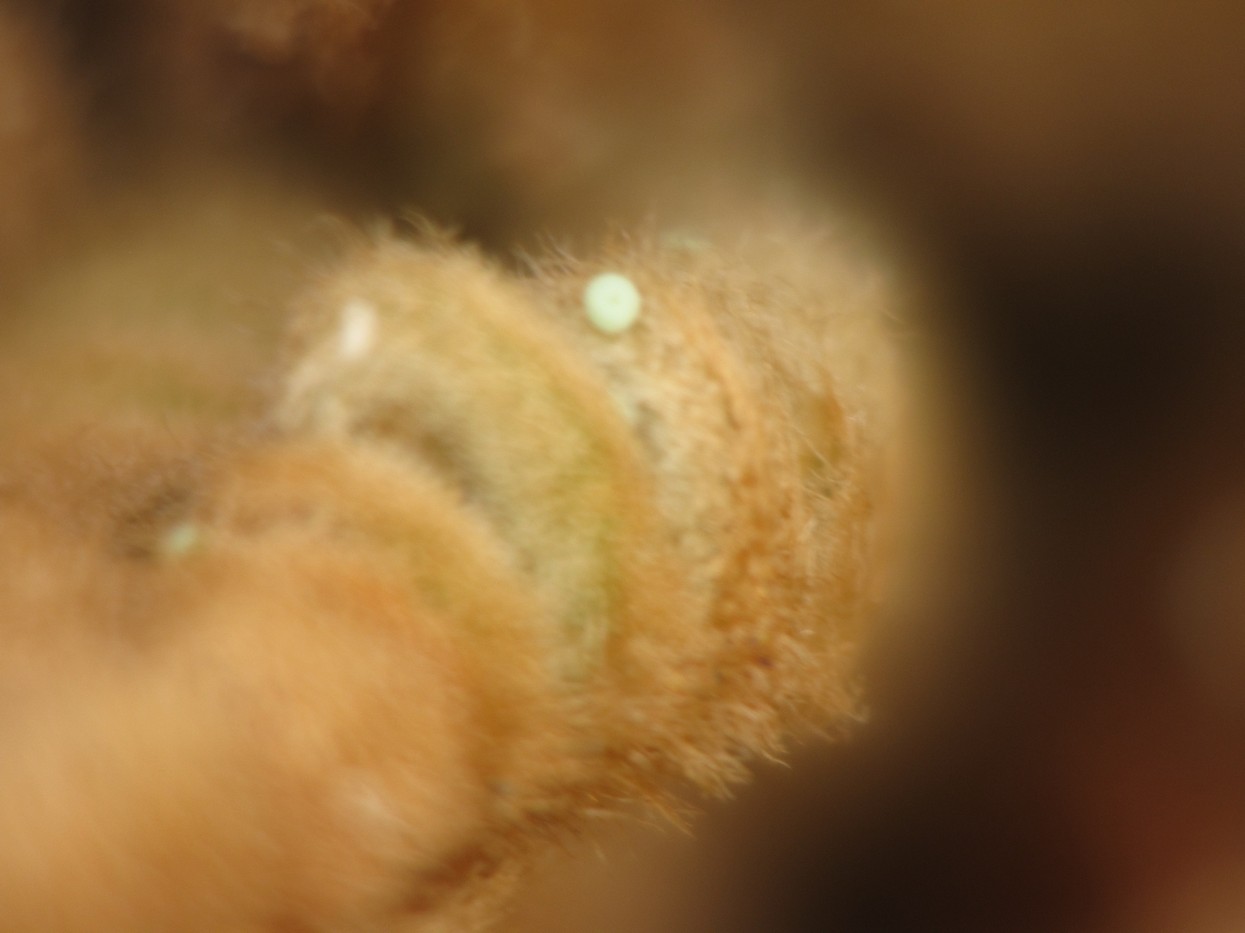
1.5. Ei
2. Diagnose
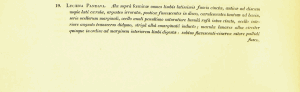
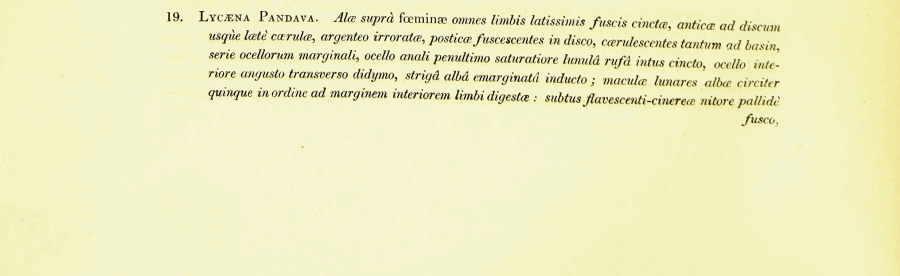
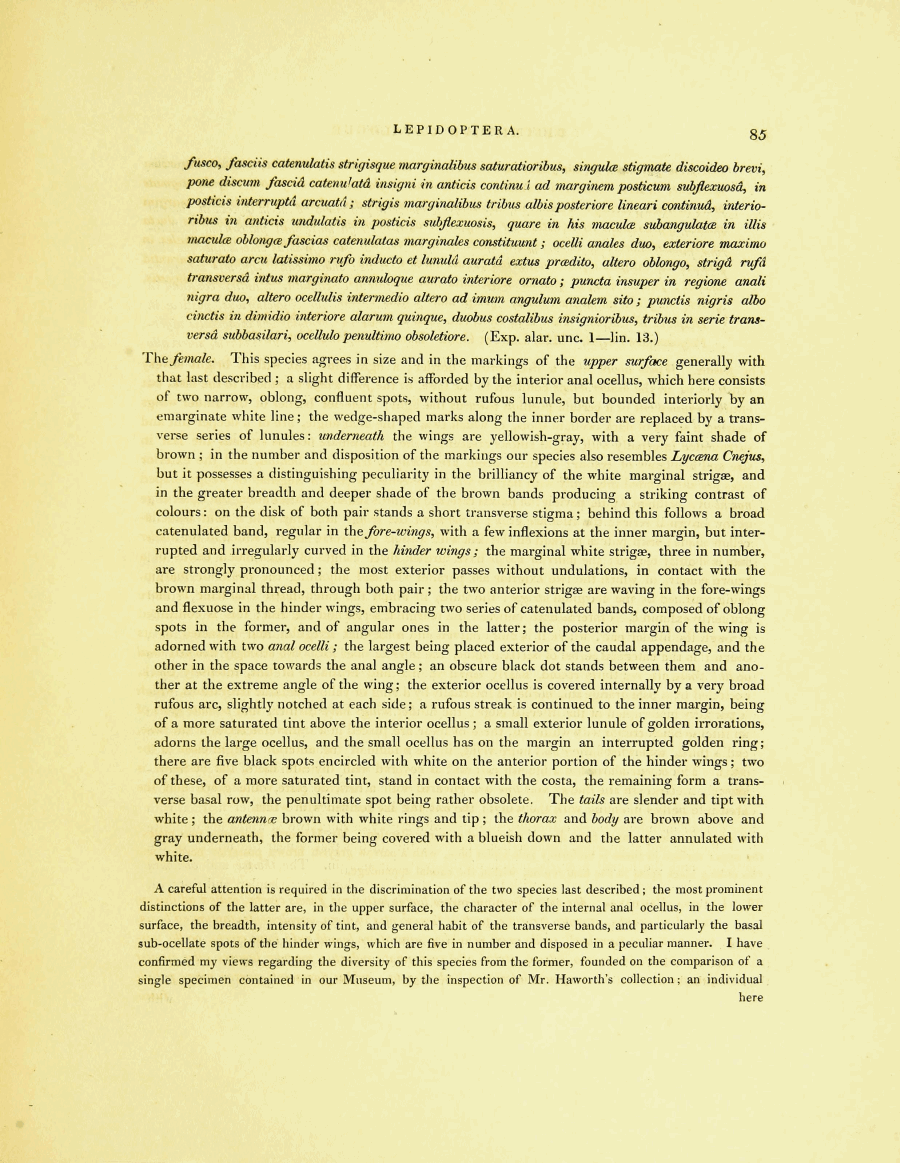
2.1. Erstbeschreibung
3. Biologie
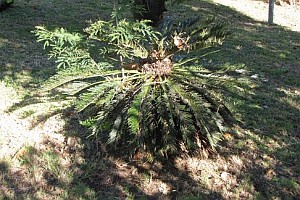
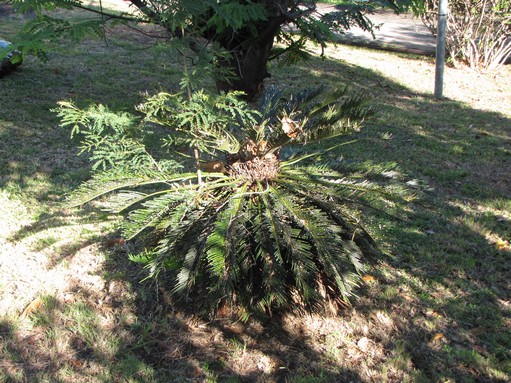
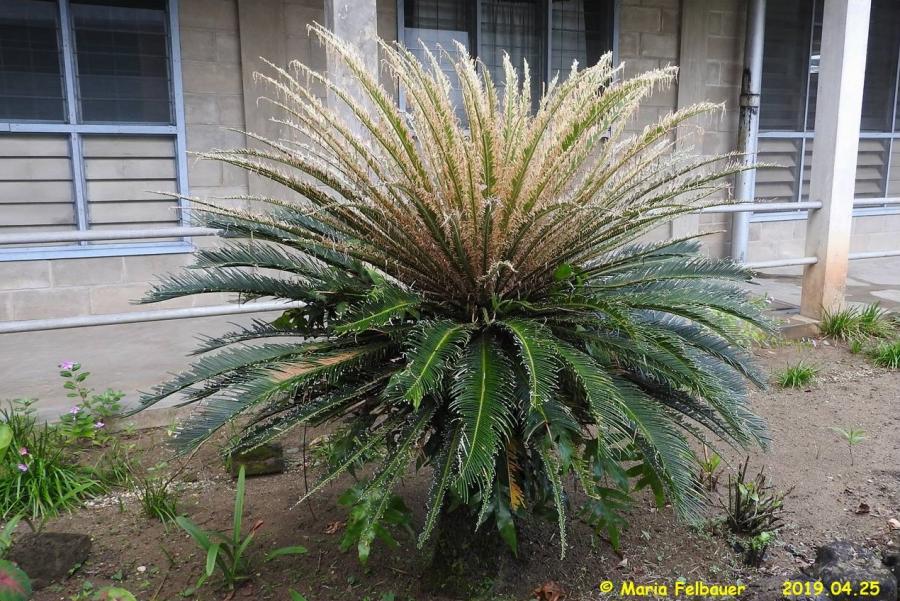
3.1. Raupennahrungspflanzen
4. Weitere Informationen
4.1. Andere Kombinationen
- Lycaena pandava Horsfield, [1829] [Originalkombination]
- Chilades pandava (Horsfield, [1829]) [lange Zeit übliche Kombination]
- Edales pandava (Horsfield, [1829]) [so auf Global Biodiversity Information Facility]
4.2. Synonyme
- Catochrysops nicola Swinhoe, 1885 [Synonym nach funet.fi]
- Catochrysops bengalia de Nicéville, 1885 [Synonym nach funet.fi]
- Euchrysops insularis Riley, 1945 [Synonym nach funet.fi]
4.3. Unterarten
- Luthrodes pandava vapanda (Semper, 1890) [Unterart nach funet.fi]
- Luthrodes pandava lanka (Evans, [1925]) [Unterart nach funet.fi]
4.4. Taxonomie
Die Art wurde lange Zeit als Chilodes pandava geführt, von vielen Autoren noch immer. Die neuerlich vorgenommene Ausgliederung einiger Arten in eine eigene Gattung Luthrodes aufgrund genetischer Unterschiede ist berechtigt, aber nicht zwingend.
(Autor: Erwin Rennwald)
4.5. Faunistik
Nach [Global Biodiversity Information Facility] kommt die Art in Indien, Singapur, Hongkong. China, Japan, Malaysia, Thailand, Indonesien, Taiwan, Sri Lanka, Vietnam, Israel, Macao, Myanmar, Bangladesch, Ägypten, Kambodscha. Palestina, Mauritius, Réunion, Südkorea, Vereinigte Arabische Emirate, Nepal, Guam, Madagaskar, Nördliche Marianen, Laos, Papua-Neuguinea, Ecuador? und Philippinen vor.
Locus typicus: Java.
Fric e al. (2014) hatten vom überraschenden Fund mehrerer Falter am 7. September 2012 in einem Garten im afrikanischen Teil Ägyptens berichtet. Da sie davon ausgingen, dass die Art mit Cycas-Palmen aus Asien hierher verschleppt wurde, untersuchten sie die Genetik eines der Tiere und lokalisierten die Herkunft mit dem Ergebnis: "According to molecular analysis, the species appears to have originated from South China or Northern Indochina, and was probably introduced with ornamental Cycas plants."
Die rapide, mit Fluktuationen verbundene Ausbreitungsgeschichte im Westen des Verbreitungsgebiets der Art wird von Benyamini & Laudon (2025: ) detailliert zusammengestellt: "This unusual metallic-blue lycaenid was observed in a private garden, on 7 September 2012 (Fric et al., 2014) in the Birqash district (Giza governorate, Egypt). It was also recorded on Cycas palms in Alexandria governorate and along Egypt’s North Coast (Abu-Shall, 2014). Only two years elapsed and in 2014, the butterfly appeared almost simultaneously in Israel and the UAE. From late 2023, it expanded rapidly in Israel and by the end of 2024, it was observed 450 km to the south at Eilat, and was even recorded on the wing in the early winter of December 2024 and January 2025 (Benyamini et al., 2025). The first record in Israel was in the city of Eilat where it was recorded on 24 May 2015 (Benyamini & Shalmon 2015). This population existed until early 2016, when pesticides were used by the local municipality to spray the ornamental Cycas palms in the city, effectively killing the butterfly population. A second record in Israel was noted by Eli and Clara Gur-Arye—volunteers of the National Butterfly Monitoring Scheme in Israel (BMS-IL, the national citizen-science project)—on 21 September 2019 in the coastal city of Ashkelon and nearby areas. This population existed for a few months but apparently did not survive the winter and soon disappeared (Benyamini et al., 2019). In September 2023, a new population was discovered in Upper Galilee—possibly having invaded southwards across the border from Lebanon—and within a few months spread rapidly as far south as the southern Negev desert, the Arava and Eilat 450 km away (Benyamini et al., 2025)."
(Autoren: Michel Kettner & Erwin Rennwald)
4.6. Literatur
- Benyamini, D. & M. Laudon (2025): New anthropogenic lycaenid arrivals in the Levant. — Metamorphosis, 36: 64–66. [PDF auf metamorphosis.org.za]
- Fric, Z., Dickinson, R., Fetouh, G., Larsen, T. B., Schön, W. & M. Wiemers (2014): First record of the cycad blue, Chilades pandava, in Egypt – a new invasive butterfly species in the Mediterranean region and on the African continent (Lepidoptera: Lycaenidae). — African Entomology 22 (2): 315-319. [zum PDF-Download auf researchgate.net]
- Erstbeschreibung: Horsfield, T. (1829): Part I. of a Descriptive Catalogue of the Lepidopterous Insects Contained in the Museum of the Honourable East-India Company, Illustrated by Coloured Figures of New Species and of the Metamorphosis of Indian Lepidoptera with Introductory Observations. 1-80, pl. I-IV. London (Parbury, Allen, & Co.).
- Tennent, W. J. (2014): First record of the invasive lycaenid species Chilades pandava (Horsfield, 1829), from Papua New Guinea (Lepidoptera, Lycaenidae). — Nachrichten des entomologischen Vereins Apollo, Neue Folge 35 (1/2): 43-46. [PDF auf zobodat.at]