+6Kontinente:AS


1. Lebendfotos
1.1. Falter

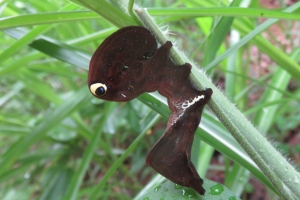
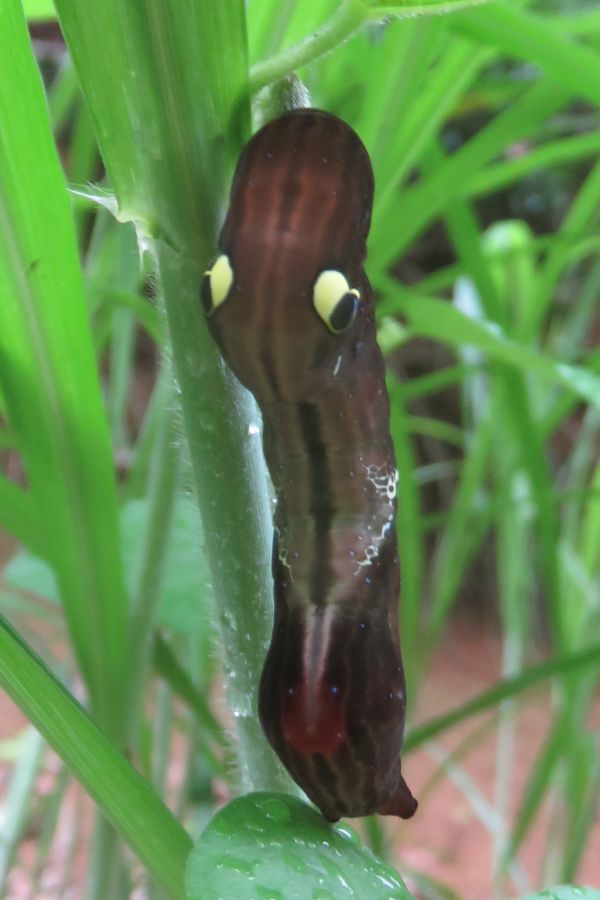
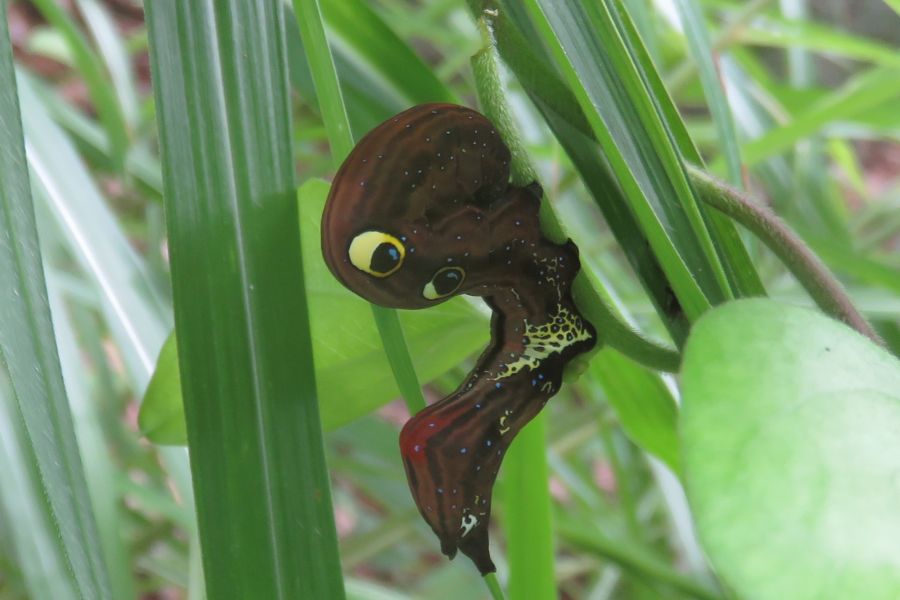
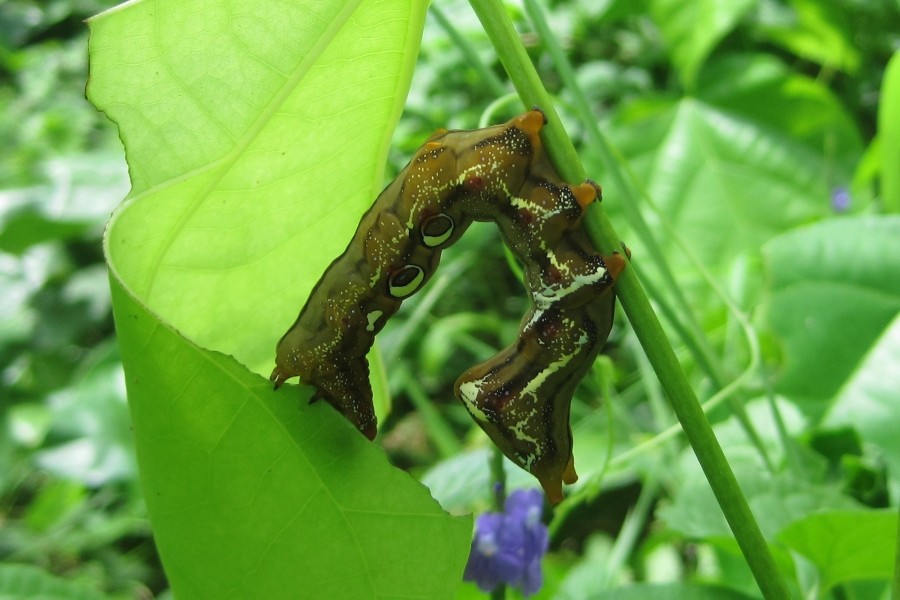
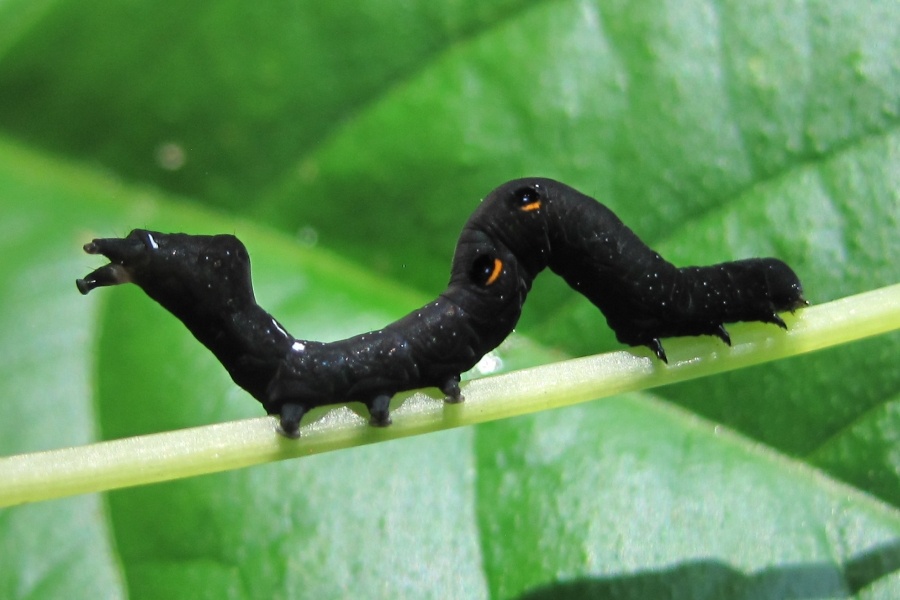
1.2. Raupe

2. Diagnose
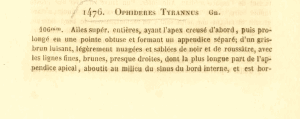
2.1. Erstbeschreibung

3. Biologie
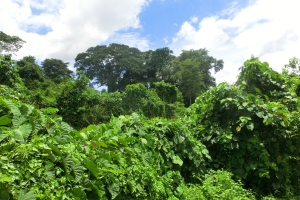
3.1. Habitat

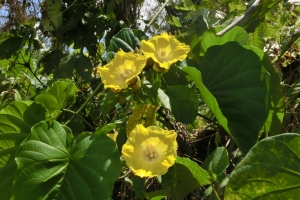
3.2. Raupennahrungspflanzen

4. Weitere Informationen
4.1. Andere Kombinationen
- Ophideres tyrannus Guenée, 1852 [Originalkombination]
4.2. Faunistik
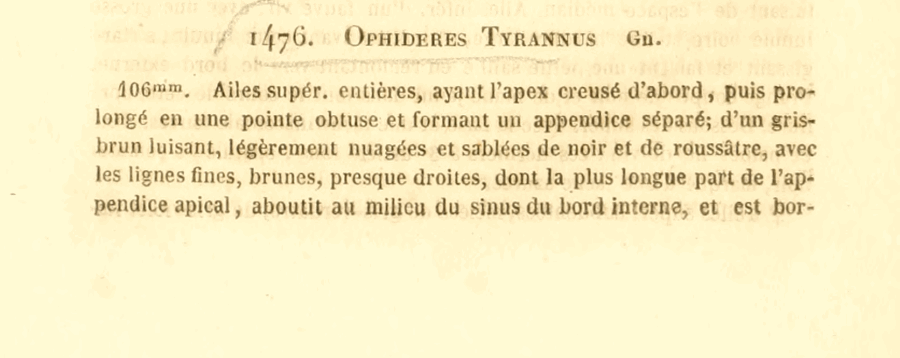
Guenée (1852: 110-111) beschrieb seine Ophideres tyrannus von "Inde centrale". Nach gegenwärtiger Kenntnis kommt die Art in Indien aber nur im Grenzgebiet zu Nepal in Frage. Borth & Kons (2022: 20) schreiben über Verwechslungsmöglichkeiten mit weiteren Arten der Gattung und fassen zur Verbreitung zusammen: "The marginal band on the hindwing is larger than in E. aurantia but barely reaches the wing margin if at all. The background color of the sharply pointed forewing is brownish rather than the variable green shading of E. sikhimensis. It can be separated from E. okurai by the shape of the oblique line as discussed under that species. Individuals from the northern portion of the range in Amur and Japan show a larger comma-shaped medial patch on the hindwing than in its southern range from Nepal, Sichuan, Vietnam and Taiwan where it has a smaller patch similar to E. okurai (Zilli et al. 2017)."
(Autor: Erwin Rennwald)
4.3. Literatur
- Borth, R.J. & H.L. Kons (2022): Mitochondrial genetics of Ophiderini, with a new species from the Eudocima phalonia species group (Lepidoptera: Noctuidae: Calpinae). — Zootaxa, 5148 (1): 1–151. https://doi.org/10.11646/zootaxa.5148.1.1 [zum open access-Artikel mit PDF-Download auf mapress.com]
- Erstbeschreibung: Guenée (1852): Noctuélites 3. = Boisduval & Guenée (1852): Histoire naturelle des insectes. Species général des lépidoptères 7: 1-442, Errata. Paris (Roret). [Digitalisat auf archive.org]