+6Kontinente:EUAS


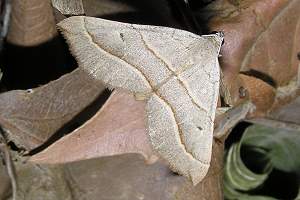
1. Lebendfotos
1.1. Falter
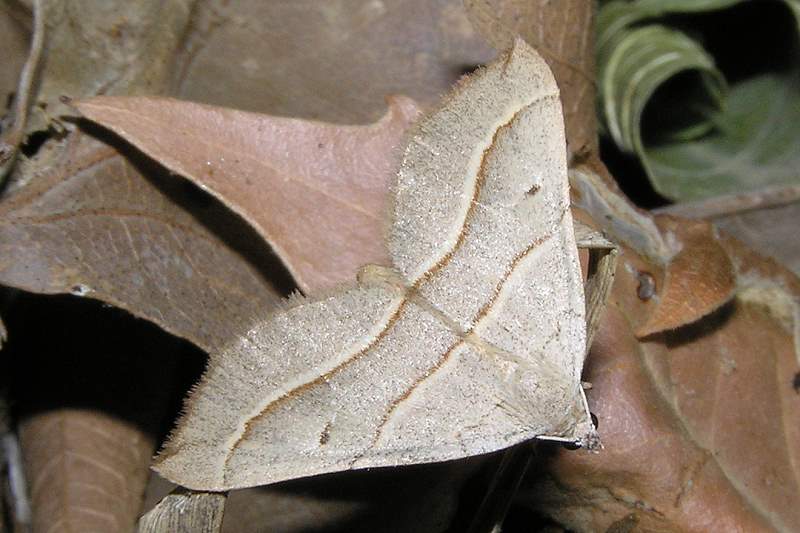


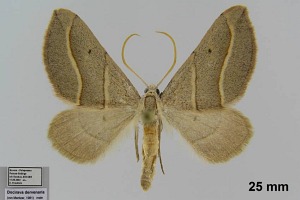
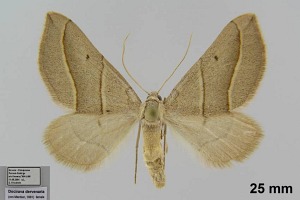
2. Diagnose
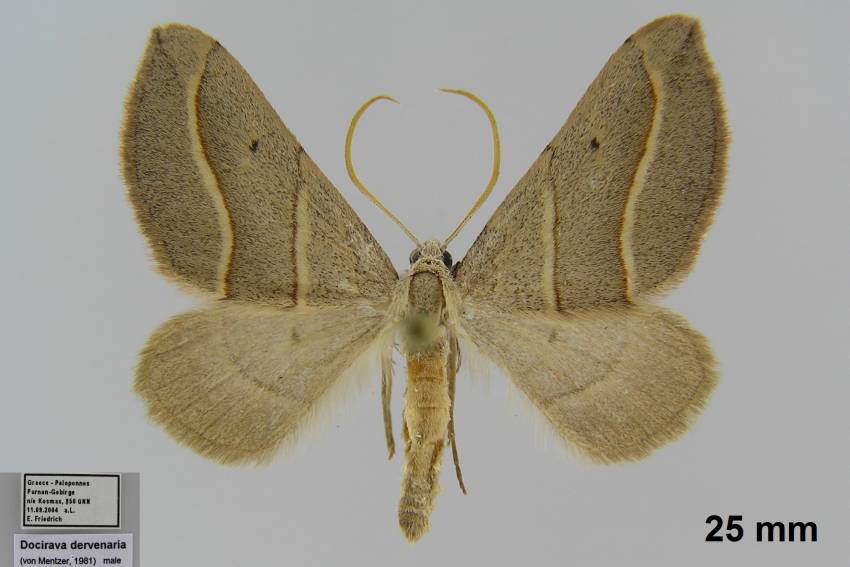
2.1. Männchen


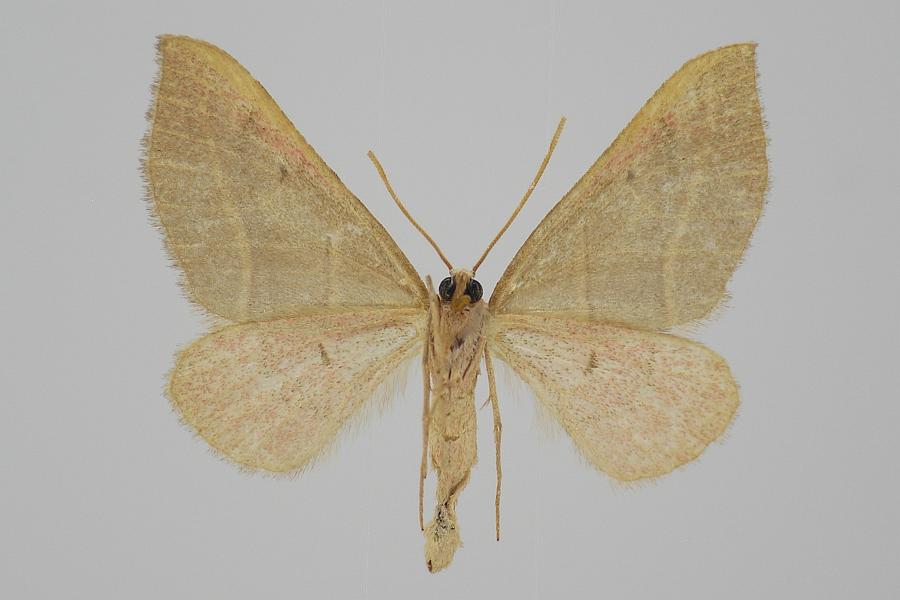
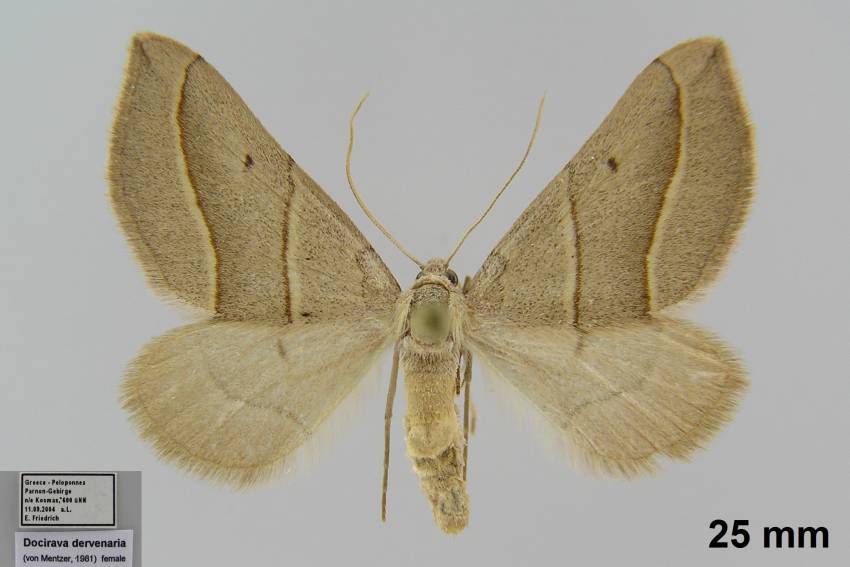
2.2. Weibchen


3. Weitere Informationen
3.1. Etymologie (Namenserklärung)
Mentzer (1981: 54): “Named after the type locality, the Derven-pass.”
3.2. Andere Kombinationen
- Aplocera dervenaria Mentzer, 1981 [Originalkombination]
3.3. Taxonomie und Faunistik
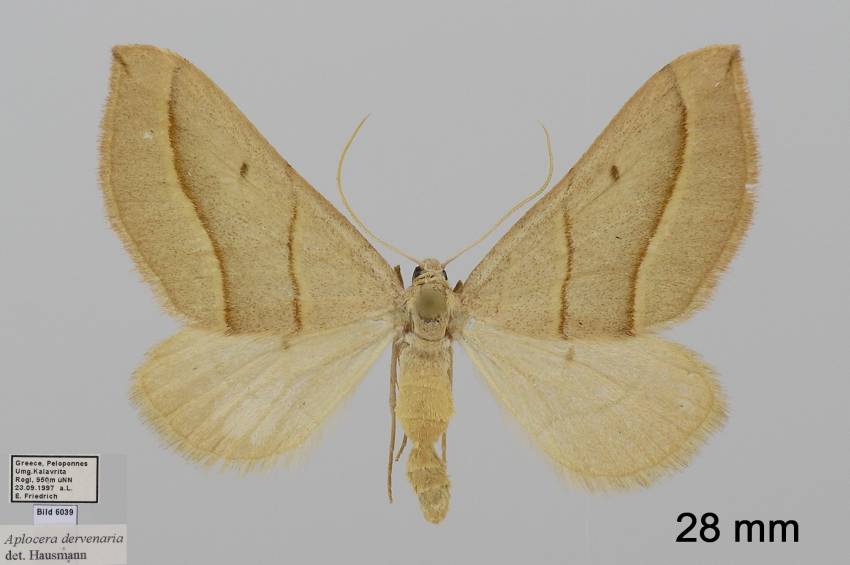
Nach Hausmann & Viidalepp (2012) beruhte die Meldung von Docirava mundulata (Guenée, [1858]) von Kreta in der Fauna Europaea, last update 23 july 2012, version 2.5 [nicht mehr zugänglich] auf einem Irrtum: Jene Art tritt von der Türkei ostwärts bis nach Georgien auf, südwärts entlang der Mittelmeer-Ostküste bis in den Norden Israels, (nach derzeitigem Kenntnisstand) aber nicht in Europa. Die angeblichen Angaben von Kreta betreffen tatsächlich D. dervenaria.
Beshkov (2026: 261-262) meldete die Art als neu für Albanien; er kommentierte: "Docirava dervenaria (von Mentzer, 1981) Maja Ahishtes Geges, 3 females (Figs 10–12). A new genus and a new species for Albania. This species was described as Aplocera dervenaria von Mentzer, 1981: T.L. – North Macedonia, Derven Pass (above Prilep Town). At present, it is known from North Macedonia, SW Bulgaria (Struma Walley) and Greece, including the Peloponnese and Crete (Hausmann & Viidalepp, 2012). Northwestern Turkey is also mentioned in Hausmann & Viidalepp (2012), but the source of this information is unknown to the present author. It is listed in Koçak & Kemal (2018) without any reference or details. Maybe the reason for its being included is the article of Riemis (1994), where this species is mentioned for Turkey, again without details. Riemis put an “*” which according to the text means that he supposedly has collected this species himself. Generally, the area marked in Hausmann & Viidalepp (2012) is not subject to many publications, so there must be a specific reason why they marked the area (pers. comm. Thomas Baron, March, 2026).
(Autor: Erwin Rennwald)
3.4. Typenmaterial
von Mentzer (1981: 54): “♂ holotype and 7 ♂ 10 ♀ paratypes Yugoslavia, Macedonia: Derven-pass 30.VIII.1975 [...] All these types leg. and in coll. EVM. Dissection No. 8.043 in coll. EVM. — 2 ♂ paratypes „Env. KATALANOVO MACEDOINE YOUGOSL. 16–17.-9-1975 C. DUFAY leg.“, in coll. C. Dufay, Lyon.”
3.5. Literatur
- Beshkov, S. (2026): Studies on the Balkan Lepidoptera II. Expected and unexpected species in Albania, September 2025. — Historia naturalis bulgarica, 48 (9): 257–271. https://doi.org/10.48027/hnb.48.092. [zum PDF-Download auf researchgate.net]
- Hausmann, A. & J. Viidalepp (2012): The Geometrid Moths of Europe. Volume 3. - 743 S.; Vester Skerninge, Dänemark (Apollo Books).
- Erstbeschreibung: Mentzer, E. von (1981): The group Aplocera lythoxylata (Hübner), with A. dervenaria n. sp. and A. palumbata n. sp. (Lepidoptera: Geometridae). — Entomologica Scandinavica 12 (1): 49-56.