+11Kontinente:EU


1. Lebendfotos
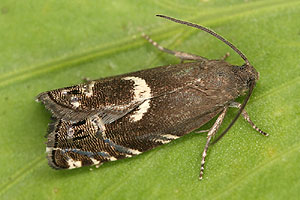
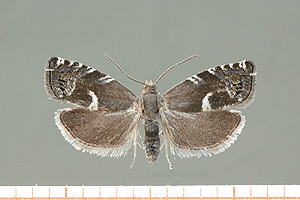
1.1. Falter
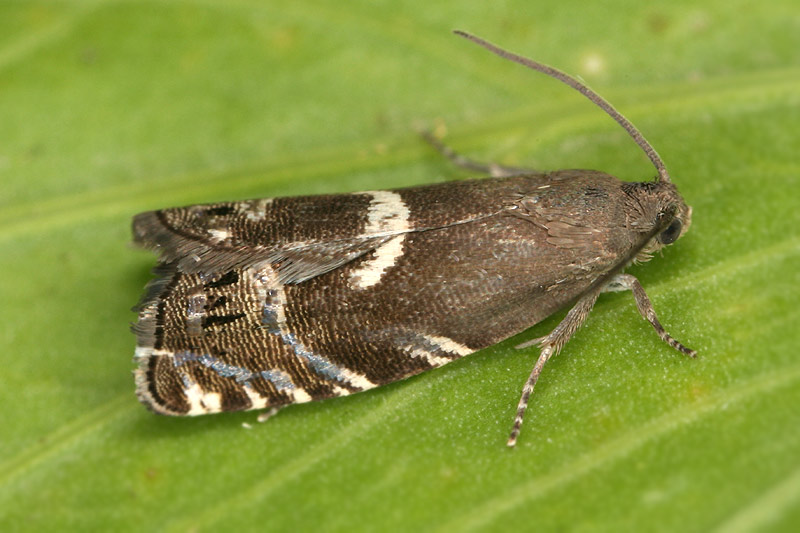
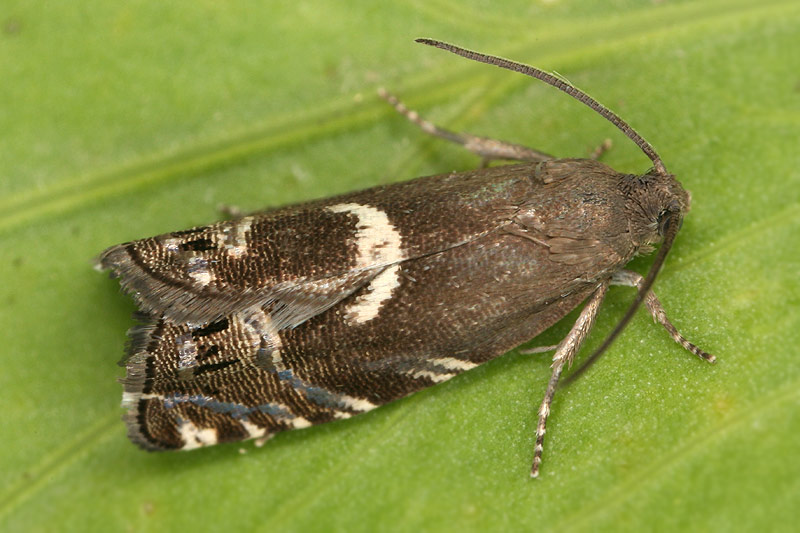
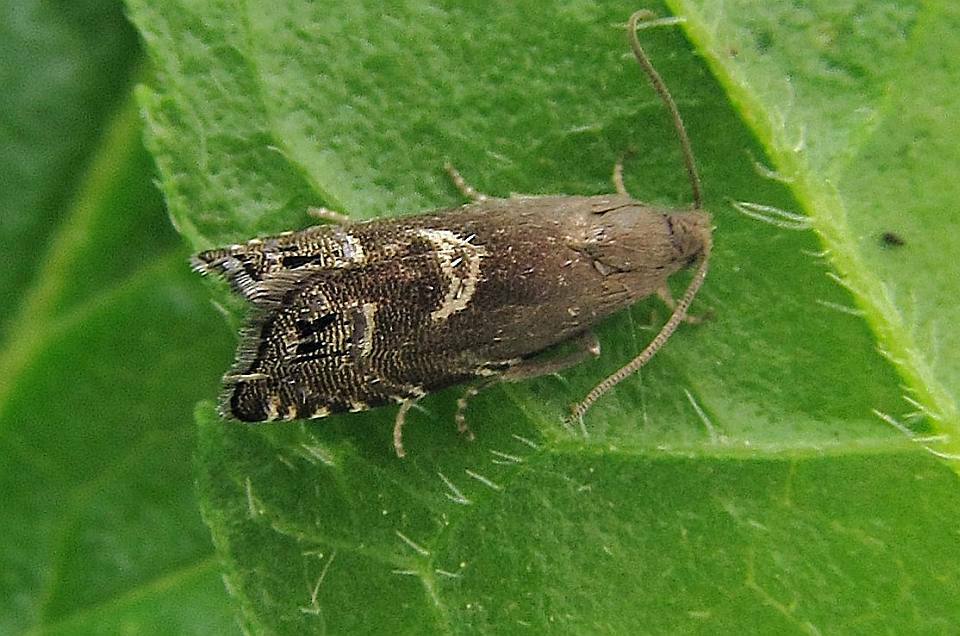
2. Diagnose
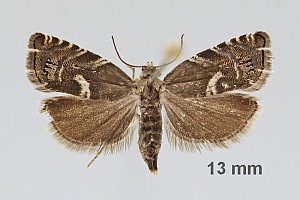
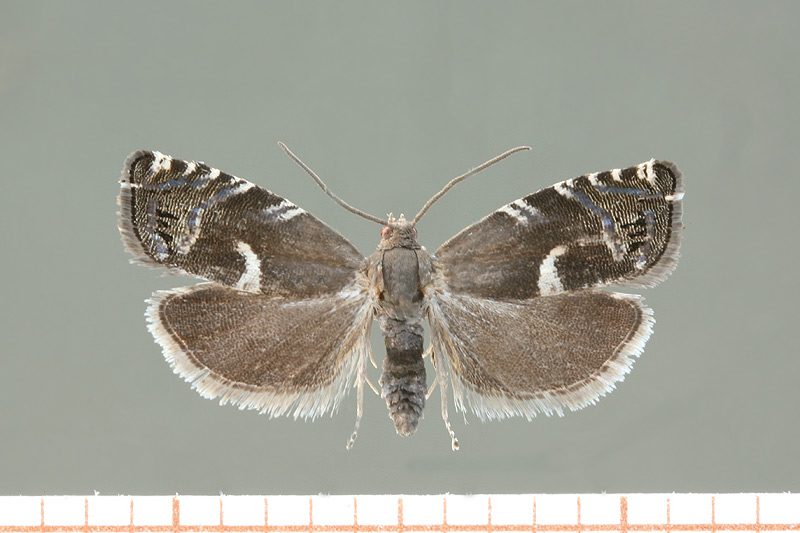
2.1. Männchen
2.2. Weibchen

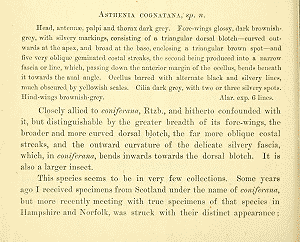
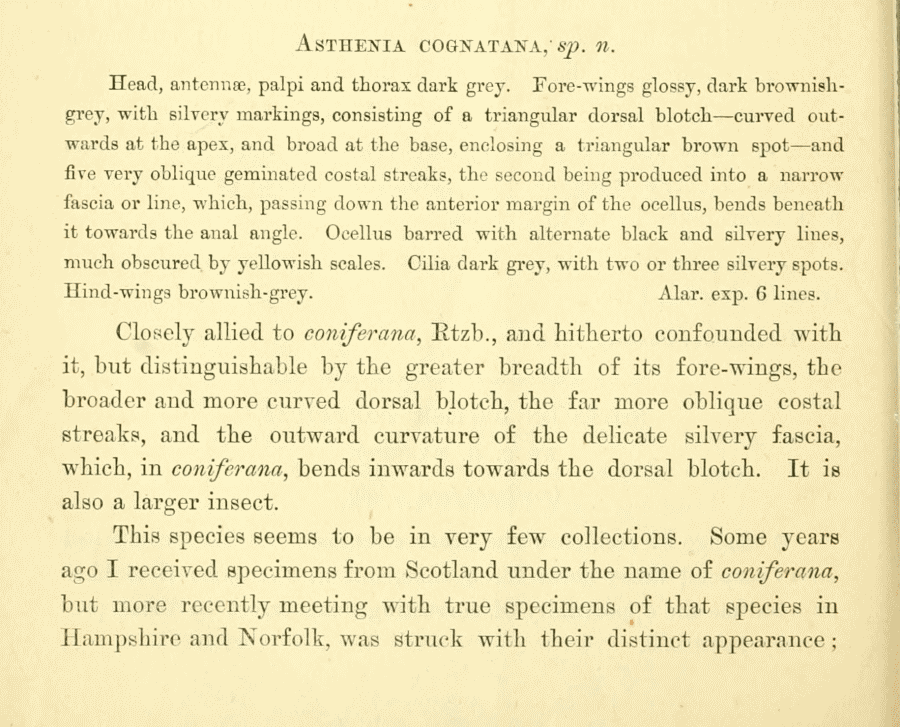
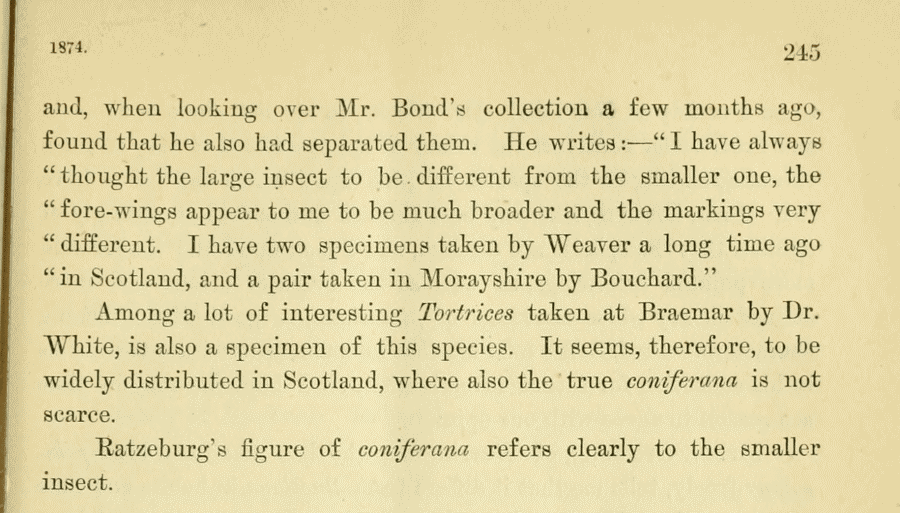
2.3. Erstbeschreibung
3. Biologie
3.1. Nahrung der Raupe
- [Pinaceae:] Pinus sylvestris (Wald-Kiefer)
Die Raupe lebt unter der Rinde alter Kiefern (Pinus sylvestris), also bevorzugt in alten Wäldern mit diesem Baum. Hancock et al. (2015: 185) schrieben dazu: "Ovum. Laid in June - July on the bark of Scots pine (Pinus sylvestris), usually low down on the trunk. Larva. [...] August - April; feeds in the inner bark of the pine; in the spring the presence of a larva is indicated by reddish brown frass in a crevice in the bark (Sheldon, 1924b)." - Die zugehörige Originalarbeit von Sheldon (1924) konnte ich noch nicht studieren.
(Autor: Erwin Rennwald)
4. Weitere Informationen
4.1. Andere Kombinationen
- Asthenia cognatana Barrett, 1874 [Originalkombination]
4.2. Faunistik
Die Art wurde aus Schottland beschrieben. Nach Hancock et al. (2015: 185) ist sie in Großbritannien auch ganz auf die Highlands von Schottland begrenzt.
In Deutschland ist die Art hingegen insbesondere in Südwest- und Westdeutschland (aber dort nicht in den warmen Tieflagen) lückig verbreitet, im Osten seltener ((Erzgebirge), im Norden fehlt sie ganz.
4.3. Literatur
- Erstbeschreibung: Barrett, C. G. (1874): Notes on British Tortrices. — The Entomologist's Monthly Magazine 10: 243-247. London (John van Voorst).
- Hancock, E.F., Bland, K.P. & J. Razowski (2015): The moths and butterflies of Great Britain and Ireland. Volume 5 (Part 2). Tortricidae, Olethreutinae. - 377 S.; Leiden & Boston (Brill).
- Sheldon, W.G. (1924): Cydia pactolana Zell. (= cognatana Barr.) and C. coniferana, and their early stages. — The Entomologist, 57: 73-74. [in anderer Quelle Seitenzählung: 50-51]. [Sekundärzitat]