+1Kontinente:AS

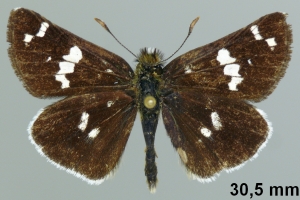

2. Diagnose
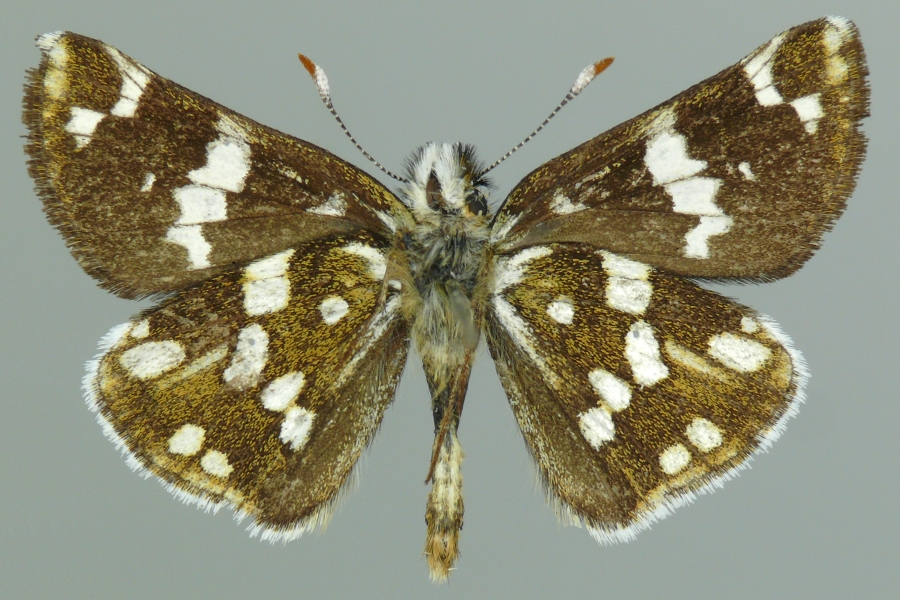
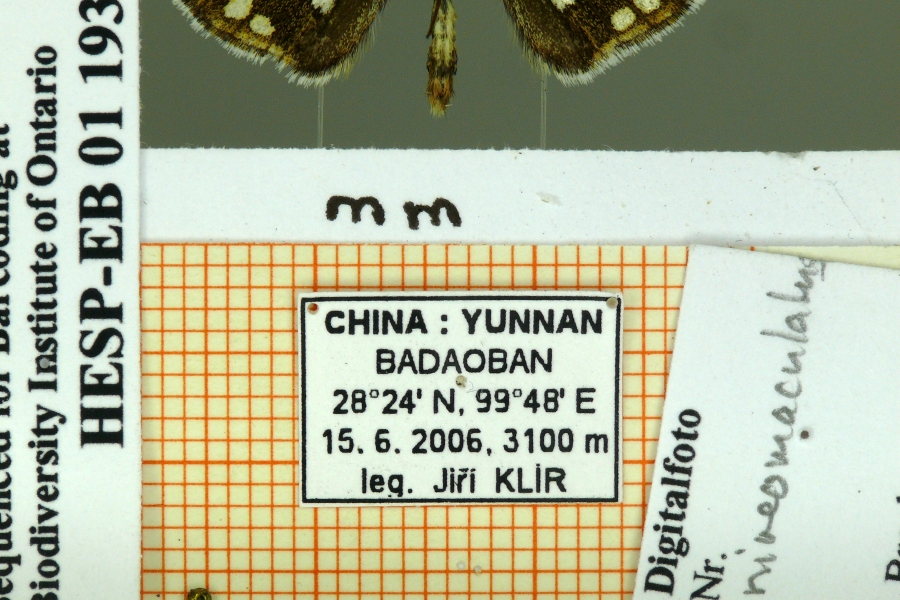
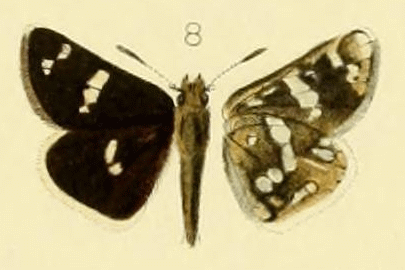
2.1. Männchen

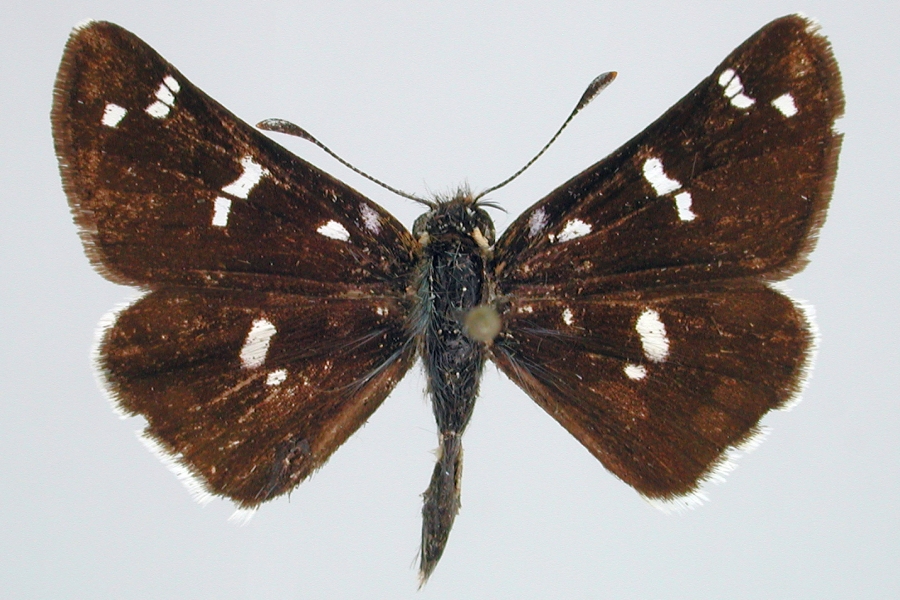
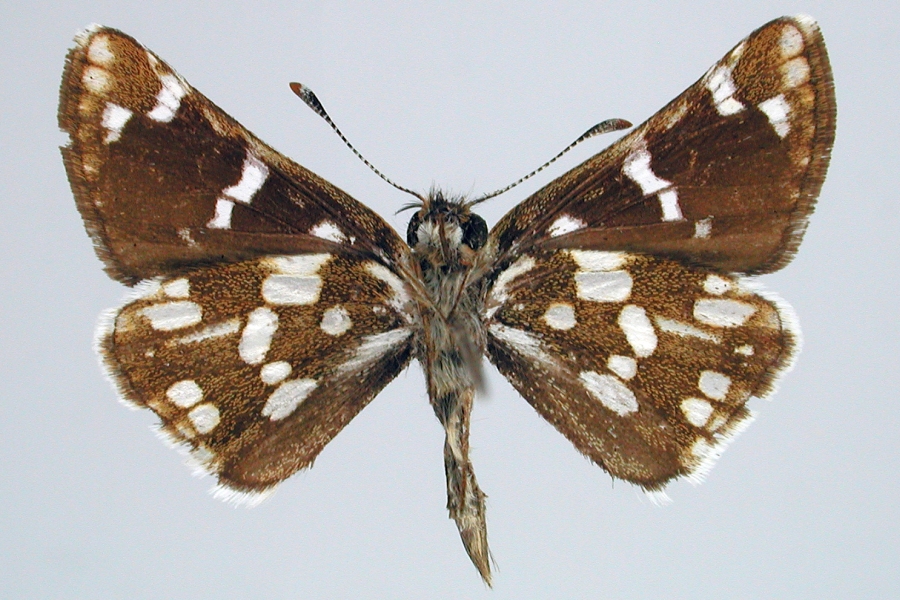
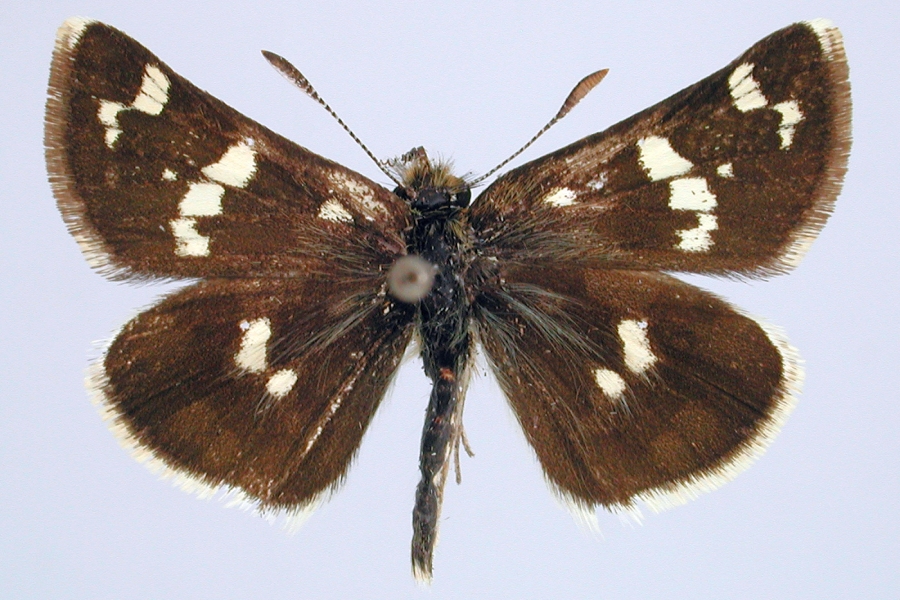
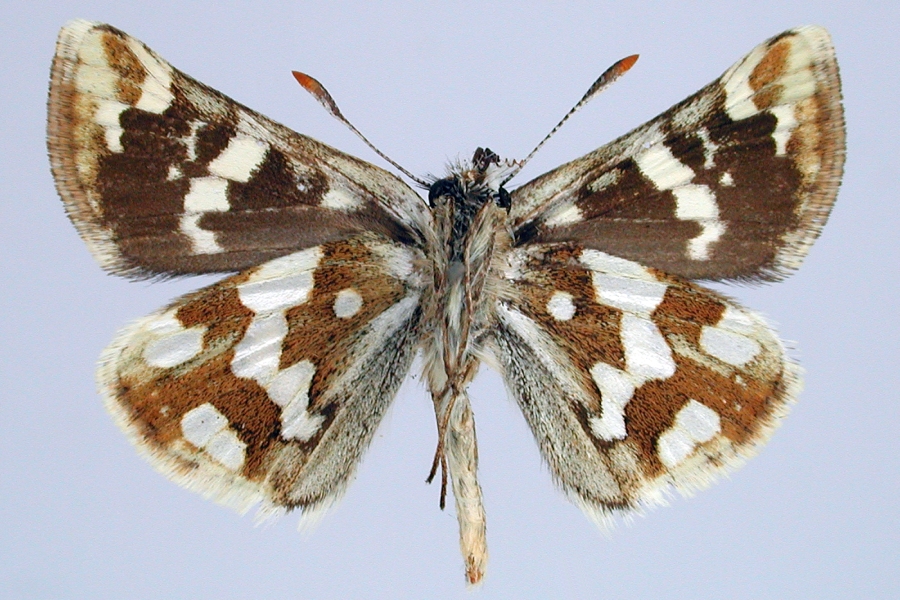
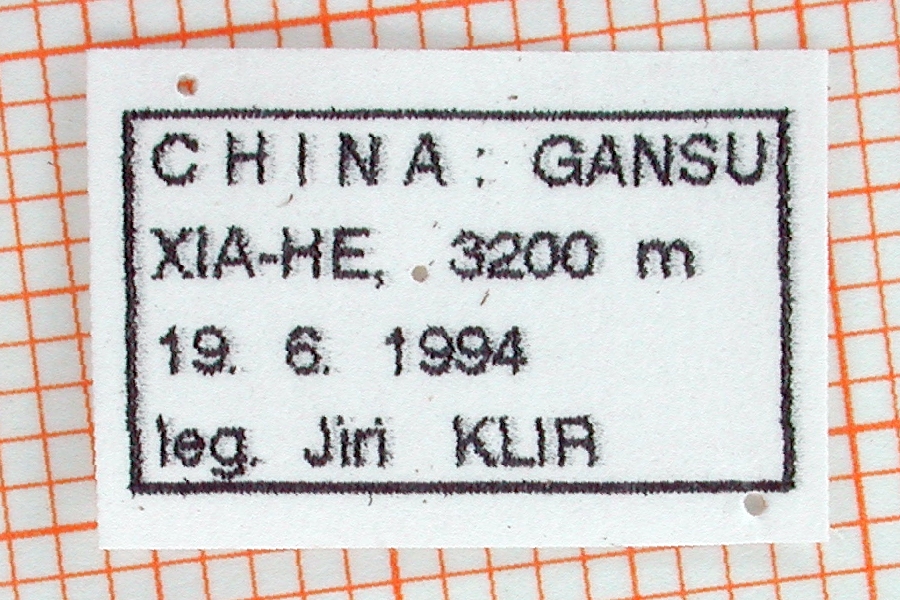
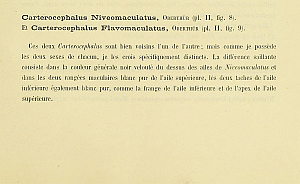
2.2. Erstbeschreibung
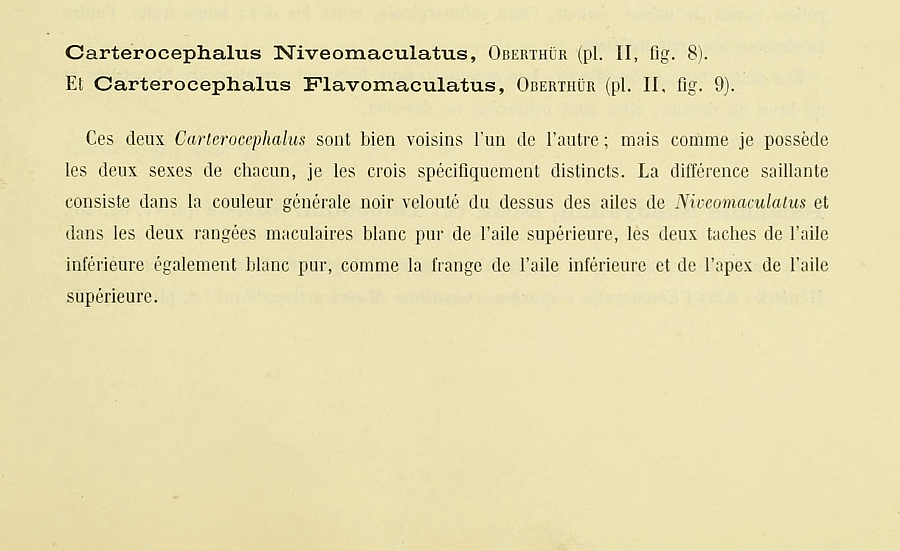
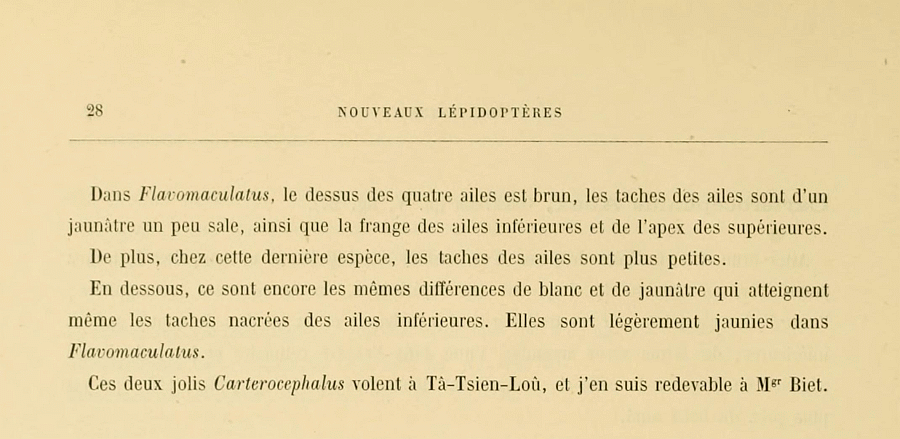

3. Weitere Informationen
3.1. Taxonomie und Faunistik
Nach [Global Biodiversity Information Facility] kommt die Art in China vor. Locus typicus gemäß der Erstbeschreibung ist "Tâ-Tsien-Loû".
Huang (2019: 215) schrieb zum Komplex um diese Art: "The Carterocephalus niveomaculatus OBERTHÜR - group (figs. 149-163, 226-231) - This morphological group is composed of C. niveomaculatus OBERTHÜR, 1886 and C. christophi GRUM-GRSHIMAILO, 1891, characterized by the following characters: hindwing upper side with pale central spot mid base and termen; forewing upper side with subapical markings narrow, those in spaces 4 and 5 separate from those in spaces 6 to 8; forewing upper side with all markings white, with the spot in space 2 contiguous to the cell spot, and with the spot in space 1b absent, small or set obliquely. Seven taxa involved in this group have been described, most of which were treated as subspecies or synonyms of C. niveomaculatus OBTH. and C. christophi GR.-GR. in the literature. However, a careful study in ♂ genitalia and distributional ranges strongly suggests that most of these taxa are valid in taxonomy, deserving full specific rank. The present research is only tentative, due to the rarity of the material and the relatively lower diversity in genitalia morphology of the genus Carterocephalus LEDERER, 1852. C. niveomaculatus OBTH. and C. christophi GR.-GR. have been recorded as sympatric in Kangding area, W. Sichuan, thus their specific ranks can be accepted without doubt, and their external and genital differences can be used as a standard to deduce the interrelationships of all the taxa involved in this group. It became clear that most of the taxa involved have parallel differences from both C. niveomaculatus OBTH. and C. christophi GR.-GR., thus most of them can be accepted as full species. Since all the important external characters are individually variable in some species of this group, a key to species is not appropriate and the following analysis of characters and an annotated list are presented instead." Und speziell zu C. niveomaculatus berichtet er: "Distribution. W. Sichuan (Kangding, Barkam), N. Yunnan. Material. 4 ♂♂ (CHH), Sichuan, North of Kangding, ca. 3200 m, 27.VI.2012, M.-L. BI leg.. Notes. The ♂ genitalia of this species does not differ from those of C. christophi GR.-GR. much, except for the markedly larger cornutus of aedoeagus. However, the sympatric fact (both species are found in Kangding area and probably also N. Yunnan) makes it clear that the two species are independent from each other. In wing markings, this species differs from C. christophi GR.-GR. in having forewing upper side basal costal spot absent, hindwing upper side discocellular spot narrower, hindwing underside discal markings more interrupted and hindwing underside basal radial streaks more clearly defined. However, all these external characters are shared more or less by some other species in the C. niveomaculatus OBTH. group."
(Autoren: Erwin Rennwald & Michel Kettner)
3.2. Literatur
- Huang, H. (2019): New or little known butterflies from China - 3 (Lepidoptera: Pieridae, Nymphalidae, Riodinidae, Lycaenidae et Hesperiidae). — Neue Entomologische Nachrichten 78: 203-255. [zum PDF-Download auf researchgate.net]
- Erstbeschreibung: Oberthür, C. (1886): Espèces nouvelles de lepidoptères du Thibet. — Études d'entomologie 11: [V]-XII, 13-38, pl. I-VII.