Länder:

 +10Kontinente:EU
+10Kontinente:EU


Neues Layout der Navigation (Beta Test)
LebendfotosDiagnoseGenitalienBiologieNahrung der RaupeWeitere InformationenAndere KombinationenLiteraturInformationen auf anderen Websites (externe Links)
1. Lebendfotos
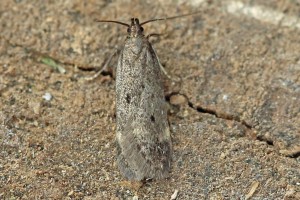
1.1. Falter
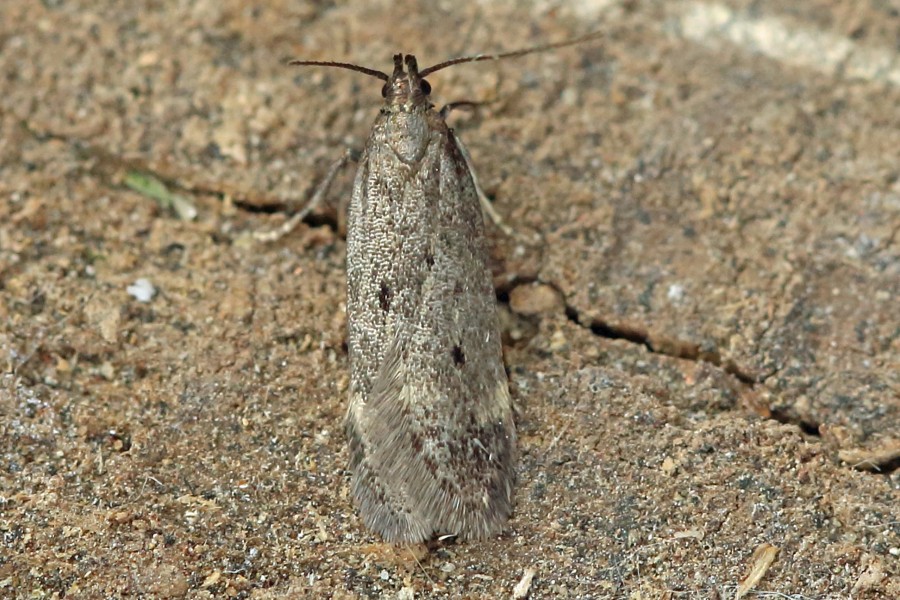
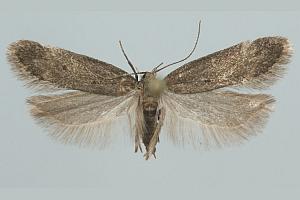
1: Großbritannien, Schottland, Fife, Moss Morran, 26. Juni 2020 (det. & fot.: Nigel Voaden)
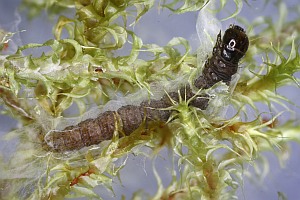
1.2. Raupe
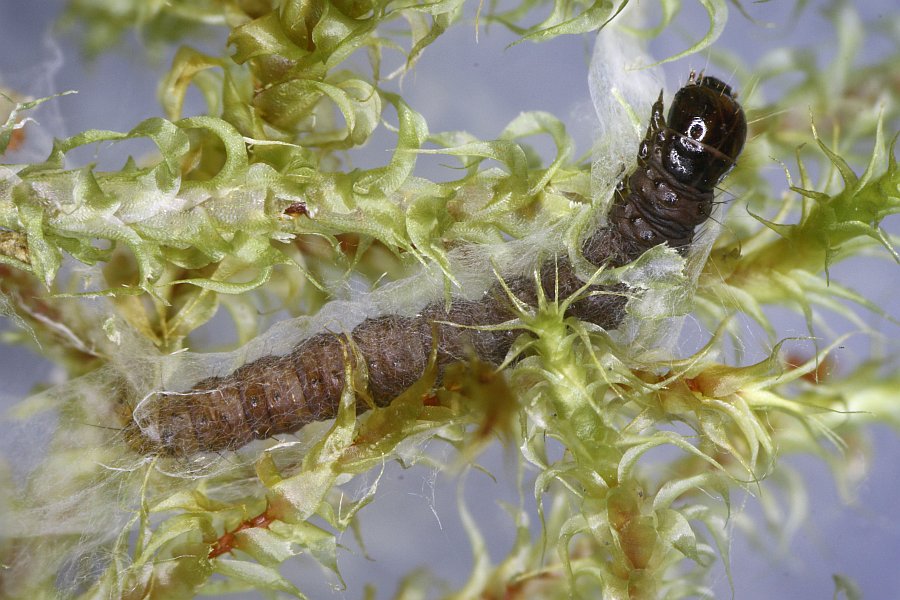
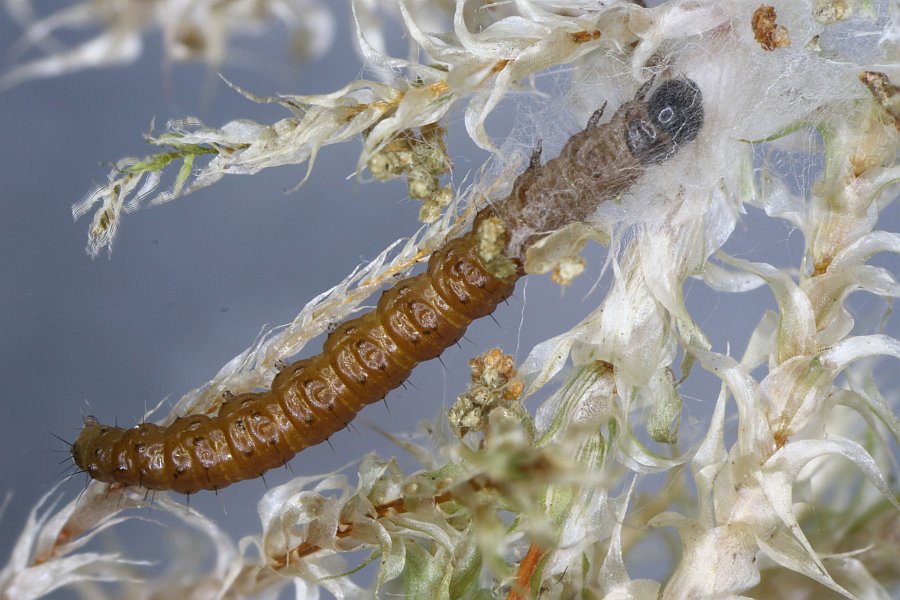
1-2: England, West Lancashire, Jeffrey Hill, leg. im April 2015 in seidenem Gespinst an Rhytidiadelphus squarrosus, e.p. 1. bzw. 6. Juni 2015, det. durch Zucht & Fotos Bob Heckford (Literatur: Heckford et al. 2015)
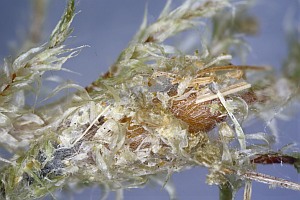
1.3. Puppe

1: England, West Lancashire, Jeffrey Hill, verpuppt am 1. Mai 2015 in seidenem Gespinst an Rhytidiadelphus squarrosus, e.p. 18. Mai 2015, det. durch Zucht & Foto Bob Heckford (Literatur: Heckford et al. 2015)
2. Diagnose
2.1. Männchen
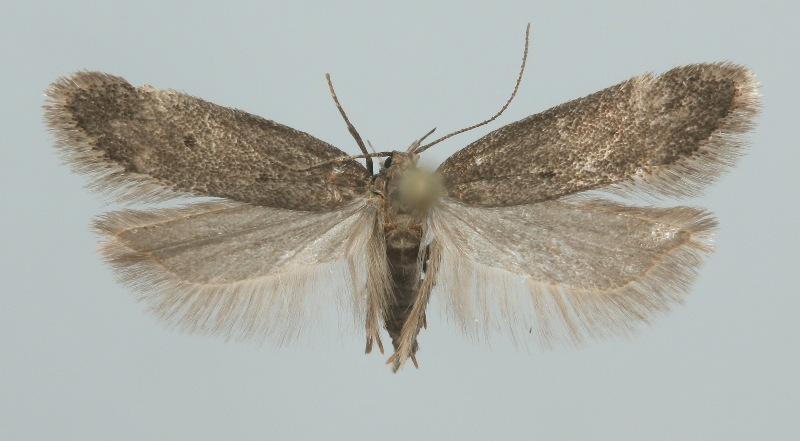
1: ♂, Finnland, Lappland, Pelkosenniemi, 15. Juli 1997 (det. & fot.: R. Siloaho, kleines Bild redaktionell an Standardmaße angepasst)
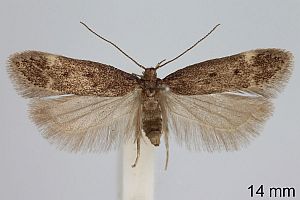
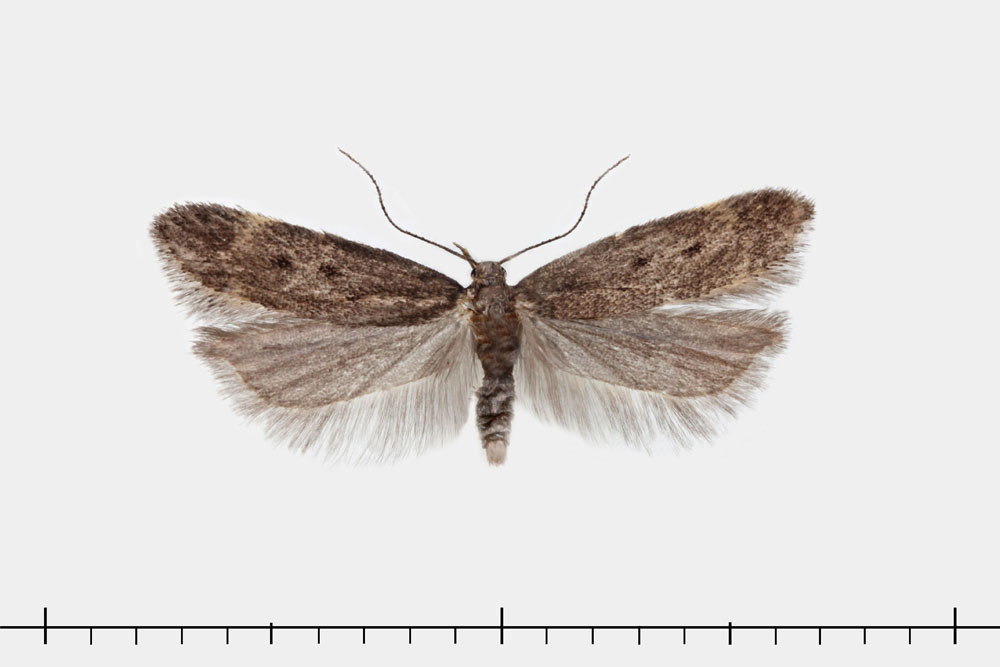
2: ♂, Schweiz, Bern, St-Imier, Hochmoor, 1000 m, 15. Juli 2010 (leg., det. & Foto: Rudolf Bryner), Referenz Emmet & Langmaid (2002: 27, Fig.7a)
2.2. Geschlecht nicht bestimmt
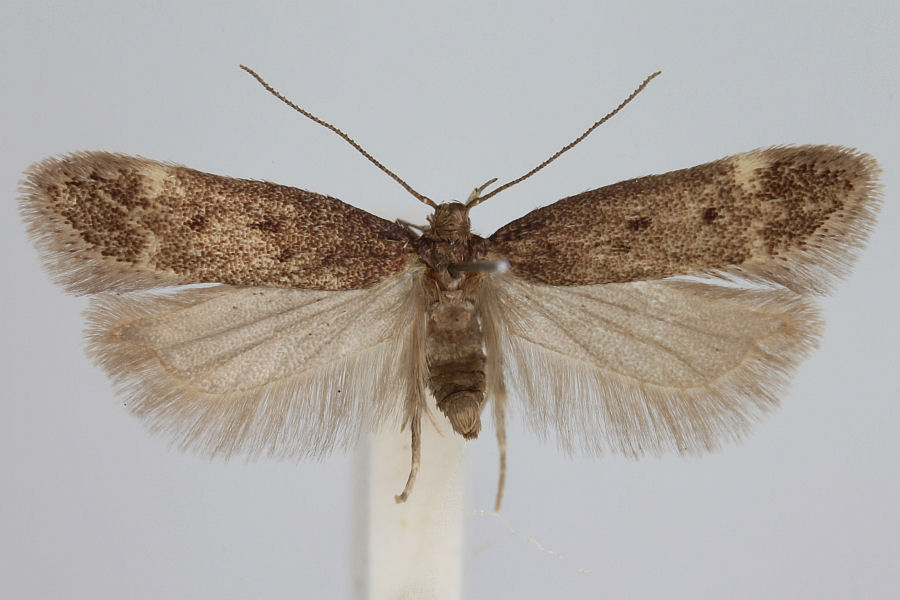

1-2: Daten siehe Etikett (fot.: Michel Kettner), coll. ZSM, "Klimesch-Sammlung"
2.3. Genitalien
2.3.1. Männchen
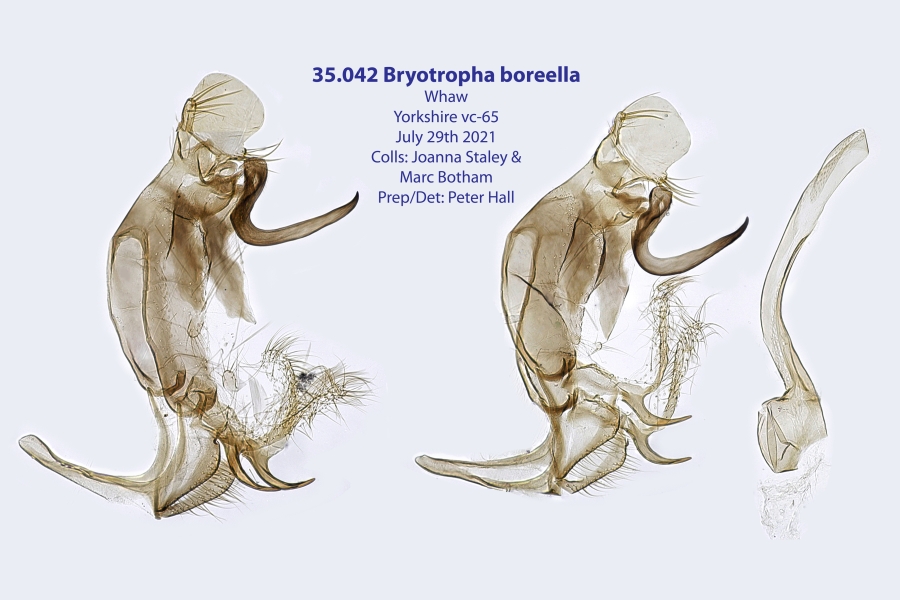
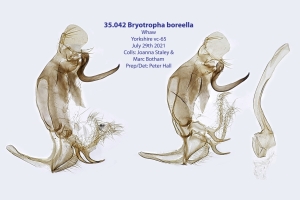
1: ♂, Großbritannien, England, Daten siehe Bild (praep., det. & fot.: Peter Hall)
2.4. Erstbeschreibung
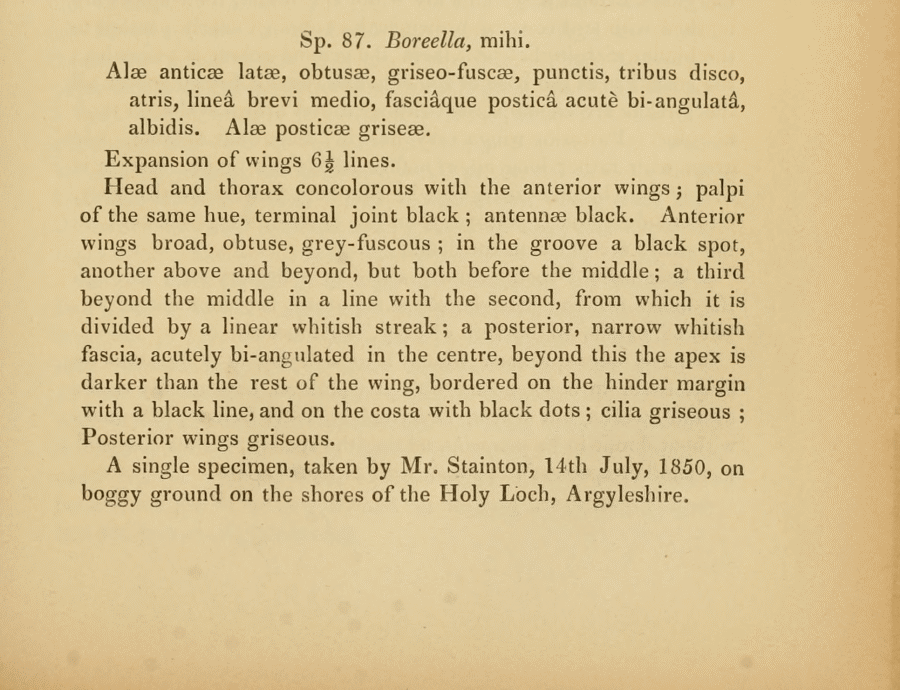
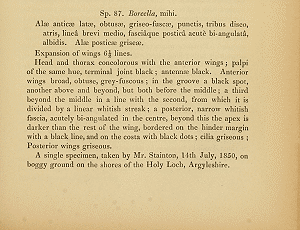
1: Douglas (1851: 105) [nach Copyright-freiem Scan auf www.biodiversitylibrary.org]
3. Biologie
3.1. Habitat
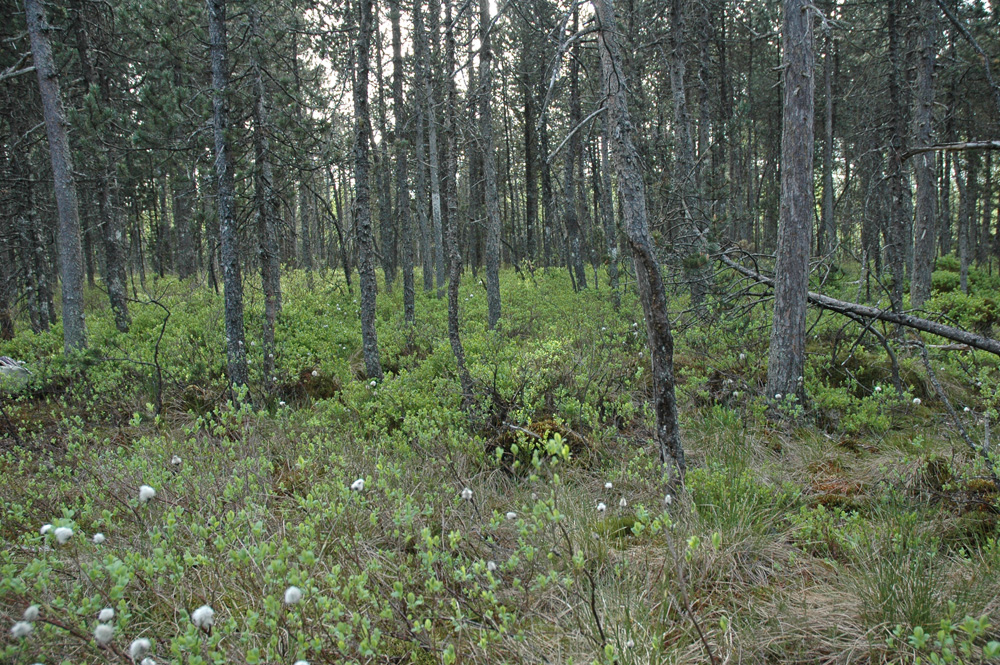
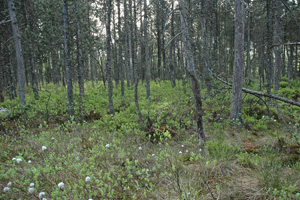
1: Schweiz, Bern, St-Imier, Hochmoorföhrenwald mit Vaccinium uliginosum und Vaccinium myrtilli, 1000 m, 27. Mai 2008 (Foto: Rudolf Bryner)
3.2. Nahrung der Raupe
- [Aulacomniaceae:] Aulacomnium palustre (Sumpf-Streifensternmoos)
- [Hypnaceae:] Hypnum jutlandicum (Heide-Schlafmoos)
- [Hylocomiaceae:] Rhytidiadelphus squarrosus (Sparriger Runzelpeter)
Es wird vermutet, dass alle Arten der Gattung Bryotopha primär an verschiedenen Moosen leben. Für die meisten Arten sind keine konkreten Funde bekannt. Zur Raupe von B. boreella melden Gregersen & Karsholt (2022: 223-224): "Host-plant. Moss: Aulacomnium palustre, Hypnum jutlandicum, Rhytidiadelphus squarrosus (Heckford et al. 2015: 239). Accidently bred from Sphagnum sp. in Finnland. The habitats are Sphagnum-covered peat bogs and spring areas along streams. In Britain usually in damp to wet moorland, occasionally also on herrb-rich upland slopes; the larvalives in a silken tube (Heckford et al. 2015: 237)."
Die genaue Moosart scheint weniger wichtig zu sein als ein passender Standort.
(Autor: Erwin Rennwald)
4. Weitere Informationen
4.1. Andere Kombinationen
- Gelechia boreella Douglas, 1851 [Originalkombination]
4.2. Literatur
- Erstbeschreibung: Douglas, J. W. (1851): On the British Species of the Genus Gelechia of Zeller. — The Transactions of the Entomological Society of London. New Series 1: 101-108.
- Emmmet, A.M. & Langmaid, J.R. (Hrsg.) (2002): The Moths and Butterflies of Great Britain and Ireland. Vol. 4 (Part 2).
- Gregersen, K. & O. Karsholt (2022): The Gelechiidae of North-West Europe. — 939 pp., Oslo, Norway (Norwegian Entomological Society).
- Heckford R. J., Beavan, S. D. & S. M. Palmer (2015): Bryotropha boreella (Douglas, 1851) (Lepidoptera: Gelechiidae): discovery of the larva. — Entomologist’s Gazette 66: 237-243.