+2Kontinente:EU

1. Lebendfotos
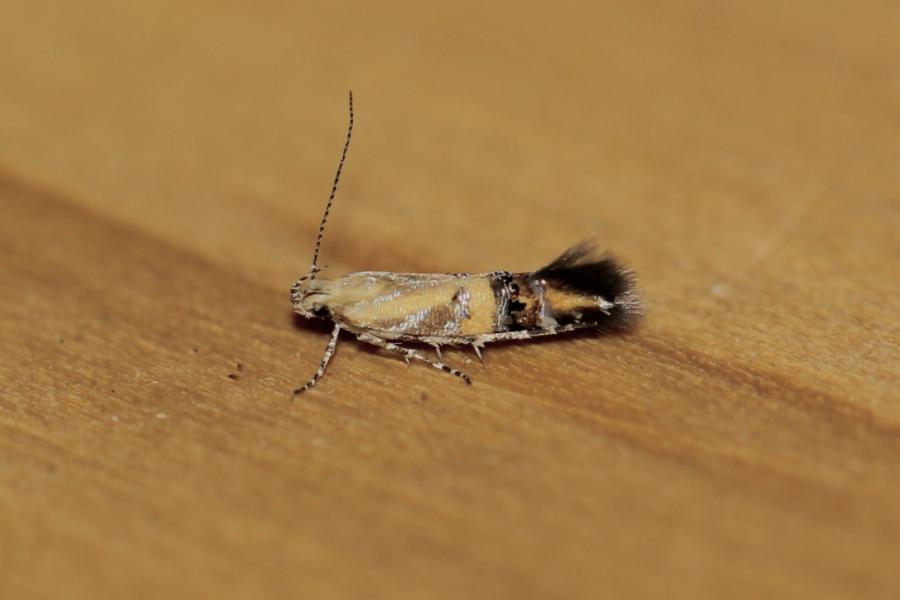
1.1. Falter
2. Diagnose
2.1. Männchen
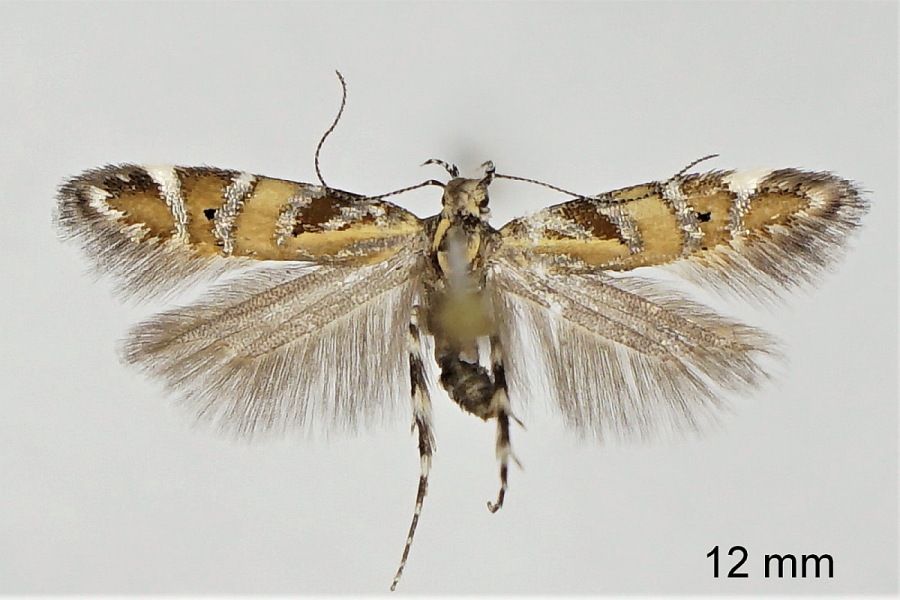
2.2. Geschlecht nicht bestimmt
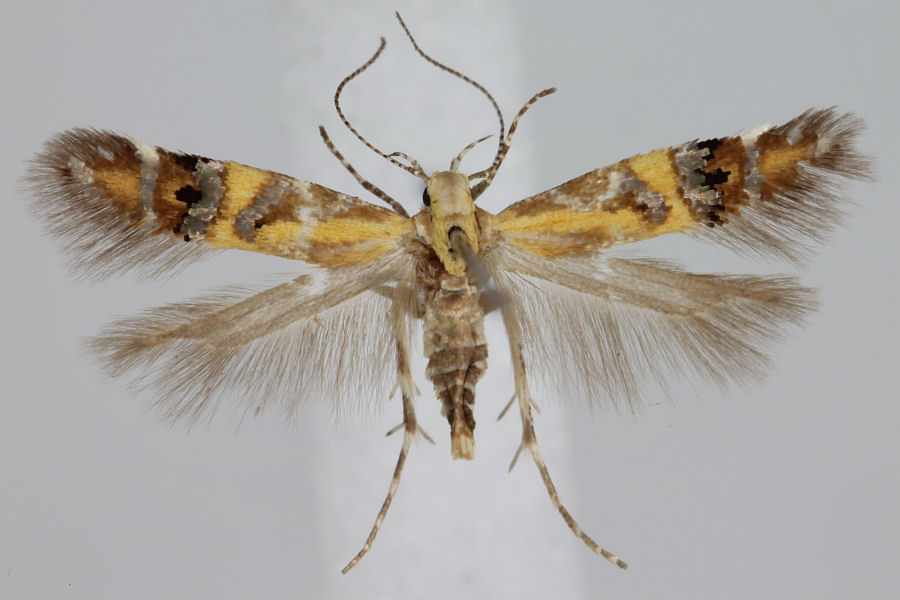
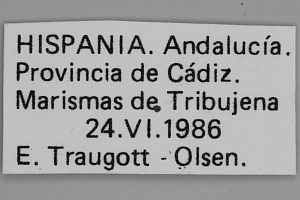
2.3. Genitalien
2.3.1. Männchen
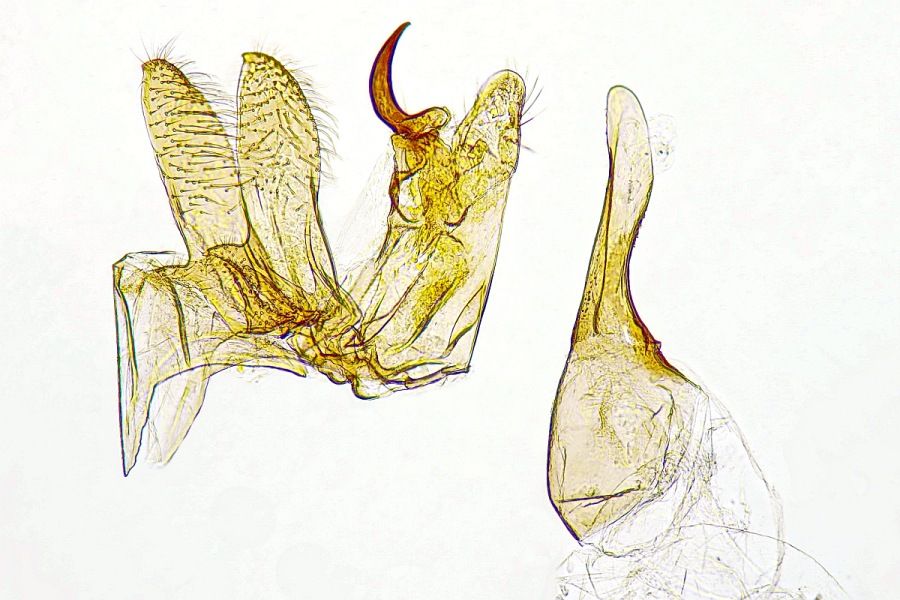
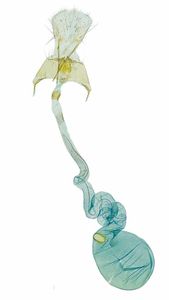
2.3.2. Weibchen
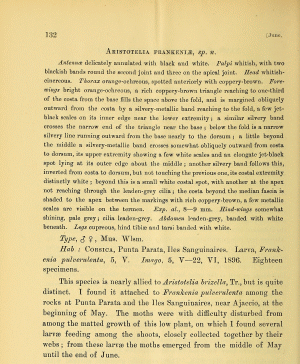
2.4. Erstbeschreibung

3. Biologie
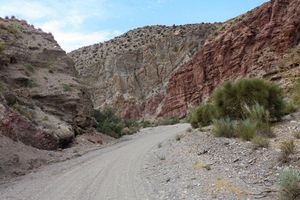
3.1. Habitat
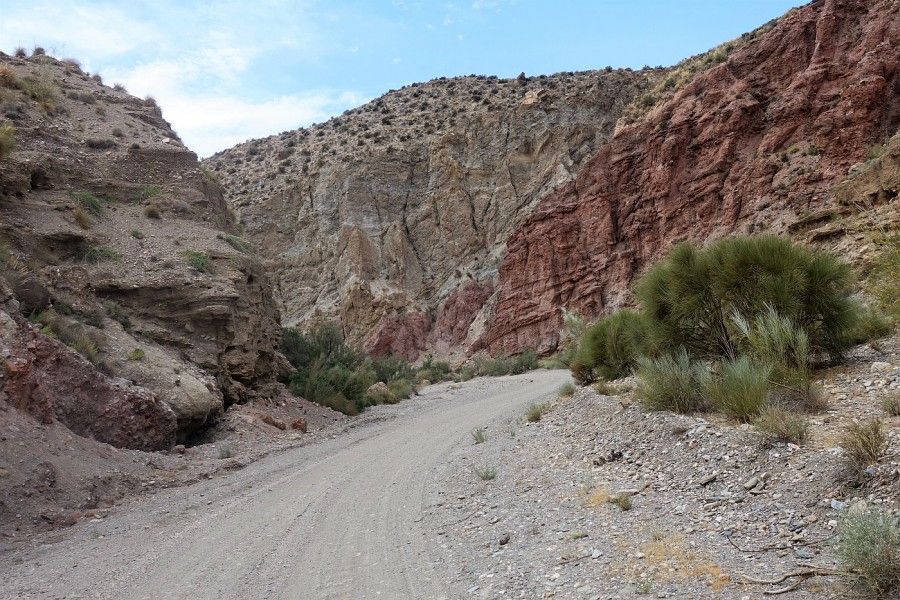
3.2. Nahrung der Raupe
- [Frankeniaceae:] Frankenia pulverulenta (Einjährige Seeheide, Staubige Frankenie)
Während die meisten anderen Aristotelia-Arten - soweit bekannt - als Raupe an Ericaceae oder Plumbaginaceae leben, fällt A. frankeniae aus dem Raster. Walsingham (1898: 132) schrieb in seiner Erstbeschreibung: "This species is nearly allied to Aristotelia brizella, Tr., but is quite distinct. I found it attached to Frankenia pulverulenta among the rocks at Punta Parata and the Iles Sanguinaires, near Ajaccio, at the beginning of May. The moths were with difficulty disturbed from among the matted growth of this low plant, on which I found several larve feeding among the shoots, closely collected together by their webs; from these larve the moths emerged from the middle of May until the end of June."
(Autor: Erwin Rennwald)
4. Weitere Informationen
4.1. Faunistik
Walsingham (1898: 132) beschrieb seine neue Art von Korsika (Punta Parata, Iles Sanguinaires). Sie wurde sonst nur noch in Spanien nachgewiesen.
(Autor: Erwin Rennwald)
4.2. Literatur
- Erstbeschreibung: Walsingham (1898): New Corsican Micro-Lepidoptera. — The Entomologist's Monthly Magazine. Second Series 9 (= 34): 131-134, 166-172. London (Gurney & Jackson). [Digitalisat auf biodiversitylibrary.org]